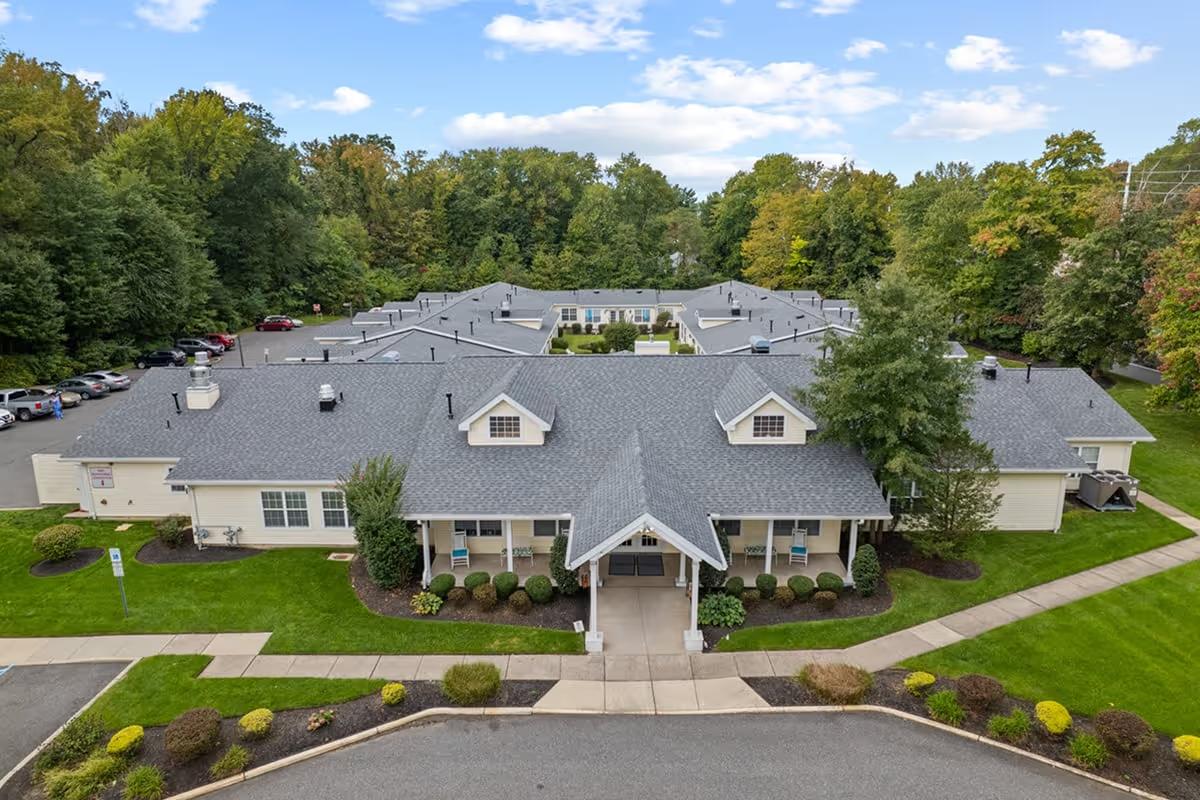
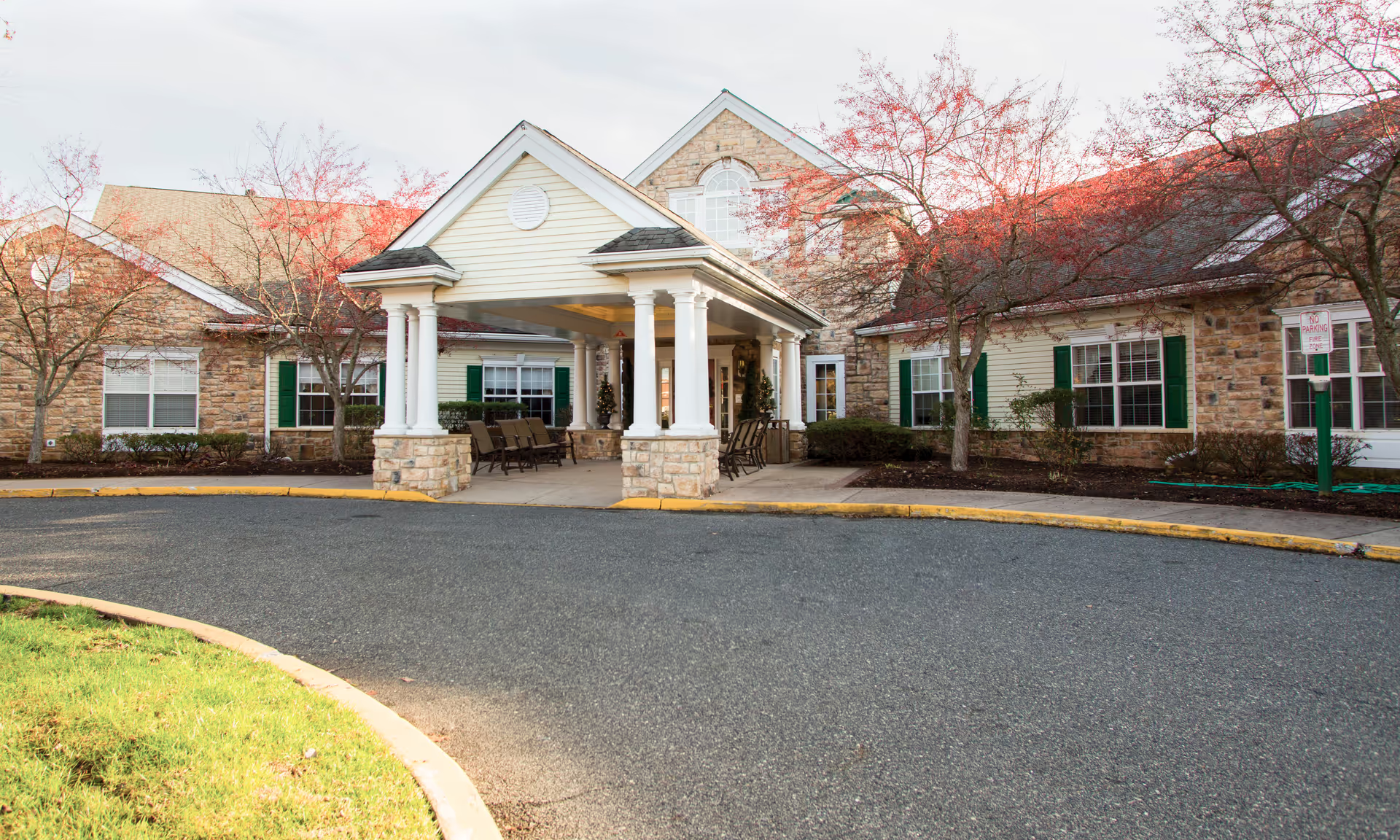
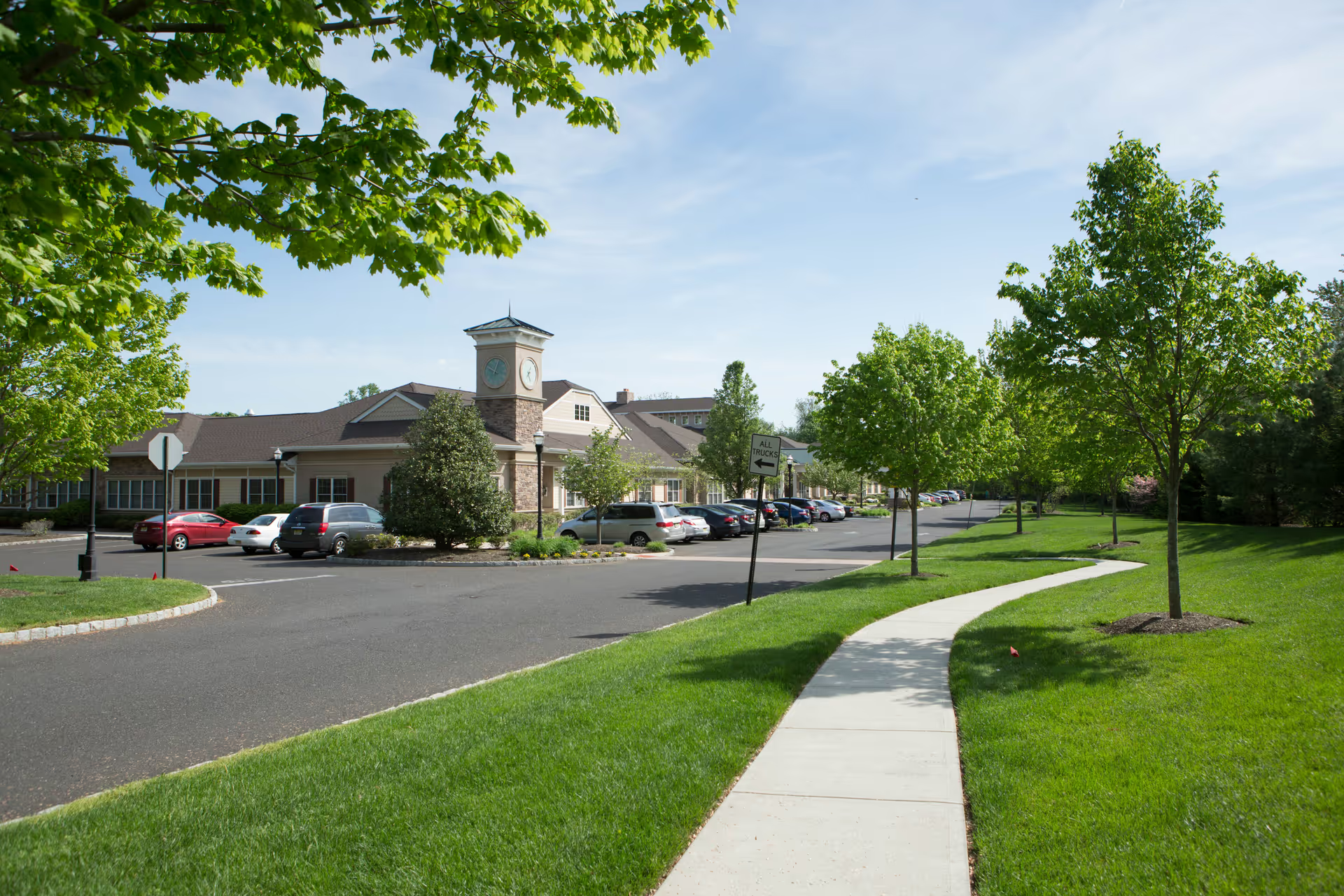
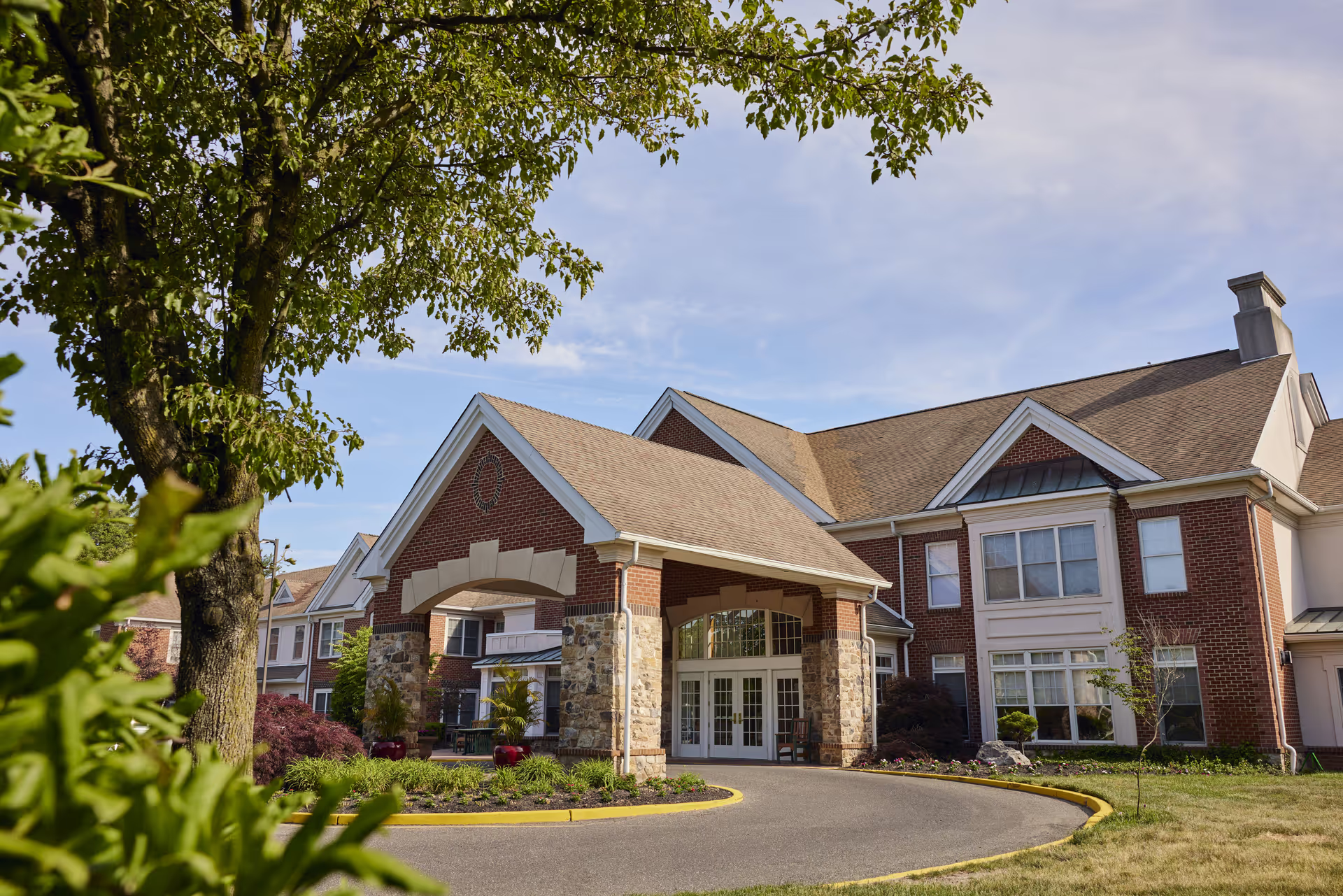
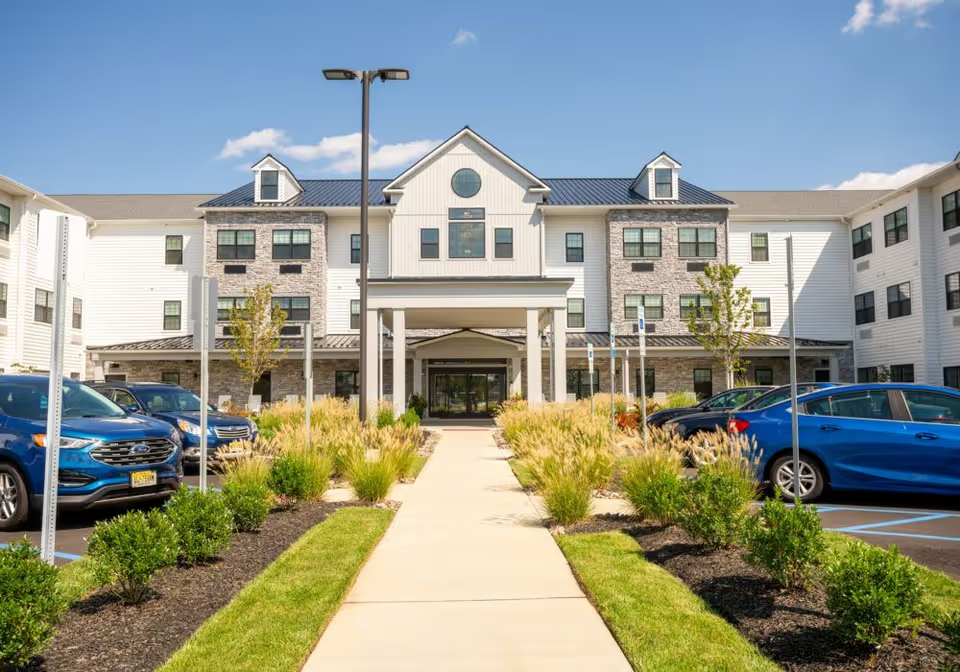
The reviews for Complete Care at Marcella present a polarized picture: many families and residents praise individual staff members, therapy outcomes, and the facility’s appearance, while others describe operational weaknesses that affected care quality and family experience. Core strengths cited repeatedly include compassionate nursing and caregiving, an effective physical and occupational therapy team capable of measurable rehabilitation gains, a pleasant campus with maintained common areas and outdoor space, and an active activities program that engages some residents. The facility is also noted for accepting Medicaid and for examples of supportive end-of-life care and hands-on case advocacy by staff.
Care quality shows meaningful variability. Positive accounts emphasize attentive, professional nurses and aides who provide individualized care and produce successful rehab outcomes. Conversely, several reviews identified medication-management problems (missed doses, incorrect medications or routes) and delays or inconsistencies in therapy scheduling that slowed progress for some residents. There are recurrent concerns about staffing levels and rotation — manifesting as slow responses to call lights, delays in toileting and mobility assistance, and periods when supervision appeared limited. These staffing and medication-process issues are the most consequential operational patterns emerging from the reviews.
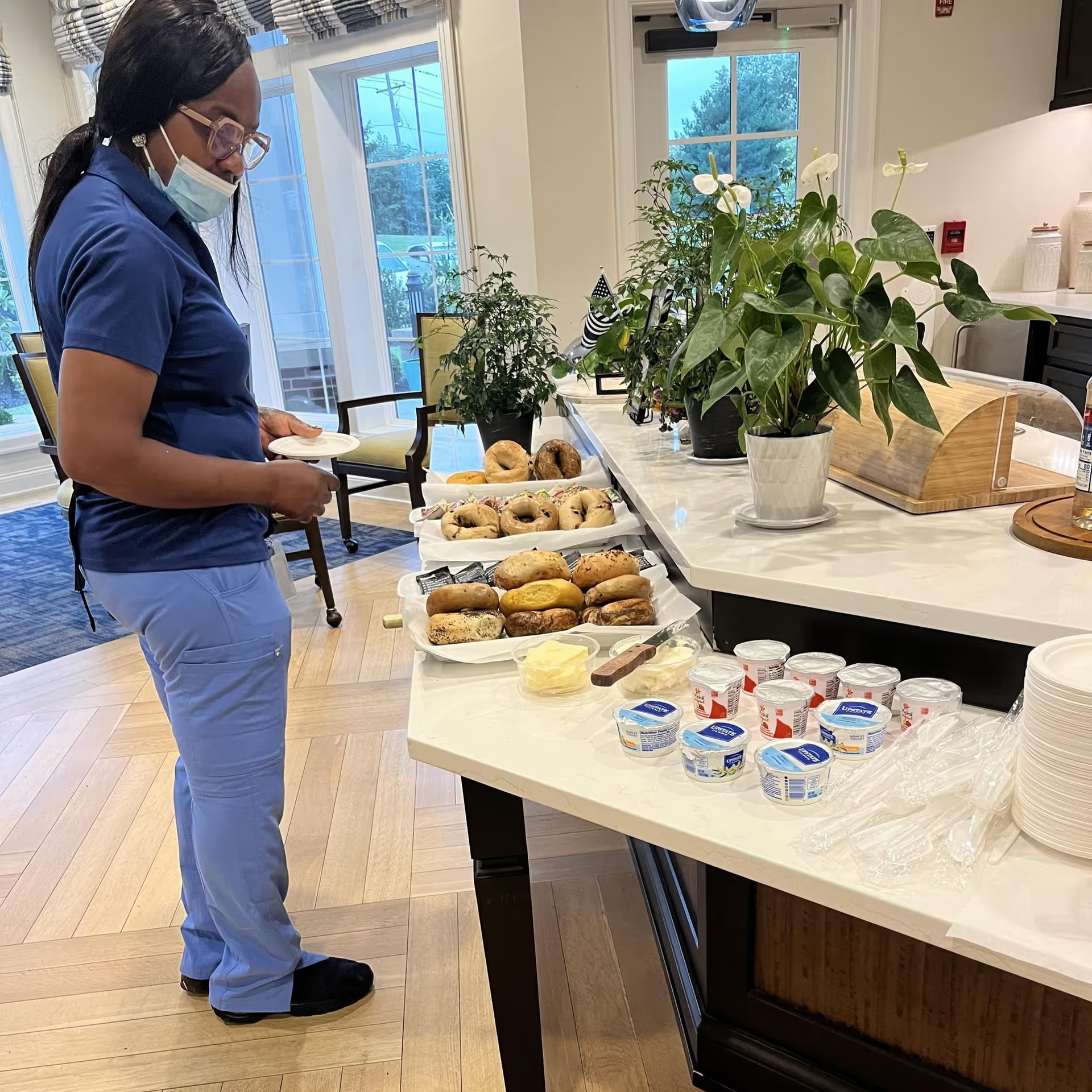
Dining and nutrition feedback is mixed. Some families describe fresh, hearty meals and improved appetite for their relative; others report small portions, late service, temperature problems, and challenges with diet adherence and nutrition for medically complex residents. Activity programming is similarly inconsistent in families’ experiences: the activities department receives praise for engaging events in many reports, but other families find limited or unengaging options for certain residents.
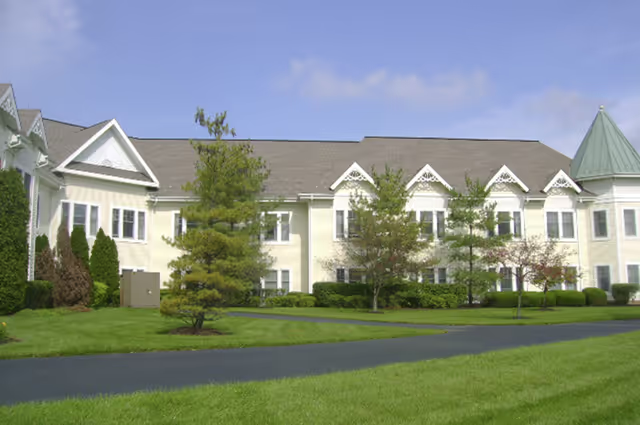
Facility appearance and housekeeping generally receive favorable comments — visitors frequently note clean, pleasant common areas and a welcoming reception. At the same time, reviewers raised specific sanitation and odor-management concerns in some resident rooms and bathrooms and described inconsistent incontinence-care practices and bathing schedules. Safety and supervision gaps are also reported, including wandering in halls and periods of limited oversight; these reviews suggest variability in day-to-day monitoring and enforcement of protocols.
Management and administrative communication are another area of divergence. Several families commend responsive administrators and named staff who proactively address issues; however, an equal number describe poor follow-through from case managers and social workers, delayed or unreturned calls, problems with discharge planning (including insufficient home-transition instruction), and difficulties resolving insurance authorizations and transportation. A small number of reviews contain severe allegations involving resident safety and potential financial exploitation; such claims are serious and warrant independent verification with regulatory authorities.
Overall, Complete Care at Marcella demonstrates clear strengths in compassionate bedside care, rehabilitation capability, and facility presentation, but exhibits operational weaknesses that have material impact for some residents — most notably inconsistent medication administration, staffing variability, communication breakdowns, dining inconsistencies, and discharge/insurance coordination gaps. Prospective residents and families would benefit from targeted questions during a tour: ask about medication-safety protocols, average staffing ratios by shift, call-light response times, discharge-planning procedures (including teaching for home environments), transportation policies, and recent state inspection or complaint history. These focused inquiries can help clarify whether the facility’s strengths align with a specific resident’s needs and risk profile.