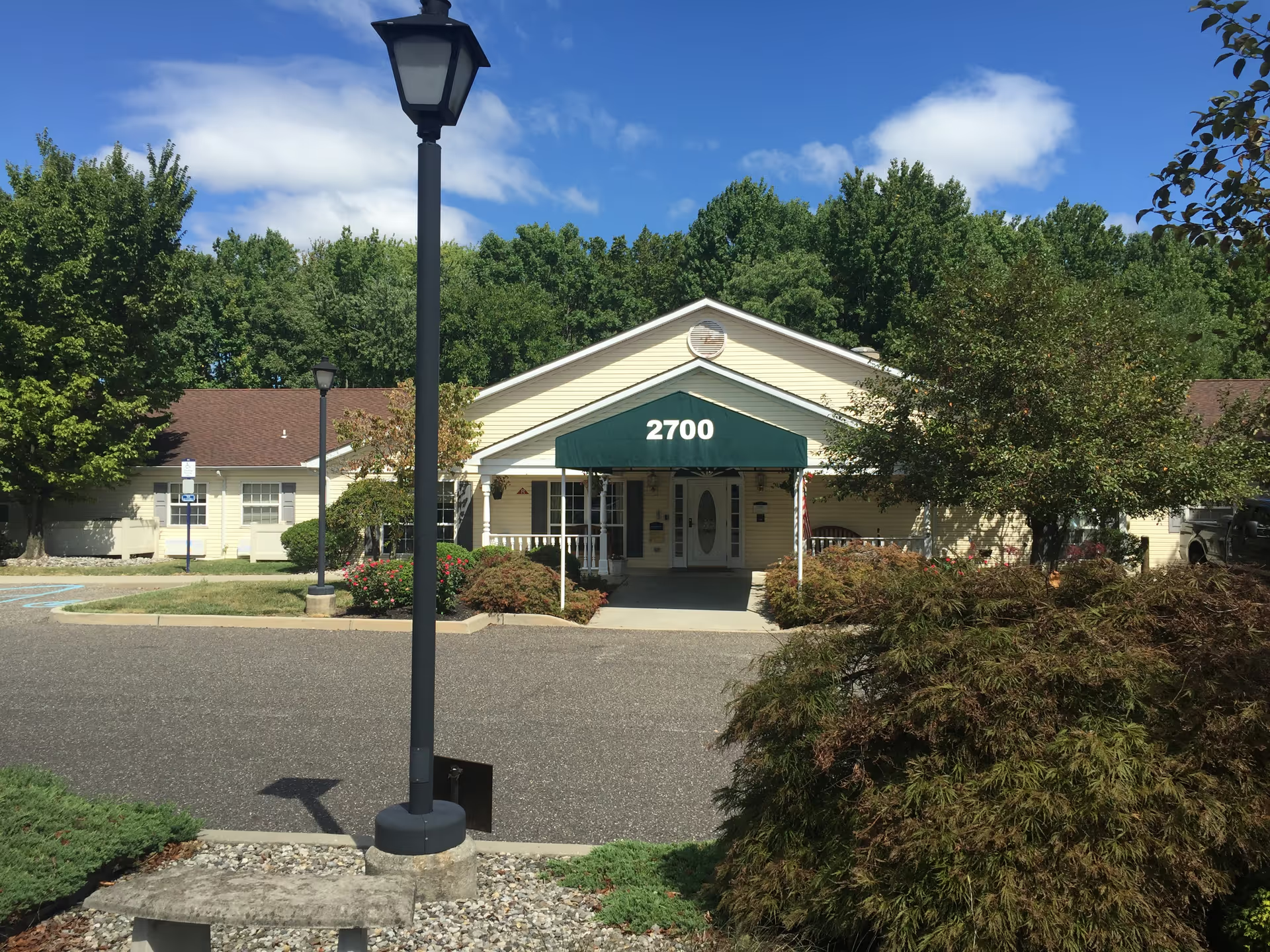
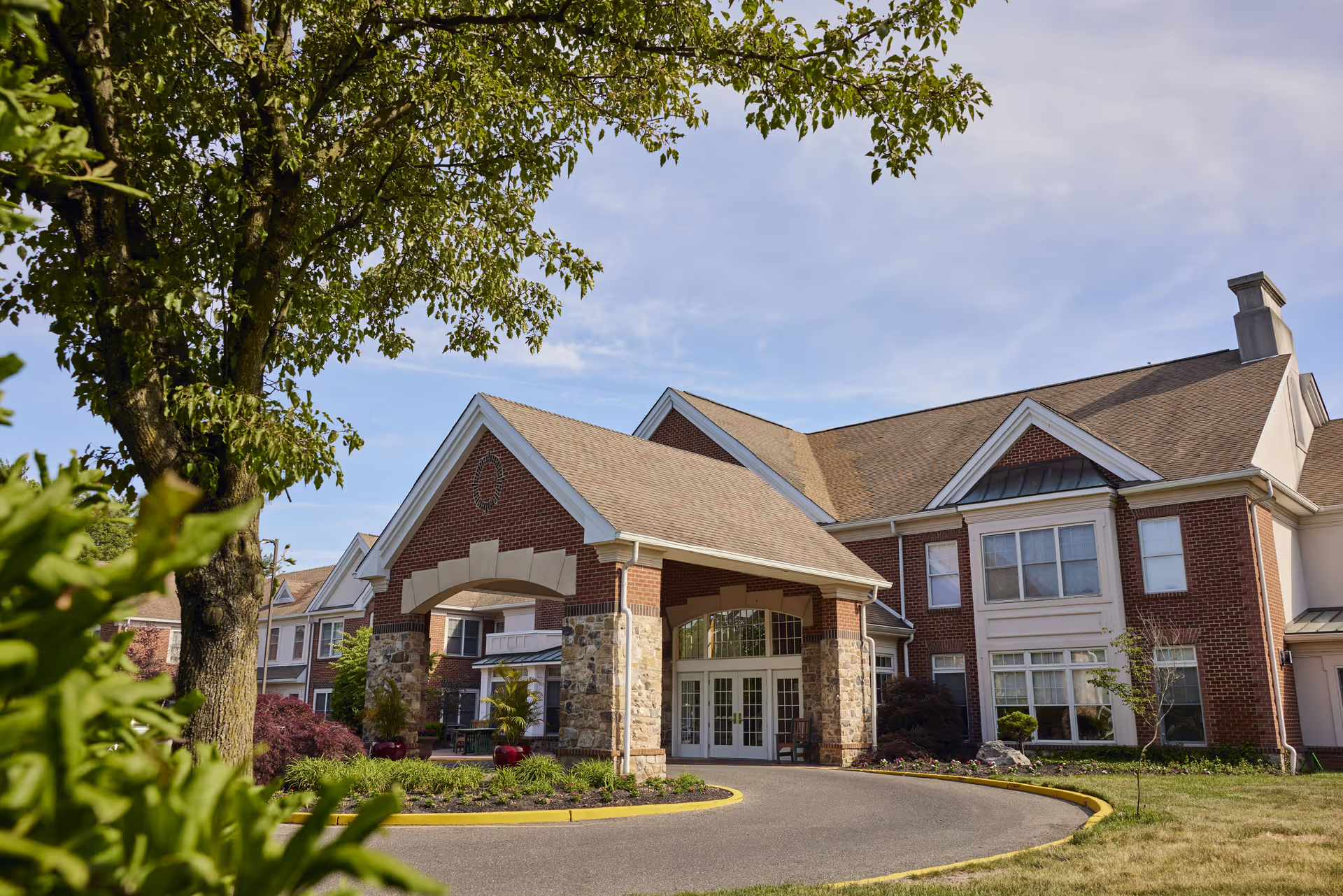
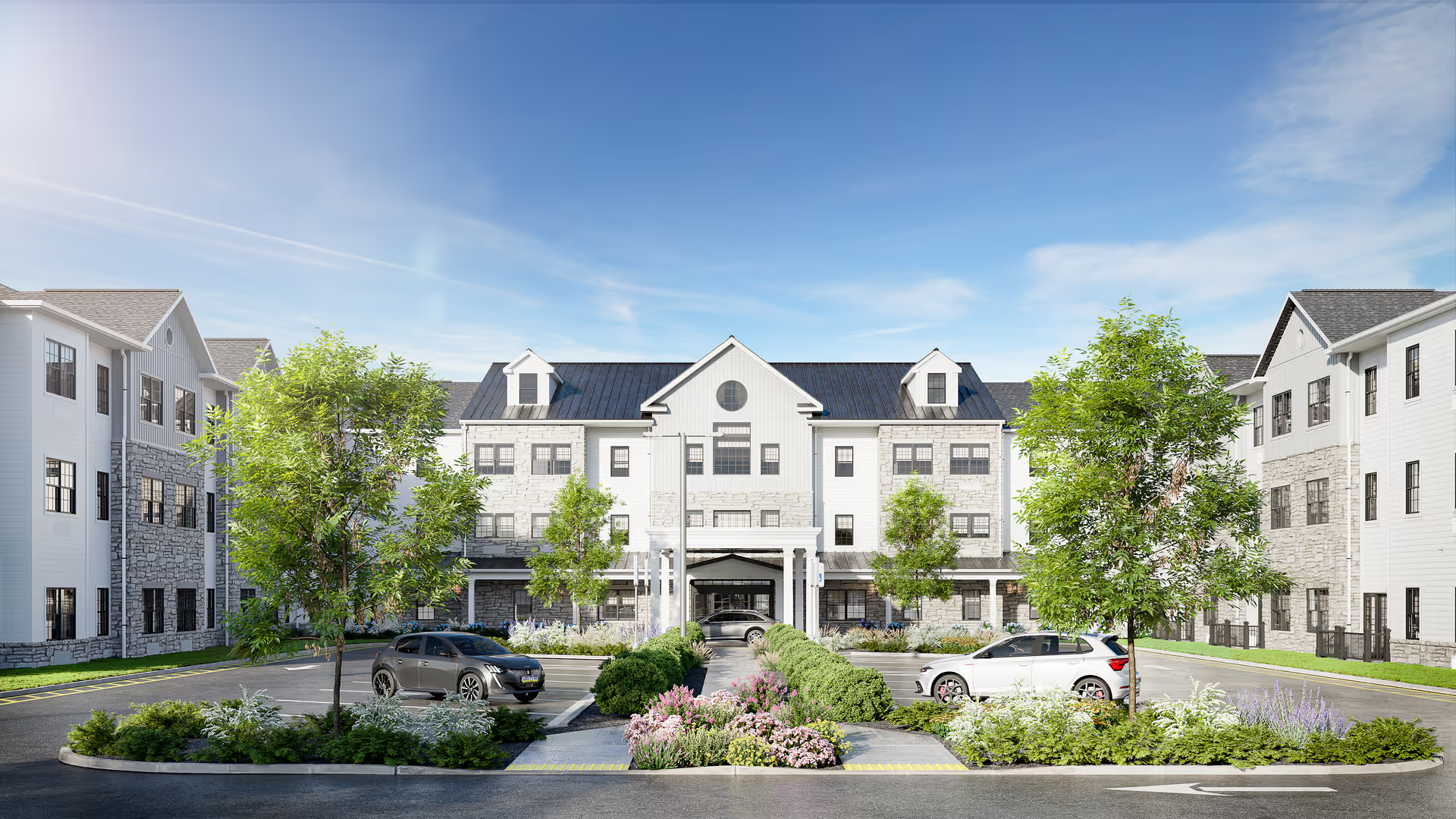
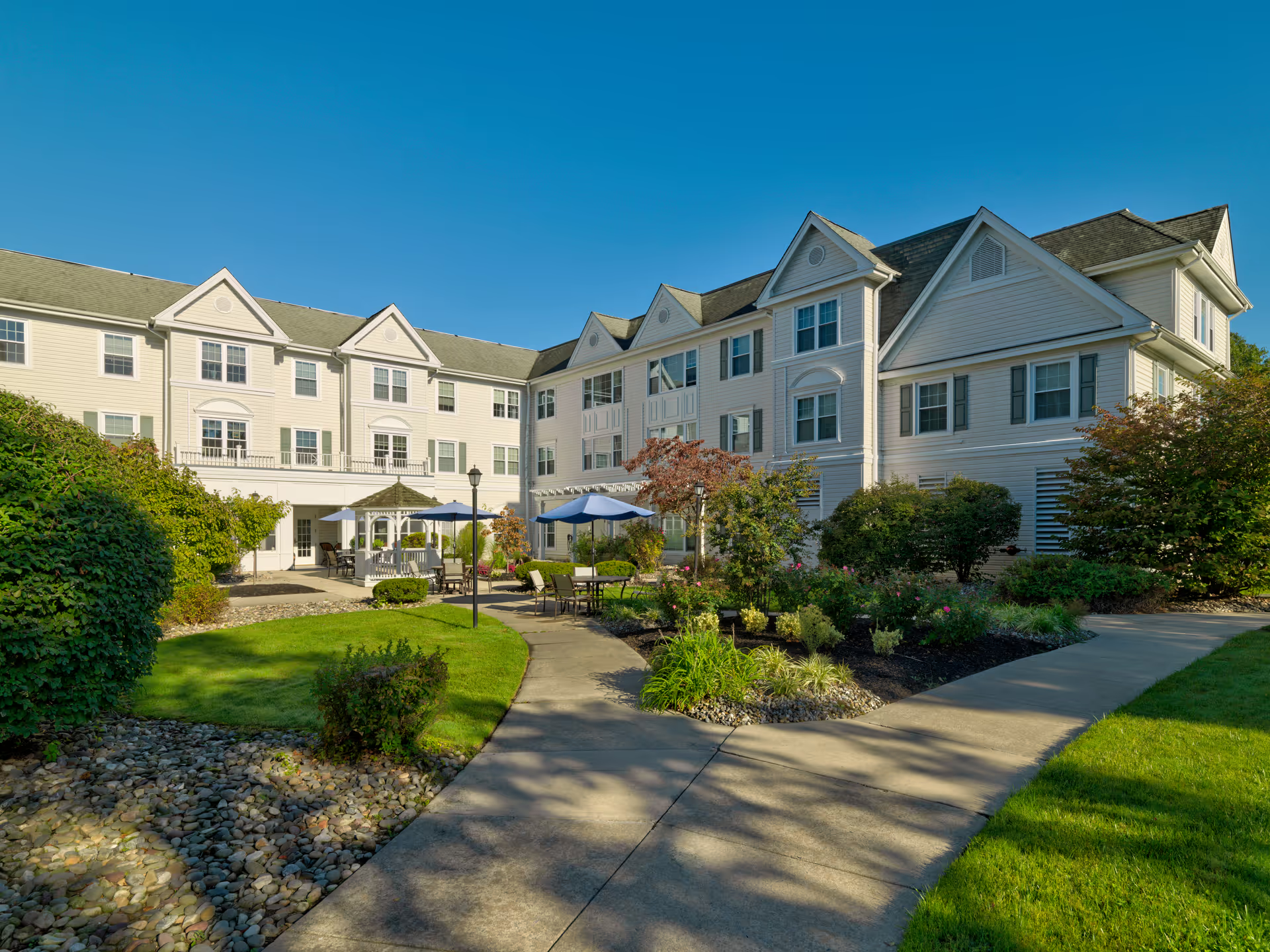
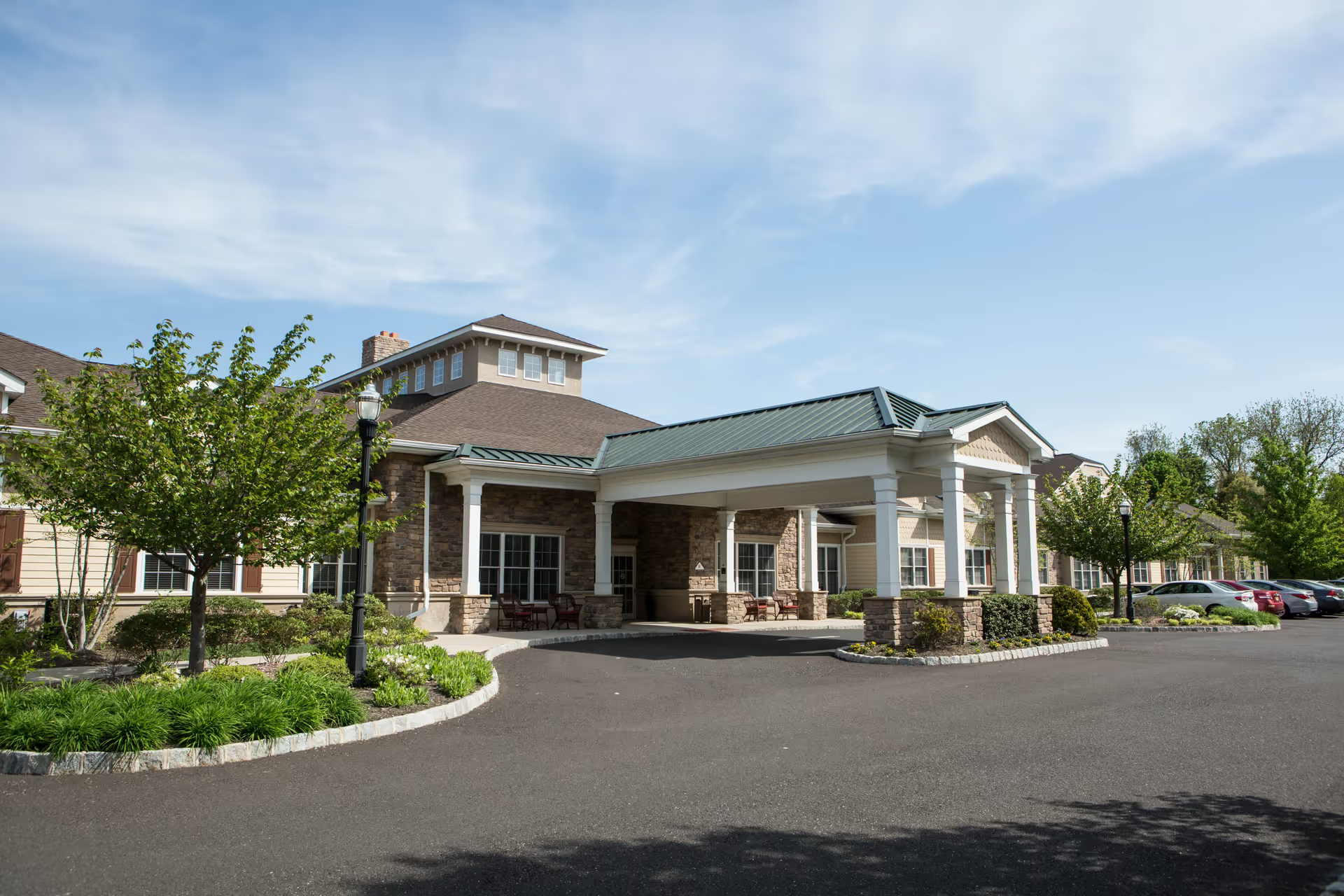
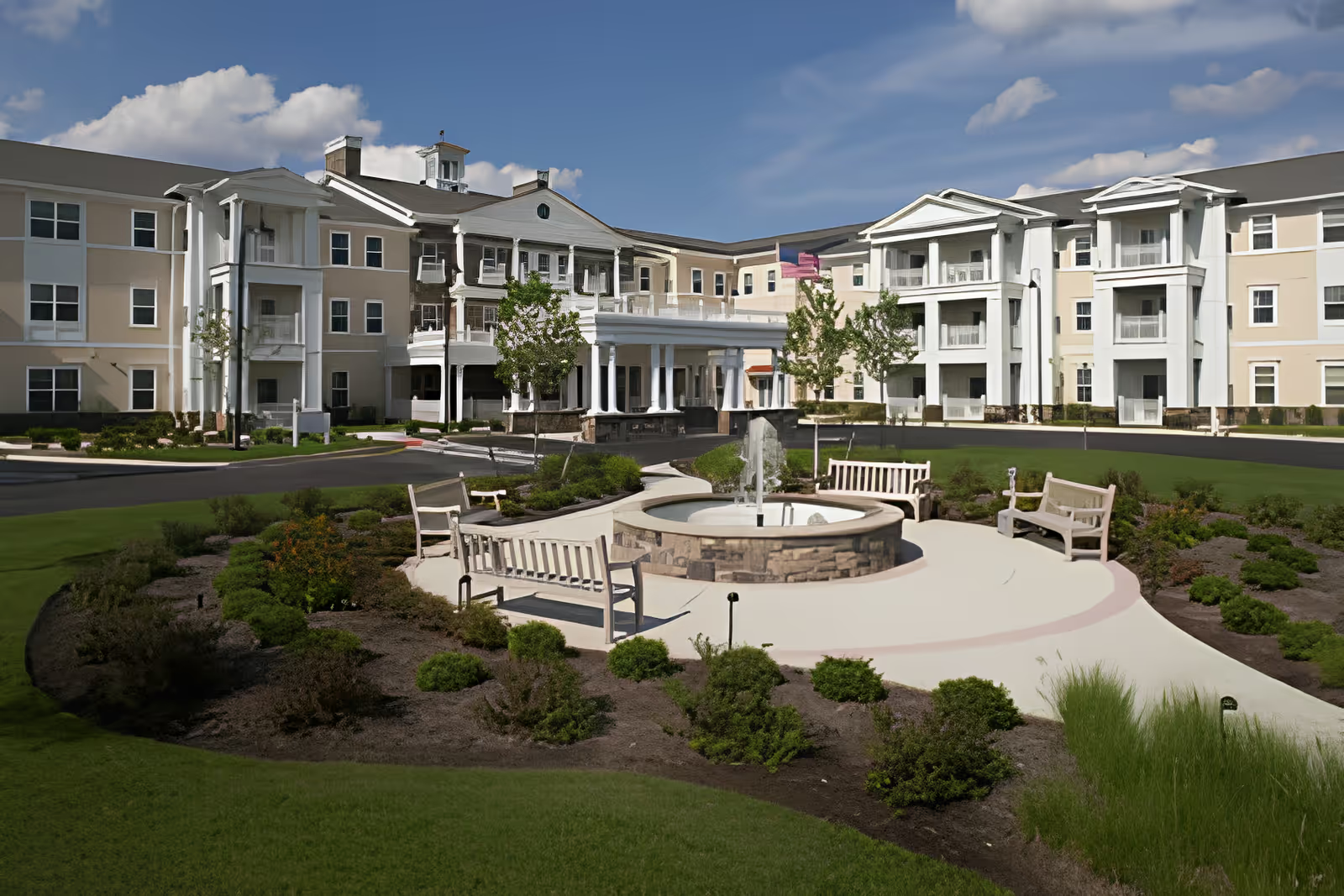
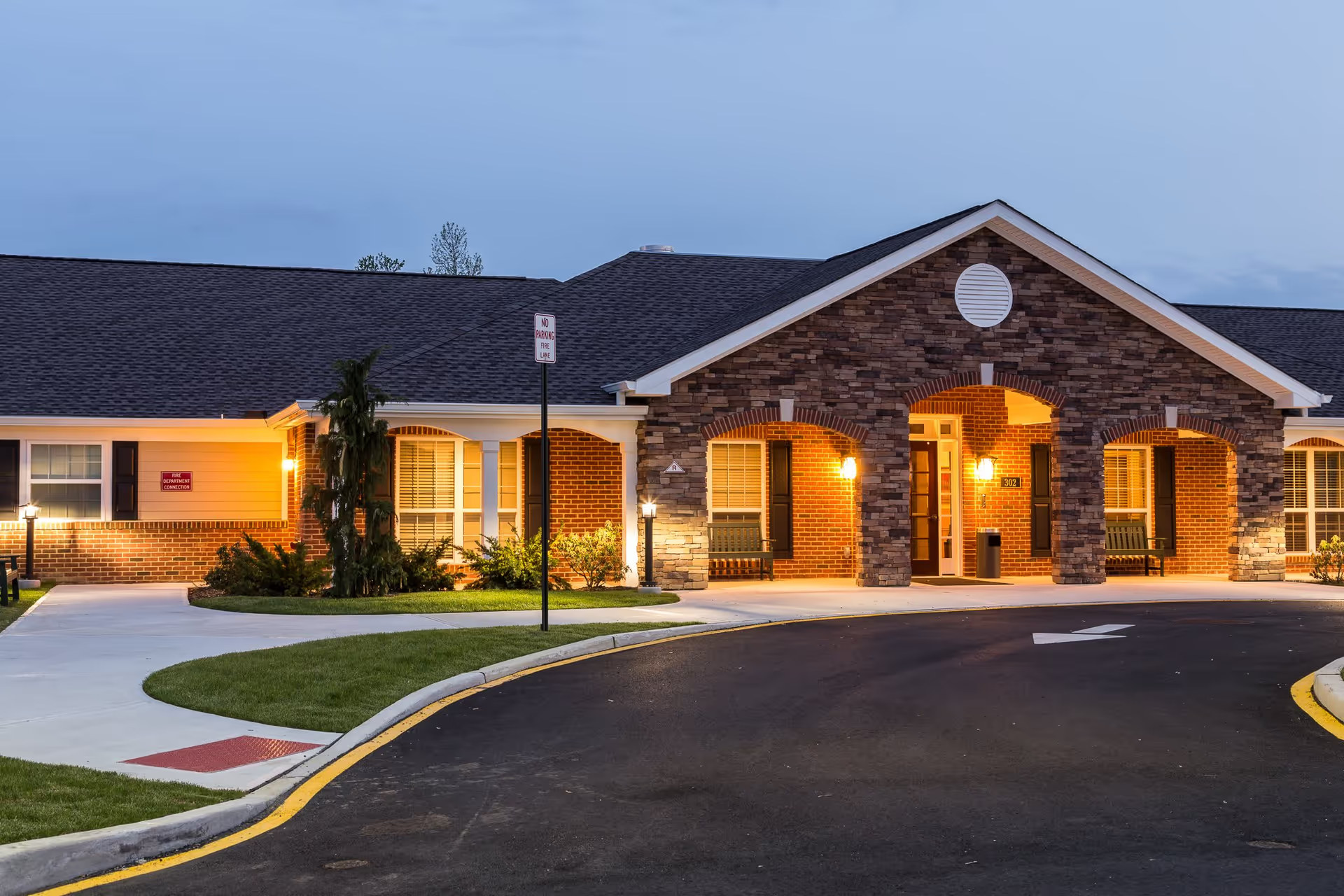
Cadbury at Cherry Hill presents as a large, well-appointed senior living conversion with many physical and programmatic strengths. Reviewers commonly describe a hotel-like lobby and attractive hallways, pleasant outdoor spaces, wood finishes, and well-kept resident rooms. The campus includes an indoor pool, therapy gym, and multiple communal spaces; activity programming ranges from concerts and trips to pool-table and fitness offerings. Admissions and front-desk interactions are repeatedly described as welcoming and efficient, and housekeeping and maintenance receive consistent positive mention.
Clinical and nursing supports are a clear feature: on-site medical services, proactive nursing evaluations on admission, therapy programs with goal-focused staff, and 24/7 coverage are all noted positives. Many families highlighted attentive nurses, effective pain management, vegan/dietary accommodations, and helpful therapy explanations. At the same time, a pattern of inconsistent staffing and responsiveness emerged in other accounts. Concerns clustered around delays in attendant care for basic activities of daily living (bathing, feeding, and showering), variability in rehabilitation follow-through, and episodic sanitation or hygiene-management issues. The memory-care unit is described as secure, but the layout and shared spaces raise questions about privacy and specialized separation.
Dining receives mixed, but specific, feedback. Several reviewers praised food quality and flexibility — including accommodation of special diets and the ability to cook in apartments — and some described the dining hall as elegant. Contrastingly, there are operational weaknesses around meal execution: fixed service times that may limit flexibility for some residents, inconsistent food preparation or texture modifications, and occasional lapses in assisted dining for residents who need help. Prospective residents should ask about current dining protocols, feeding assistance policies, and how special diets are managed.
Programmatically, activity opportunities and social life are strengths; residents are described as sociable and programming is varied. However, the facility’s large footprint and complex layout can overwhelm some residents, particularly those with cognitive impairment. Ongoing remodeling and the combination of an older building with construction activity have been noted as sources of disruption. Practical concerns include parking and site access challenges.
Management and safety-related patterns are mixed. While many reviewers commend the professionalism and compassion of staff, others describe inconsistent communication from administration and family outreach. There are a small number of serious operational concerns flagged by families — including missing personal items and lapses in supervision — which suggest the need to review security policies and incident-response procedures. Overall affordability and Medicaid-acceptance, along with respite-care availability, are positives for budget-sensitive families.
Recommendations for prospective residents and families: tour at different times of day, observe mealtimes and activity periods, and ask detailed questions about staffing ratios, ADL-assistance protocols, medication and wound-care practices, and security procedures for personal belongings. Confirm the layout and separation of memory-care areas if privacy or specialized containment is important, and inquire about the timeline and impact of any ongoing construction. These steps will help evaluate whether Cadbury’s substantial amenities and clinical supports align with an individual resident’s needs and care requirements.