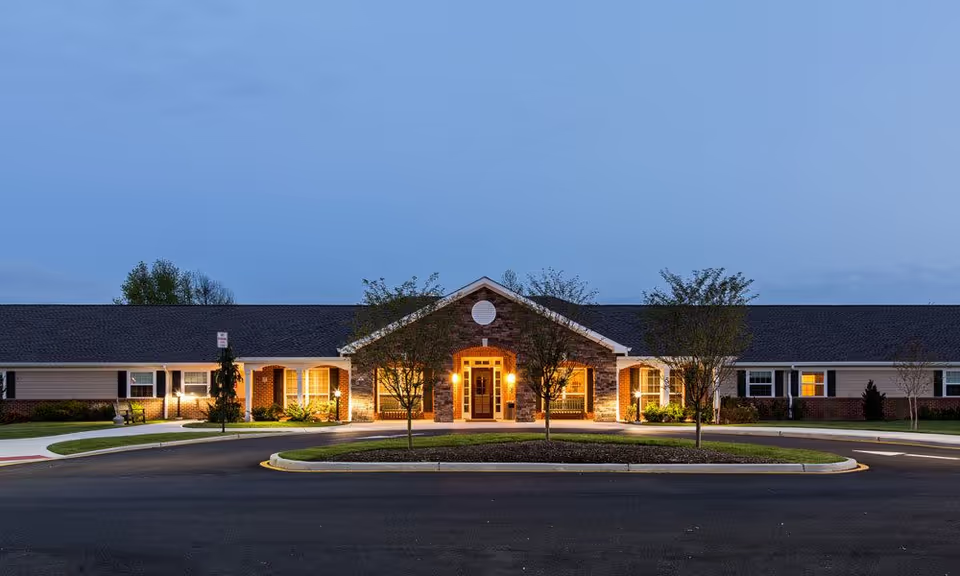
Reviews of Dwellside Care and Rehab (Autumn Lake Healthcare at Cherry Hill) present a mixed but thematically consistent picture. Many families and short-term rehab patients praise the caregiving teams—especially CNAs, aides, and therapists—for compassionate bedside manner, attentive support, and strong therapy outcomes that helped residents regain function. Multiple accounts describe a warm, home-like atmosphere on certain units, engaging activities, coordinated discharges, and clear communication from staff who keep families informed.
At the same time, a set of operational weaknesses recurs across reviews. Staffing levels and consistency emerge as a central issue: staffing shortages, reliance on agency or inexperienced personnel, and uneven shift coverage were linked to delays in attending to residents' needs and inconsistent monitoring. These staffing gaps correlate with concerns about responsiveness to call bells, delays in toileting and personal care assistance, and variability in how nursing oversight and documentation are handled. Several reviews also cited medication-management and nutrition-handling issues that families found concerning.
Facility infrastructure and supply-chain issues were another theme. The building and some equipment are described as aging, with instances of broken or outdated items and a perceived shortage of essential supplies. Cleanliness and odor-control were inconsistent across stays—many reviewers reported clean, well-maintained rooms and wings, while others described sanitation concerns and lapses in laundry or room upkeep. Relatedly, multiple complaints focused on missing or mishandled personal belongings and insufficient accountability around resident property and laundry processes.
Dining and activity offerings produce mixed reactions: the programmatic side (activities, outings, movie theatre, dining-room atmosphere) is frequently praised and seen as a strength for resident engagement, while meal quality and service logistics (cold trays, pureed consistency, timing, and occasional frozen items) were criticized in some accounts. Safety practices also drew attention; reviewers noted issues with transfer practices, inconsistent fall-prevention measures, and bedside equipment checks.
Management and communication show variability by shift and unit. Several comments commend managers and administrators who are present, responsive, and effective in addressing concerns; others describe difficulty reaching leadership, delayed follow-up, or dissatisfaction with admissions paperwork and transfer coordination. A small number of reviews referenced serious adverse events and subsequent family concerns about communication and incident handling, underscoring the need for transparent post-incident processes.
In summary, Dwellside Care and Rehab demonstrates notable strengths in direct caregiving, therapy services, family communication, and resident engagement programming, making it a potentially strong choice for rehabilitation stays when those teams are fully staffed. However, persistent operational issues—especially inconsistent staffing, variable cleanliness and supply availability, medication- and property-accountability gaps, and uneven management responsiveness—can materially affect the resident experience. Prospective residents and families should tour the facility in person, ask about current staffing ratios and agency use, review medication and property-handling protocols, observe cleanliness on multiple units, and seek clarity on escalation and post-incident communication procedures before making placement decisions.