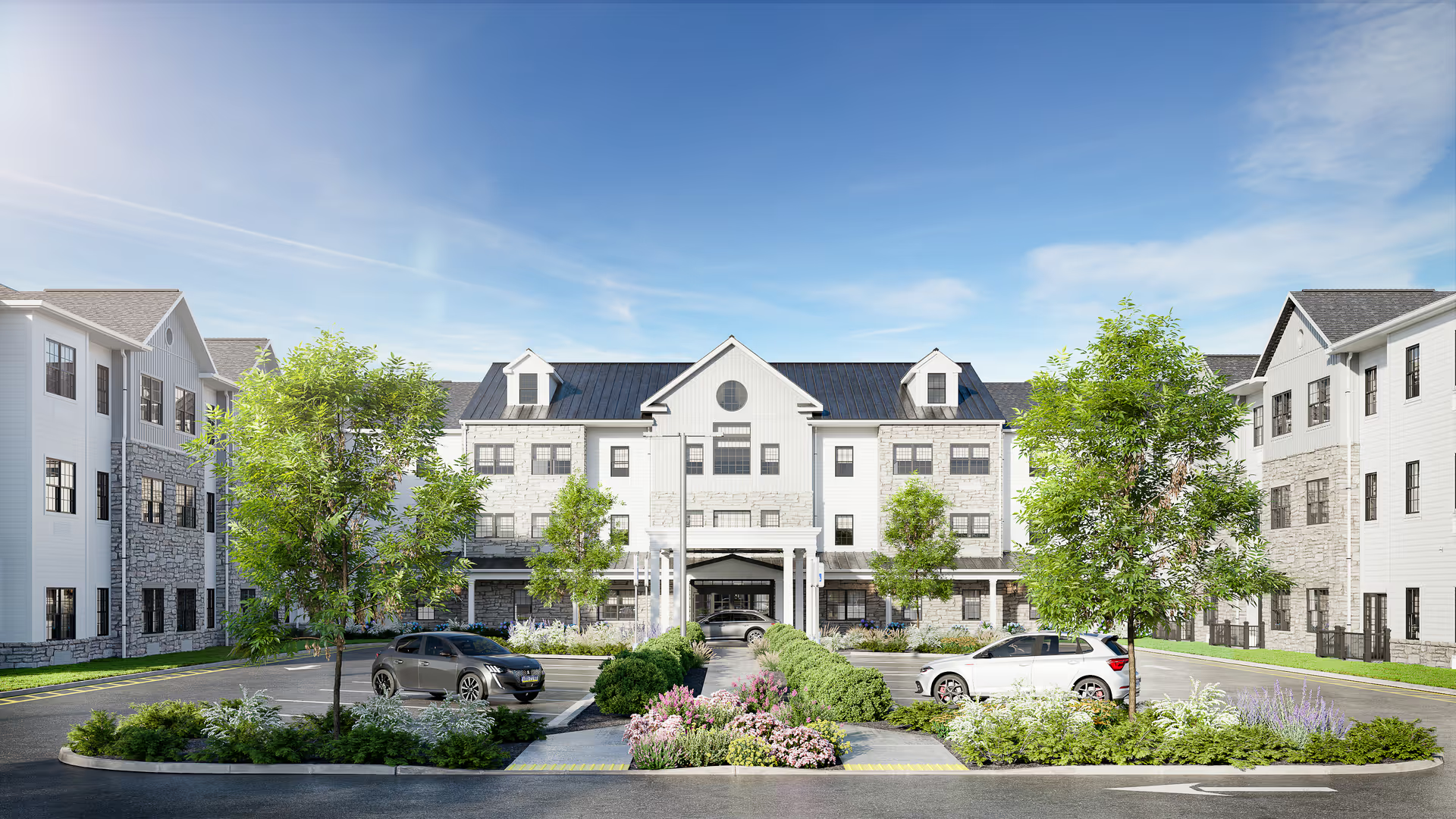
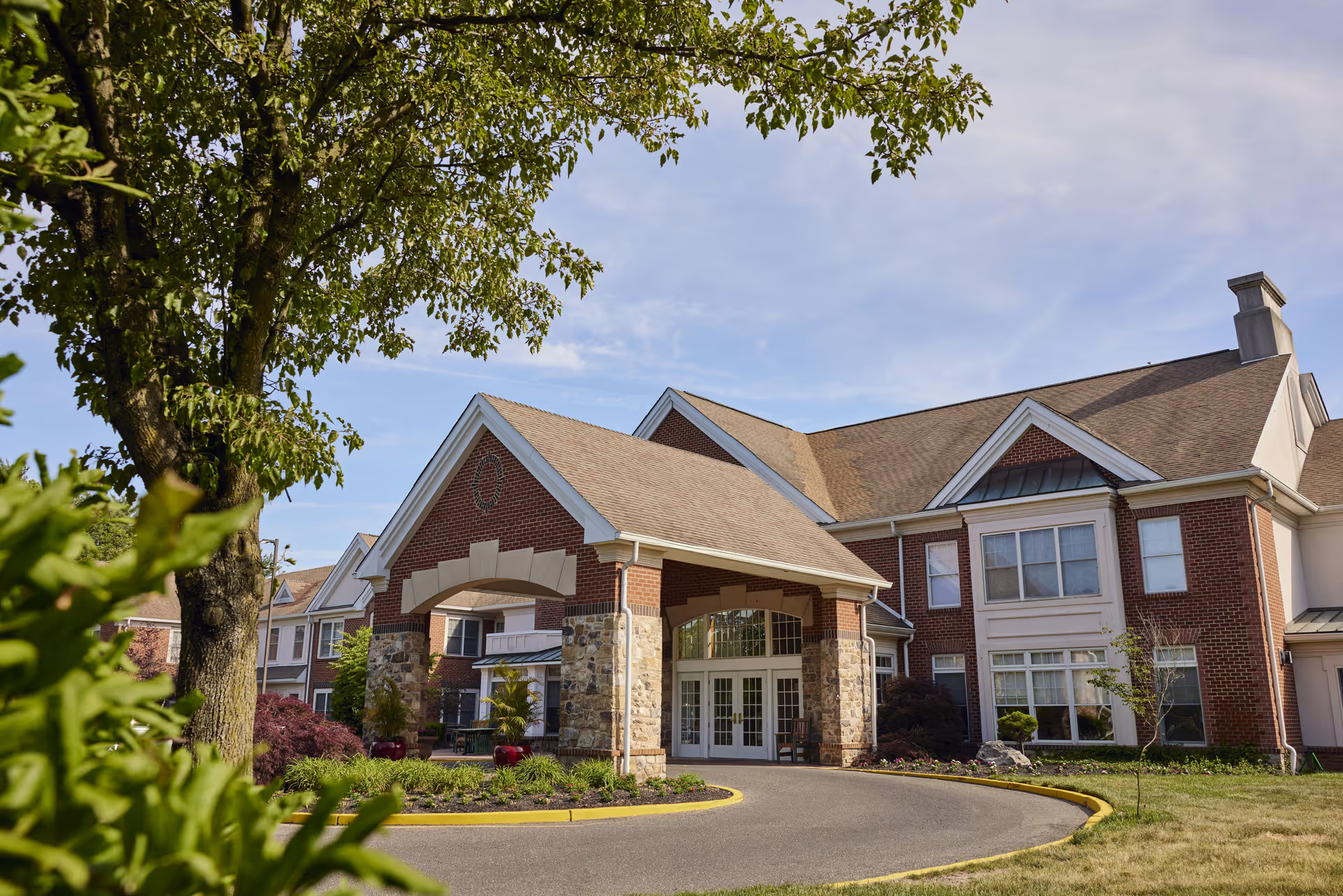
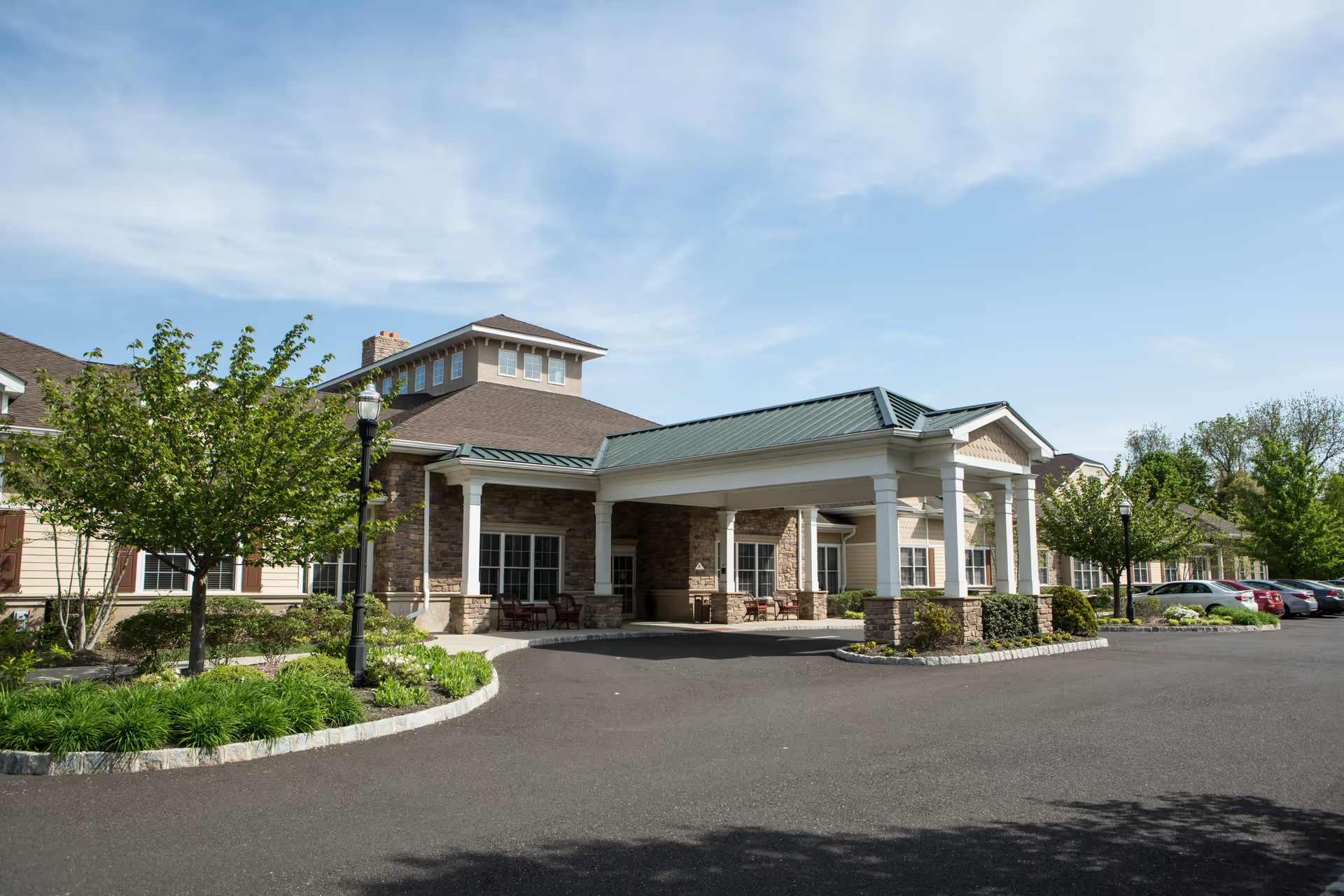
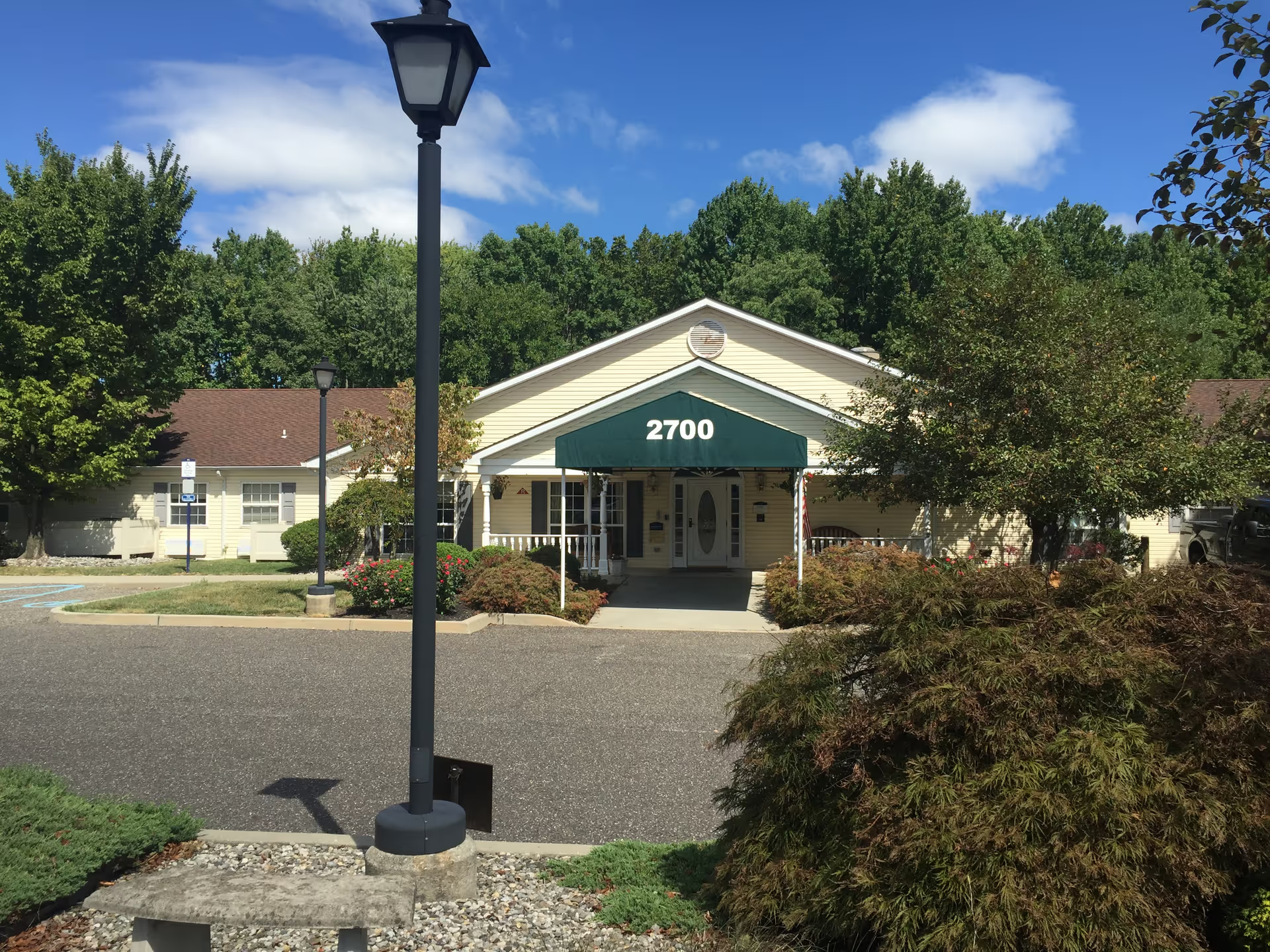
Wynwood Rehabilitation and Healthcare Center elicits a broad range of experiences that cluster into two clear patterns: strong, rehabilitation-focused clinical strengths on one hand, and operational vulnerabilities on the other. Many families and former patients emphasize the facility’s rehabilitation expertise — notably skilled physical, occupational, and speech therapy teams led by proactive therapy directors — and attribute measurable functional gains and successful discharges home to that program. A number of reviews describe compassionate, resident-centered nursing and aide care, attentive social work support, effective admissions coordination, and a family-like atmosphere that contributes to positive patient experience. Several accounts also praise recent renovations, updated patient rooms, and veteran-friendly services.
Care and staff: Reviews frequently highlight individual caregivers and clinicians who go beyond expectations, citing nurses and aides who explain care thoroughly, provide emotional support, and work collaboratively with therapists. Social workers and therapy leadership are often singled out for attentive discharge planning and patient advocacy. At the same time, there is notable variability in staff performance. Concerns include uneven training and supervision, conduct and communication lapses from some employees, and periods of understaffing — particularly overnight — that reviewers link to slower response times and diminished personal-care attention.
Dining and activities: The facility’s activities program is consistently described as engaging and purposeful, with staff-led events that support socialization and cognitive engagement. Meal quality is mixed in the reviews: several families found the food palatable and accommodating (including texture-modified options), while others reported inconsistent meal service, items served at inappropriate temperatures, and errors in meal delivery. Overall, activities are a relative strength; dining service appears to be inconsistent and an area for quality improvement.
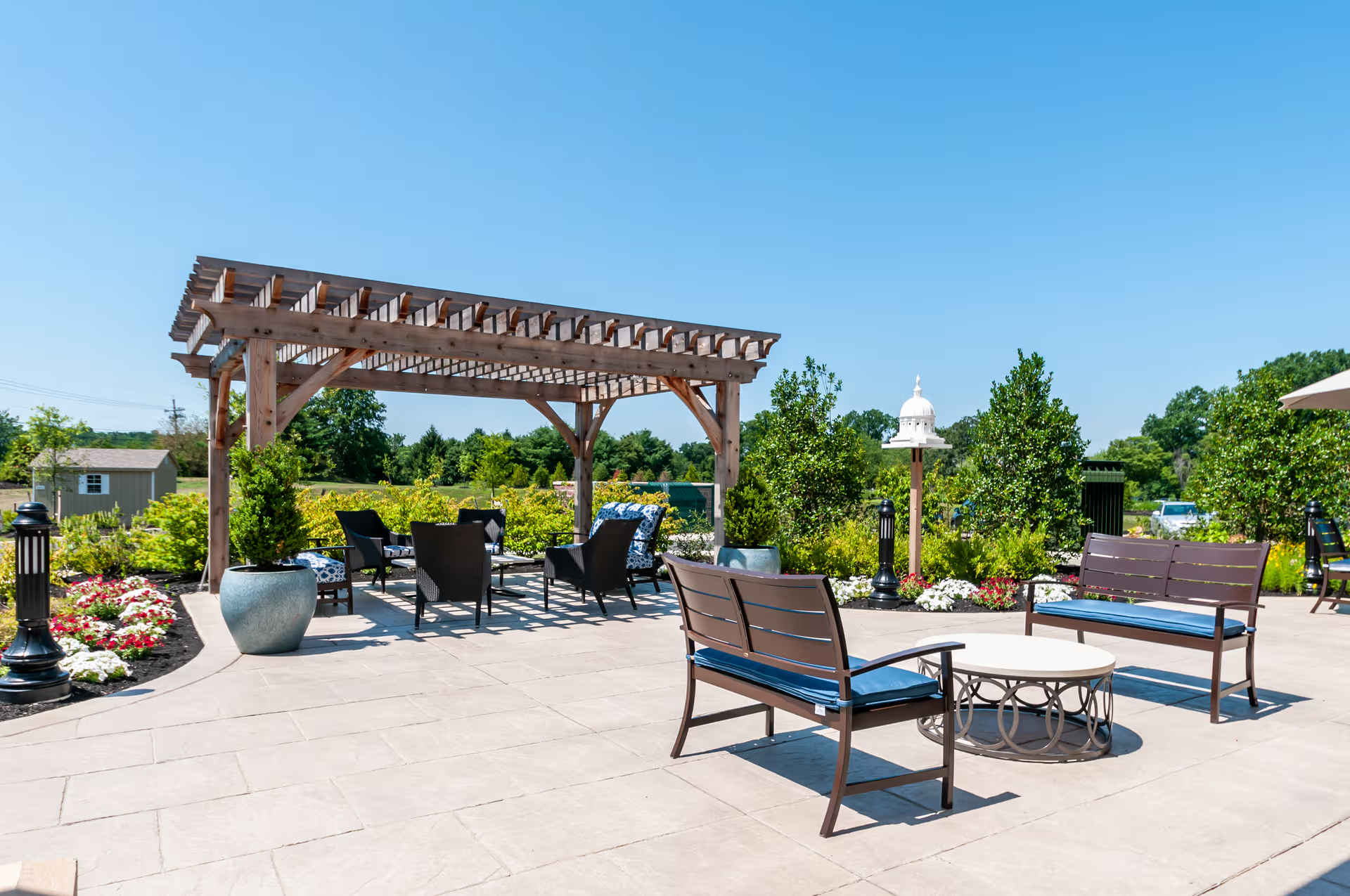
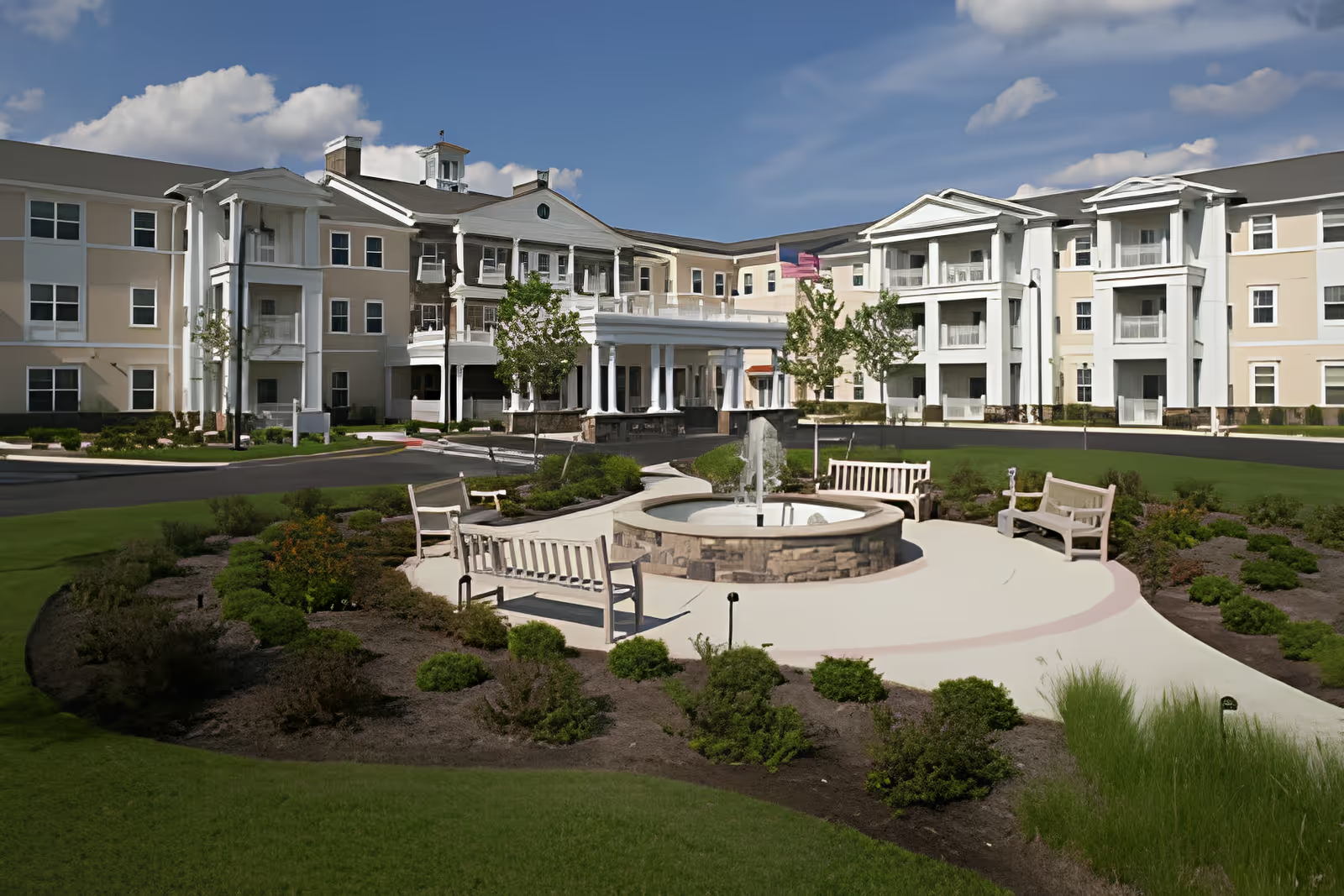
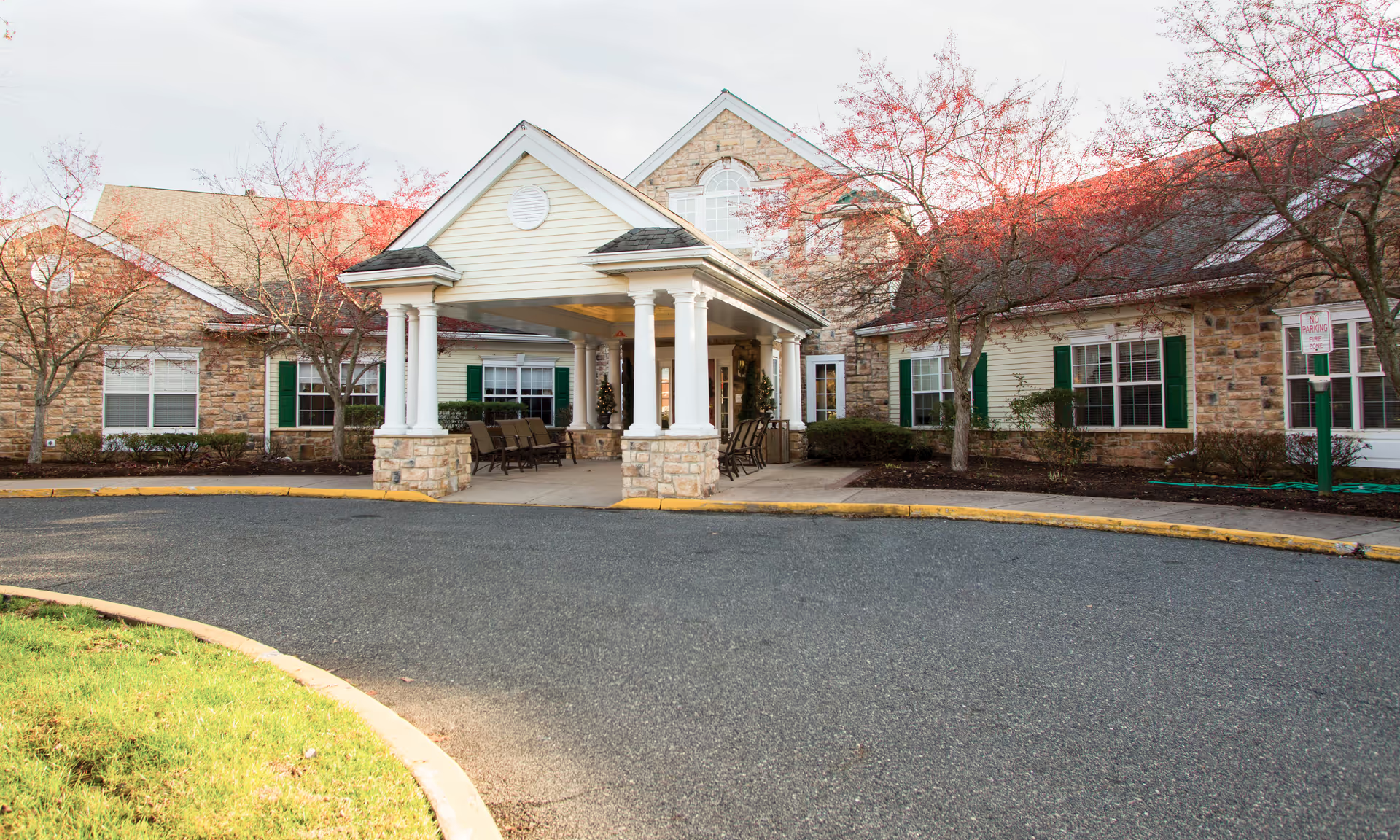
Facilities and sanitation: Many reviewers noted clean, renovated areas and responsive maintenance in portions of the facility, but a substantial subset raised sanitation and odor concerns, and referenced pest-control issues and inconsistent housekeeping or room-readiness. Equipment-availability problems (delayed or missing devices) and occasional use of non-residential space for resident accommodation were also described. These operational issues directly impact perceived safety and comfort and are recurring themes across reviews.
Management, safety, and communication: Administrative responsiveness is described as highly variable. Positive accounts identify proactive administrators who coordinate care, address concerns, and improve outcomes. Conversely, other accounts cite gaps in family communication, delayed incident reporting, billing and administrative errors, and uneven follow-through on clinical issues. Clinically significant concerns noted in some reviews include wound-care and medication-management lapses and delayed clinical follow-up; a limited number of reviews referenced serious incidents and concerns following a resident’s death that prompted calls for investigation. These more serious allegations are relatively infrequent in the dataset but amplify the need for transparent incident review and consistent regulatory oversight.
Overall impression and patterns: Prospective residents and families should weigh Wynwood’s demonstrated strengths in rehabilitation, therapy leadership, and individualized caregiver compassion against documented variability in day-to-day operations — especially around staffing consistency, sanitation, medication processes, and family communication. For those seeking an intensive rehabilitation environment with strong therapy teams, Wynwood has many positive accounts of successful recoveries. However, the facility would benefit from focused improvements in staffing reliability, infection-control and pest-management practices, food-service consistency, equipment availability, and standardized family communication and incident-response protocols to reduce the variability in resident experience that appears across reviews.