Reviews for Atlas Rehabilitation & Healthcare at Daughters of Miriam present a polarized picture: many families and patients praise the facility’s rehabilitation outcomes and individual staff members, while other accounts describe significant operational weaknesses. The facility’s rehabilitation program is repeatedly cited as a clear strength — physical and occupational therapists receive frequent praise for helping residents regain strength and return home. Multiple reviewers also highlight compassionate nursing and aide care, effective social-work and concierge support, and attentive overnight aides. On-site amenities, culturally appropriate programming, engaging activities (bingo, music, crafts, language classes), and some bright, spacious apartment accommodations were frequently noted as positive elements that support residents’ social and emotional needs.
At the same time, a consistent pattern of variability emerges across domains. Staffing levels and workforce stability appear uneven, contributing to delays in care tasks, reduced responsiveness, and scheduling issues. Cleanliness and housekeeping are described as strong in parts of the building but inadequate in others, producing sanitation concerns and inconsistent room readiness. Medication management and administration also show variability: reviewers reported both timely, knowledgeable nursing and instances of missed or delayed medication administration and questions about medication practices. Relatedly, wound-care competence and qualification standards were questioned in some accounts.
Communication and management practices form another recurrent theme. Several families described effective, compassionate coordination led by individual staff or departments, while others experienced difficulty reaching social workers, unresponsive administrative leadership, and problems with record transfer and discharge planning. These gaps extend to incident notification and post-incident communication, including how the facility handles roommate conflicts, security incidents, and sensitive events involving resident hospitalization or death. Reviewers also described supply-management and infection-control communication problems such as delays in returning equipment or lack of clarity during staff quarantine events.
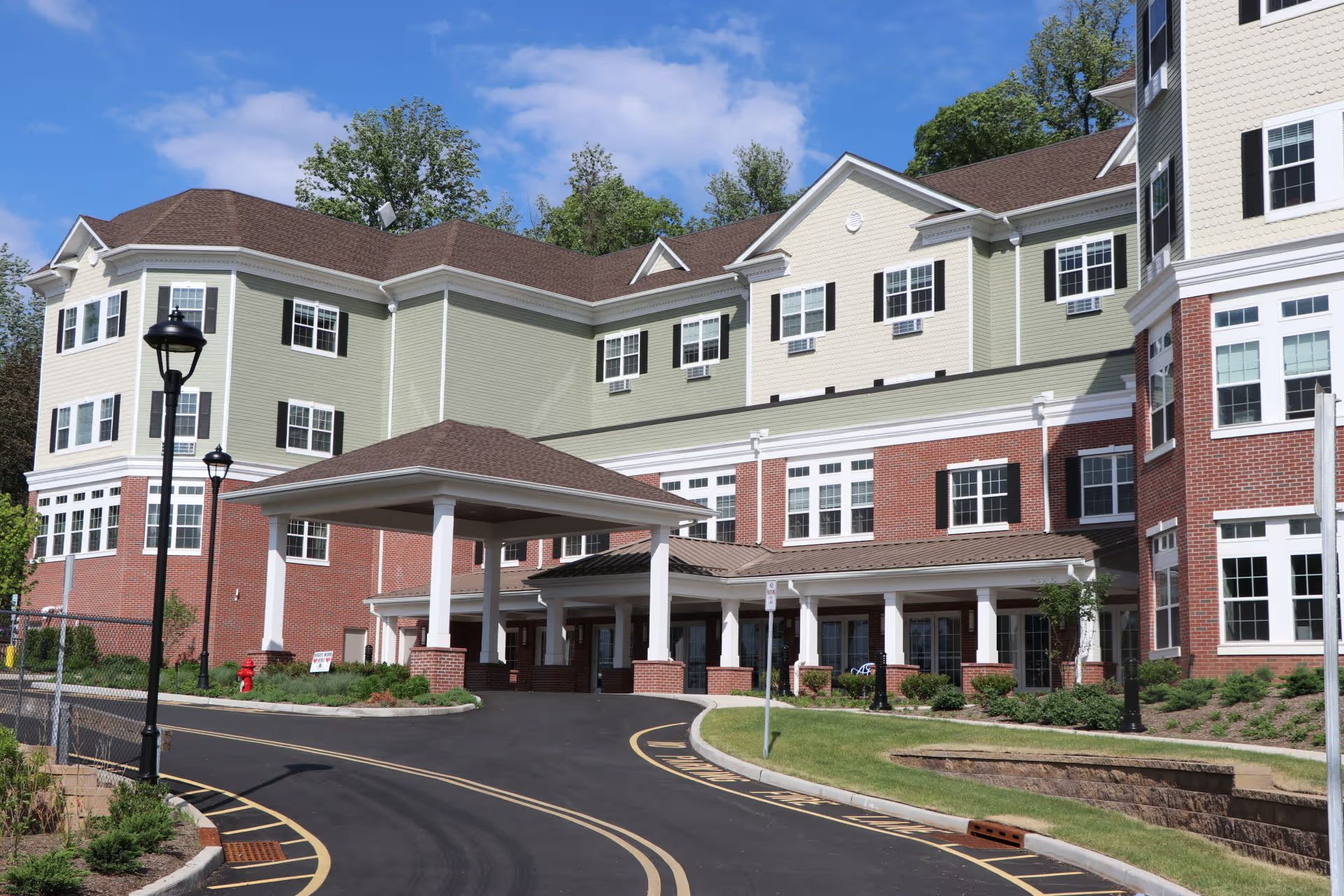
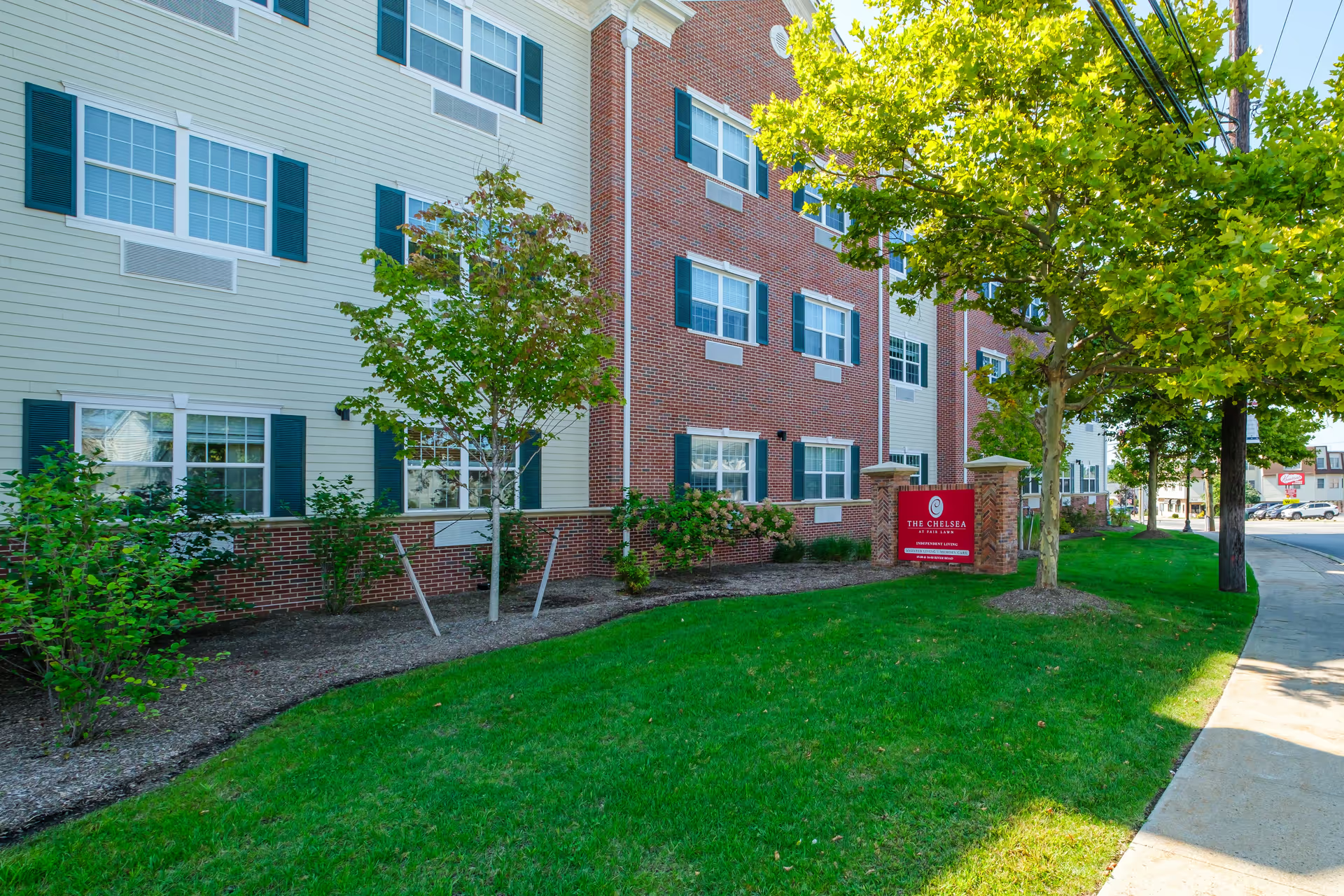
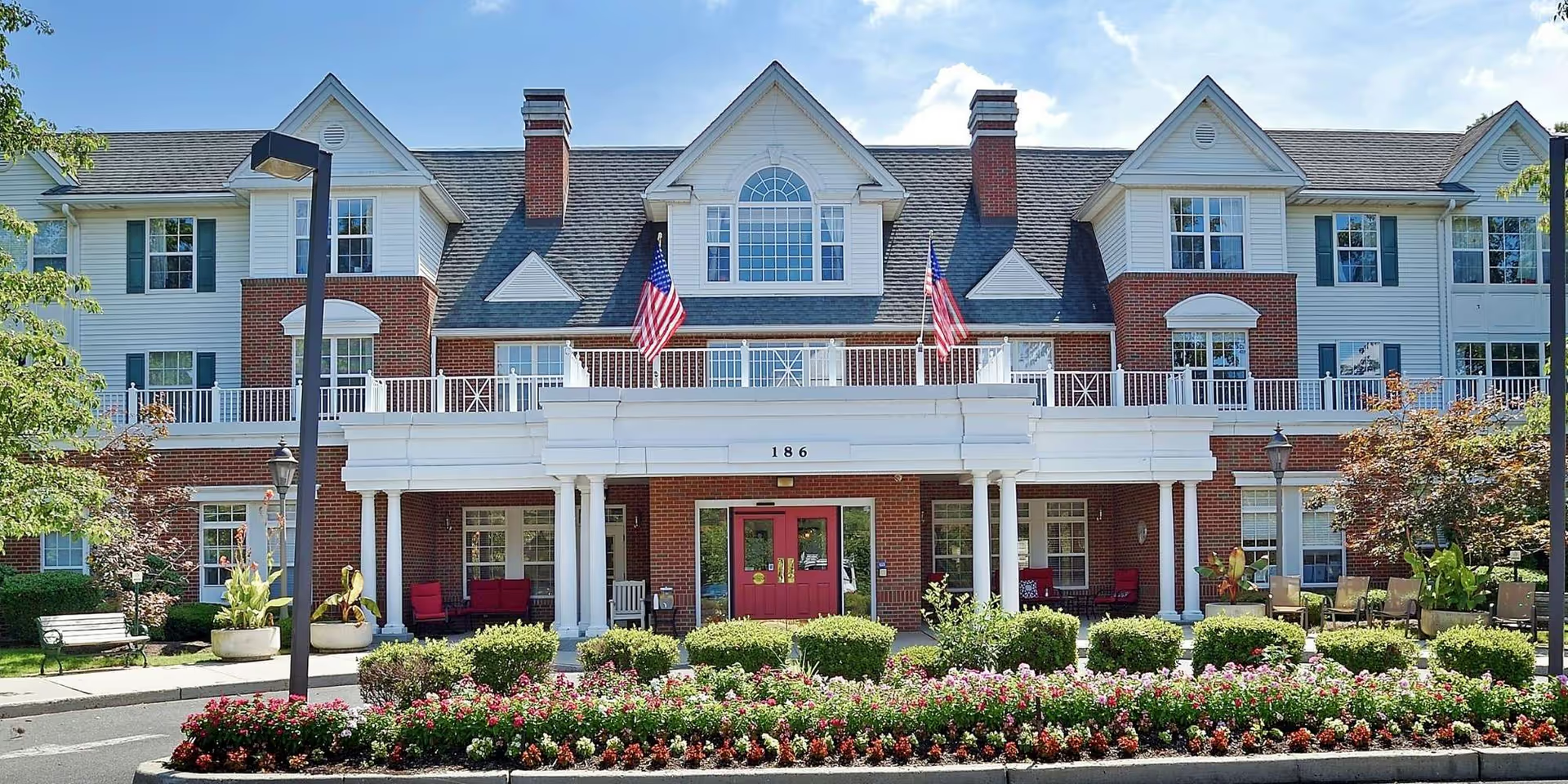
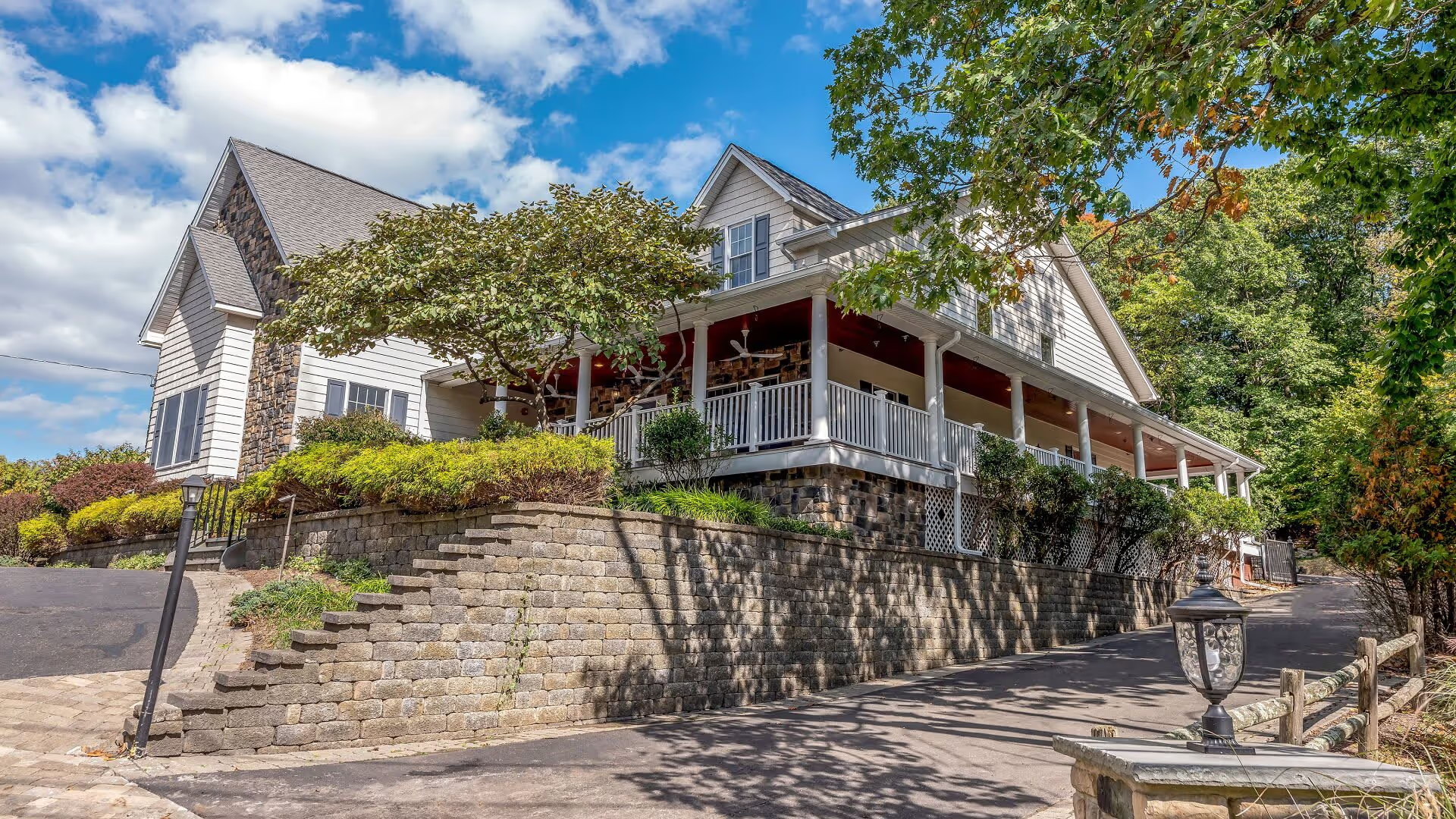
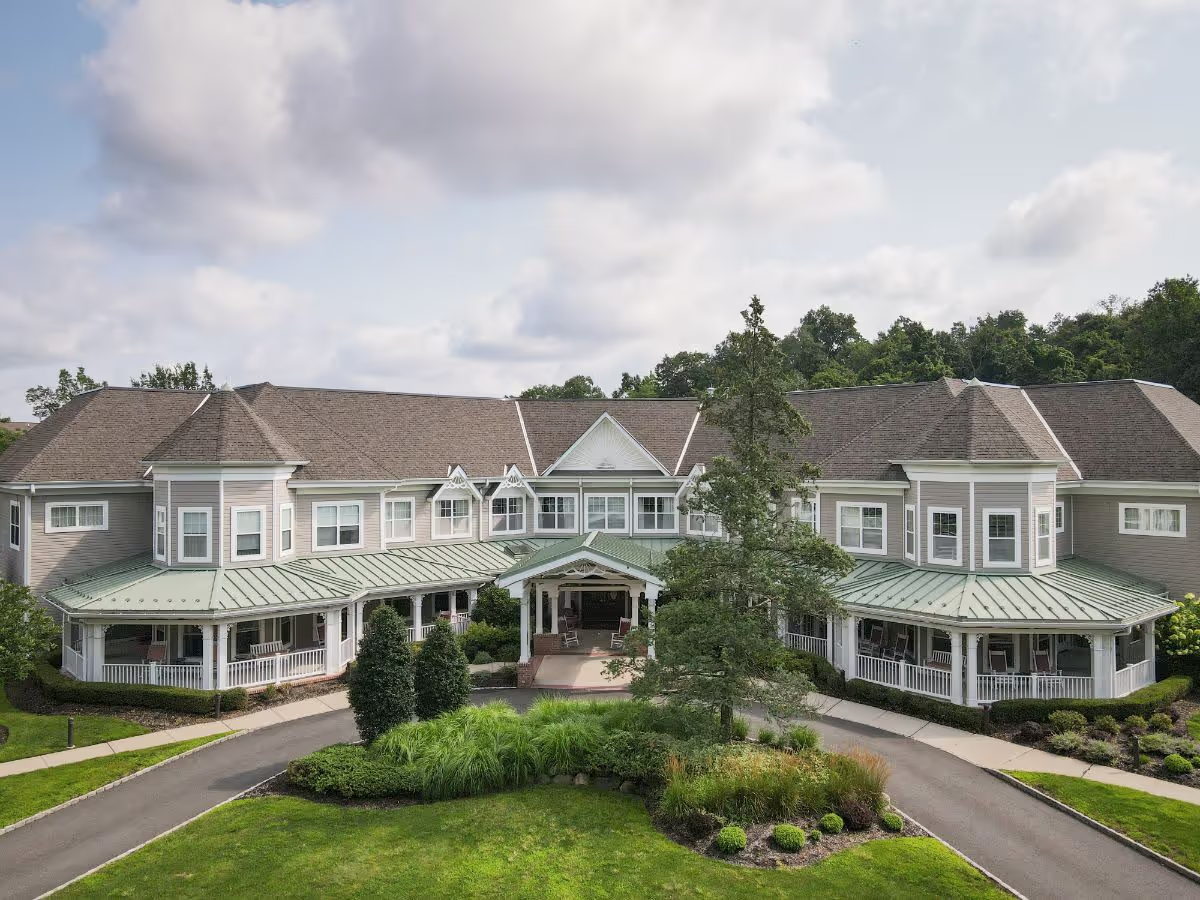
Dining and daily-living services are experienced unevenly: some residents praised meals and dining amenities, while others noted repetitive menus, inconsistent cooking quality, and reduced meal service at certain times. Activity programming and cultural offerings are a relative strength and are often singled out as meaningful to resident quality of life. The physical facilities vary by unit and age — certain areas or new apartments are noted as modern, bright, and well-maintained, while other wings feel older and more in need of updates.
In summary, Atlas demonstrates notable clinical and interpersonal strengths, particularly in rehabilitation and in the commitment of specific nursing and therapy staff. Prospective residents and families should weigh these strengths against operational inconsistencies: variable staffing and housekeeping, communication and discharge-coordination gaps, dining variability, and occasional concerns about medication and wound-care practices. Visits that include unit-level tours, meetings with therapy and nursing leadership, and clear conversations about staffing, incident-notification policies, and discharge planning will help clarify whether the facility’s current performance matches a particular family’s expectations and clinical needs.