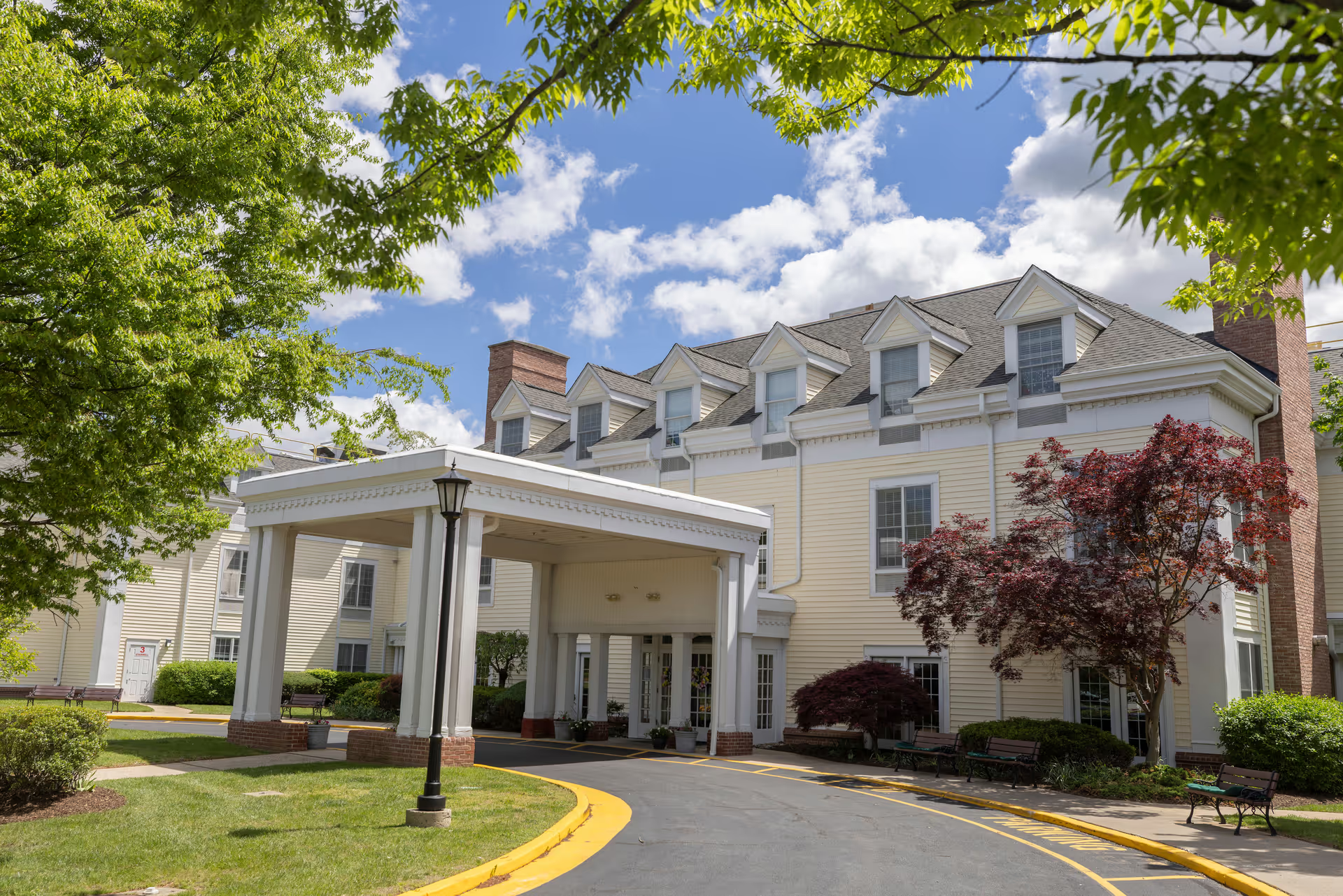
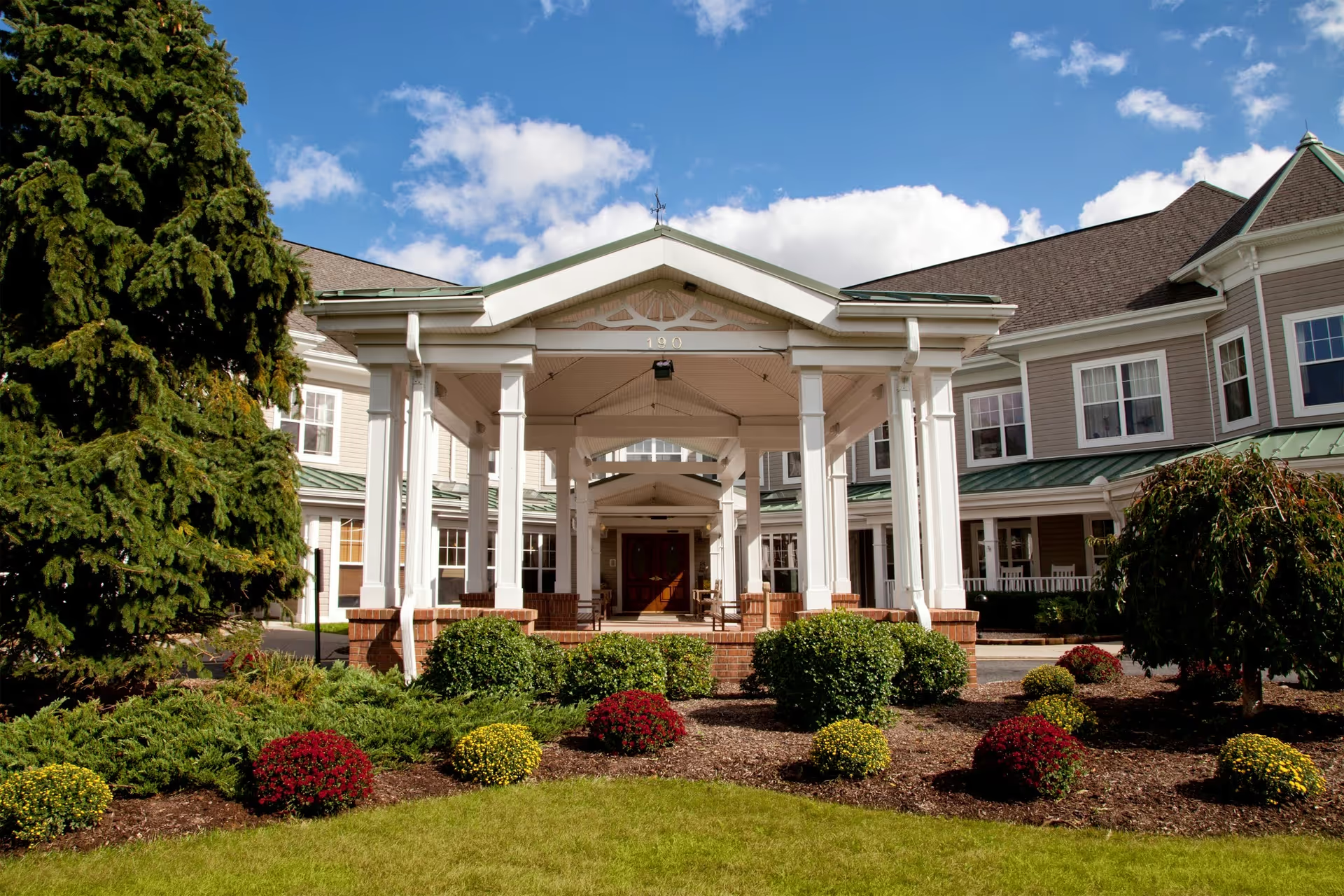
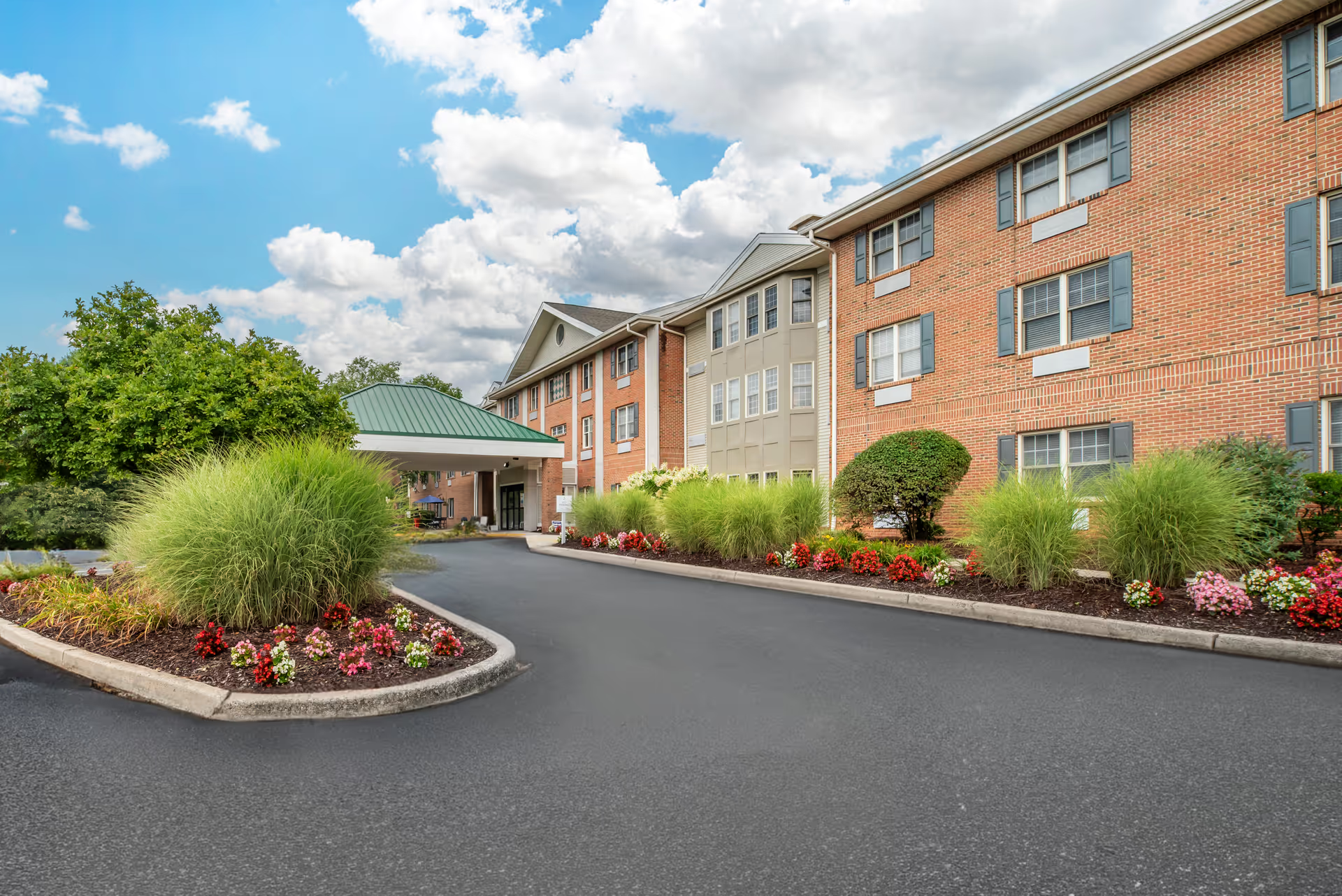
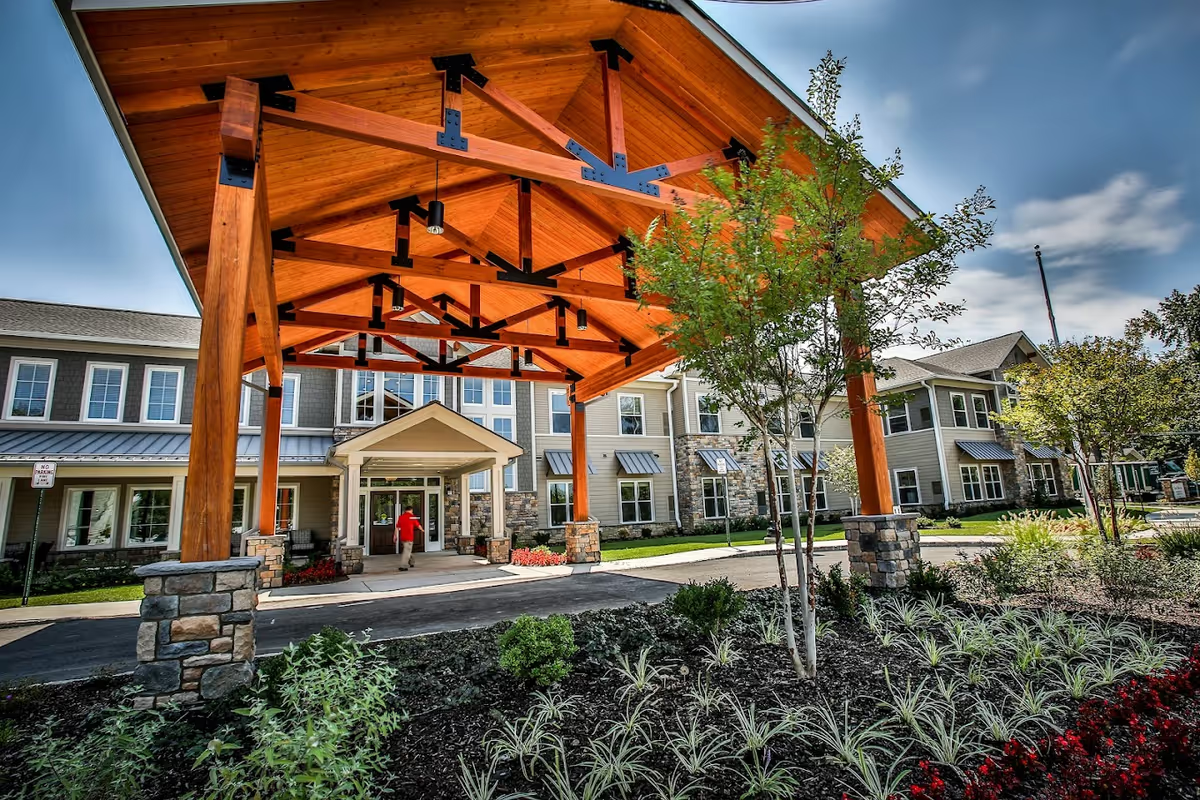
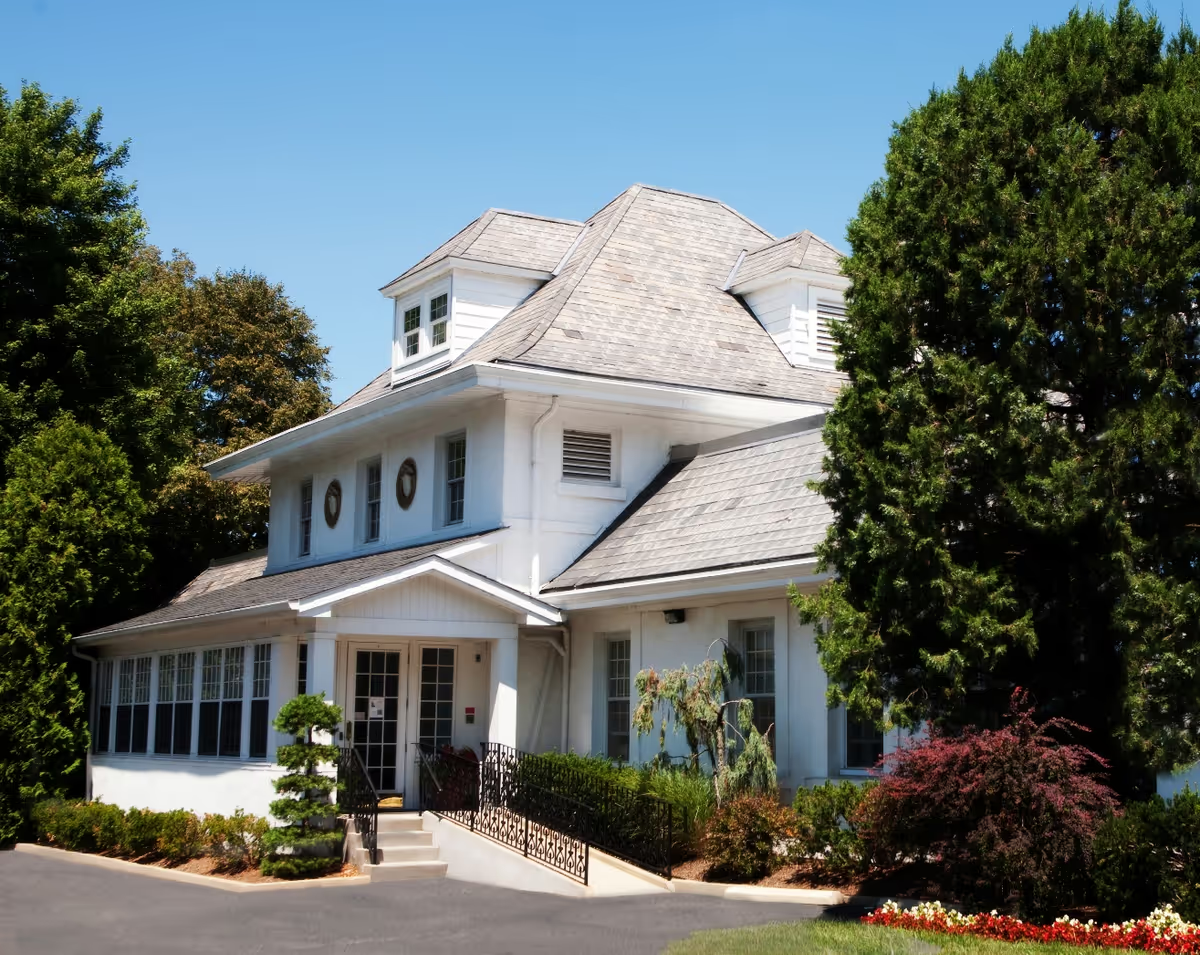
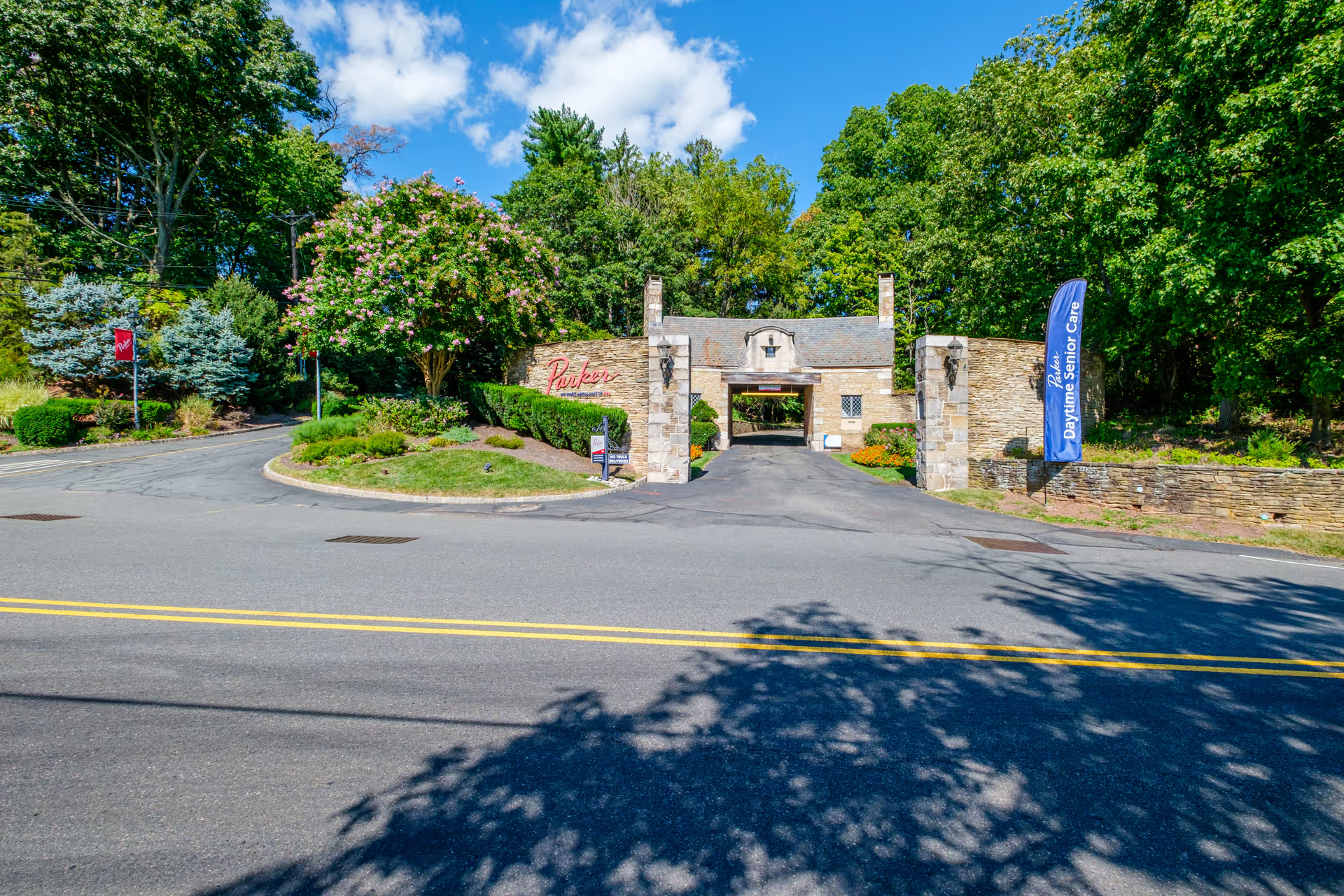
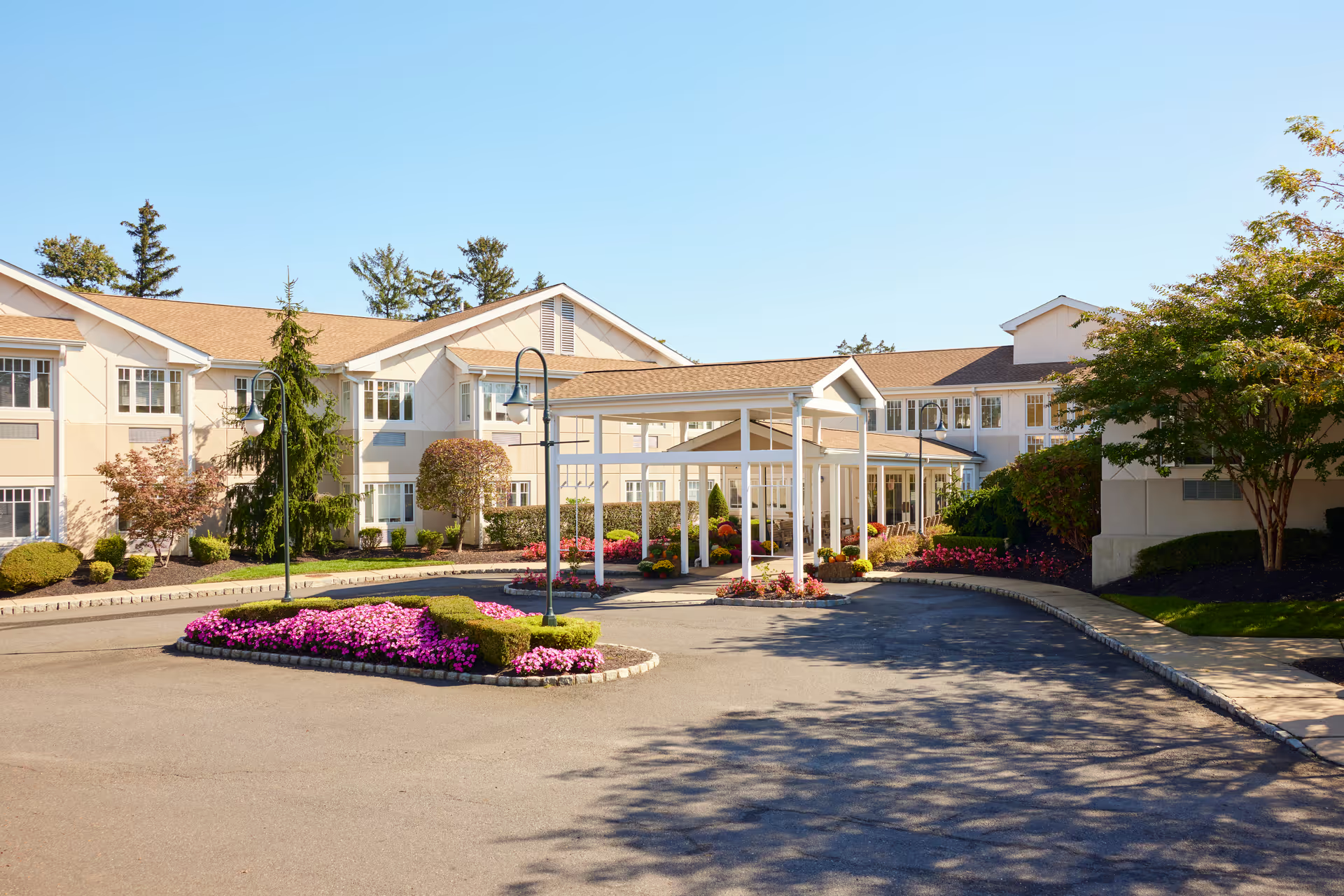
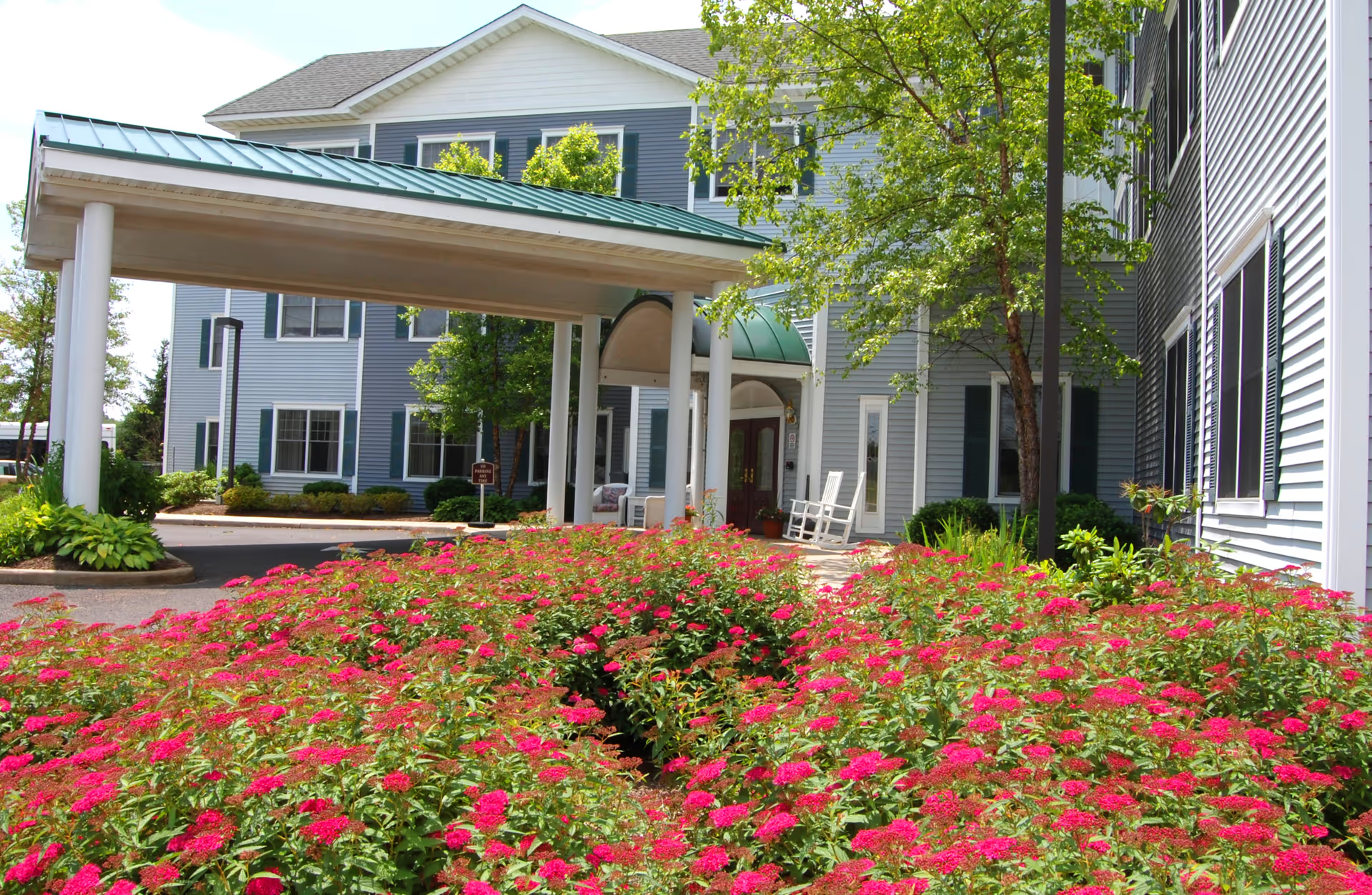
CareOne at East Brunswick is consistently described as a new, upscale assisted living and memory-care campus with hotel-like finishes, well-kept public areas, and a range of resident amenities. Families frequently highlight the facility’s clean, bright design, accessible room features, and multiple indoor and outdoor gathering spaces including a large patio, indoor balcony and screening room. The environment and physical layout are generally presented as easy to navigate and supportive of social engagement.
The most commonly cited strength is the staff and clinical team. Reviewers note compassionate, attentive caregiving from care partners, licensed nurses, and med-techs, as well as visible, hands-on leadership and an engaged administrator. The site’s dementia program and dementia specialist are repeatedly praised for education, staged memory-care programming, and family-facing memory cafés or classes. Several comments emphasize effective clinical coordination, access to a physician team, and thoughtful end-of-life/hospice coordination conducted with dignity.
Dining and activities receive substantial positive attention. The community offers restaurant-style dining, buffet options, 24-hour snacks, themed amenities such as an ice cream parlor, and a broad calendar of activities — outings, arts and crafts, Bingo, entertainment, and monthly family nights. Many families describe residents as engaged, socially active, and enjoying the menu choices. That said, there are notes about variability: some families feel the kitchen could be more attentive to individual dietary needs and preferences, and a few describe the food as merely adequate rather than exceptional.
Notable operational patterns to consider relate primarily to consistency and staffing. Multiple comments raise concerns about understaffing at times, which is linked to uneven direct-care coverage and gaps in activity staffing in memory-care areas. Family communication and responsiveness can be inconsistent; examples include delays in returned calls or uneven information flow during clinical changes. There are also isolated operational issues such as errors in laundry/personal-belongings handling and occasional concerns about staff professionalism. A small number of accounts reference changes in care consistency during infection-control or transition periods, which some families felt affected service levels.
Overall, the balance of feedback is positive, with strong endorsement of the facility’s dementia expertise, leadership visibility, and amenity-rich environment. Prospective families should consider on-site visits and direct questions about staffing ratios, activity staffing in memory care, protocols for dietary accommodations, laundry and belongings management, and the facility’s communication practices during clinical transitions or infection-control events to ensure those operational areas meet their expectations.