ExcelCare at Egg Harbor presents a mixed but measurable pattern of strengths and operational weaknesses. The facility's rehabilitation services, including physical and occupational therapy, receive frequent praise for producing tangible mobility improvements and successful discharges to home. Many reviewers singled out specific therapists and CNAs for being skilled, encouraging, and effective in therapy progression. A consistent theme among positive accounts is strong hands-on care from aides and nursing staff, an active and engaging activities program, and a welcoming front-desk and concierge presence that families found reassuring.
Clinical care shows a dual picture. On the positive side, nurses and aides are often described as attentive, communicative, and capable of delivering individualized care plans, pain management adjustments, and dietary accommodations. On the other hand, there are repeated operational concerns about medication administration processes, delays in responding to call lights, and lapses in timely clinical escalation or hospital-transfer decisions. These process gaps have the potential to affect resident safety and family confidence and should be clarified during a tour or admission discussion.
Dining and activities are commonly cited as strengths; many residents and families praised the food, variety, and social programming that support engagement and recovery. However, accounts of inconsistent meal delivery and variable food quality indicate that dining experience may fluctuate by unit or shift. The activities department is frequently described as proactive and a positive contributor to resident well-being.
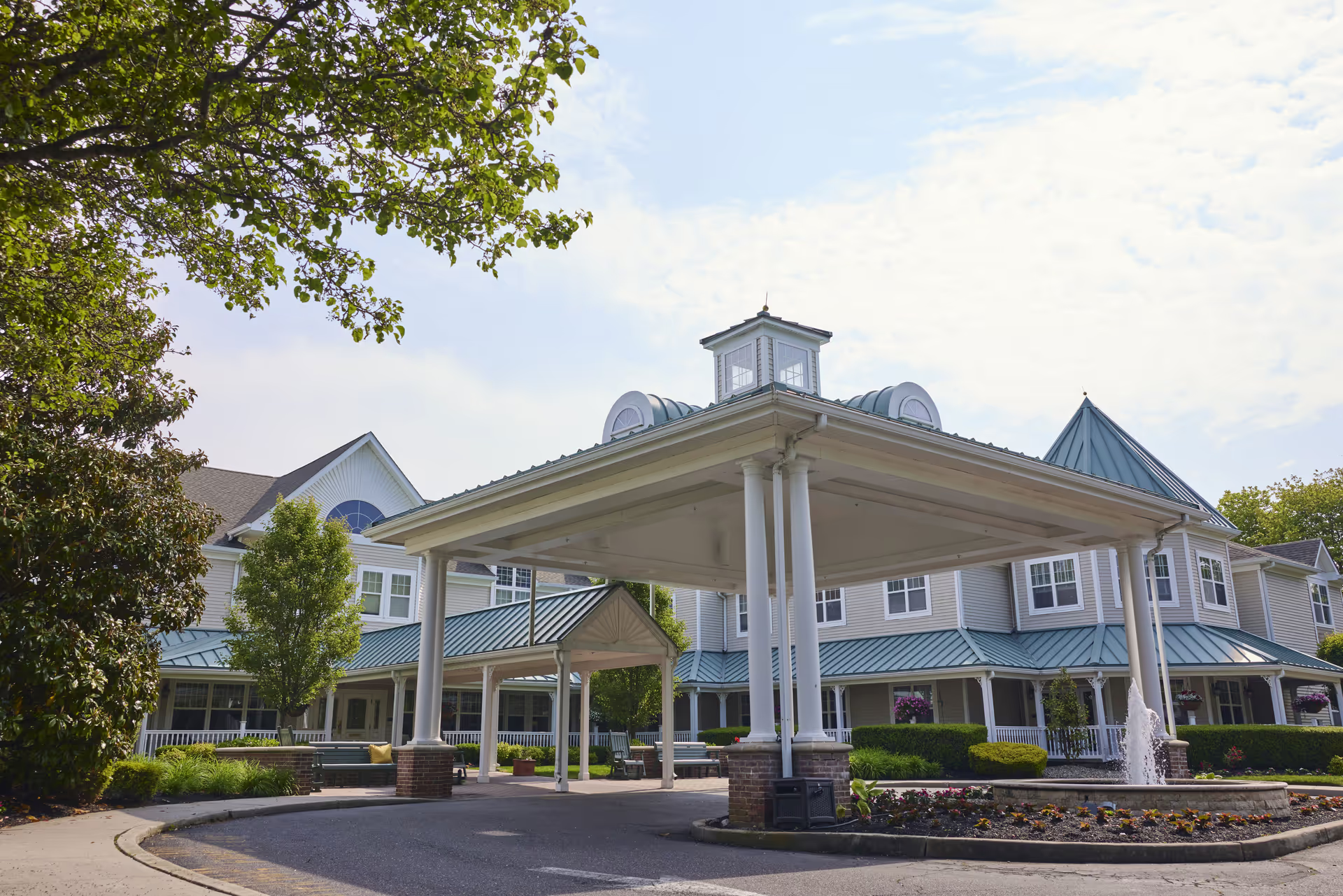
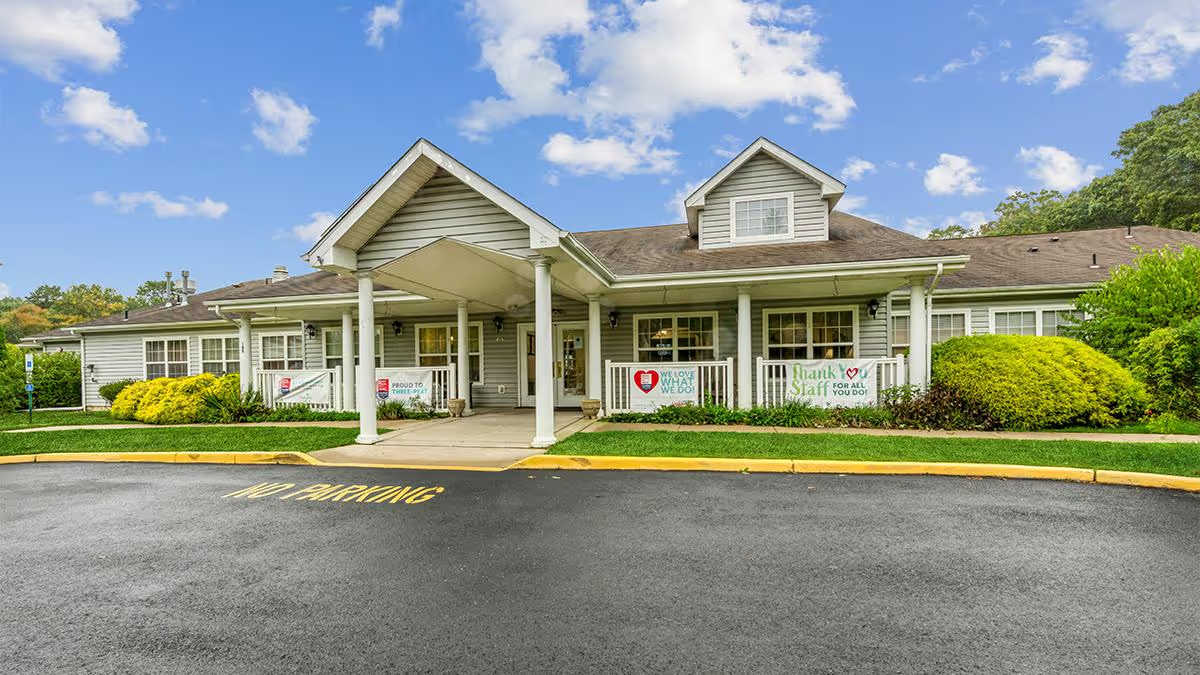
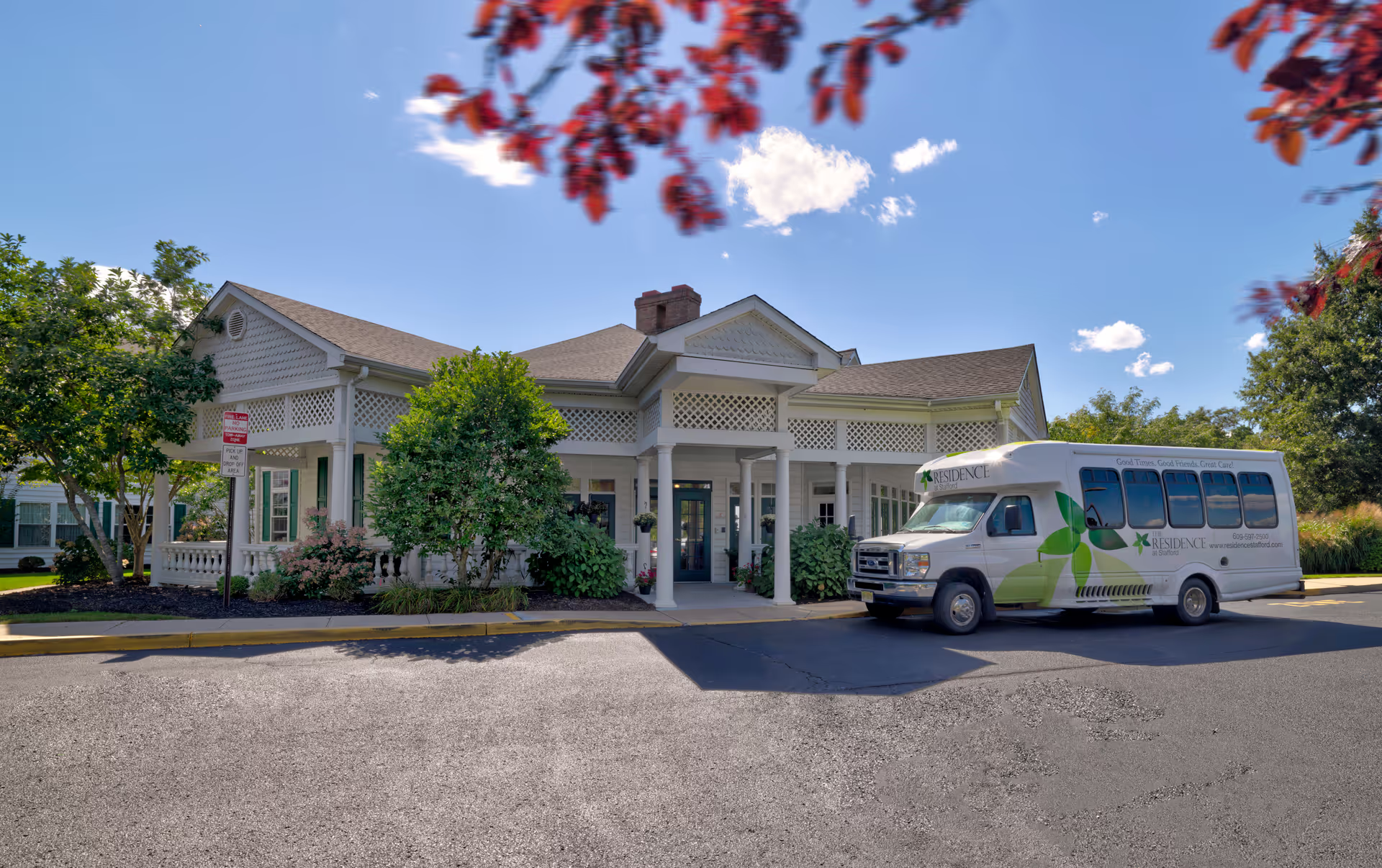
Facility condition and environment are described in contrasting terms. Public areas, the lobby, and therapy spaces are frequently characterized as clean, modern, and pleasant, with amenities such as an impressive entry and aquarium noted. At the same time, some resident rooms and furnishings show evidence of wear, and reviewers raised maintenance and material-quality concerns. Cleanliness is generally noted as good for shared spaces, though there are isolated sanitation concerns and reports of inconsistent incontinence-care practices in some units.
Management and communication receive mixed assessments. Several staff members (social-work and concierge roles are commonly named) were highlighted for effective communication, advocacy, and family support. Conversely, families described inconsistent documentation, missing discharge summaries, sudden discharge decisions, and periods of poor frontline communication—issues that indicate variability in administrative follow-through. There are also serious individual allegations related to personal-property mishandling and billing/financial concerns that families should review with administrators and the ombudsman as part of due diligence.
Patterns suggest variability by shift and unit: daytime staff and therapy teams are more consistently praised, while overnight or low-staffed periods are where responsiveness and professionalism concerns are more likely to appear. Prospective residents and families should ask targeted questions during tours about current staffing ratios, medication administration protocols, incident escalation and transfer procedures, documentation and discharge practices, property-safeguarding measures, and how the facility manages visitation during infection-control events. Observing multiple shifts, speaking with the director of nursing and social worker, and reviewing recent inspection or quality reports will help clarify whether the facility’s positive practices are reliably applied across all units and times.