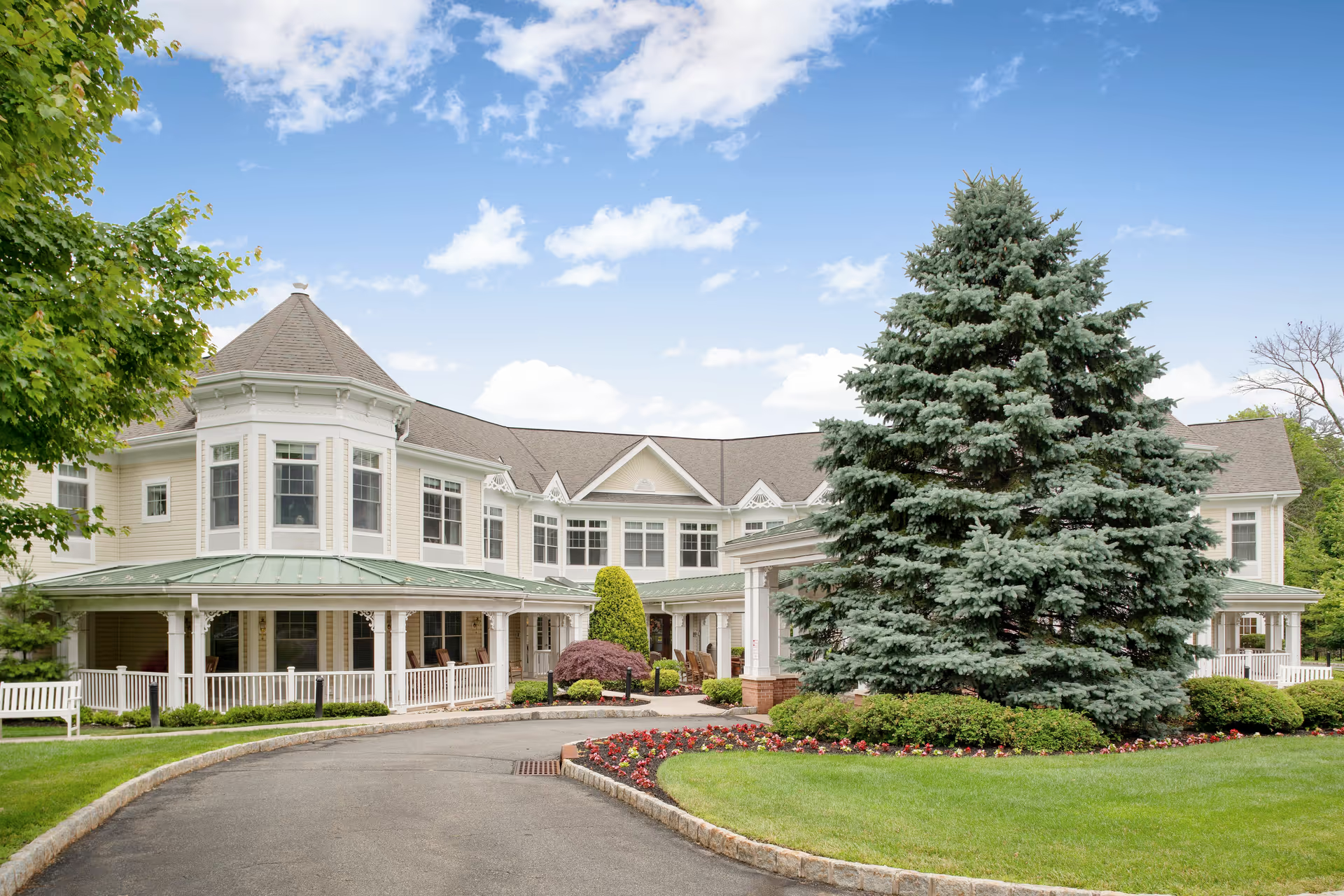
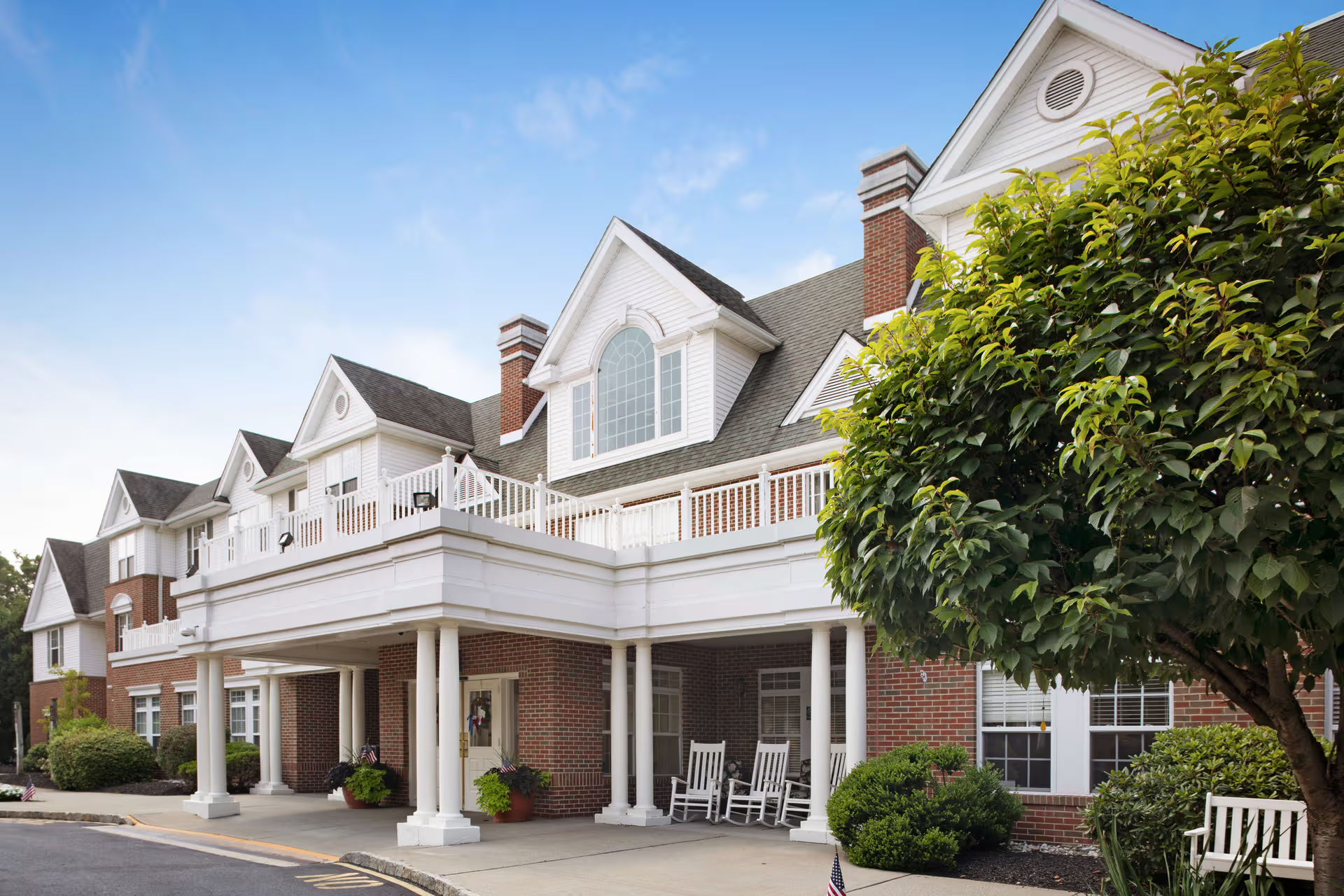
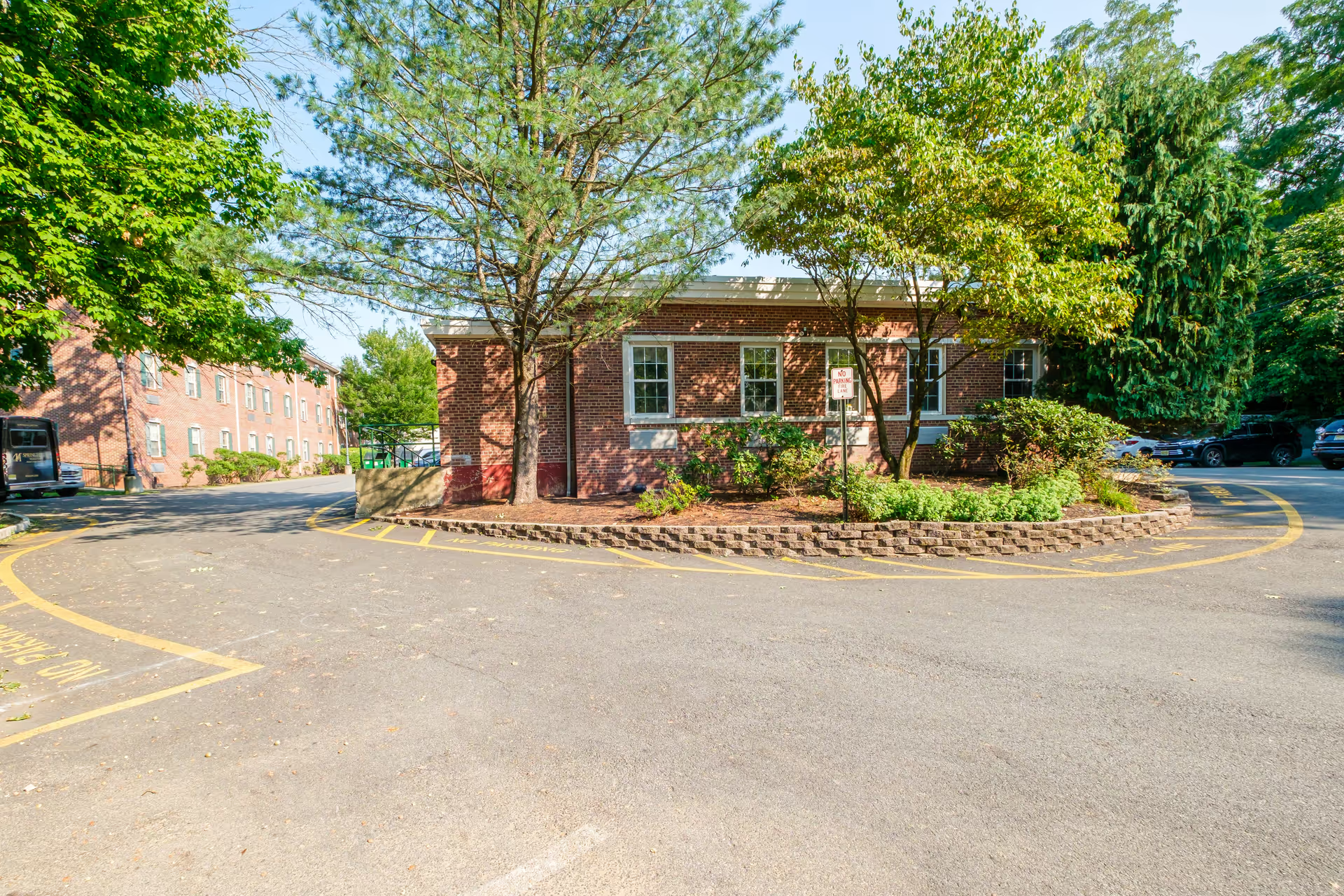
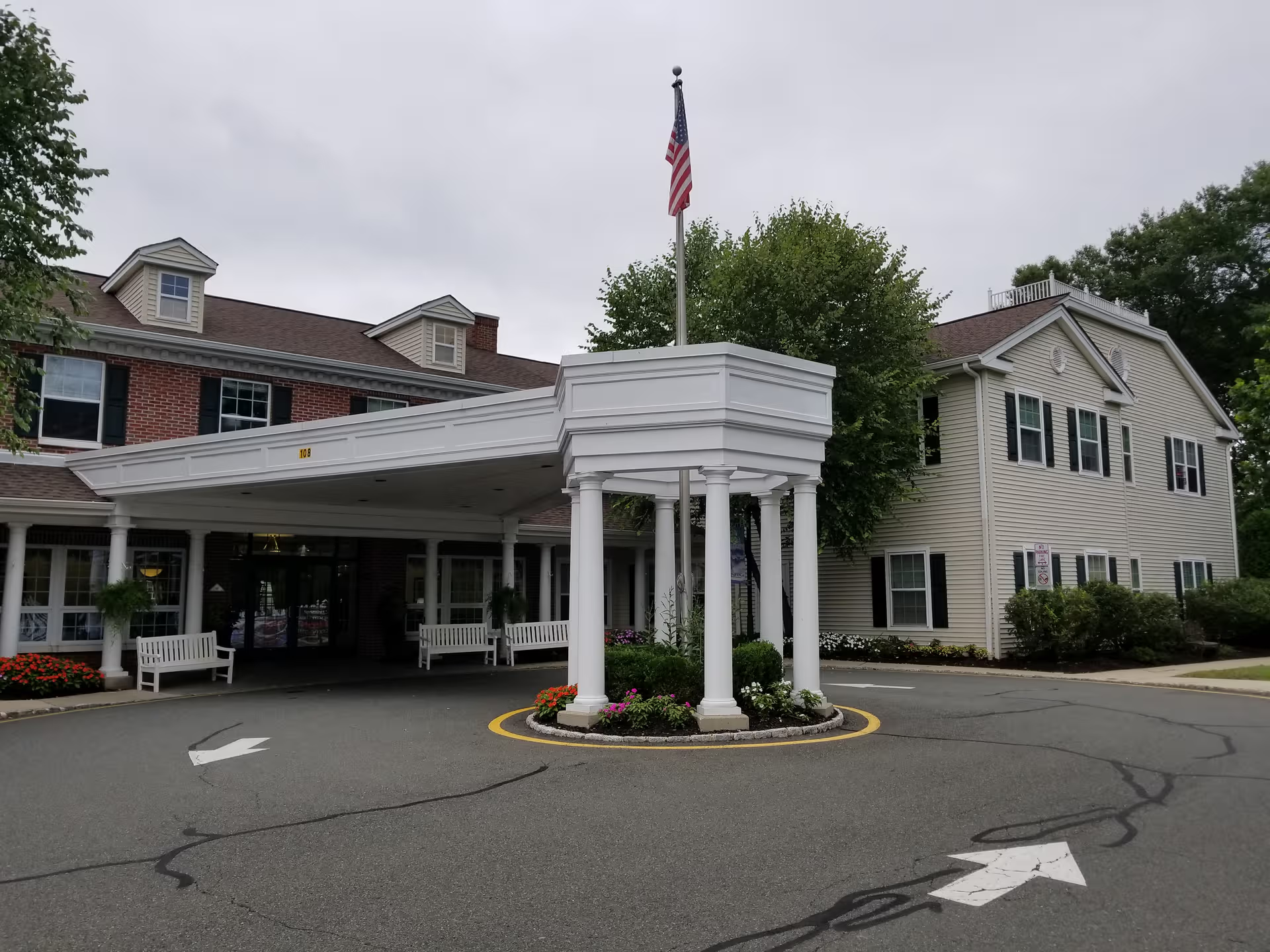
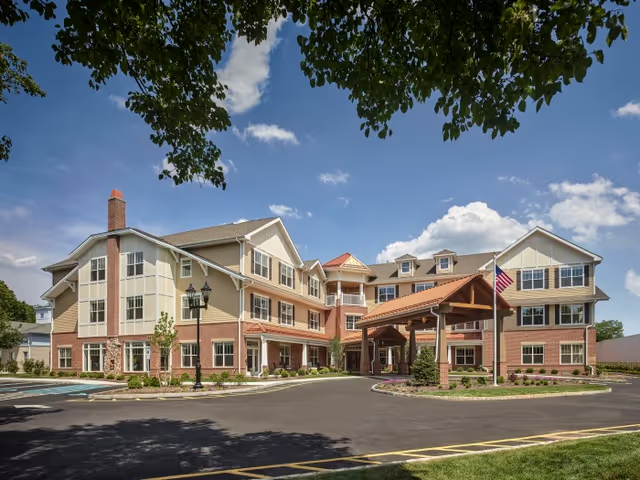
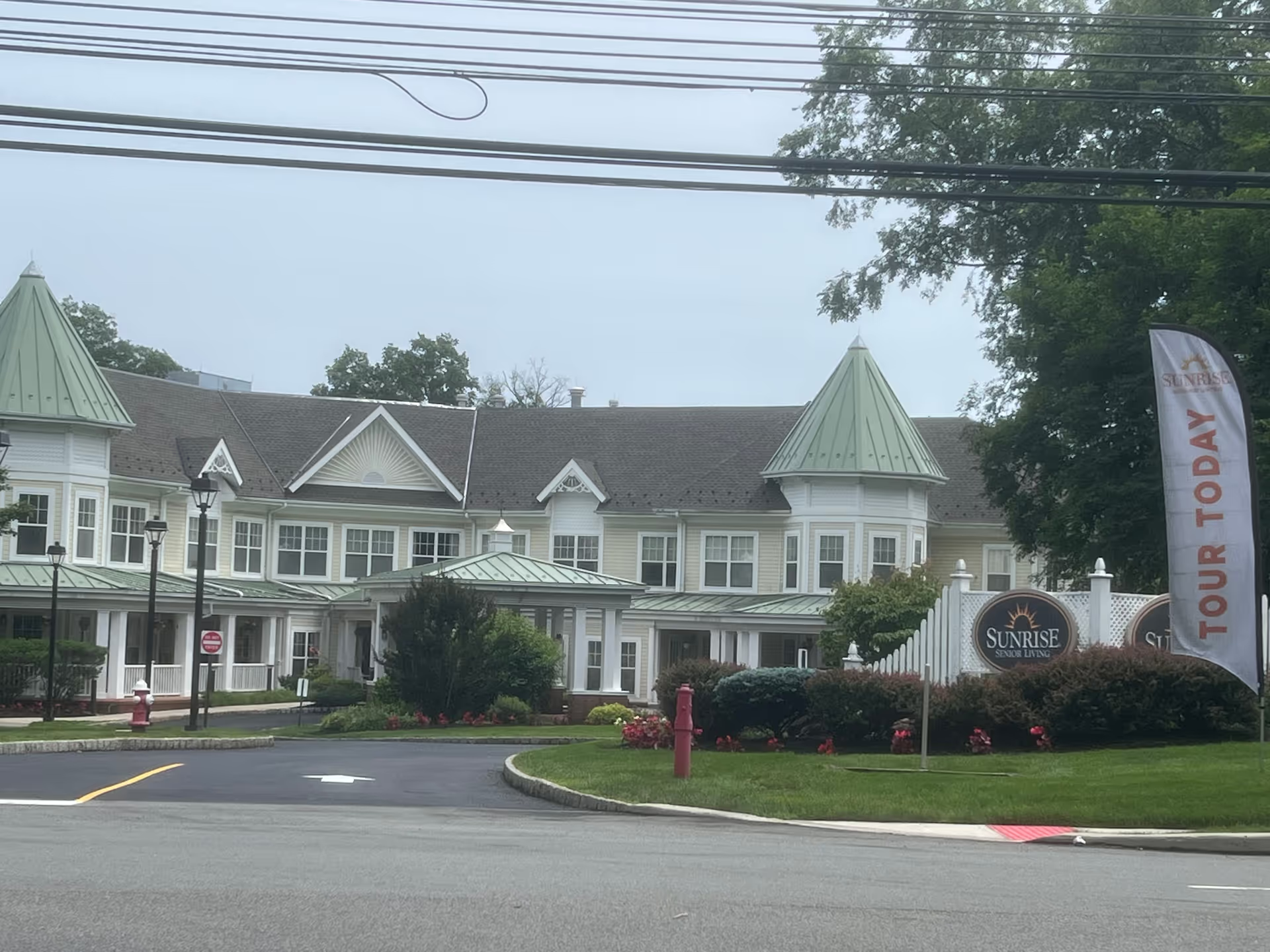
Overall impression: The Villa at Florham Park is frequently described as a clean, well-maintained, and recently renovated rehabilitation and senior care facility with modern amenities, private rooms, and attractive common spaces including an accessible courtyard. Many families praise the facility environment and housekeeping, and a clear strength across reviews is the facility’s rehabilitation focus: physical and occupational therapy teams, up-to-date equipment, and individualized therapy plans are repeatedly credited with measurable recovery outcomes for short-term residents.
Care and staff: Most accounts emphasize compassionate, attentive caregivers and therapists who engage residents and deliver effective short-term rehab. Several reviewers singled out specific nurses, therapists, receptionists, and administrative staff for positive interactions and helpful coordination. At the same time, there is a notable minority of reviews raising operational and clinical concerns: inconsistencies in nursing care quality, missed medications, documentation lapses, and unreliable call-response have been described. These issues suggest uneven clinical oversight and variability in front-line practice depending on unit, shift, or staff member.
Dining and nutrition: Feedback on dining is mixed. Some families describe enjoyable meals with dietitian support and sensitivity to preferences, while others cite inconsistent food quality and occasions where meals were not nutritionally balanced. External meal costs and variability in presentation or taste were also noted. The presence of nutrition support is a positive, but execution of consistent meal service appears uneven.
Activities and social life: The facility offers a range of social and seasonal activities, and several reviewers praised bright, engaging programming and proactive therapy-driven socialization. However, a number of comments indicate limited social interaction for some longer-stay residents; new ownership and activity expansion were mentioned, suggesting programming is evolving and may improve over time.
Facilities and safety: The physical plant, cleanliness, and comfort are consistently reported as strengths. Conversely, a subset of reviews raised safety supervision and incident-response concerns—including lapses in supervision, documentation of follow-up, and isolated safety incidents—that point to areas needing operational reinforcement. These concerns are operational in nature and indicate the facility would benefit from stronger risk-management protocols and staff training.
Management and communication: Administrative experiences are mixed. Many reviewers describe engaged, helpful administration and responsive reception staff; others describe lapses in communication, delayed physician updates, unclear subacute care plans, forced room transitions without adequate notice, and dissatisfaction with pricing transparency (including a substantial rate increase in one account). There are also a few mentions of limited bereavement or end-of-life family outreach. Together these items indicate variability in leadership responsiveness and consistency of family communication.
Notable patterns and recommendation guidance: The dominant themes are strong rehab capability, skilled therapists, a clean and comfortable environment, and numerous accounts of compassionate staff. Counterbalancing that are intermittent but significant operational concerns around medication administration, documentation, family communication, meal consistency, and safety supervision. Prospective residents and families planning short-term rehabilitation can expect effective therapy and a pleasant environment in many cases, but families considering longer stays or those requiring high-dependency nursing should ask targeted questions about medication management protocols, call-response times, care-plan documentation, safety procedures, activity offerings for longer-stay residents, and recent staffing or ownership changes. Requesting recent staffing metrics, medication-audit results, example care plans, and written policies on family communication and bereavement outreach can help clarify whether the facility’s operational practices align with a particular resident’s needs.