Royal Suites presents a mixed but distinct profile: its strongest and most consistent asset is rehabilitation. The facility’s physical, occupational, and speech therapy services — supported by a well‑equipped gym and engaged therapists — are frequently cited as instrumental in patient improvement and discharge home. The activities department is another clear strength, with daily programs, live entertainers, arts-and-crafts, special events and pet therapy that contribute to resident engagement and socialization.
Clinical care receives divided assessments. Many families and patients describe compassionate, attentive nurses, CNAs, and highly capable therapists; several named nursing leaders and therapists are praised for hands-on attention and follow-through. At the same time, reviewers describe variability in staff performance: agency personnel, night and weekend shifts, and certain aides or nurses are sometimes perceived as less responsive or inconsistent. Operational patterns linked to staffing shortfalls include delayed responses to call bells, long waits for assistance with toileting or transfers, and inconsistent bathing or linen schedules. There are also repeated mentions of medication availability and administration gaps that merit careful review prior to admission.
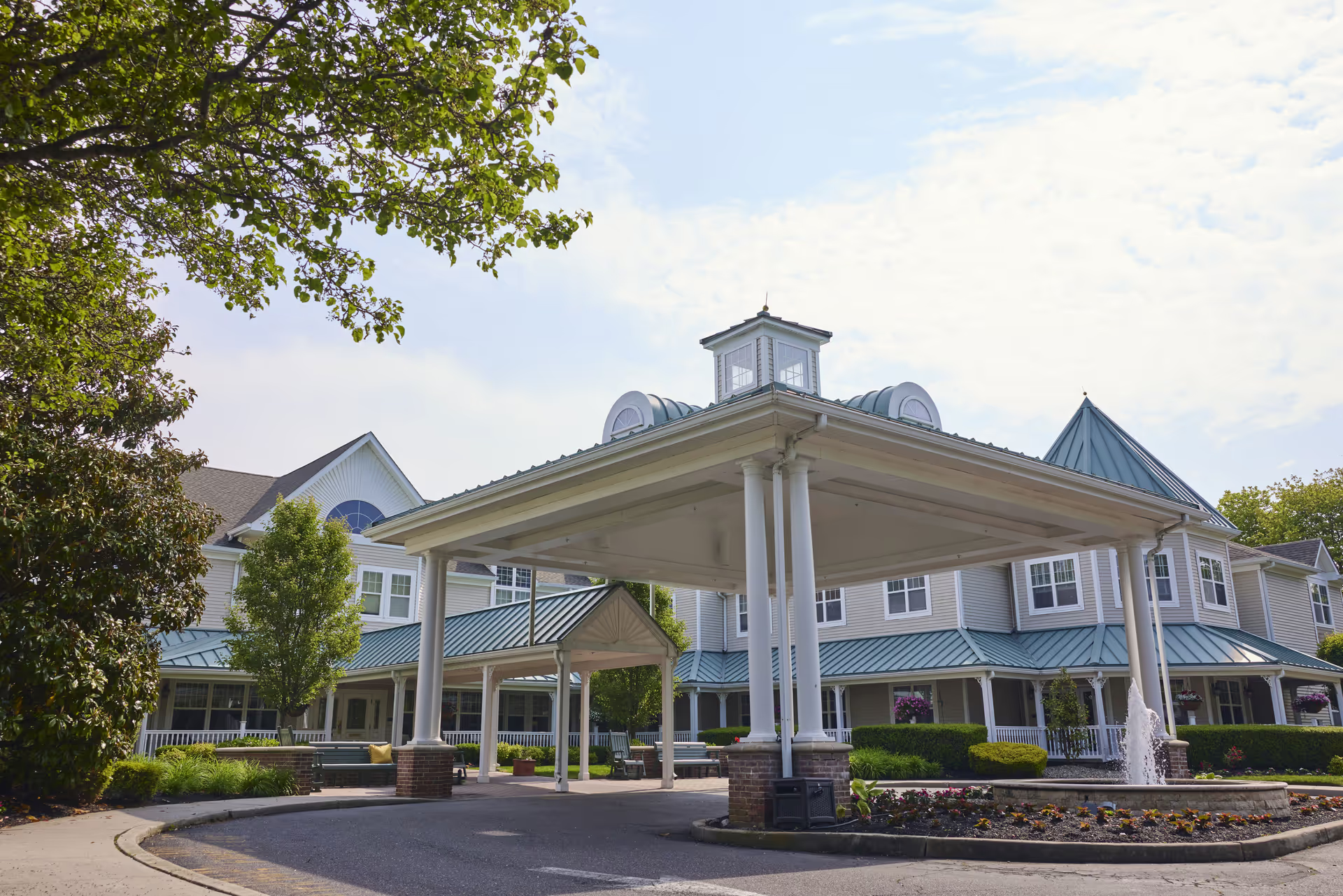
Dining and housekeeping feedback is similarly mixed. Some reviewers commend generous portions, varied menus, and improvements implemented via a food committee; others consistently cite cold meals, menu errors, and uneven meal service. Housekeeping and the facility’s physical plant are generally described as clean and recently renovated, especially in public and therapy areas, but cleanliness and sanitation inconsistencies are noted in certain units or rooms, sometimes accompanied by odor concerns and delayed linen changes.
Management and communication show variability. Admissions staff, social workers, and some administrators receive positive remarks for being welcoming and helpful; however, families also report uneven communication about clinical status, therapy progress, and incident follow‑up. Several accounts point to the need for more proactive updates, clearer coordination between nursing and therapy, and more consistent escalation when clinical issues arise. Weekend hospice coverage and end‑of‑life coordination are cited as specific gaps by some families.
Notable patterns and risk areas: while many experiences are strongly positive — especially around rehab and activities — there is a substantive minority of accounts describing serious care lapses, including delayed clinical responses, pressure injuries, infection‑related hospital transfers, and fall incidents. There are also isolated allegations concerning item mishandling and staff conduct that families considered significant. These items suggest variability in quality that appears tied to staffing levels, shift patterns, and unit-level supervision rather than facility design.
Advice for prospective residents and families: observe the specific unit you would occupy (cleanliness and staffing can vary by floor), ask for a written therapy schedule and medication‑management plan, confirm weekend hospice and after‑hours clinical coverage, and clarify call‑bell response expectations and toileting/bathing frequency. Royal Suites offers strong rehabilitation and an active social environment, but prospective admissions should weigh those strengths against the documented variability in staffing, communication, dining temperature/consistency, and clinical incident response.