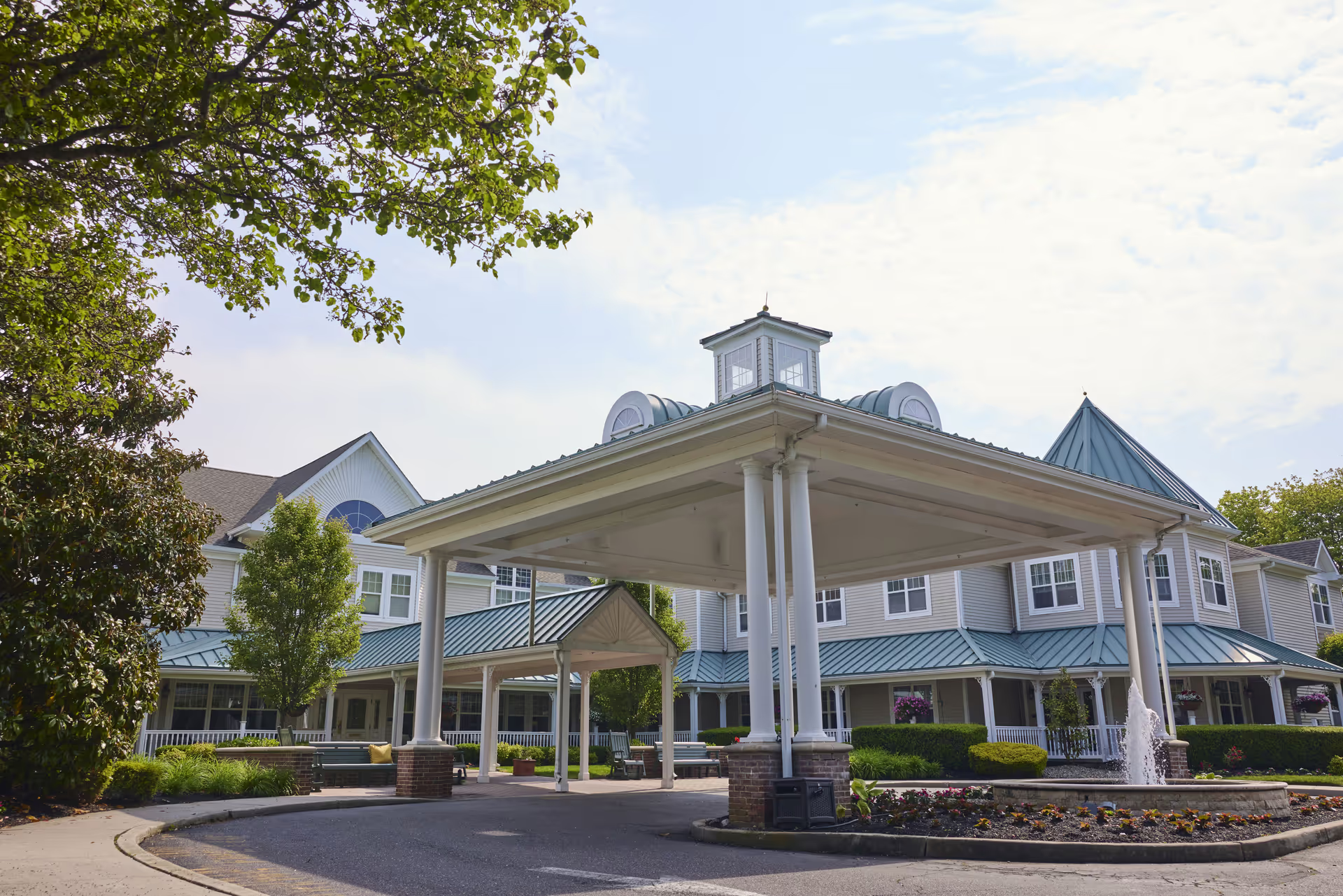
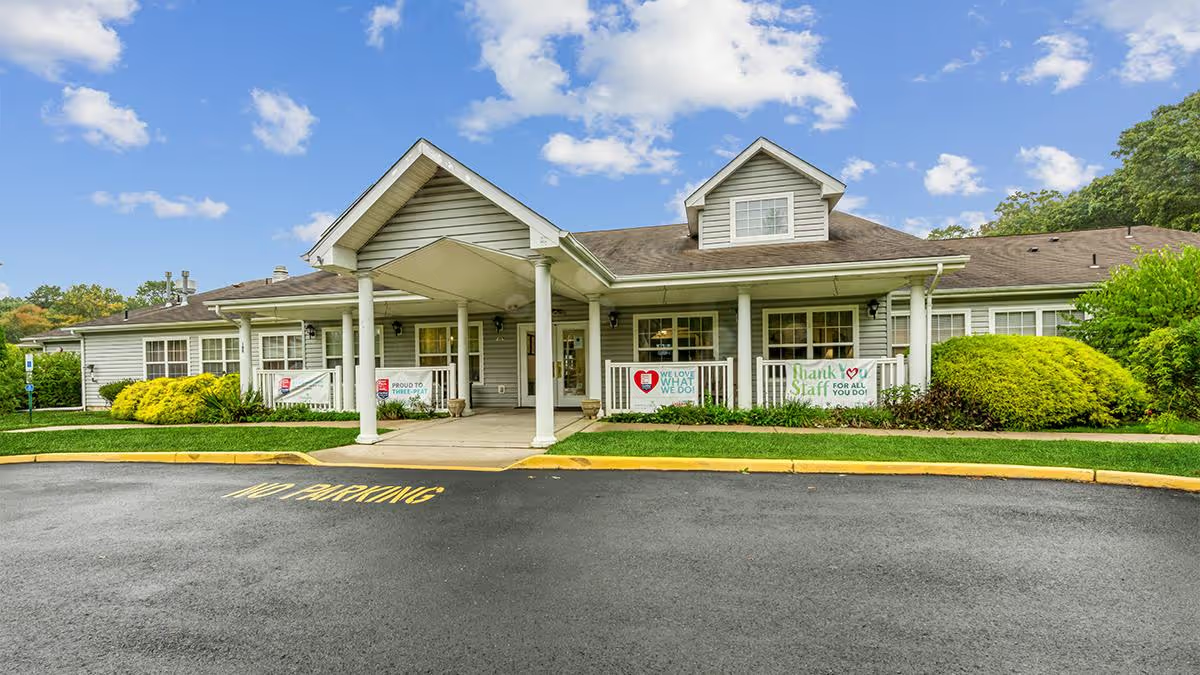
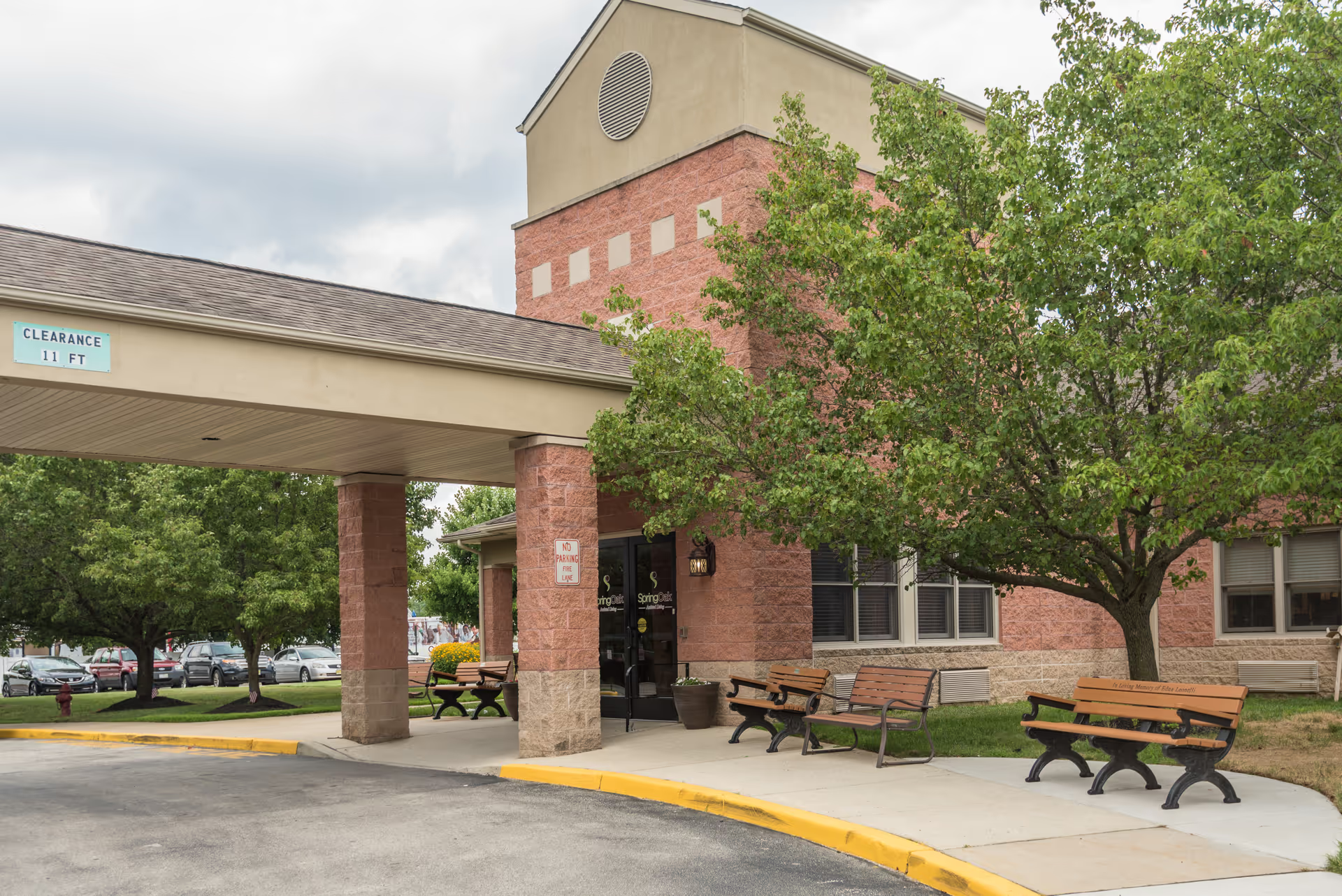
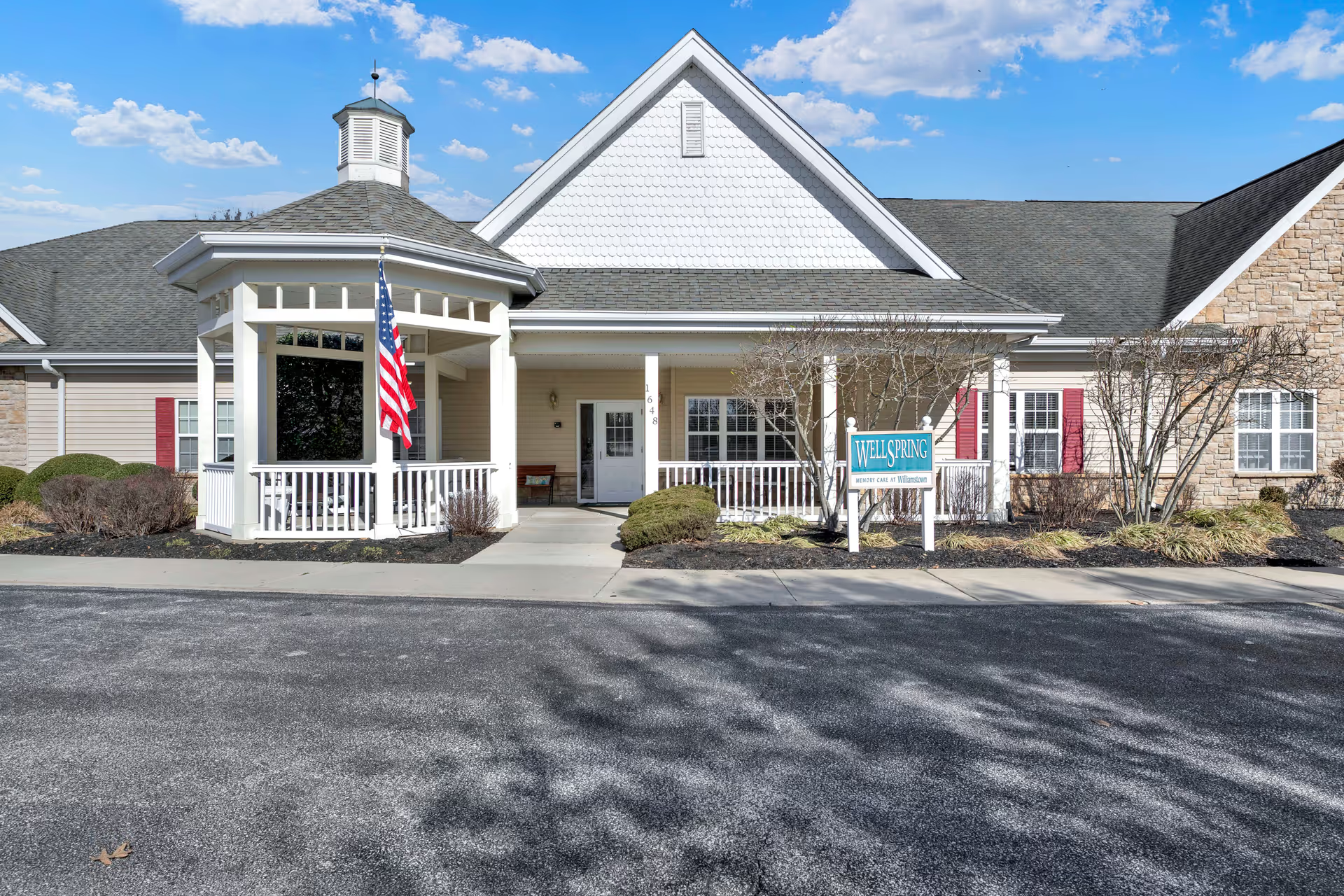
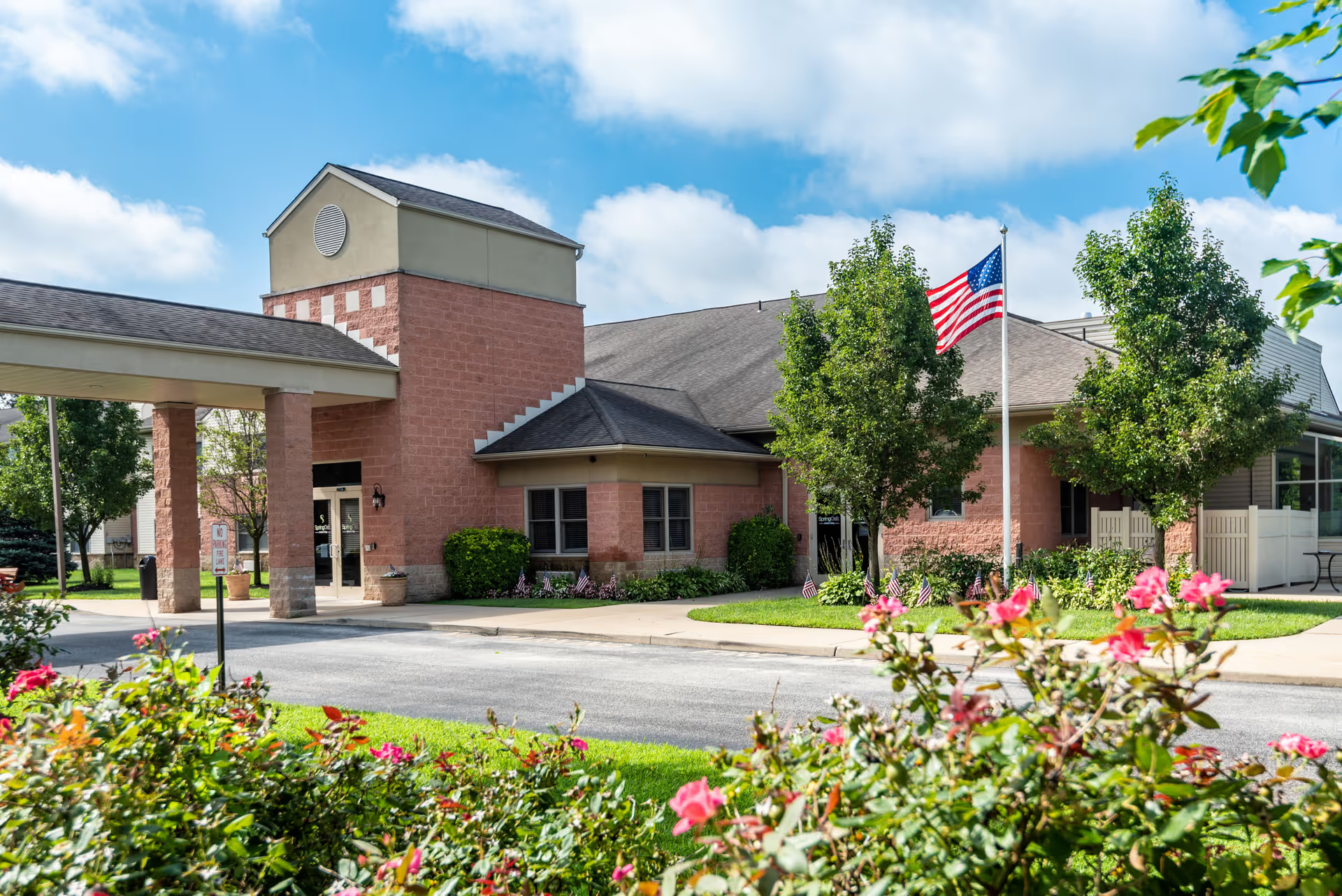
The Health Center at Galloway elicits sharply mixed impressions. Many families and former residents praise the facility’s rehabilitation services, naming physical and occupational therapy teams as highly effective and outcome-focused. Admissions, concierge, and social work staff are frequently cited as helpful and organized, and several reviewers highlighted warm common areas, outdoor garden space, and adjunct programming such as pet therapy that contributed to a positive, home-like environment for some patients.
At the same time, a substantial portion of feedback raises operational and clinical concerns. The most consistent themes point to staffing shortages—including weekend coverage gaps—that correlate with slow response times to call bells, delays in medication administration, and inconsistent personal-care routines (bathing, grooming, toileting assistance). Reviewers describe problems that indicate weaknesses in clinical oversight and care coordination, such as medication-management lapses, delayed physician engagement for new or worsening conditions, and uneven wound or skin‑care monitoring.
Housekeeping and facility upkeep are described inconsistently: some visitors found common areas and the lobby pleasant and well maintained, while others noted sanitation and odor concerns on resident units and older, worn furniture. Meal service and dining quality also vary across reports, with accounts ranging from restaurant-style meals and accommodating dietary staff to missed deliveries and uneven food temperatures. Equipment and supply issues—incorrect or inconsistent supplies, occasional faulty devices—were also mentioned and tie back into family concerns about safe, reliable care processes.
Staff culture and communication present a mixed picture. Many reviewers singled out individual caregivers, nurses, and therapists by name for compassionate, family‑centered care and clear daily updates. Conversely, there are repeated references to inconsistent conduct, poor tone in staff–family interactions, and instances where management response to complaints was perceived as slow or inadequate. A small number of reviews include serious allegations that prompted mention of external review or investigative activity; prospective families should inquire directly about any regulatory findings or corrective actions.
For families considering this facility, the pattern suggests strong rehabilitation capabilities and several dependable caregivers, alongside operational challenges that may affect day‑to‑day comfort and safety—particularly during periods of understaffing. Recommended pre-admission steps include touring resident units (not only the lobby), asking about current staffing ratios and weekend coverage, reviewing medication-safety and skin‑care protocols, inquiring about recent regulatory reviews and their outcomes, and meeting the therapy and nursing leads who will manage care. Those who prioritize intensive rehabilitation and an engaged therapy team may find the center a good fit; those who require consistently high levels of personal‑care attention should verify how the facility is addressing the highlighted operational gaps.