Overall impression Hammonton Center elicits strongly mixed impressions. Many families and former residents highlight excellent clinical rehabilitation, attentive therapy teams, and several individual staff members who provide compassionate, resident-centered care. At the same time, a recurring pattern of operational challenges — particularly around staffing, communication, and cleanliness in select areas — has produced sharply different experiences across stays.
Care quality and staff Clinical strengths are most evident in the therapy programs: physical, occupational, and speech therapy are frequently praised for producing measurable functional gains, particularly in stroke care. Numerous reviews describe nurses and aides who are attentive, familiar with residents’ names and routines, and capable at bedside care. However, those positives are counterbalanced by consistent accounts of staffing shortages that can cause delayed responses to call bells and care requests, medication-timing issues, and variability in how staff interact with residents and families. Night-shift responsiveness is often noted as stronger than day-shift responsiveness, and shift-to-shift continuity problems were cited as a contributor to inconsistent outcomes.
Dining and nutrition Dining experiences are mixed. Several reviewers praise hot, appealing meals and staff flexibility for dietary needs, while others describe inconsistent meal quality, delayed meal service, and limitations for some therapeutic diets. Families should expect variability in daily food-service continuity and confirm specific dietary accommodations in advance.
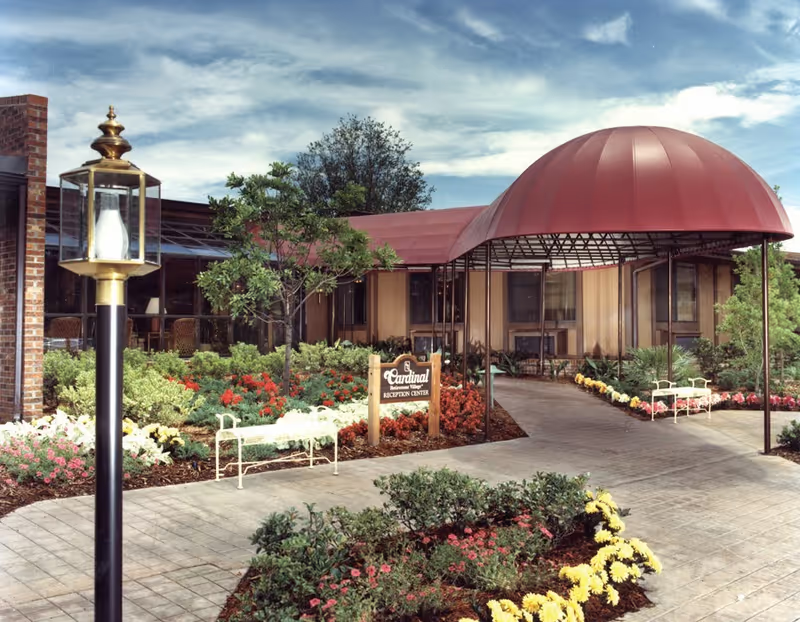
Activities and social programming Activity offerings are a clear strength for many residents. Music, entertainment, arts and crafts, and scheduled social events are frequently mentioned as improving resident mood and engagement. The facility’s courtyard and communal spaces support outdoor and group activities, and activity staff receive regular positive comments.
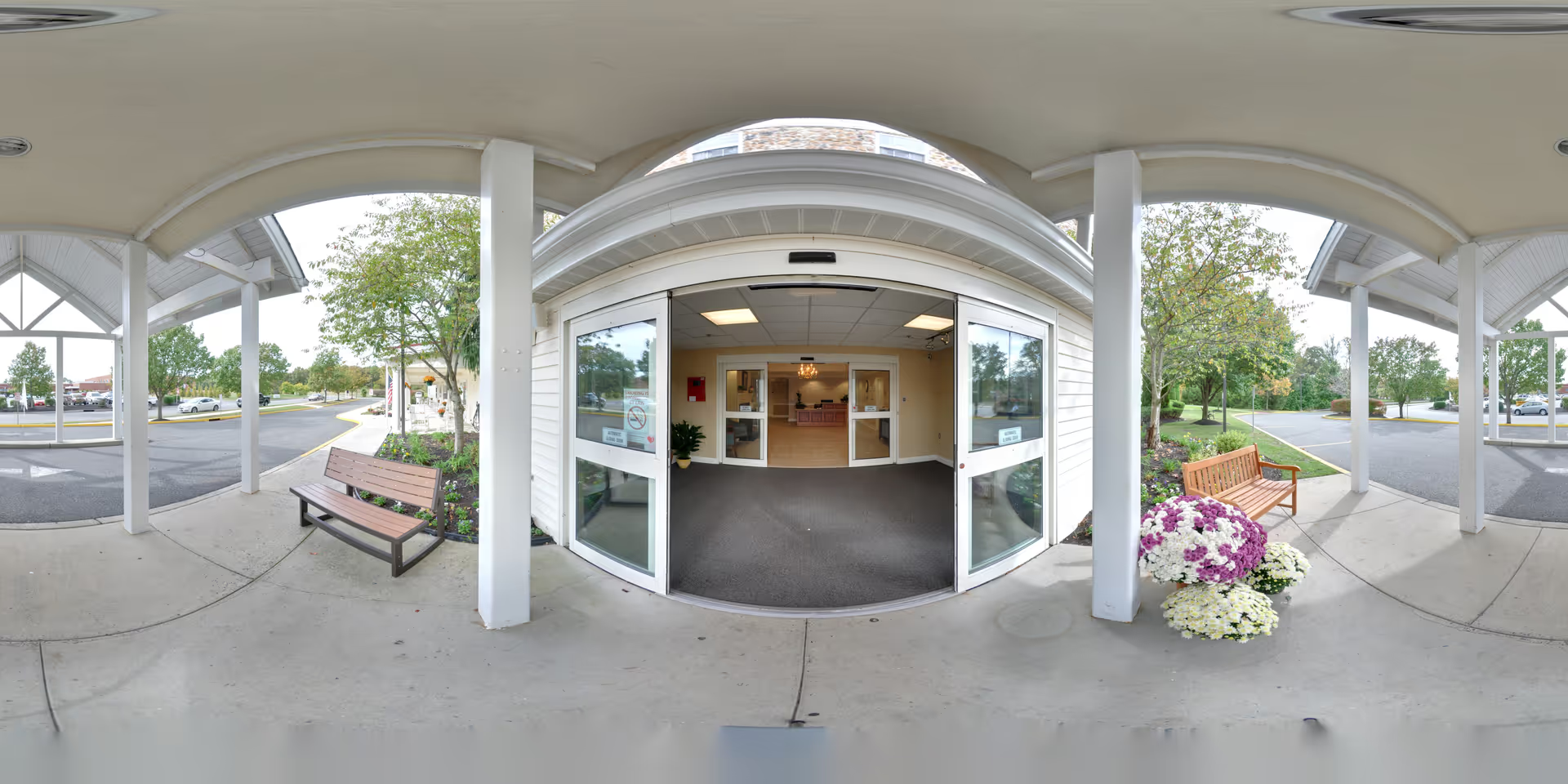
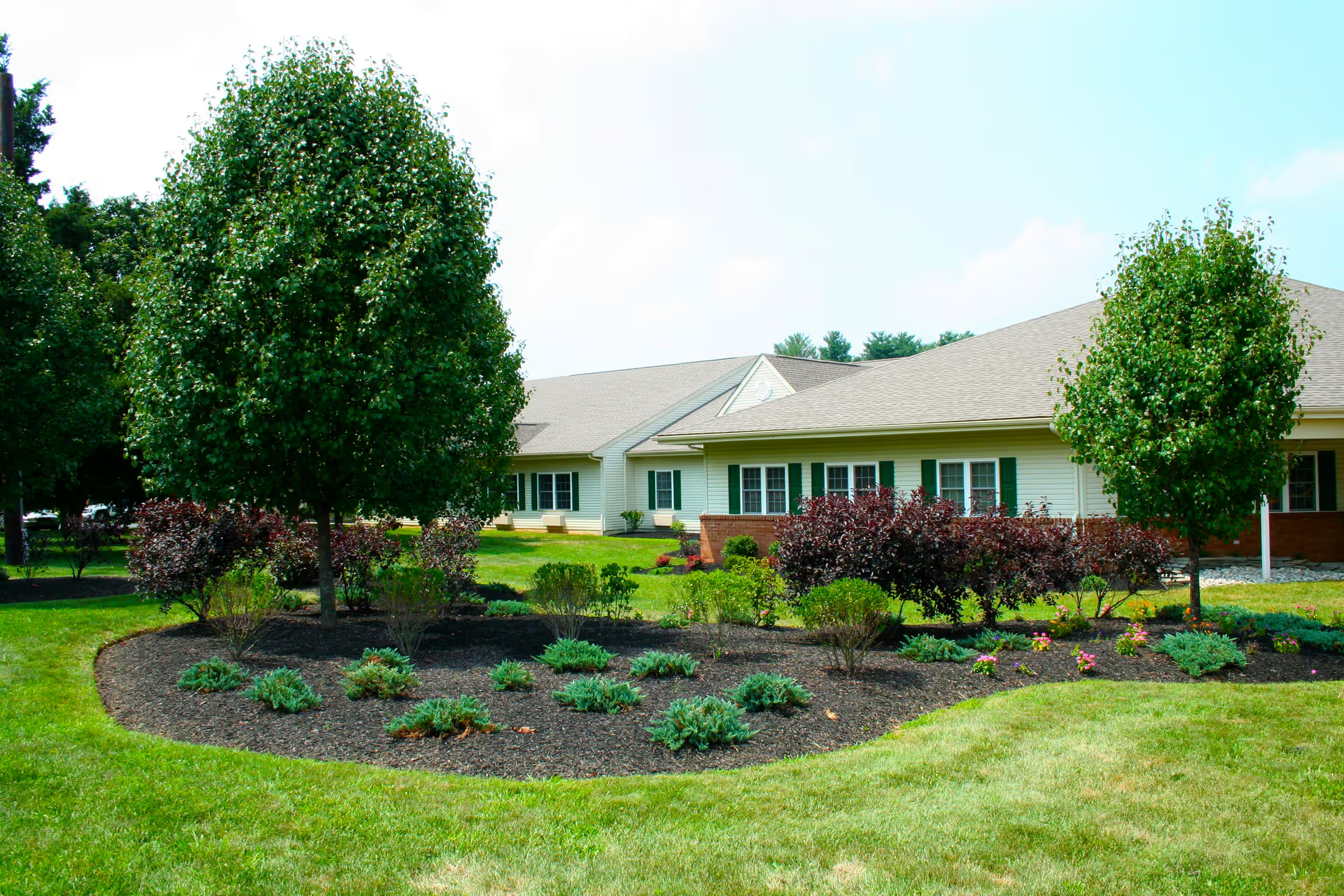
Facilities, maintenance, and sanitation Many reviewers describe a clean, secure, and attractively maintained building with coded access and comfortable common areas. Conversely, a subset of reviews raise sanitation concerns, pest-control concerns, and maintenance issues (for example, leaks or delayed repairs) in particular units or rooms. These facility lapses appear unevenly distributed rather than uniform across the center; prospective families may want to view specific rooms and units and ask about recent pest-control and maintenance records.
Management, communication, and operational patterns A central theme is inconsistent management performance. Some families praise responsive administrators and helpful front-desk staff, while others describe slow callbacks, disorganized management, supply shortages, and high staff turnover. Communication gaps extend to clinical handoffs, discharge planning, and family updates. There are also references to serious individual incidents that prompted regulatory complaints and law-enforcement involvement; families should ask about formal complaint resolution processes and recent survey or inspection results during their review of the center.
Notable patterns and advice for families Two consistent patterns stand out. First, rehabilitation and therapy services are a relative strength and can deliver meaningful recovery for patients who participate. Second, operational variability — particularly inconsistent staffing, cleanliness concerns in some areas, and communication breakdowns — is the primary source of negative experiences. For prospective residents and families, recommended steps include touring the specific unit a loved one would occupy, meeting the therapy and nursing leads, asking about nurse-call response times, staffing ratios, recent inspection findings, and the facility’s procedures for securing and tracking resident belongings. Those due diligence steps will help calibrate expectations and identify whether the facility’s strong clinical elements are paired with the operational reliability you require.