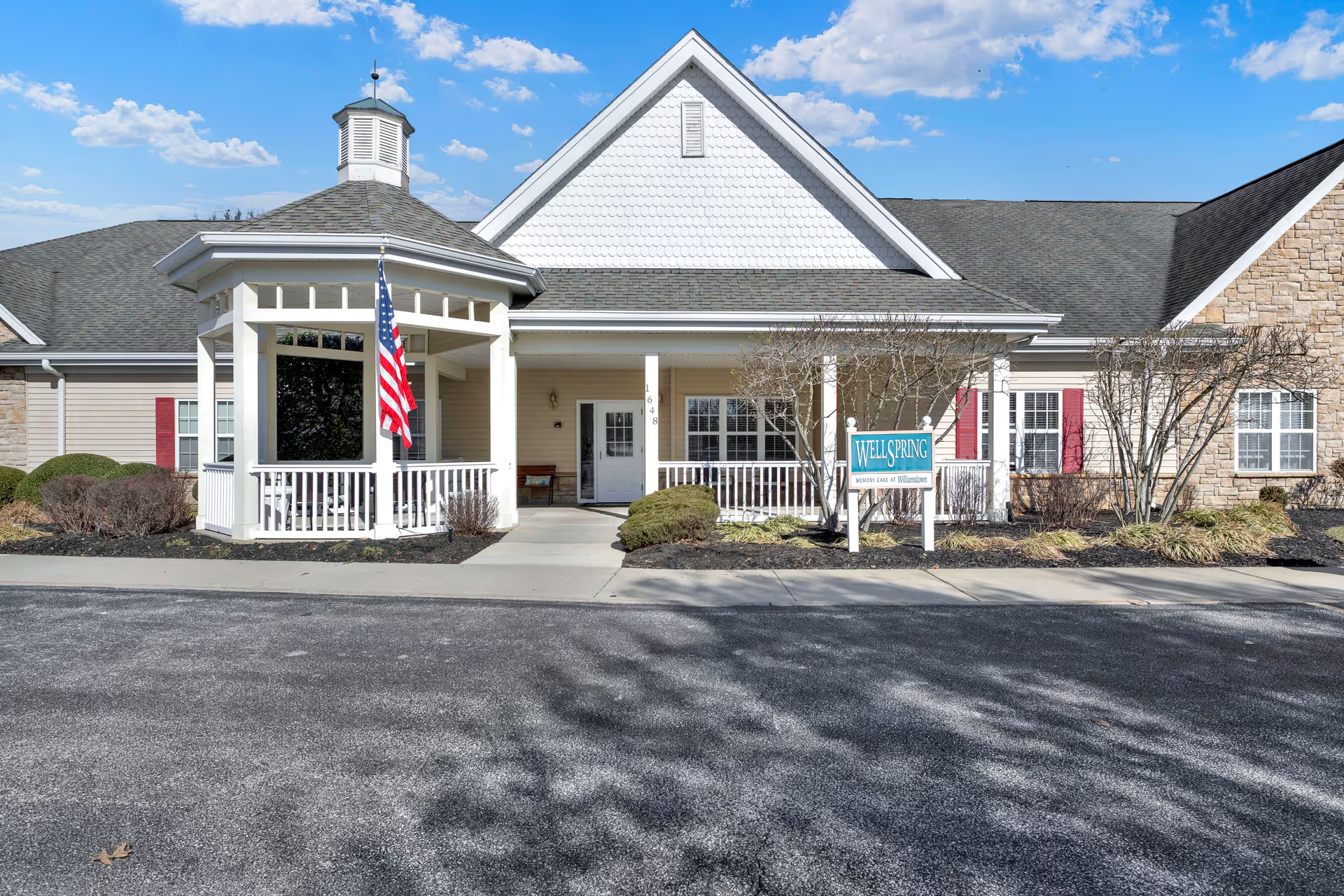
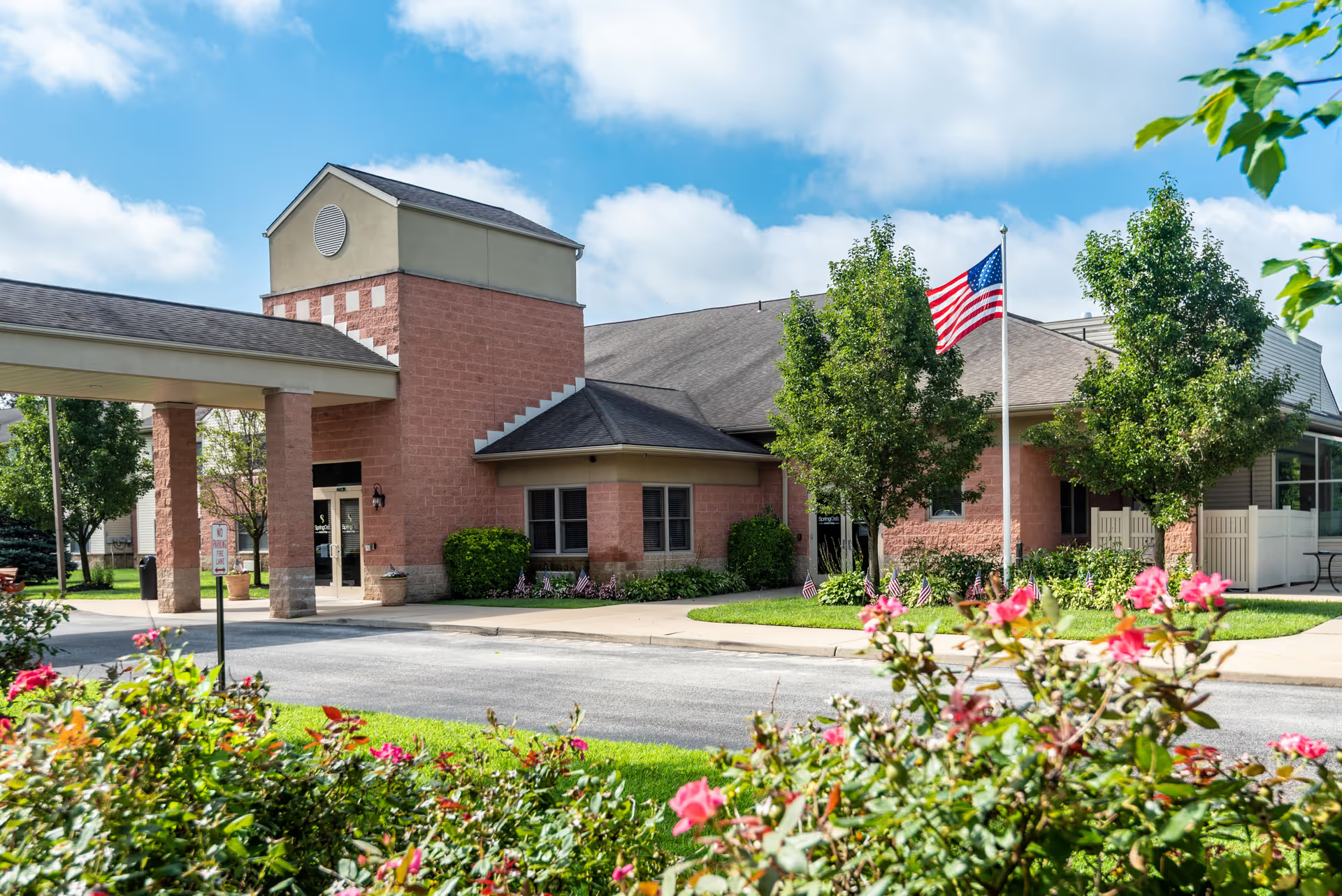
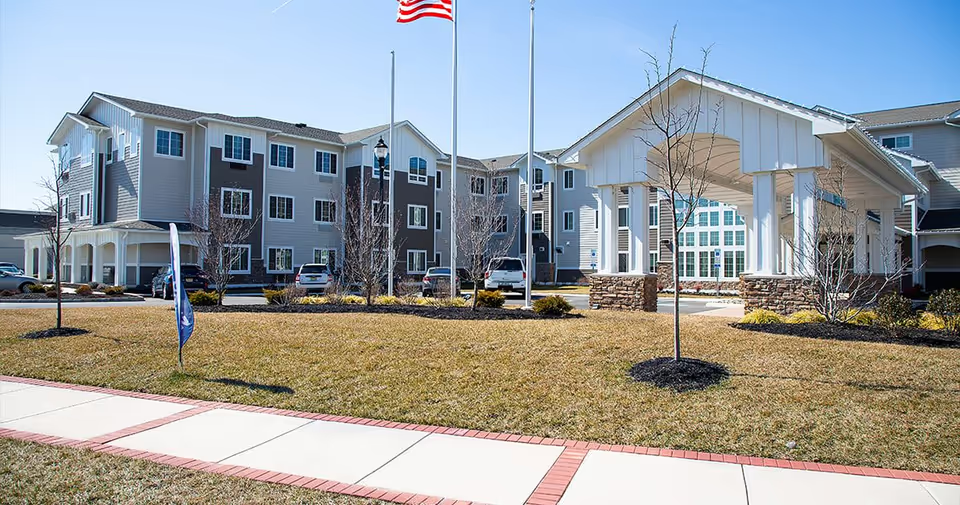
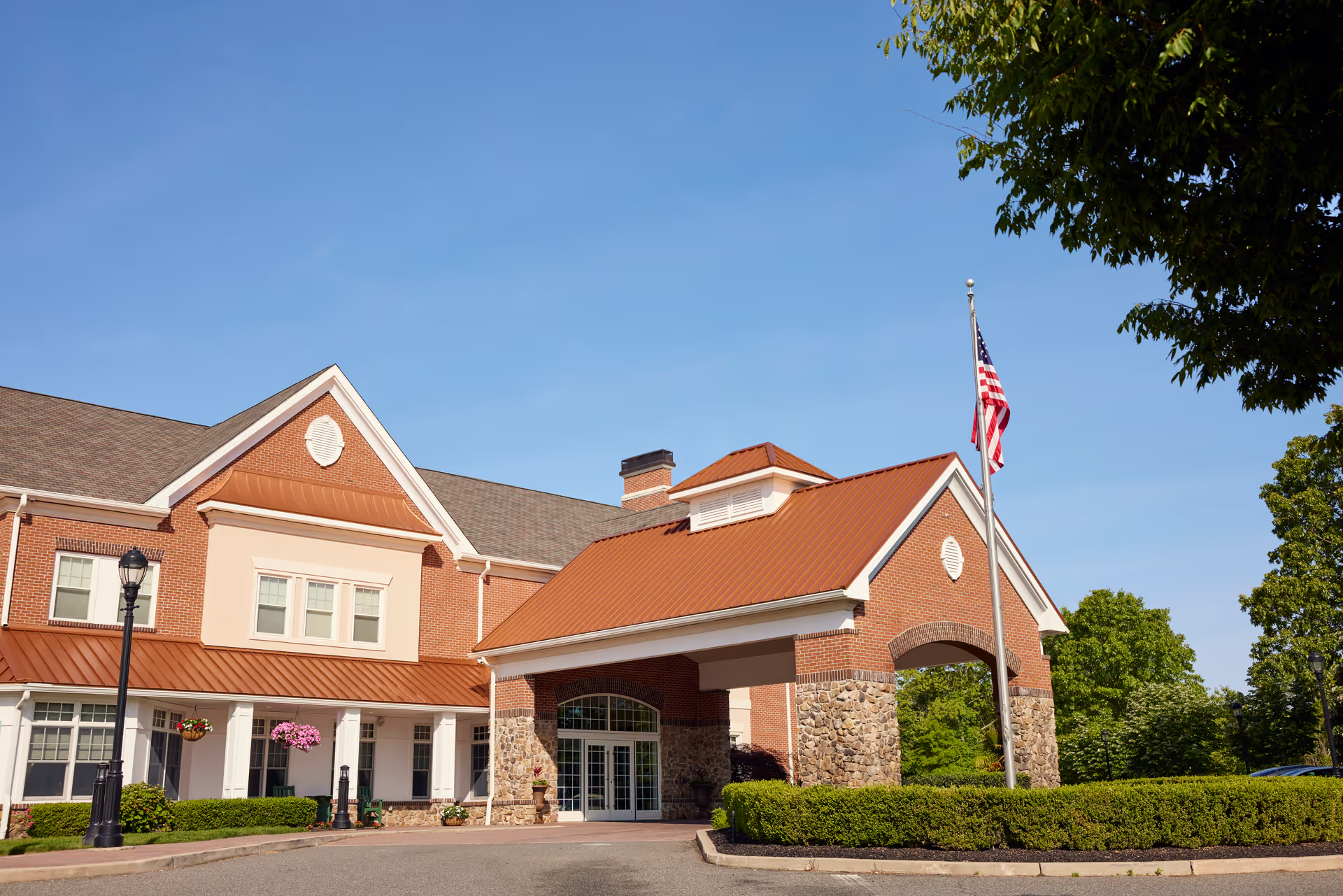
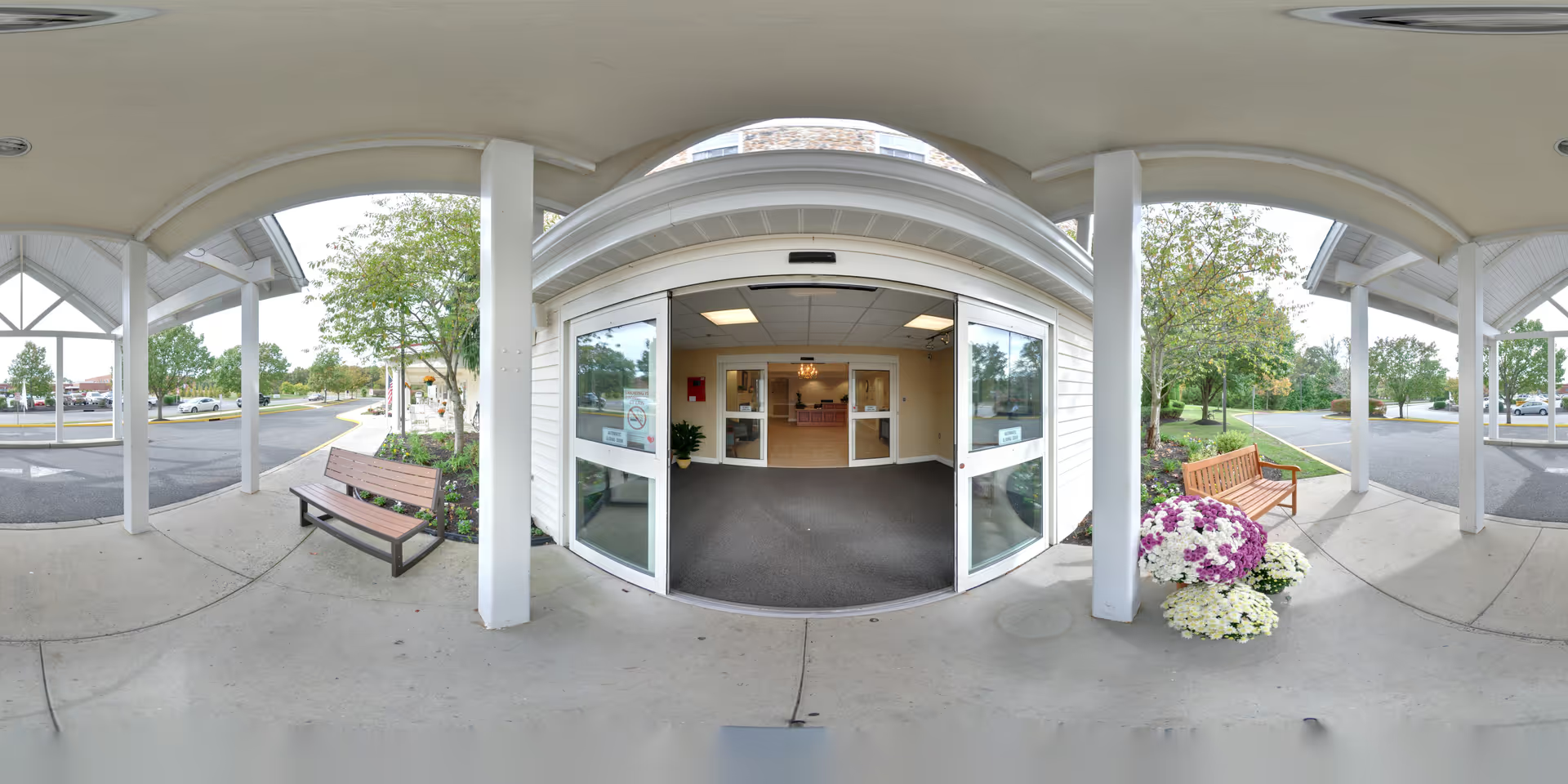
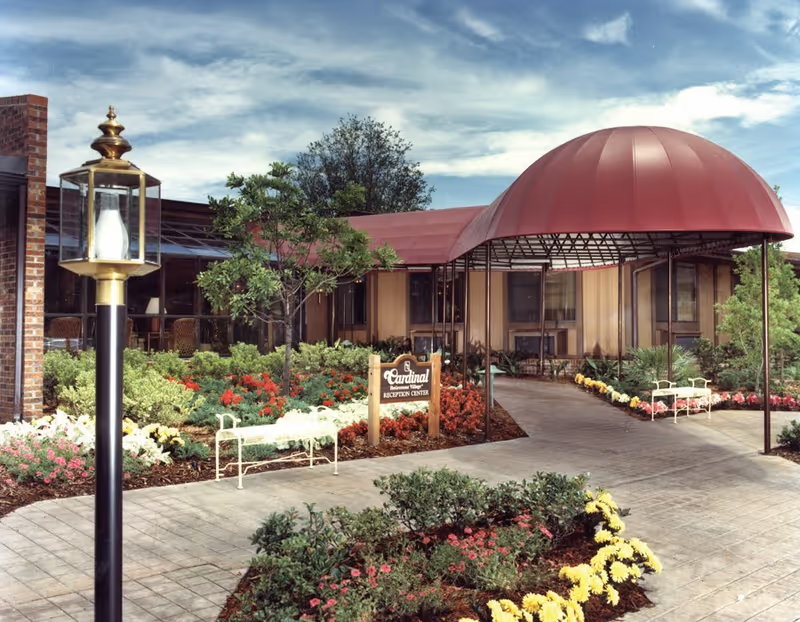
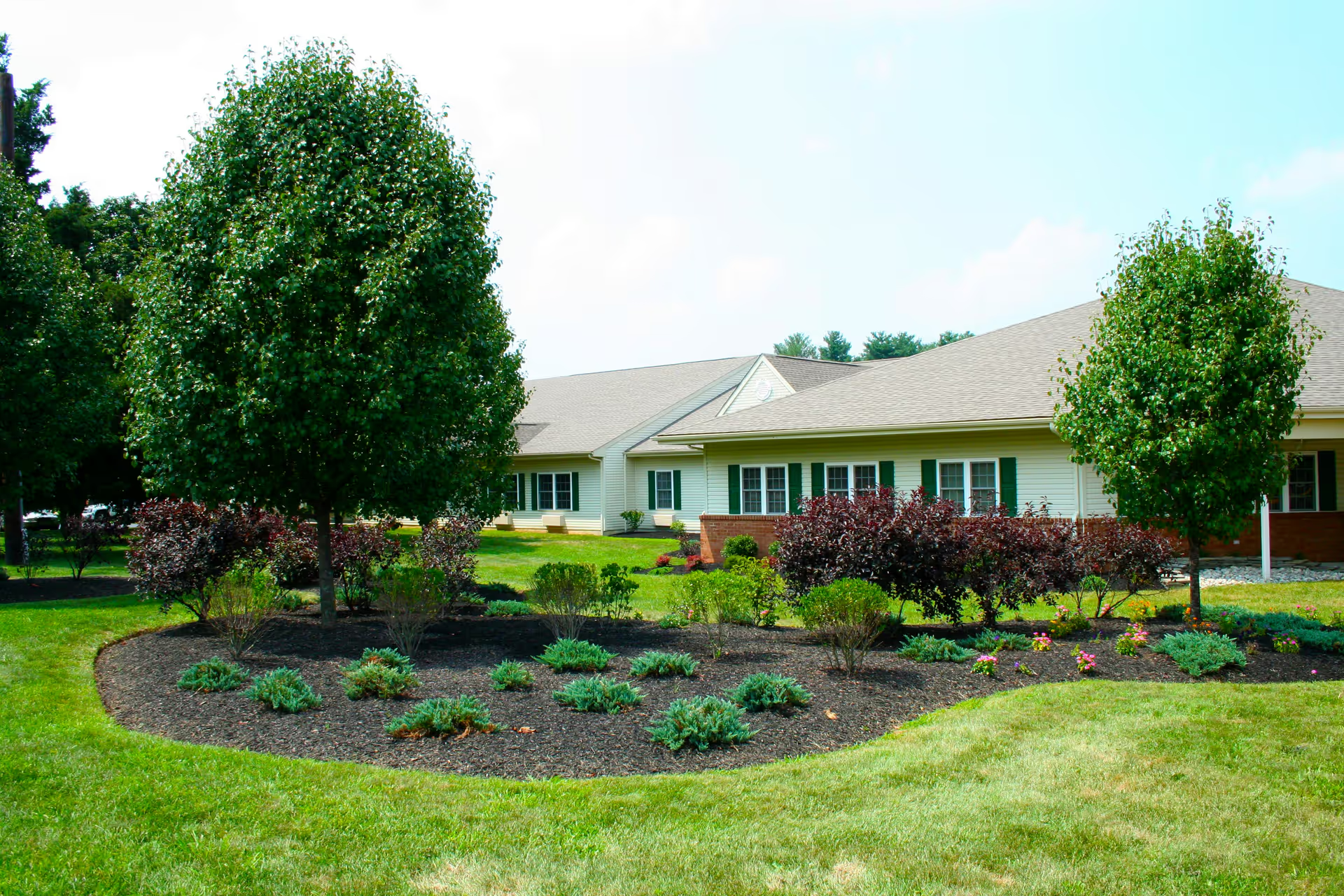
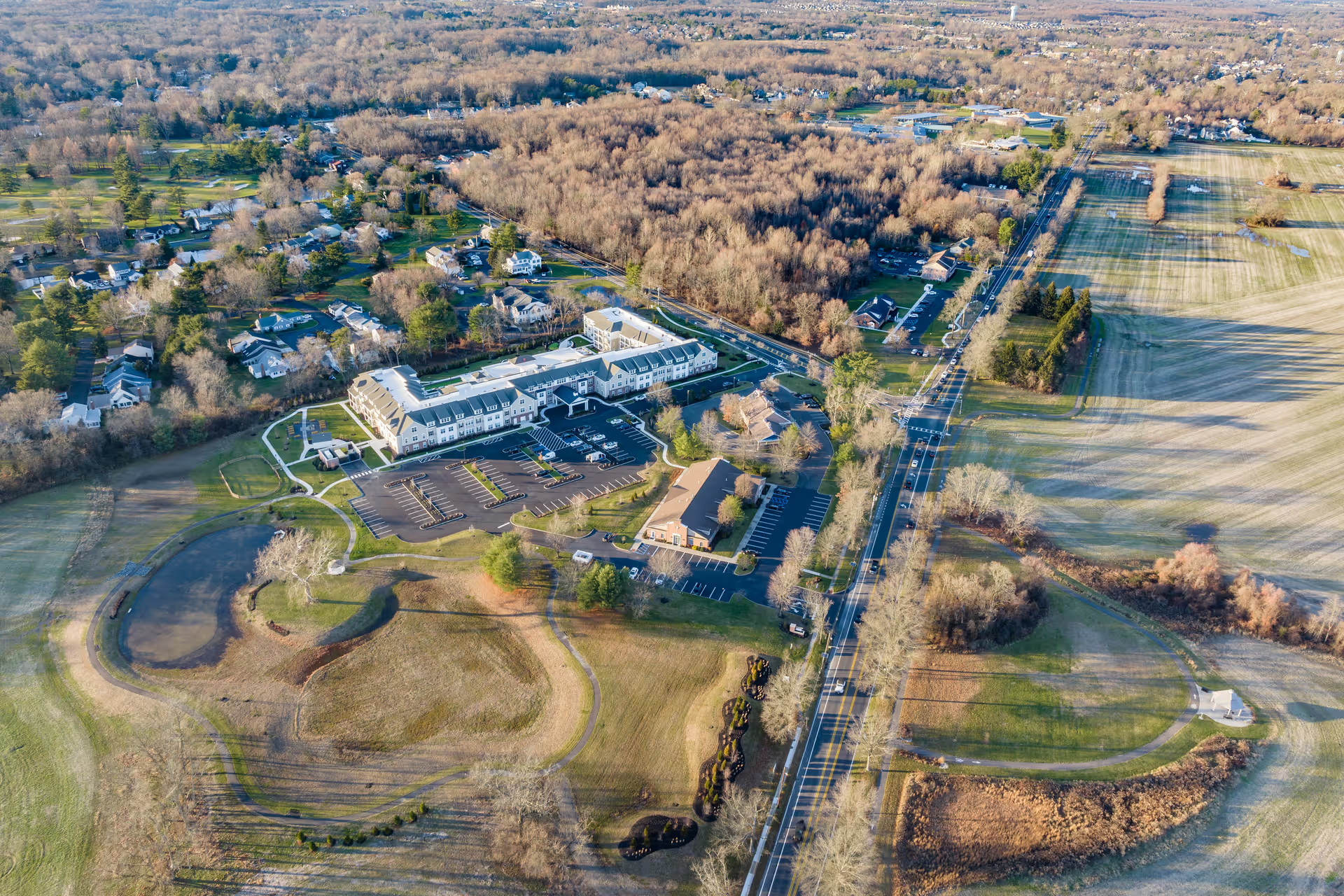
Reviews of New Standard Senior Living at Hammonton present a polarized picture: many commenters highlight the facility’s physical attributes and several note positive direct-care interactions, while others describe operational and safety concerns that materially affect resident experience. The building itself is repeatedly described as new, well constructed and attractively maintained; reviewers who had positive experiences emphasized attentive nursing, helpful staff, and a welcoming resident community. Concierge-type services are mentioned as a feature and multiple reviewers recommend the facility based on staff or nursing interactions.
Care quality and clinical services drew mixed assessments. Positive accounts cite quality assisted living support and responsive nursing. Conversely, other accounts point to inconsistent responsiveness from staff, perceived lack of professionalism or trust, and organizational disorganization. Several reviewers identified limited access to rehabilitative therapies and noted an absence of social-work involvement or team-based clinical coordination; these are operational gaps that can affect care planning, transitions, and recovery following illness or injury. There are also explicit concerns about safety oversight and about how end-of-life planning and communication are handled.
Staffing and management patterns appear uneven. Multiple notes about unresponsiveness, disorganization, and communication shortcomings suggest variability in training, supervision, or staffing levels. Where staff were described positively, families emphasized compassion and competence; where staff were criticized, concerns focused on delays in attention, biased treatment, and lack of transparent policies. Reviewers repeatedly call out a lack of accessible explanation of facility policies and procedures, which contributes to family frustration and uncertainty about decision-making processes.
Facilities and amenities are generally a strength but with limitations. The physical environment is described as clean and well cared for, yet accessibility issues were raised (for example, limited handicap accommodations and a lack of in-room phones). These infrastructure gaps are operationally important for residents with mobility or communication needs. Dining was not a prominent theme in the available comments; there is insufficient consistent information to characterize meal quality or service patterns. Activity and community programming appear limited in some reports — 'no community services' was noted — while others referenced a congenial resident population; this suggests variable programming or differences in expectations.
Taken together, the patterns indicate a facility with strong physical assets and instances of compassionate, high-quality assisted care, but also recurring operational weaknesses: variable staffing responsiveness, limited rehabilitation and interdisciplinary supports, inadequate accessibility and in-room infrastructure, and unclear policies and communication from management. Prospective residents and families should consider an in-person visit, request written policies (including staffing ratios, therapy services, social-work availability, emergency and end-of-life procedures), ask for examples of activity calendars, and speak with current families about recent operational changes. For serious safety concerns raised in a subset of reviews — including concerns following a resident’s death — families may also want to review licensure/inspection records and ask management how such events were investigated and addressed.