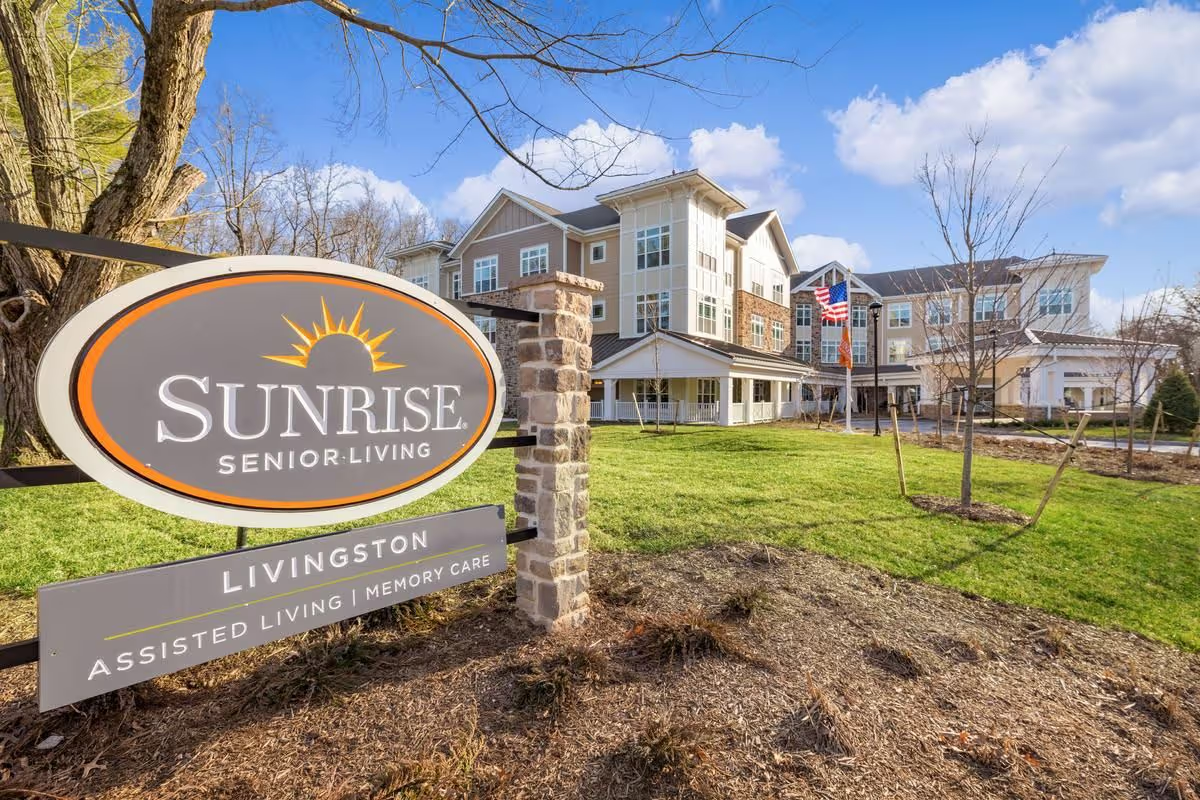
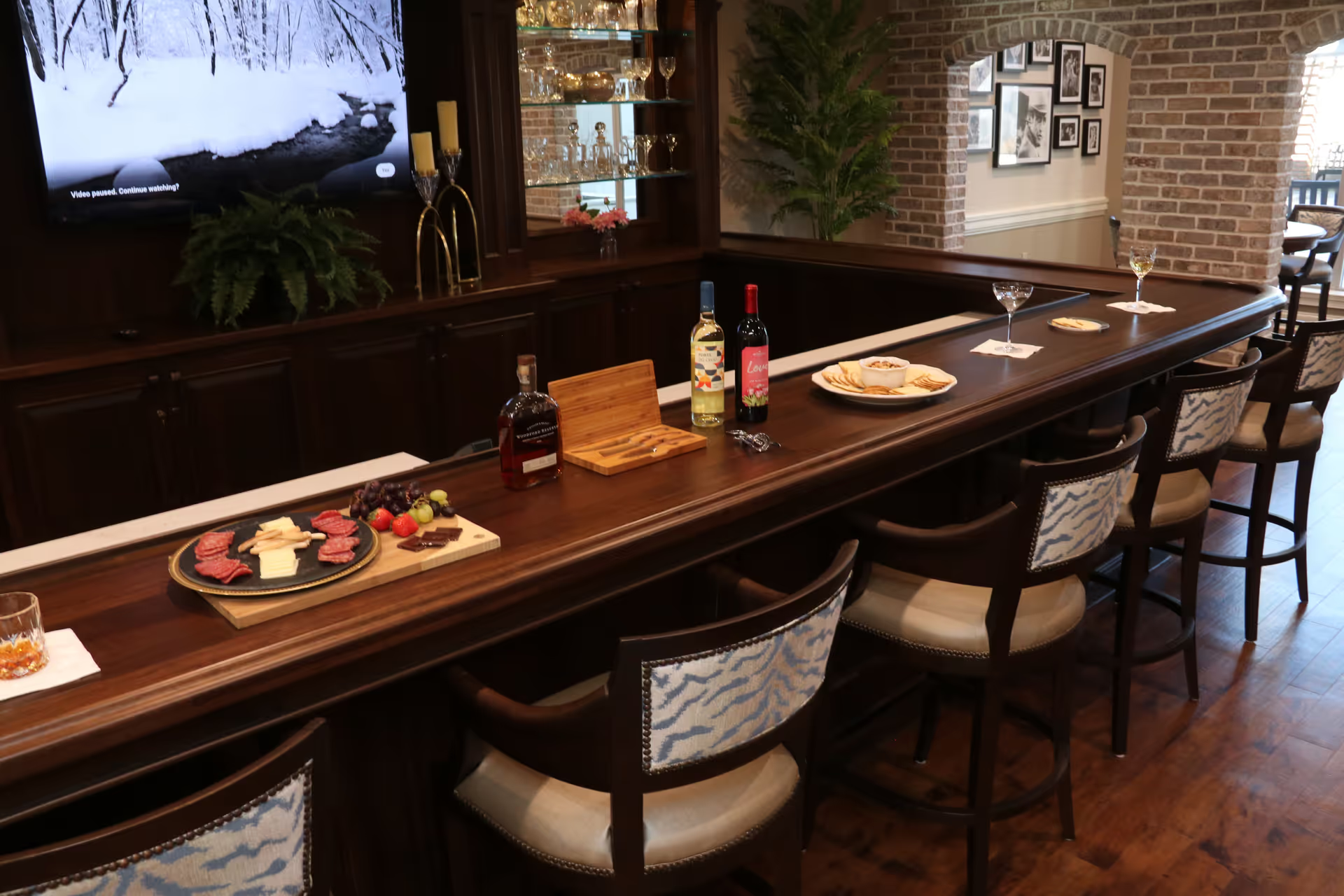
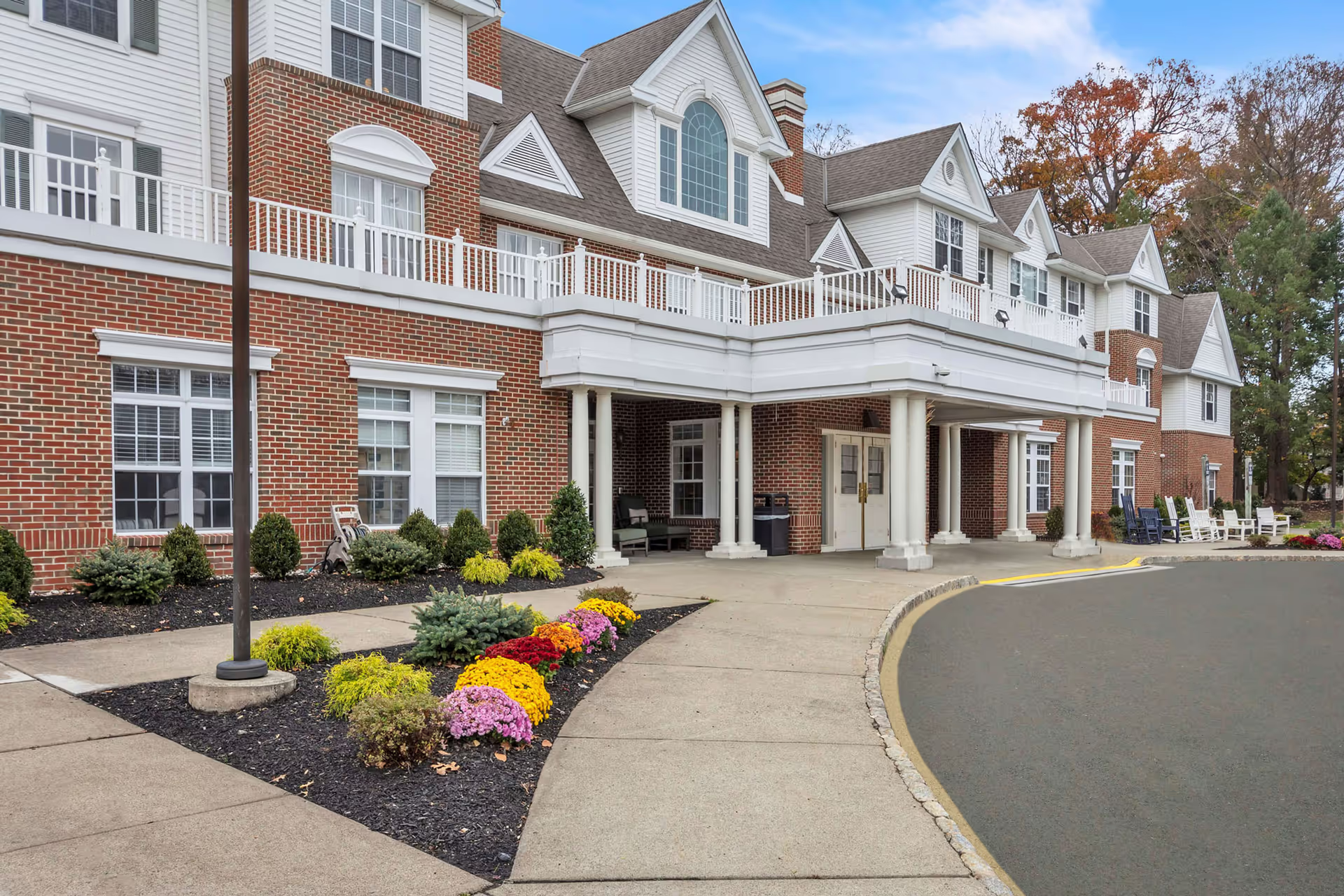
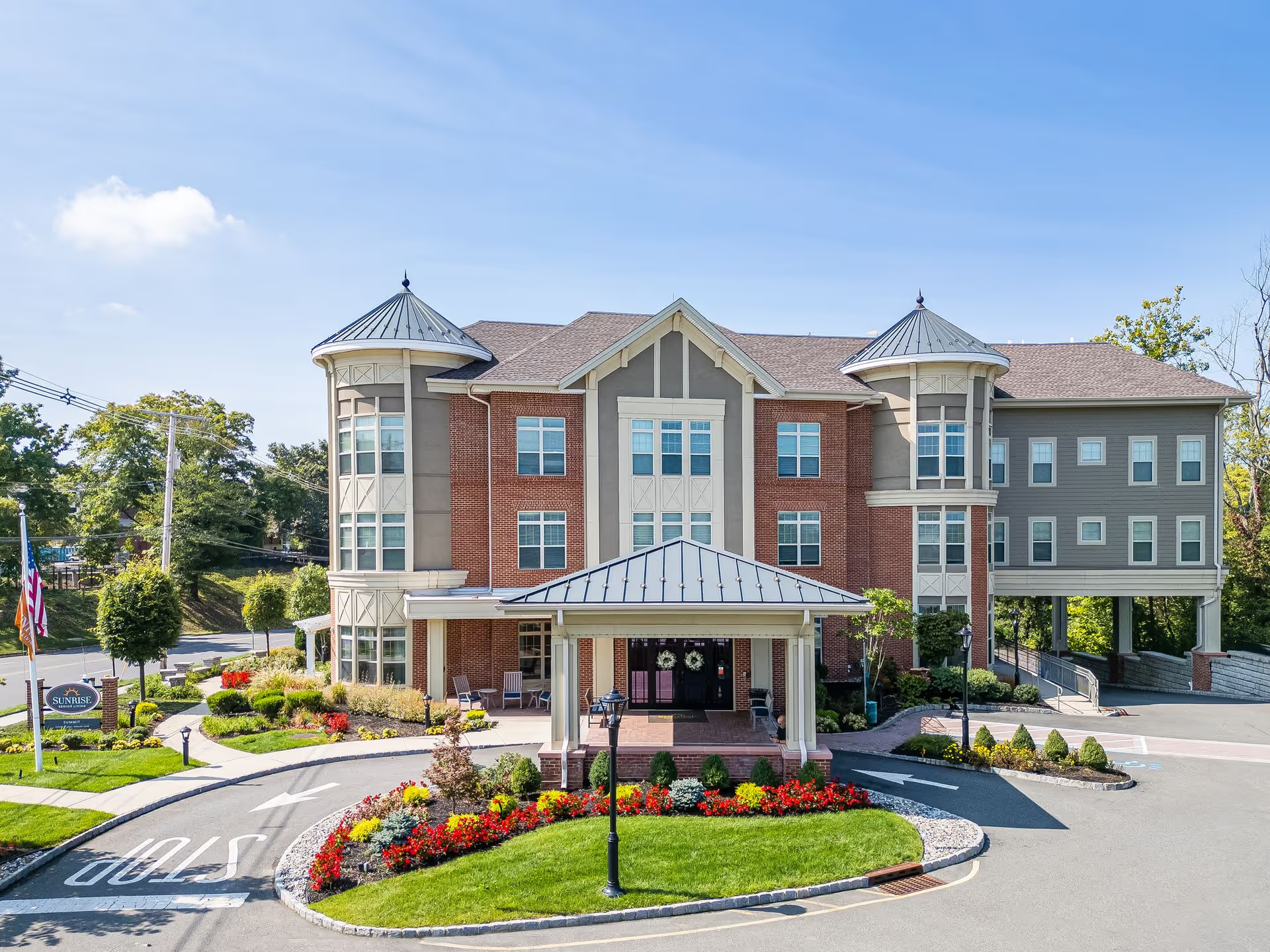
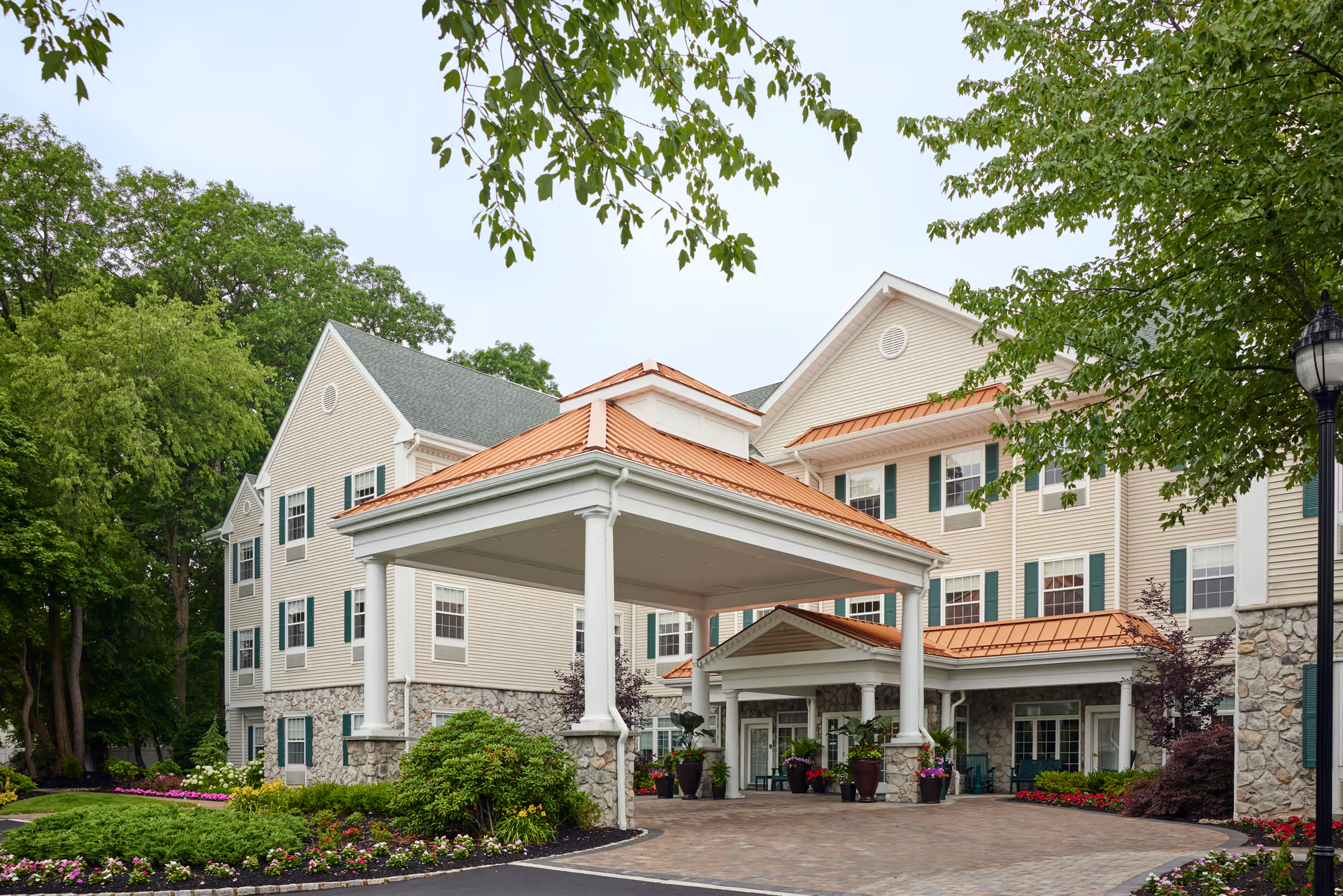
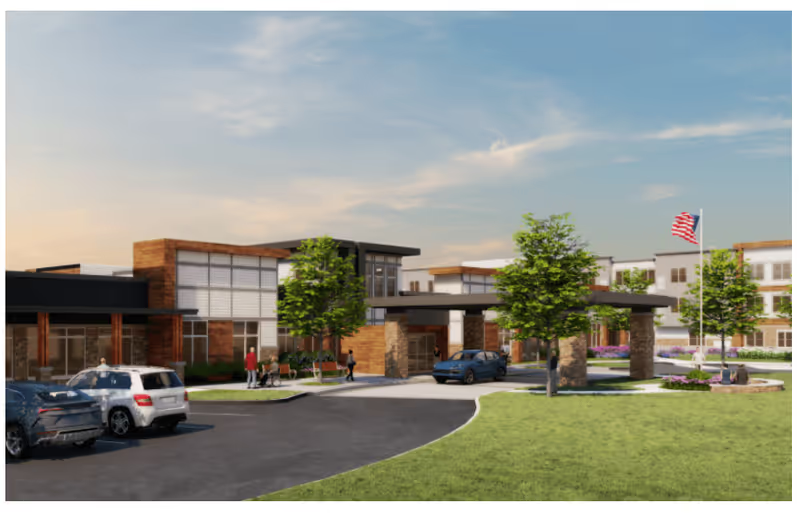
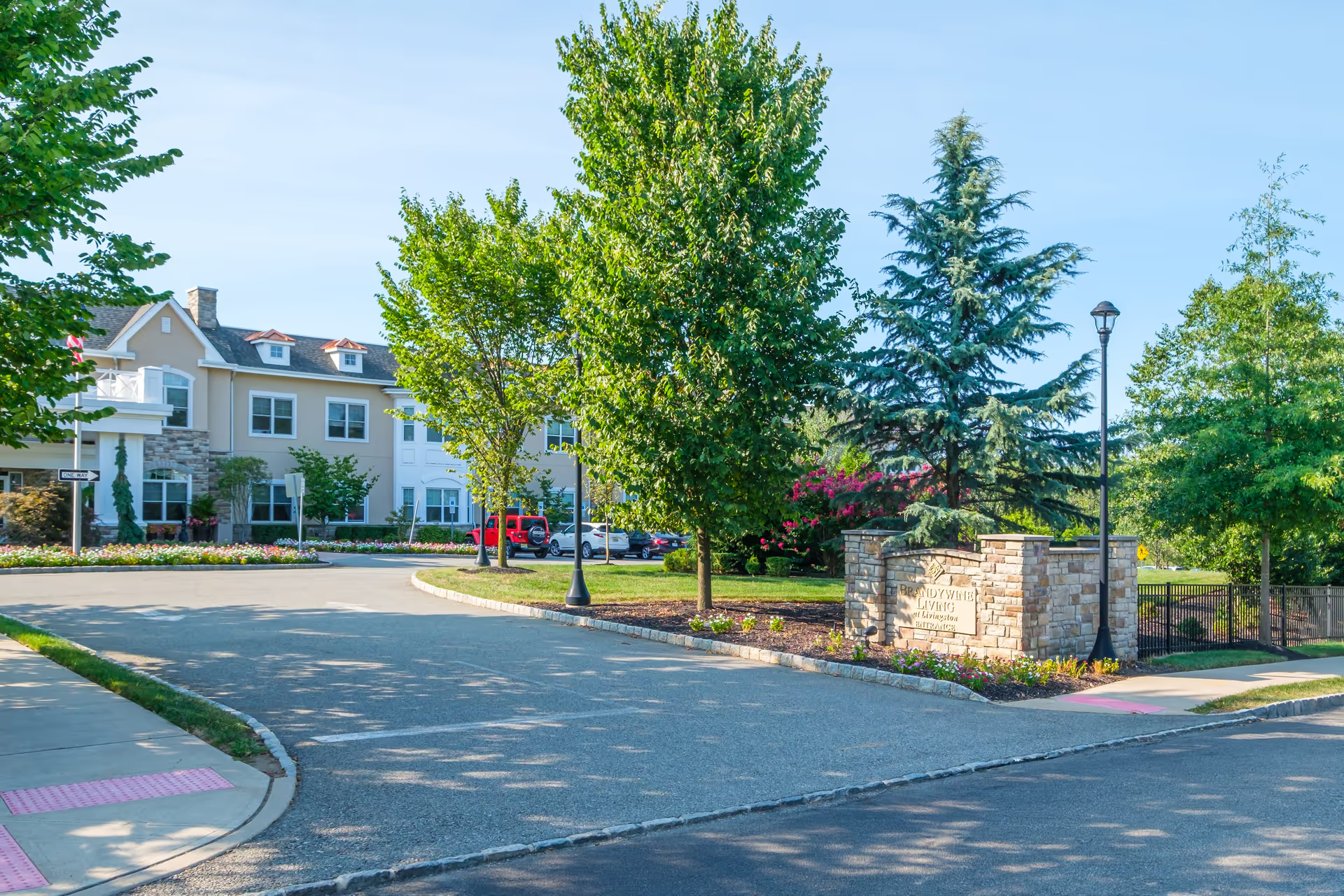
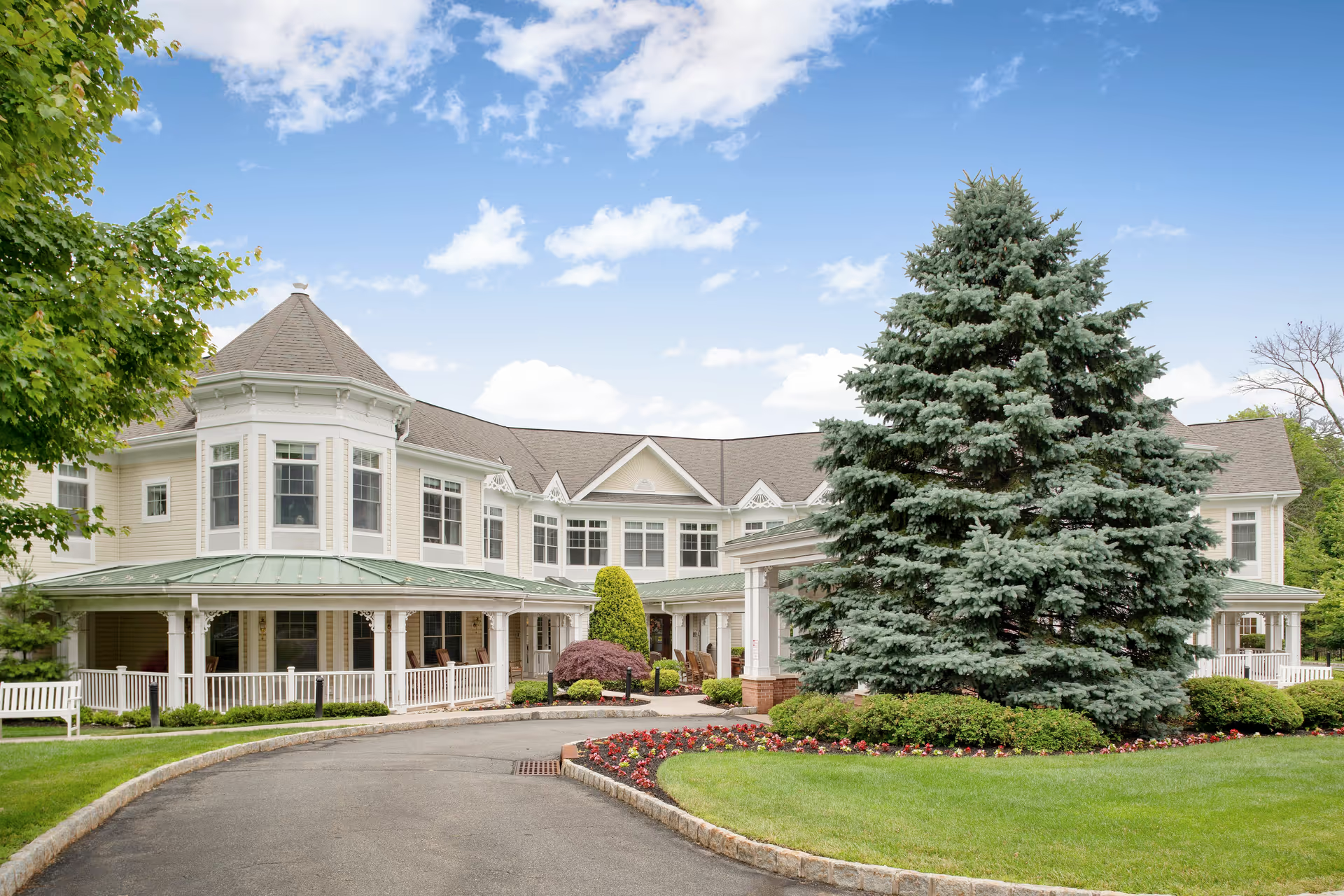
CareOne at Livingston presents a mixture of notable strengths and recurring operational concerns. Many families and residents praise the facility's attractive, hotel-like environment, well-kept grounds, and clean common areas. The community offers a broad array of programming and on-site rehabilitative services; several accounts describe successful short-term therapy outcomes and effective transitions from hospital to sub-acute and memory-care units. Memory care and sub-acute services receive particular positive mention for setting and coordination.
Direct caregiving staff are frequently described as compassionate, attentive, and willing to individualize care — including dietary accommodations and benefits coordination. Administrative and admissions staff are often characterized as accessible and helpful, and the facility's COVID-era infection-control measures were highlighted positively. Dining receives mixed but generally positive comments: many reviewers complimented chef-prepared meals and the ability to accommodate preferences and dietary needs, while others noted inconsistency in menu variety and concerns about appropriate choices for residents with specific medical diets.
Alongside these strengths, there are consistent operational themes families should evaluate during a tour. Staffing levels and turnover are recurring concerns, with particular pressure noted overnight and on weekends; this is linked to reports of slow assistance response times. Several families described uneven nursing competency and clinical oversight, which in some cases related to wound and pressure-area management and medication-administration issues. Because of these accounts, prospective residents and families should ask about nursing ratios, wound-care protocols, pharmacy procedures, and clinical oversight during admission discussions.
Management and billing practices are another area to review closely. Multiple reviewers cited unclear billing or contract terms, including post-discharge or end-of-stay charges and therapy billing disputes. There are also mentions of lapses in laundry and personal-belongings handling and occasional variability in management follow-through when concerns are raised. Finally, while activities are plentiful for many residents, participation and accessibility can be uneven depending on individual mobility and cognitive needs.
Overall, the facility demonstrates many positive elements — physical environment, rehabilitative capability, engaged caregiving staff, and robust activity offerings — but has identifiable operational weaknesses that can affect high-acuity residents. Recommended next steps for families: conduct an in-person tour focused on current staffing patterns (day, night, weekend), review clinical protocols for wound care and medication management, request written contract and billing clarifications, and speak with current families about day-to-day responsiveness and laundry/personal-items handling before finalizing placement.