Overview: Reviews of Complete Care at Monmouth present a mixed picture, with frequent praise for rehabilitation services, housekeeping, and many individual staff members alongside repeated concerns about operational consistency. Families described strong therapist involvement and measurable rehab progress for many residents, and multiple reviewers commented on a clean facility, comfortable rooms, and friendly front‑desk interactions. At the same time, several accounts describe systemic weaknesses that affected day‑to‑day care and family confidence.
Care and clinical coordination: Clinical experiences vary. Positive accounts highlight effective physical and occupational therapy, supportive case management, and attentive nursing aides who facilitate successful short‑term rehabilitation. Conversely, others report gaps in clinical coordination — for example, inconsistent diagnostic clarity and medication/condition management — and delays in emergency or transfer responses. These contrasting accounts suggest that clinical quality may depend on staffing on a given shift and on which clinicians are assigned to a resident.
Staffing and staff conduct: Staff kindness, individual dedication, and specific staff members are frequently commended. However, there is a persistent pattern of staffing instability: high turnover, use of per‑diem staff, and periods of understaffing were associated with delayed assistance, inconsistent personal care, and interruptions to routine support. Several families expressed concerns about staff conduct or responsiveness under those conditions; a small number of reviews raised more serious concerns, including allegations of theft and financial mishandling, which point to potential weaknesses in oversight and property/financial controls.
Dining and activities: Dining impressions are mixed. Many families praised daily meals and special‑event dining, while others described inconsistent food quality and a lack of individualized diet accommodations. Activity programming also showed variability: some residents benefited from active recreation and virtual visit support (FaceTime), but others experienced limited engagement, cancelled outdoor visits, or minimal programming during infection‑control periods. Overall, the availability and consistency of enrichment appear uneven.
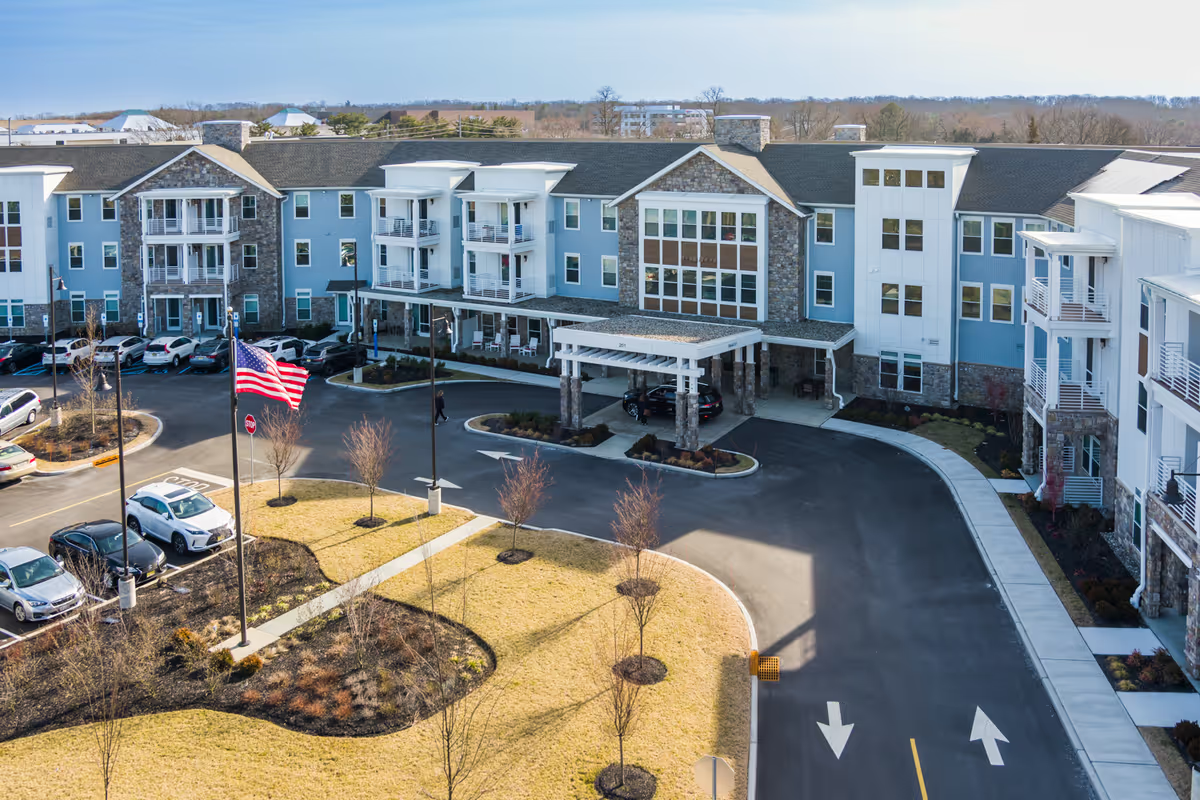
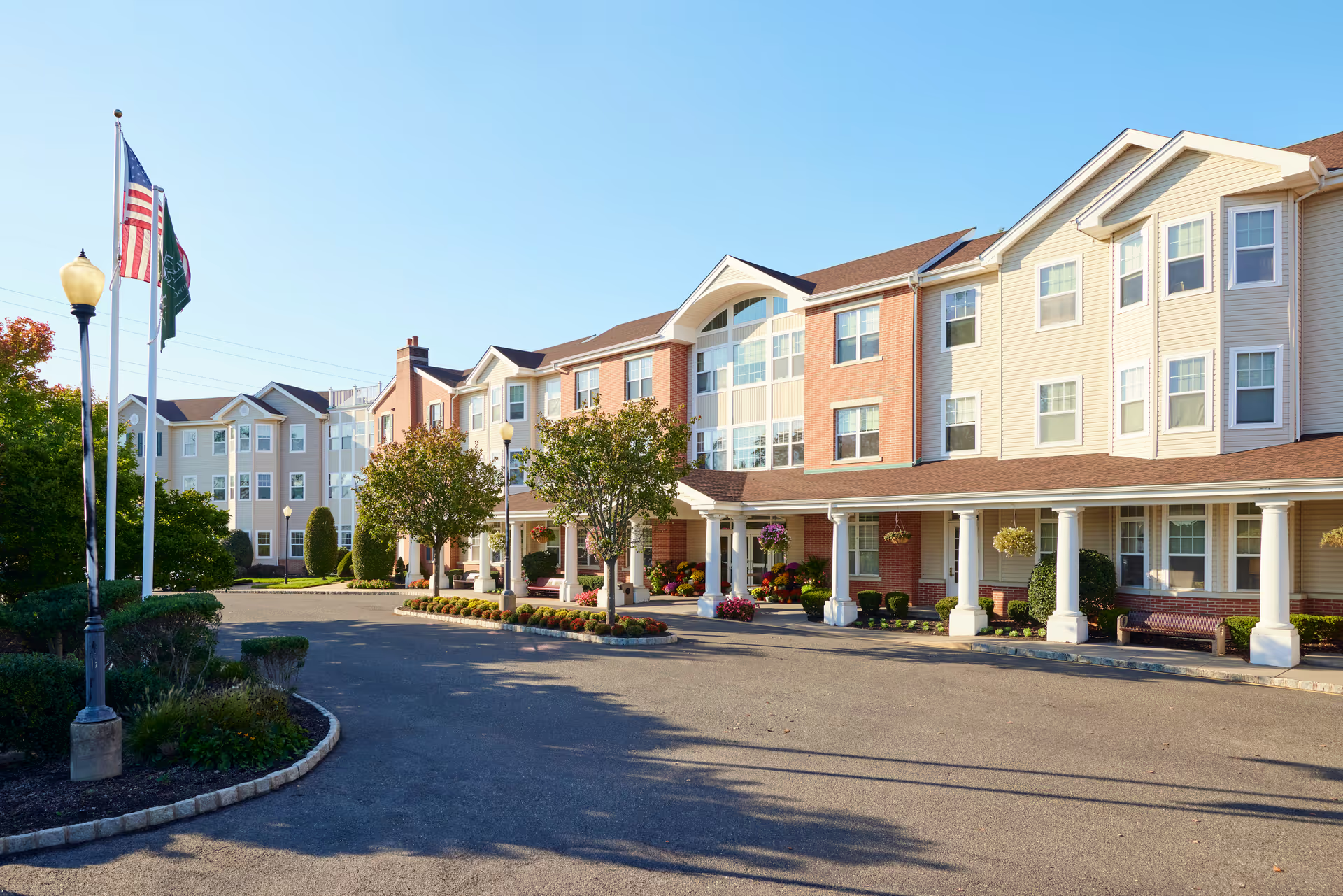
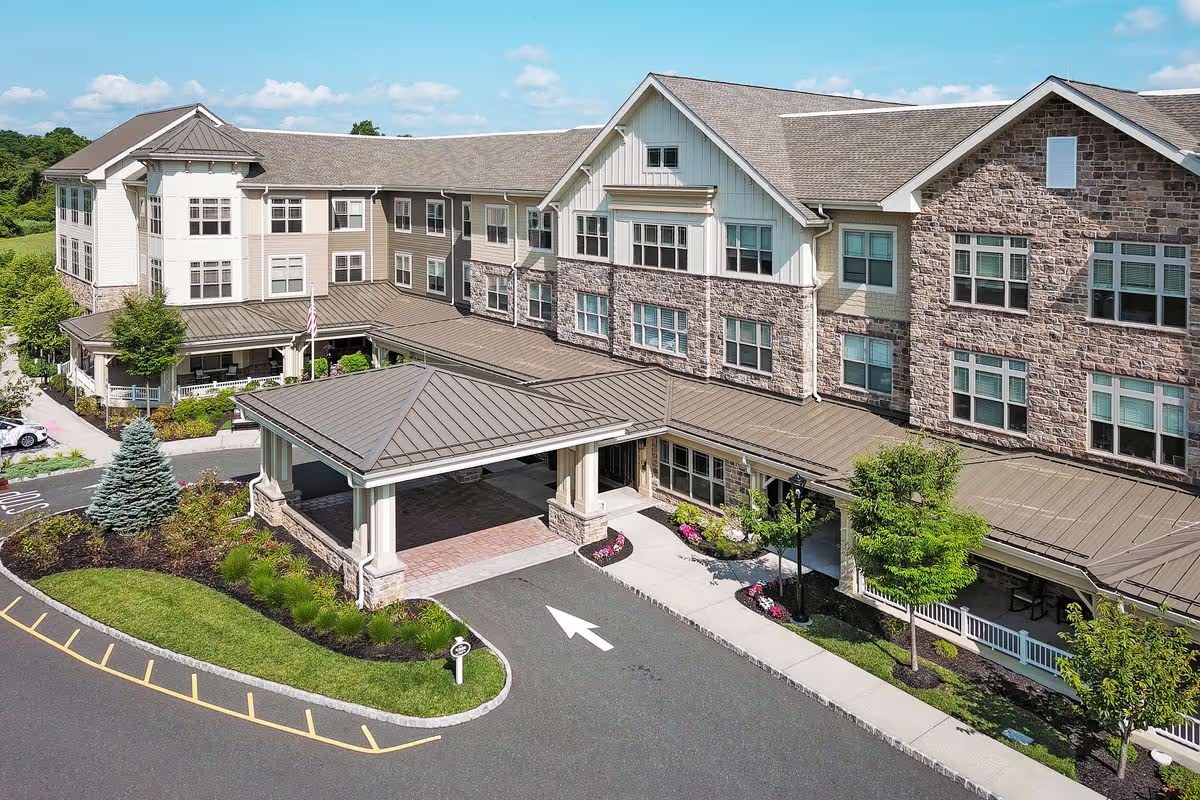
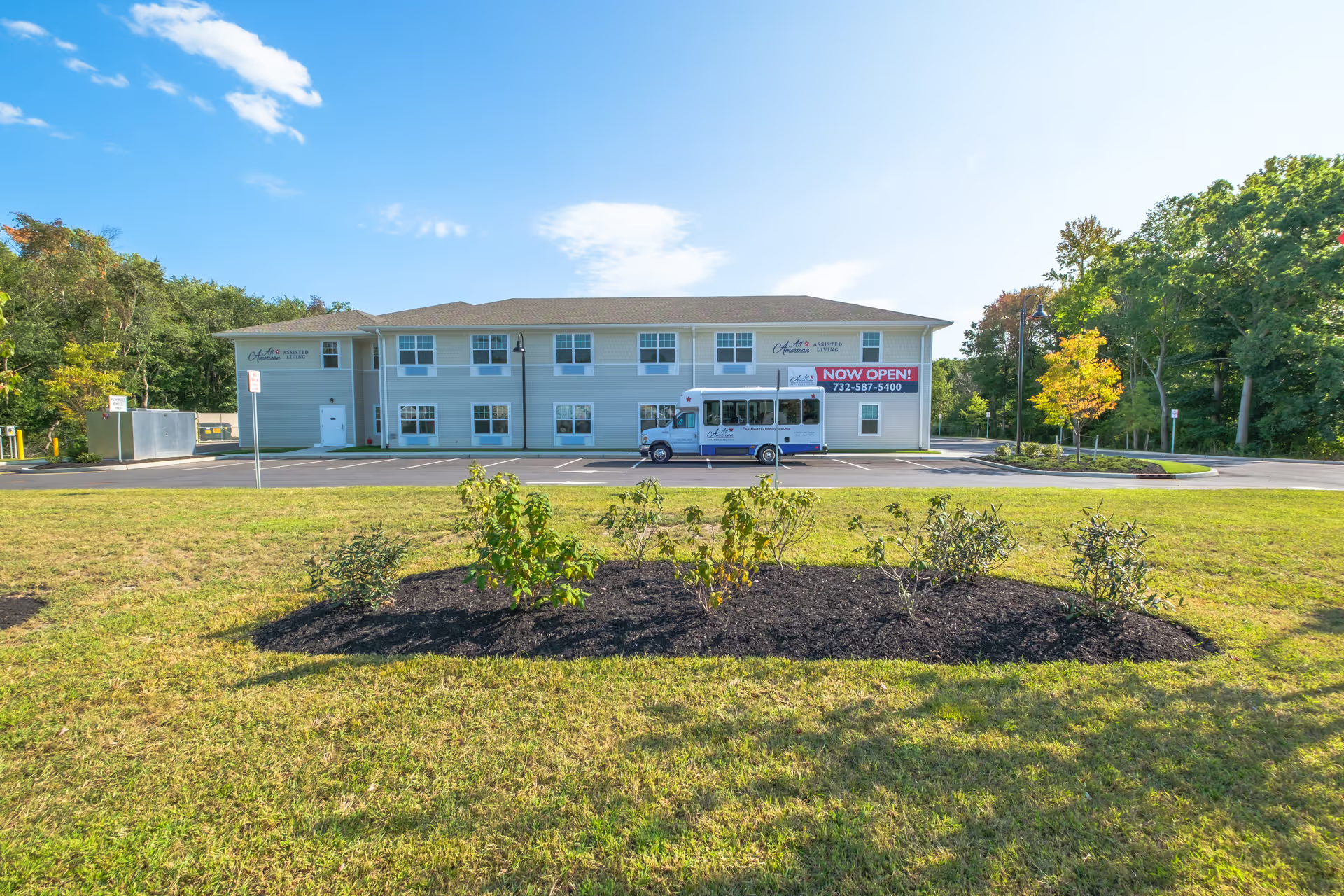
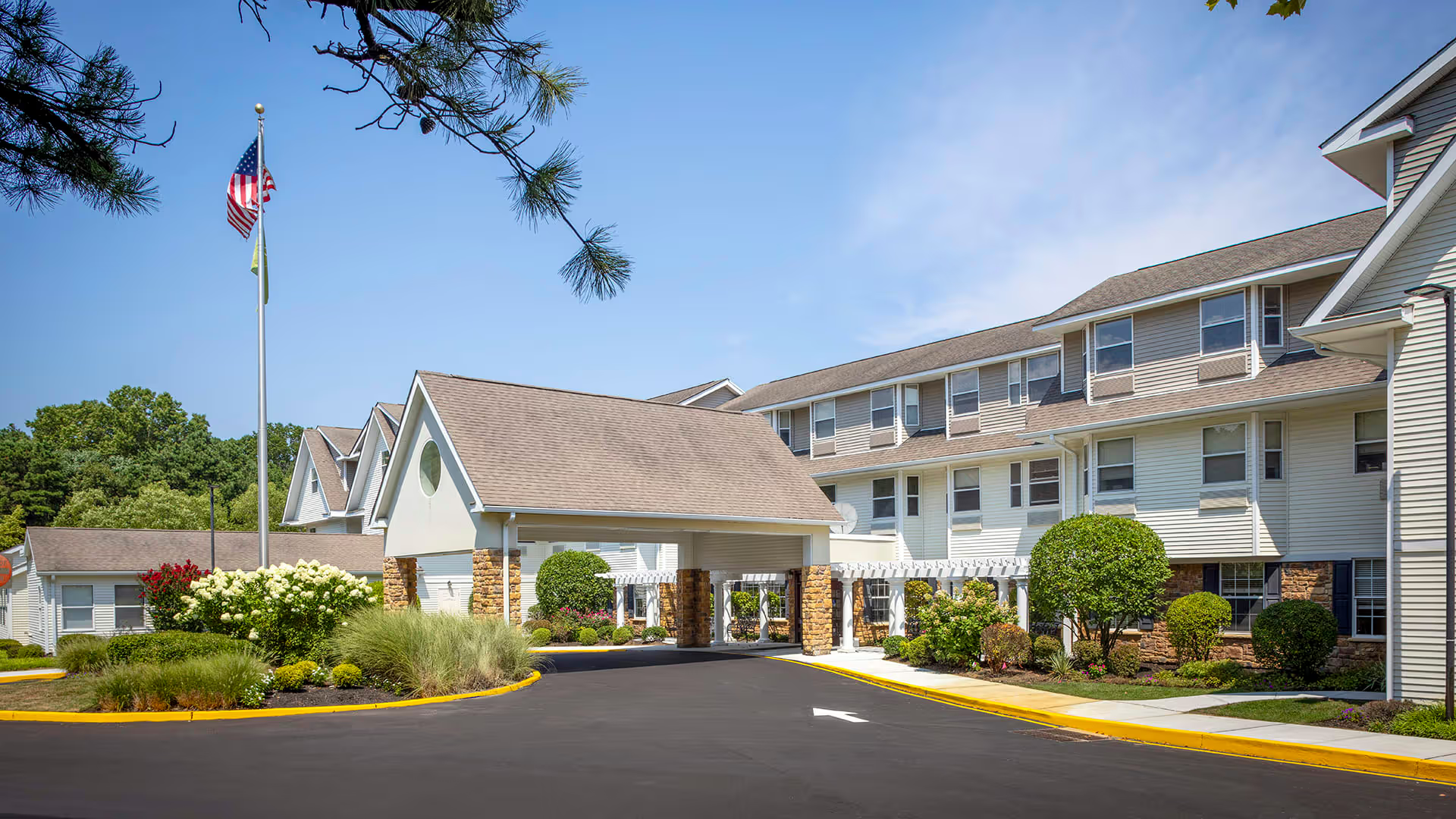
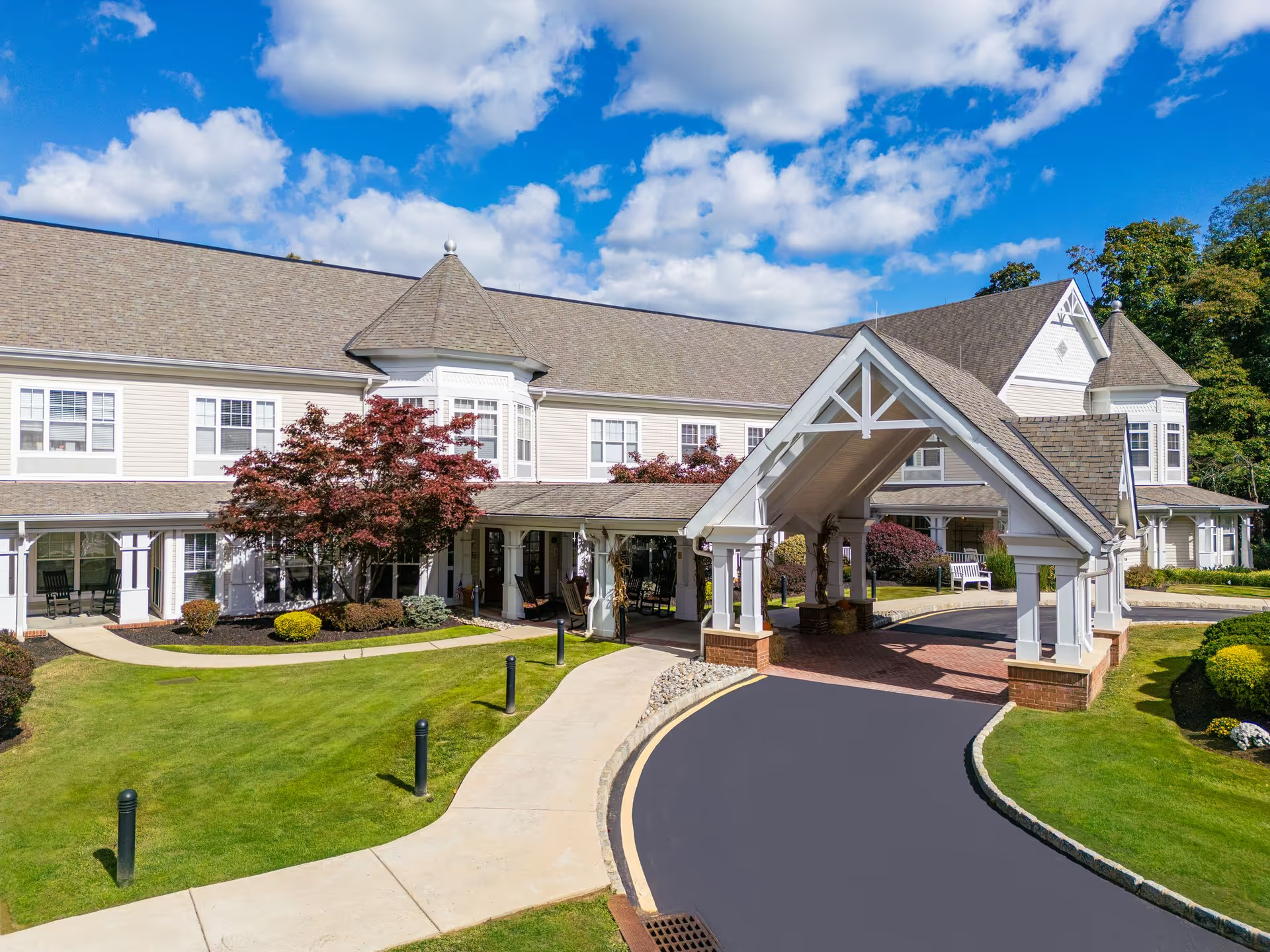
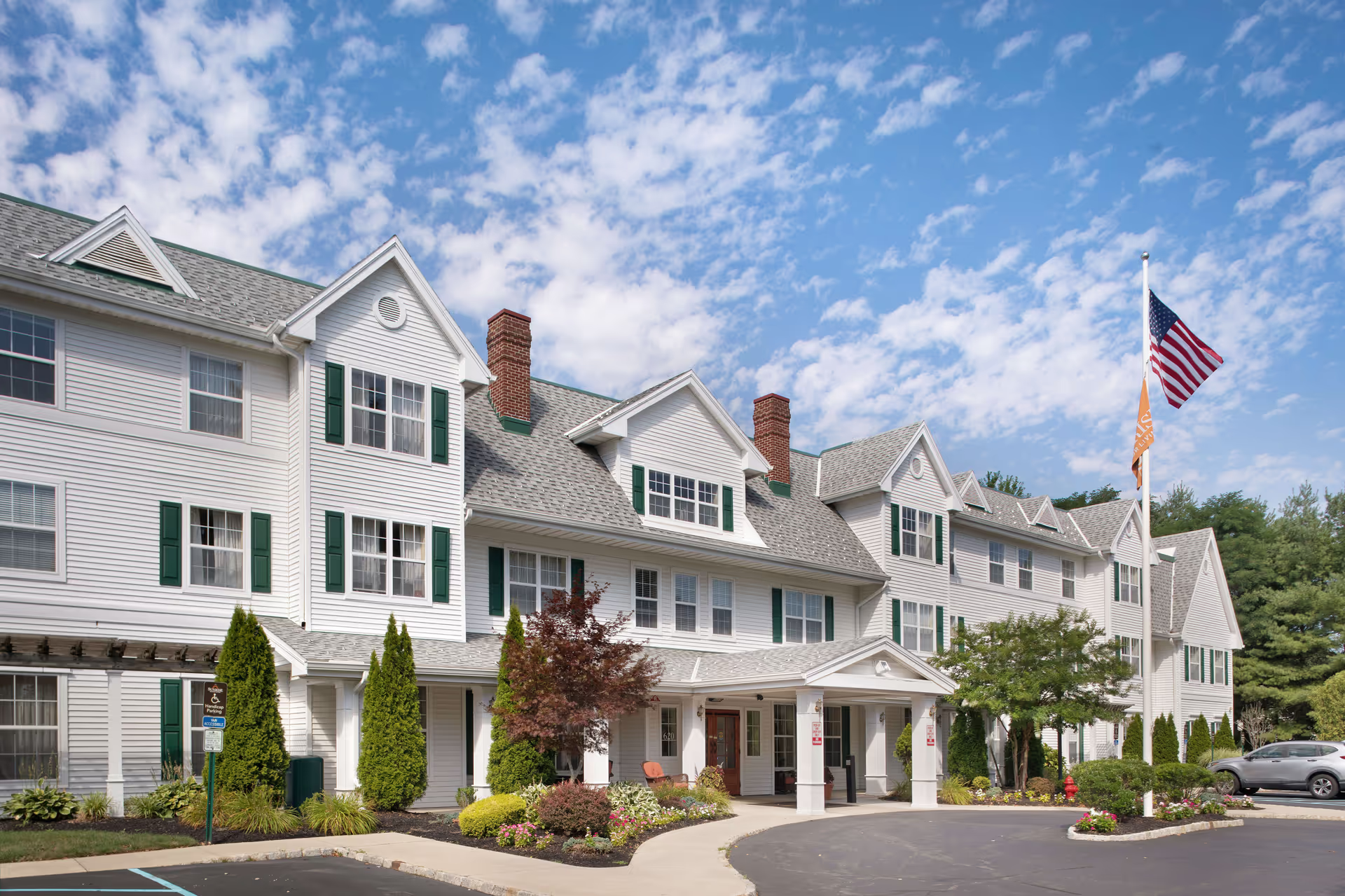
Facilities and sanitation: The building, rooms, and common areas are often described as clean, well‑maintained, and pleasant in appearance. At the facility level there are intermittent sanitation and incontinence‑care delays cited, and a few reviews noted pest‑control concerns in specific rooms. Reviewers also mentioned occasional failures in facility systems (call bells, phones, doors) that can affect resident safety and communication.
Management, communication, and records: Communication with families and administrative responsiveness are recurring themes. Some families report clear, helpful interactions with administration and case management; others experienced delayed or absent responses from nursing leadership and financial representatives, including delays in fund processing. These administrative inconsistencies contribute to family distress and, in some cases, to formal complaints.
Notable patterns and takeaways: The facility shows clear strengths in rehabilitation, several committed staff members, and a generally well‑kept physical environment. The primary vulnerabilities are operational: variable staffing and staff continuity, unreliable responsiveness at times, gaps in clinical coordination and incident response, inconsistent dining and activities, and occasional administrative or financial control concerns. Prospective residents and families would benefit from asking specific, timely questions about current staffing levels, continuity of care, individualized dietary support, incident‑response protocols, pest control, and how the facility secures resident belongings and manages financial transactions.