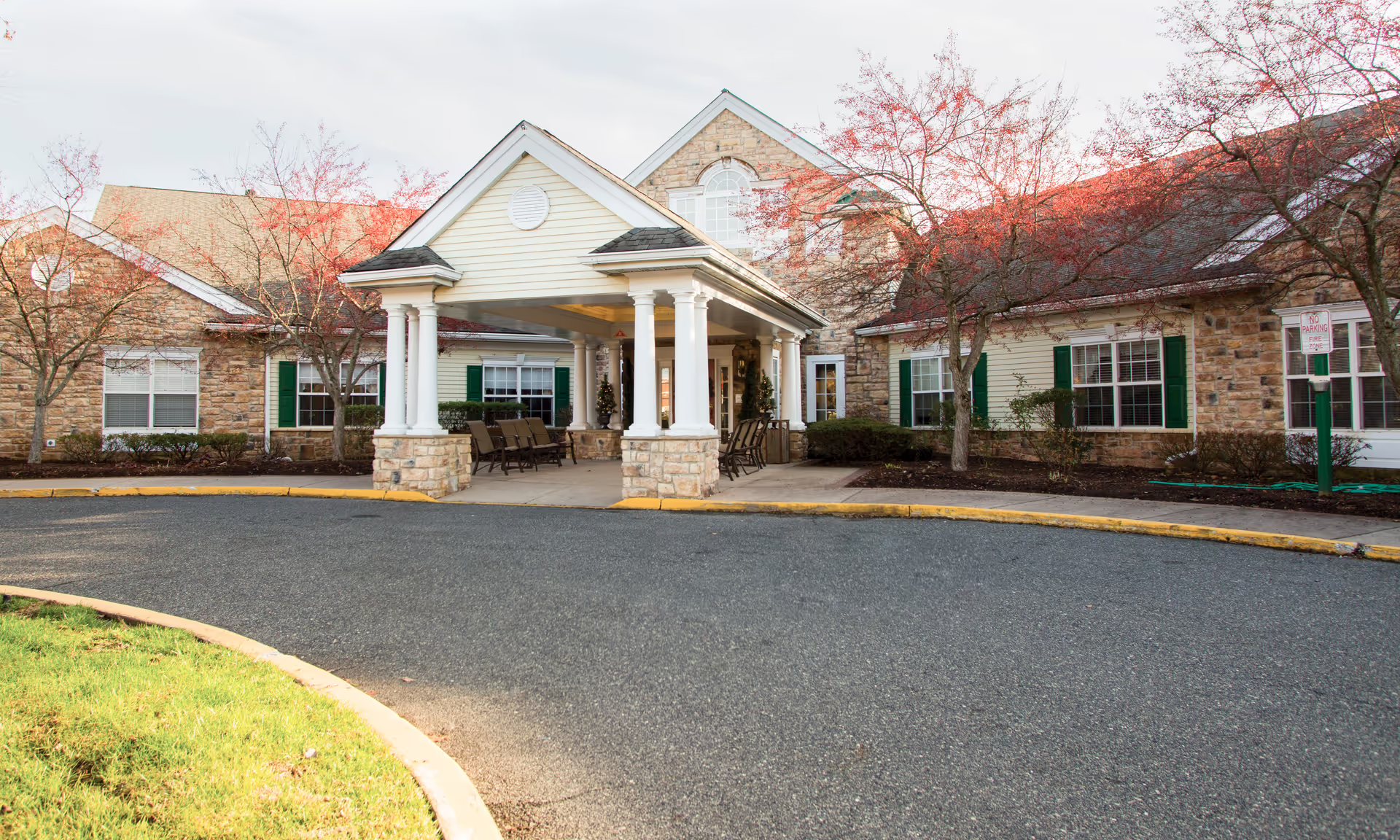
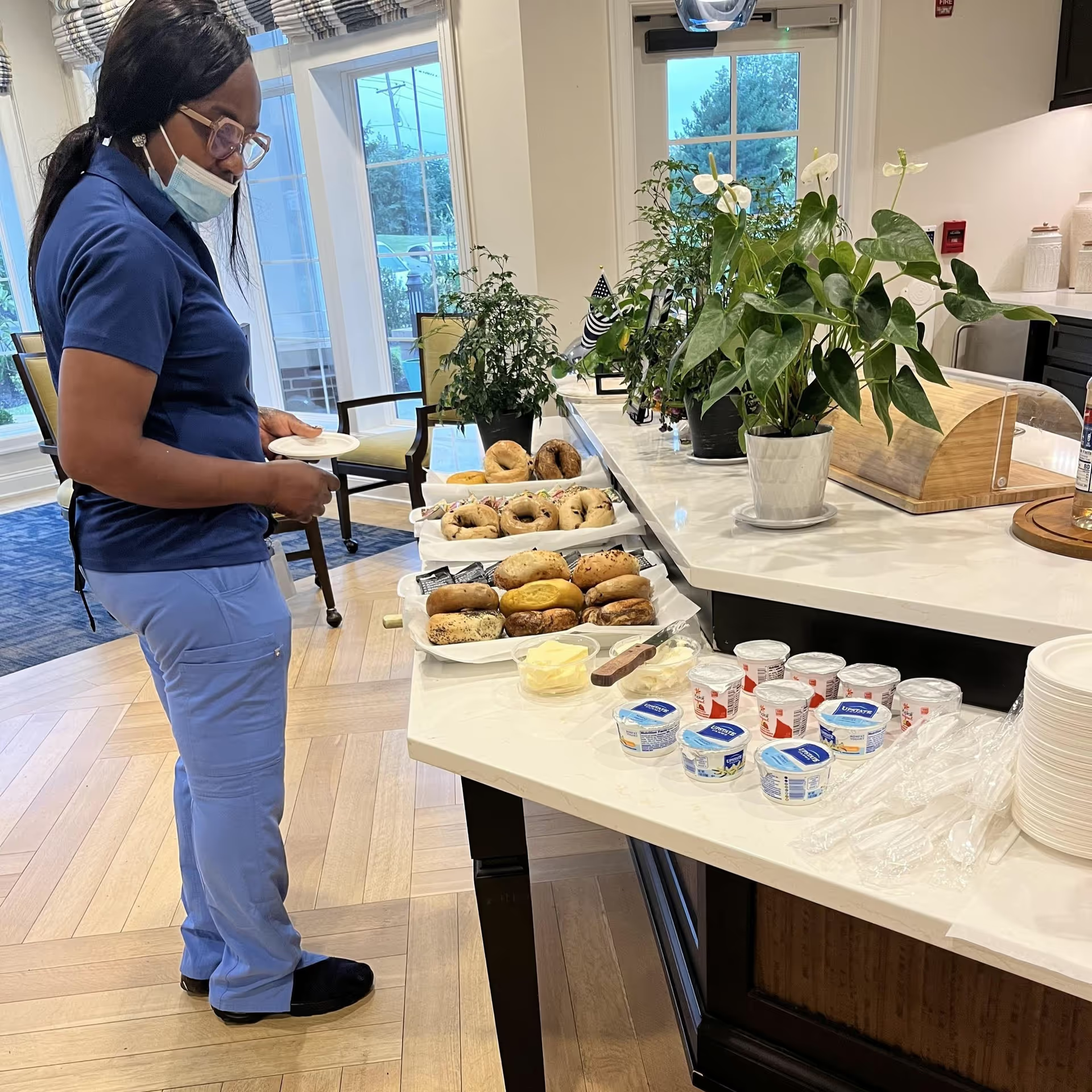
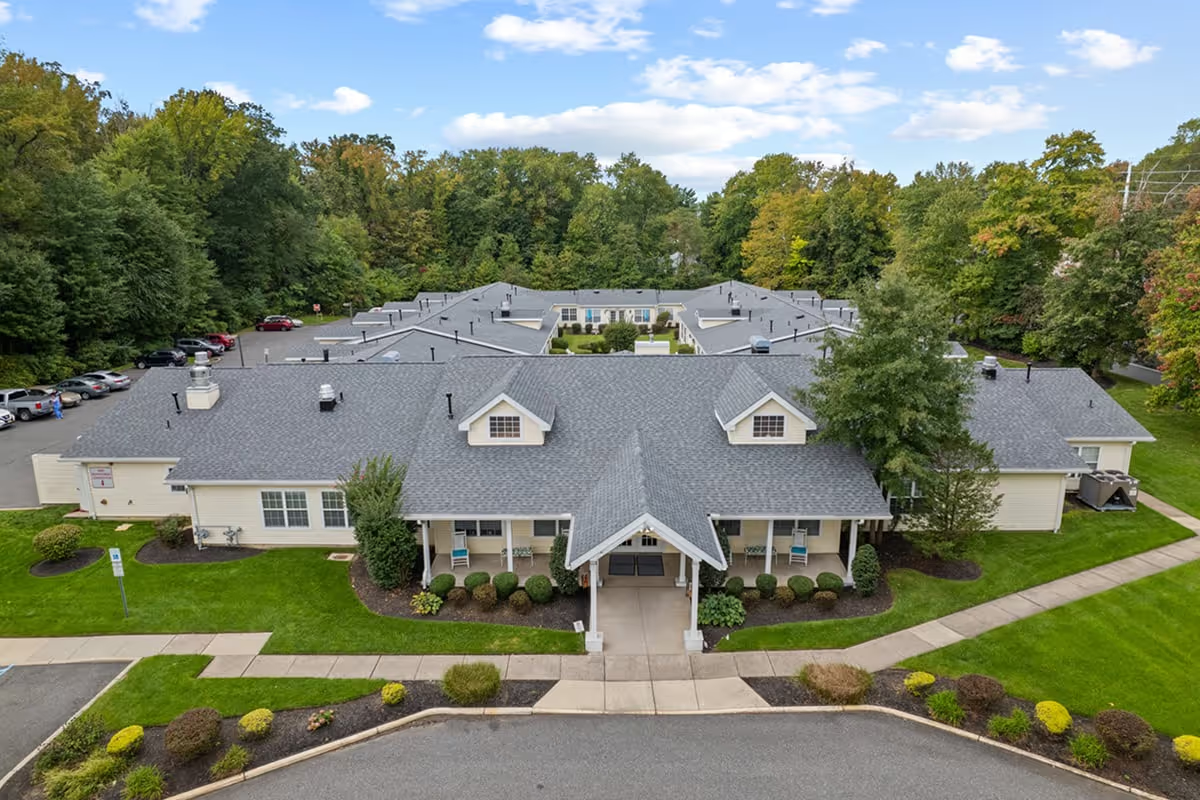
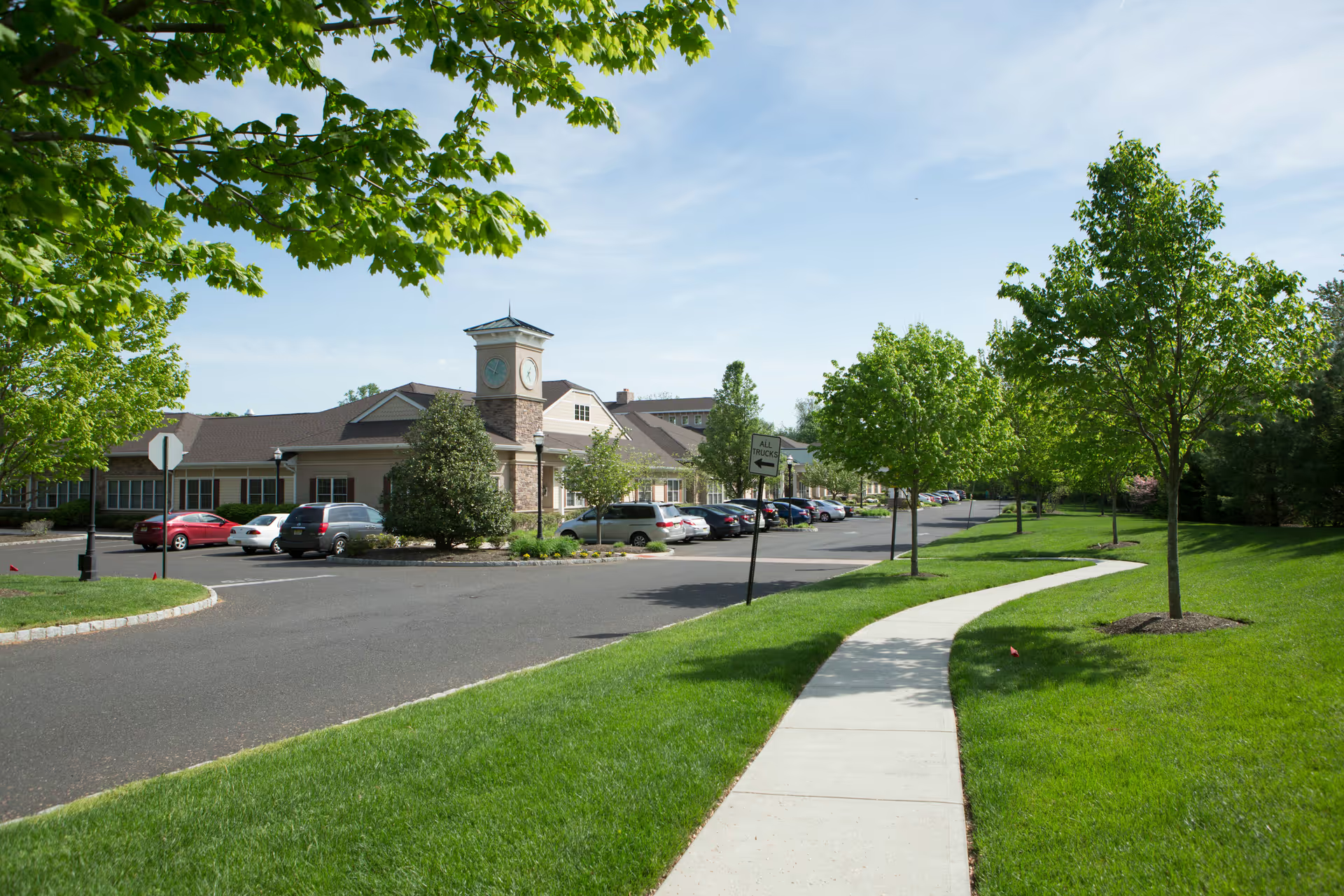
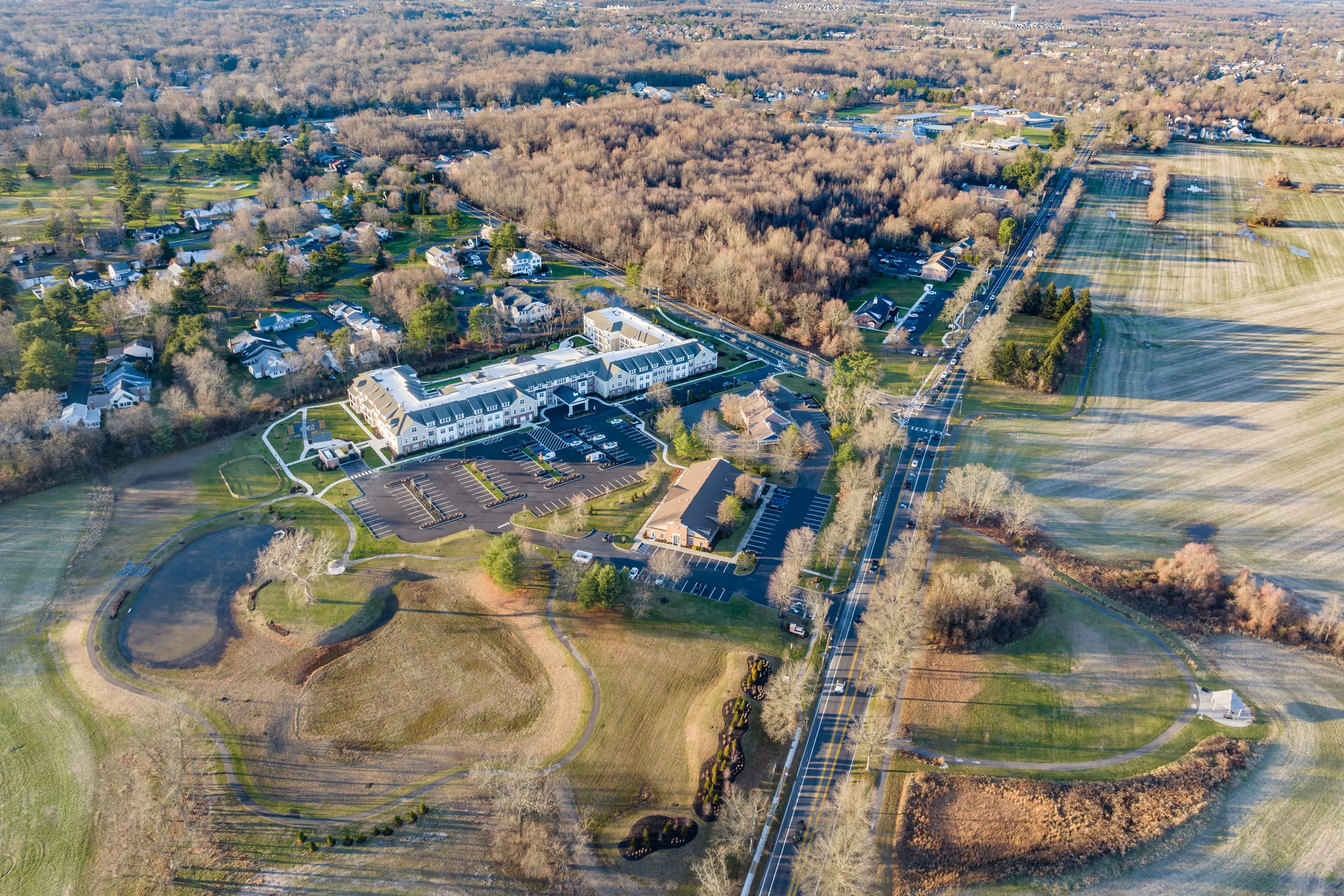
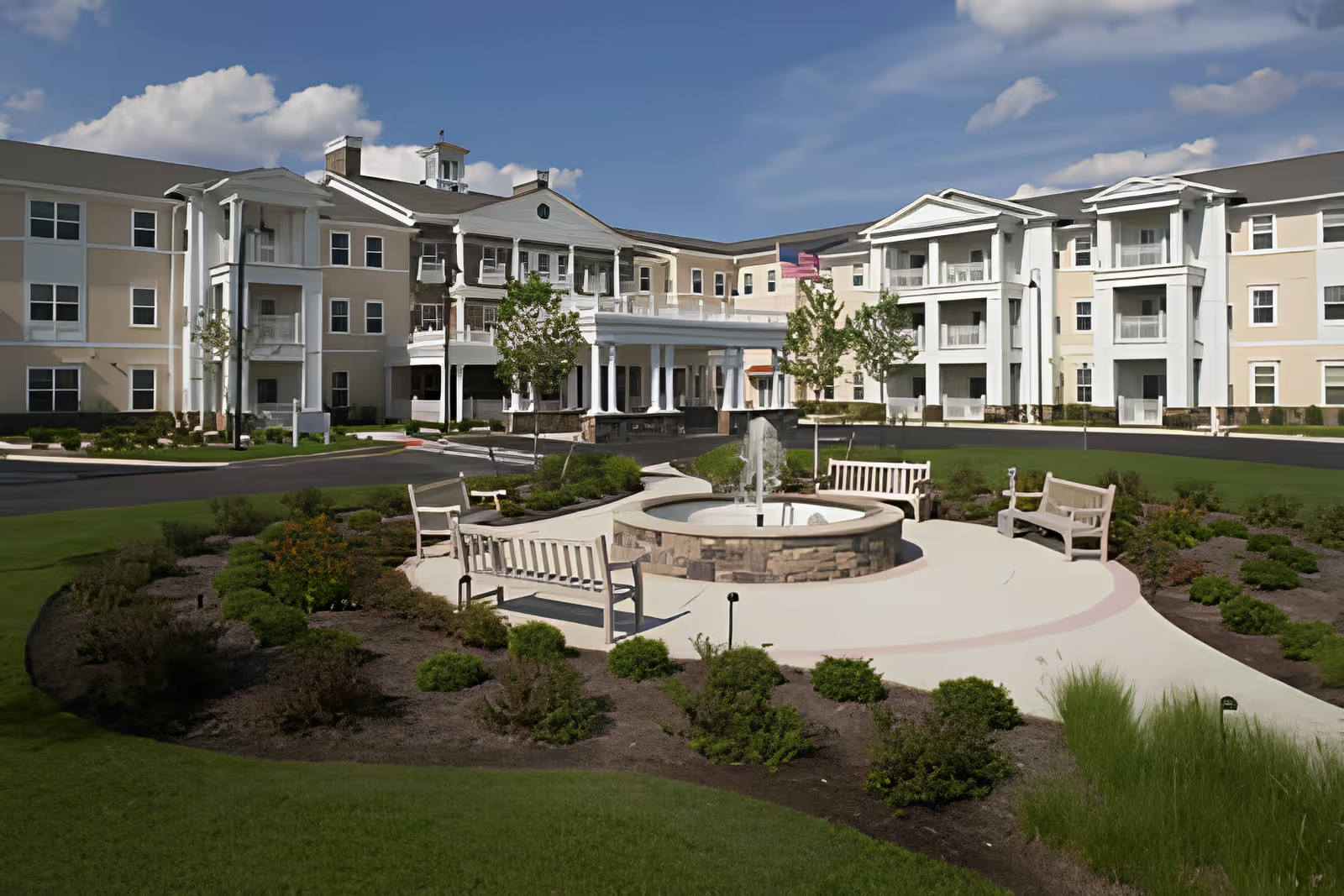
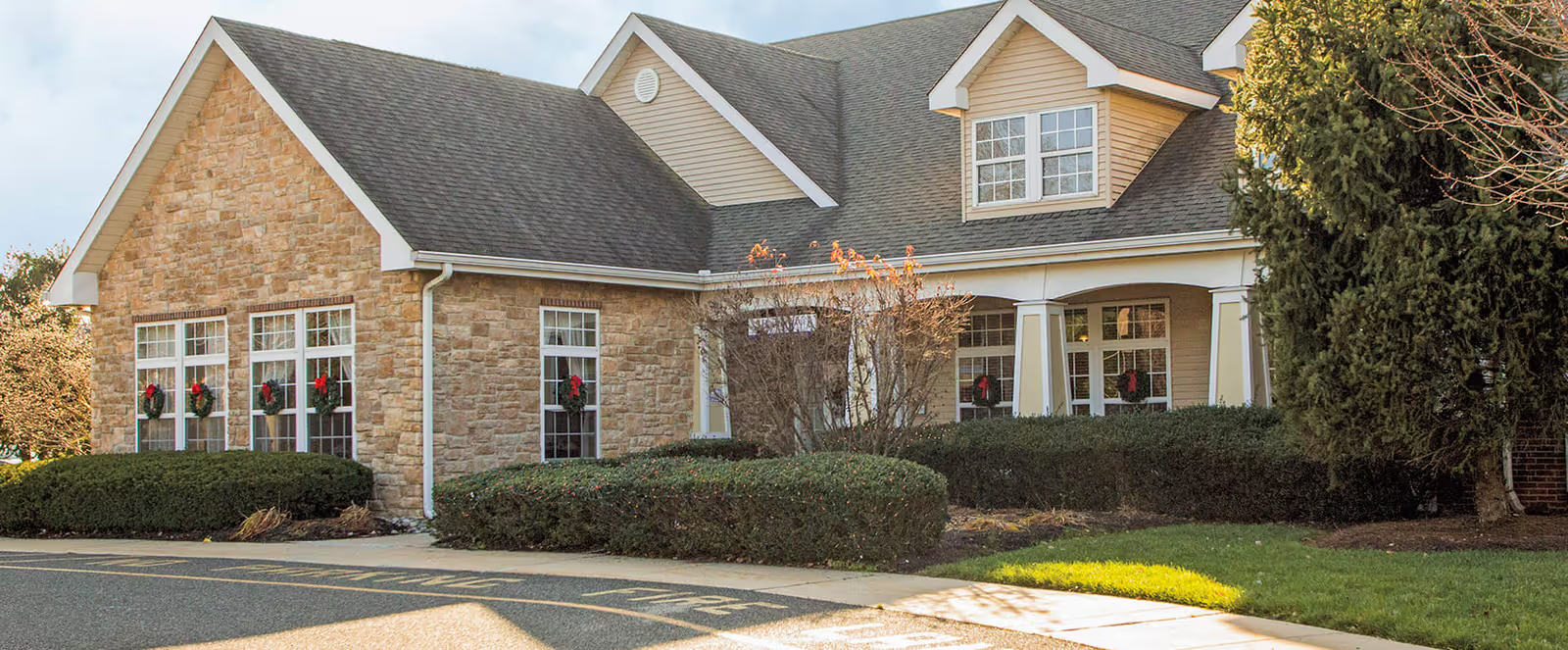
Mount Holly Rehabilitation & Healthcare Center elicits a wide range of family and resident experiences. A clear strength across many accounts is the commitment of frontline caregivers: nurses, CNAs, and many members of the therapy team receive frequent praise for being compassionate, responsive, and effective in helping residents progress in rehabilitation. Reviewers commonly highlight strong PT/OT outcomes, coordinated discharge planning that enabled return home, and engaging life‑enrichment programming (bingo, breakfasts, craft days) that supports socialization. Portions of the facility are described as clean and recently updated, and several respondents noted helpful admissions and concierge services that smoothed transitions.
At the same time, recurring operational weaknesses appear across reviews. Staffing shortages and variability are the most consistent concern; families describe slow call‑bell responses, long waits for assistance, and periods when staffing levels seem insufficient to maintain routine care. Those staffing challenges are associated in multiple accounts with delayed hygiene care, inconsistent bathing schedules, and lapses in preventive measures such as turning schedules and pressure‑relief protocols. A subset of reviews also describes inconsistent wound‑care follow‑through and gaps in documentation related to skin integrity and pressure‑ulcer prevention.
Clinical management and communication show mixed performance. Several families praise clinicians and social‑work support, yet others report communication breakdowns around changes in condition, discharge timing, and transfers to higher acuity care. Pain‑medication timing and medication‑verification processes were cited as variable, and a few serious clinical events (for example, infection and hospitalization) were described in the context of perceived monitoring lapses. There are also allegations concerning missing personal items and medication discrepancies; these are significant concerns that some reviewers urged regulatory attention to.
Dining, facilities, and environment comments are similarly mixed. Many reviewers appreciated food accommodations and found meals acceptable or good, while others described inconsistent meal quality and interrupted meal service. Activity programming, when present, is a clear asset and contributes positively to resident morale. Conversely, some families noted noisy, mixed‑acuity units where residents with cognitive impairment disrupted sleep for others, and several reviewers raised pest‑control and sanitation concerns in specific units or rooms.
Management response and trends: several reviews applaud proactive leadership and visible improvements under management, including follow‑up on complaints and staffing plans. However, other families reported poor communication or slow follow‑up. The overall pattern suggests variability in unit‑level performance and that experiences depend heavily on staffing on a given shift and on specific unit assignments.
For prospective residents and families: ask targeted questions about current staffing ratios on the unit, pressure‑ulcer prevention protocols (turning schedules, heel-protection policies), wound‑care and documentation processes, call‑bell response times, and how dementia care and mixed‑acuity placement are managed. Confirm expectations for hygiene schedules, medication‑administration timing, and how the facility handles inventory and documentation for personal items and medications. A tour that includes the prospective unit during active hours and a conversation with nursing leadership about recent quality metrics may help set expectations and identify whether the facility’s strengths align with the resident’s needs.