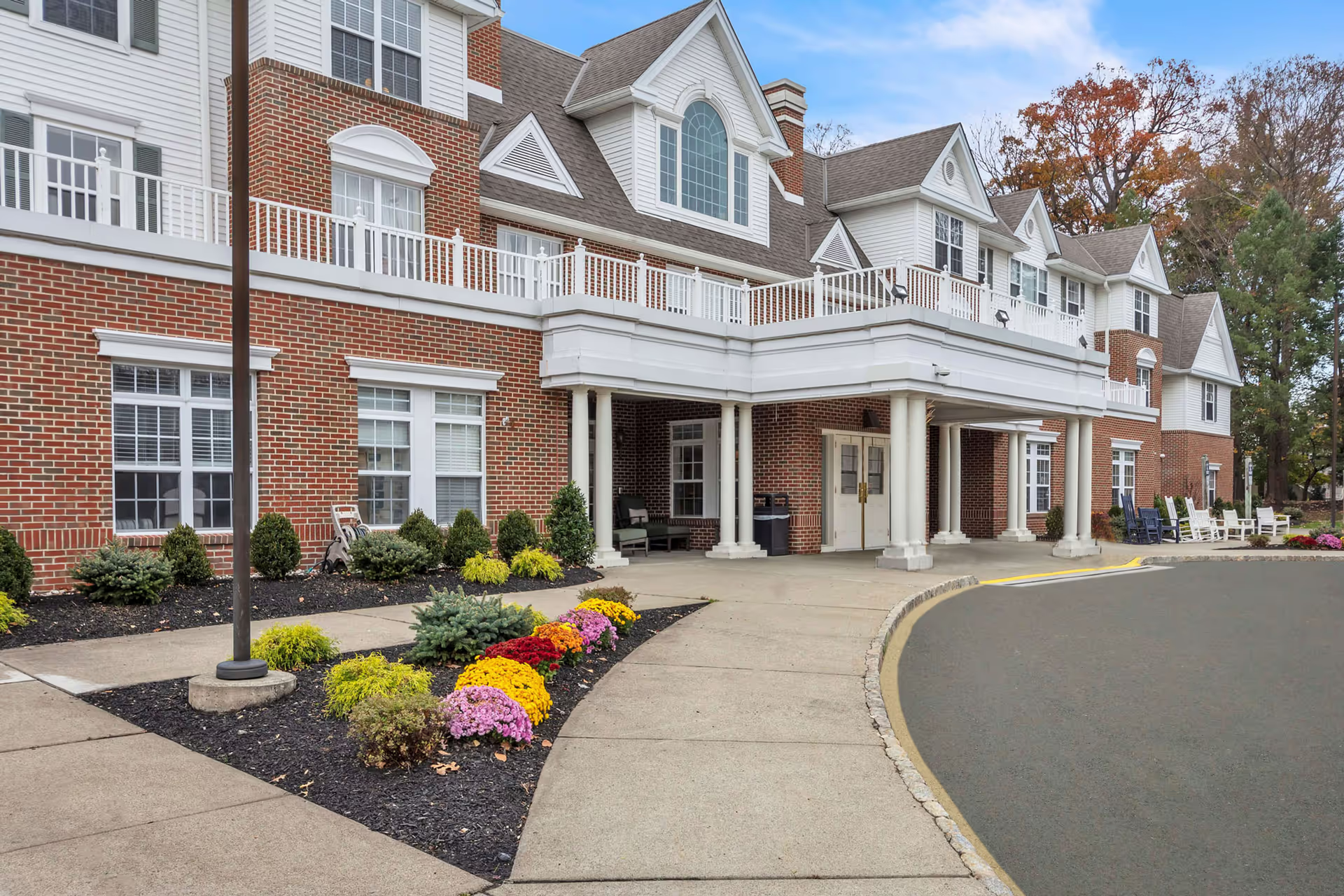
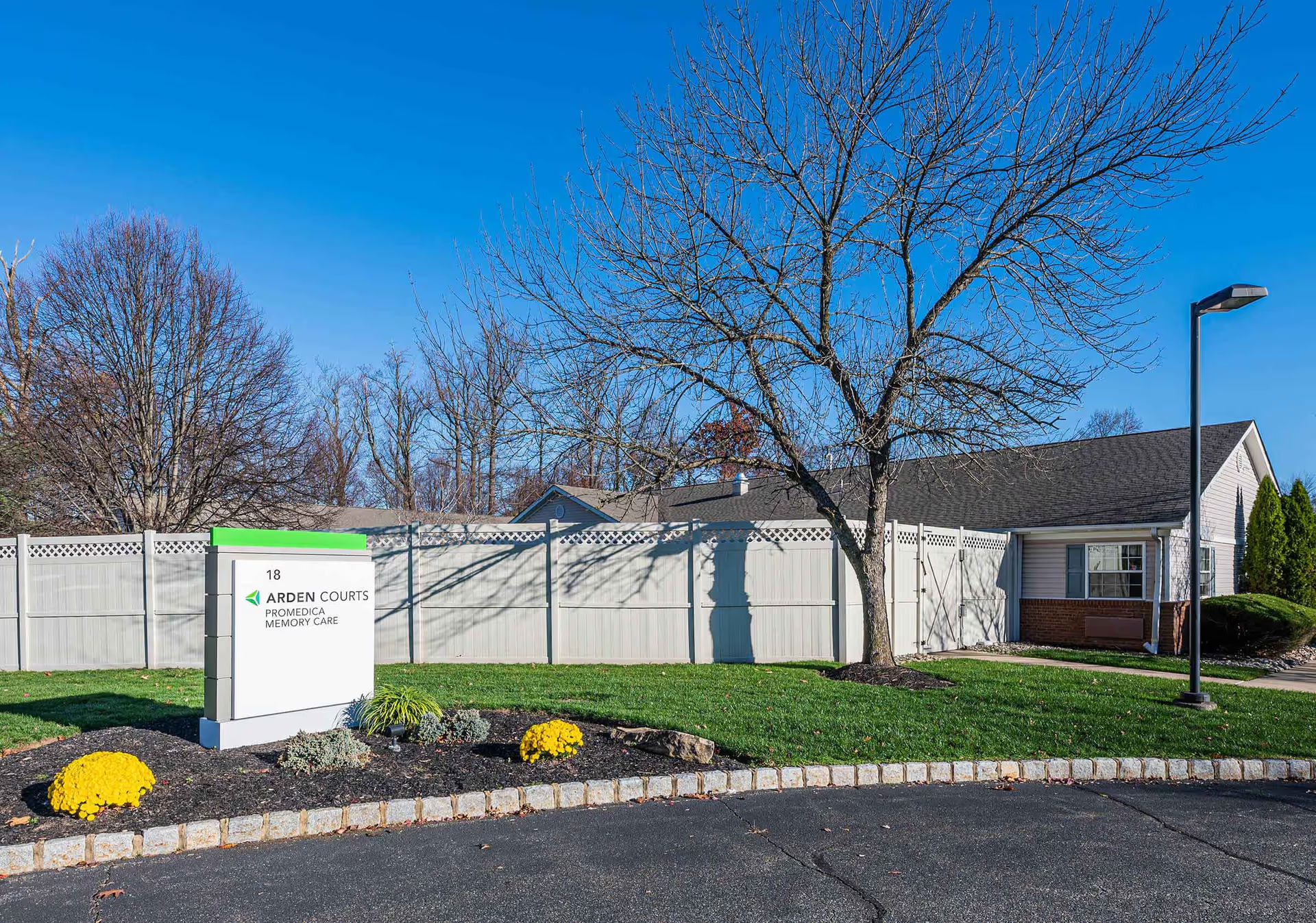
The reviews of Pine Acres Healthcare & Rehabilitation Center present a mixed but informative picture. Consistently praised aspects include a caring frontline staff, robust rehabilitation services, and attentive administration on many shifts. Therapists (OT and PT) and activity staff receive frequent commendation for improving mobility and engagement, and multiple families highlight the facility's clean, well-maintained environment and pleasant grounds. Admissions and care transitions are often described as smooth, and there is capacity for nutritionist-driven accommodations and hospice support when needed.
Care quality shows notable strengths and variability. Many families report compassionate, individualized nursing and hands-on therapy that support successful short-term rehabilitation and discharges home. At the same time, some accounts identify operational weaknesses in clinical monitoring and medication workflows — examples include delayed medication administration, missed weight or fluid monitoring, and instances where care-plan elements were not consistently followed. These reports point to inconsistency in clinical vigilance rather than a uniform standard of practice across the facility.
Staffing and responsiveness are recurring themes. Reviewers frequently praise specific staff members and administrators for being accessible, communicative, and proactive. However, there are multiple references to uneven staffing levels by unit and shift (notably second-floor and nighttime coverage), which correlate with slower response times, delayed assistance, and perceived declines in attention. Leadership responsiveness is described as strong in some interactions but inconsistent in others; several families credit particular administrators with positive outcomes while others describe difficulty obtaining timely updates.
Dining and dietary safety show a split pattern. The facility offers nutritionist oversight, menu flexibility, and the ability to accommodate preferences or home-cooked items; some reviewers praised appealing meals. Conversely, many accounts cite variable food quality, cold or unpalatable meals, and concerns about safe handling of texture-modified diets. A number of reviewers raised dietary-safety process lapses that warrant direct inquiry during a tour (for example, assurance that puree or modified-consistency diets are handled consistently and safely).
Facilities and activities are generally viewed positively: clean rooms, pleasant landscaping, multiple common areas, and an active recreation program contribute to a welcoming atmosphere. That said, some families describe the physical plant as older in portions, with smaller shared rooms and shared bathrooms that may be less suitable for long-term placement. Sanitation and odor concerns were raised for specific areas or rooms, suggesting inconsistent housekeeping or maintenance attention in parts of the building.
Notable patterns and practical advice for prospective families: subacute and rehab services tend to receive the strongest positive feedback, while long-term placements surface more variability in experience. Key topics to address during a visit include staffing ratios by unit and shift (including nighttime coverage), medication-administration protocols and clinical monitoring practices, dietary-safety procedures for modified-consistency meals, housekeeping and sanitation checks for specific rooms, and safeguards for residents' personal belongings. Asking for recent quality metrics, examples of how the facility handles clinical incidents, and references from families who have completed rehab there can help set realistic expectations.
Overall, Pine Acres demonstrates clear strengths in therapy, compassionate caregiving, and an inviting physical environment, but the facility also shows operational inconsistencies that prospective residents and families should probe before making placement decisions.