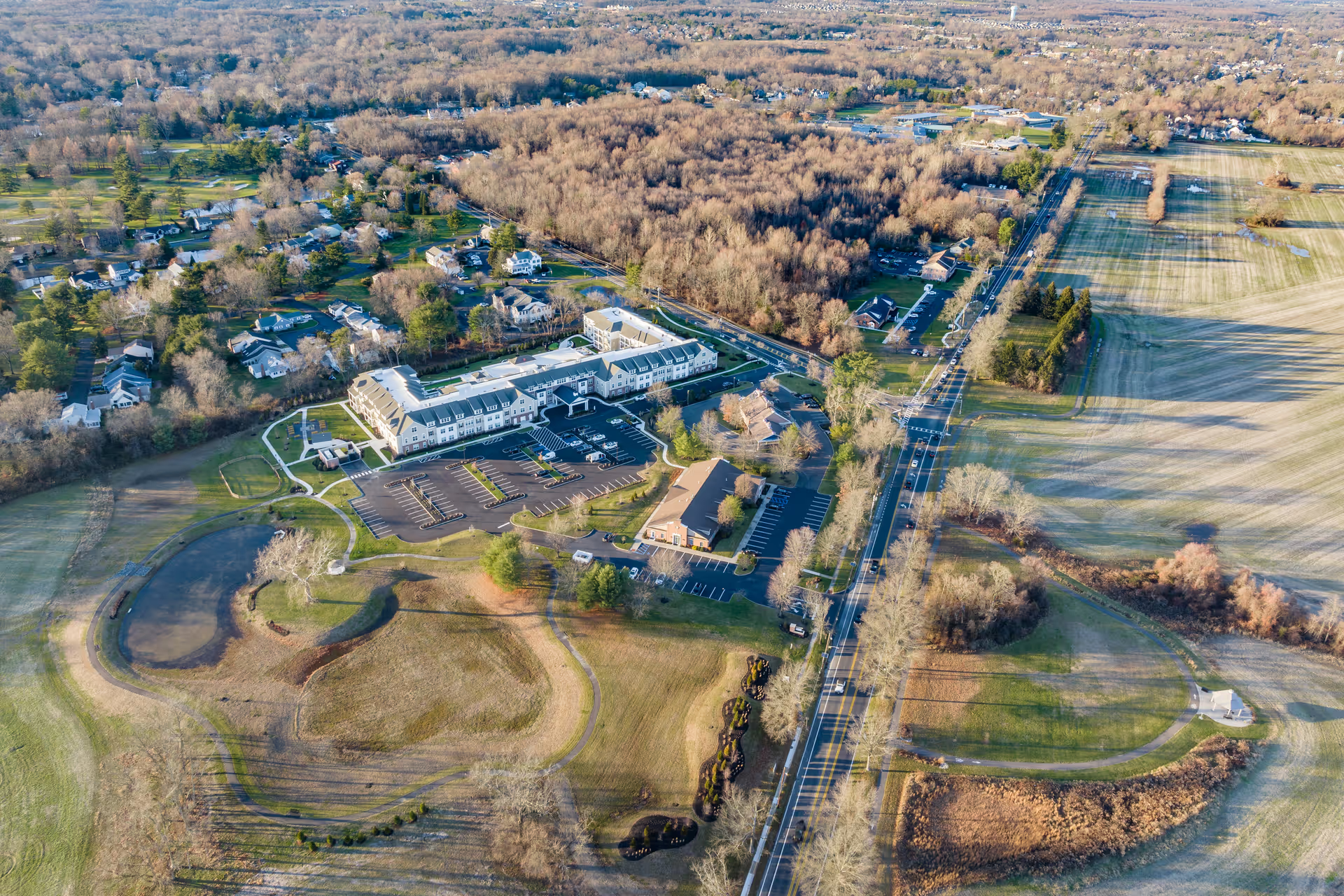
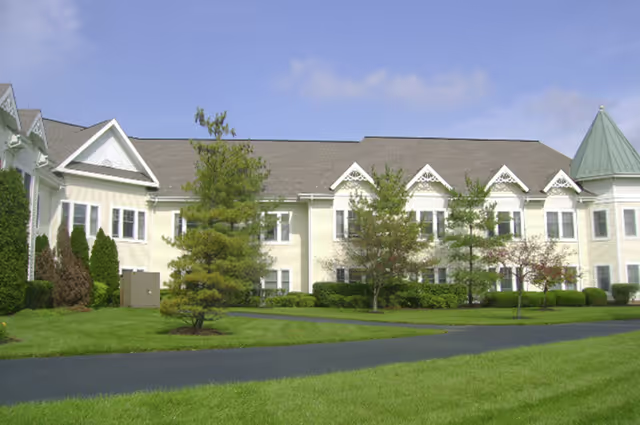
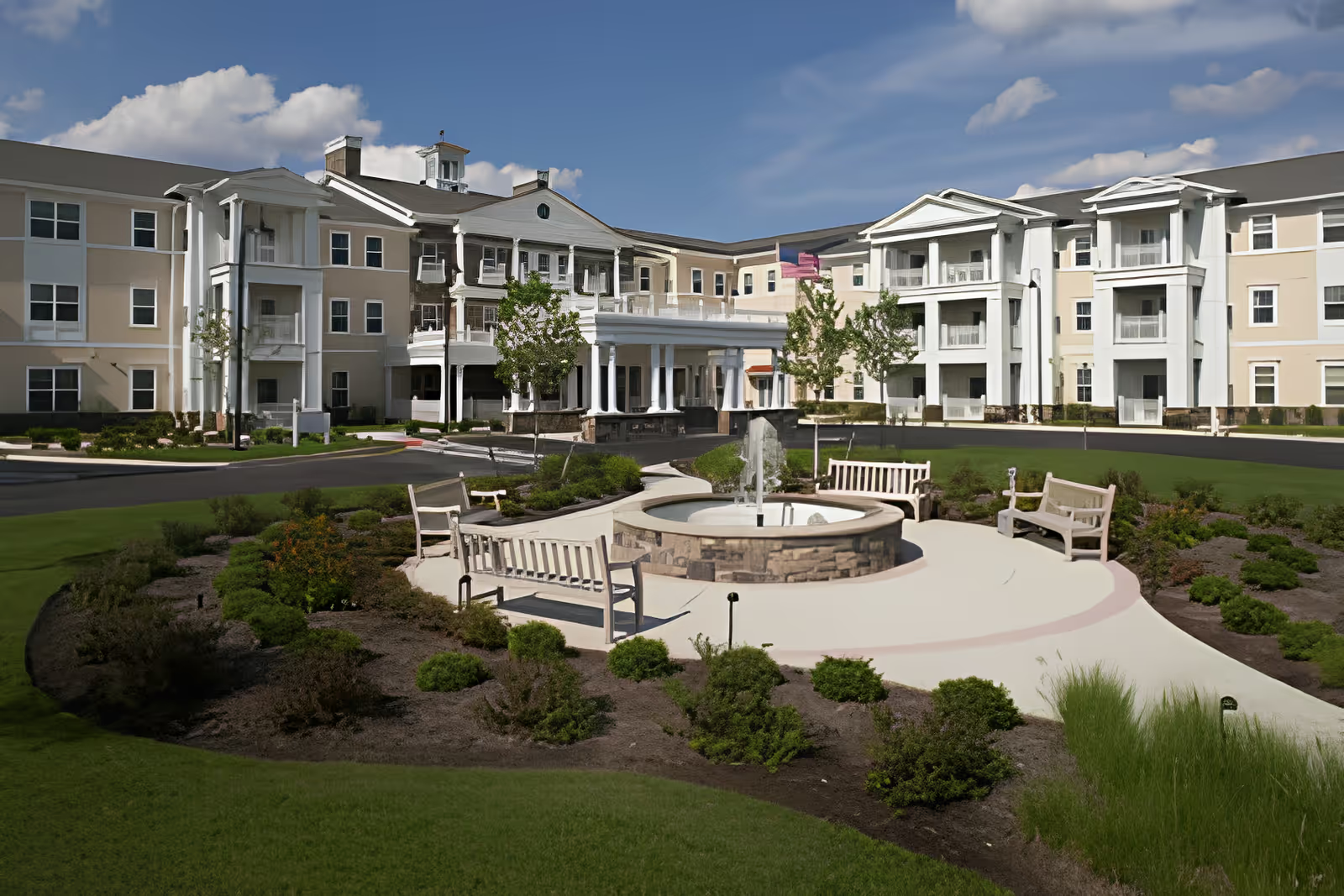
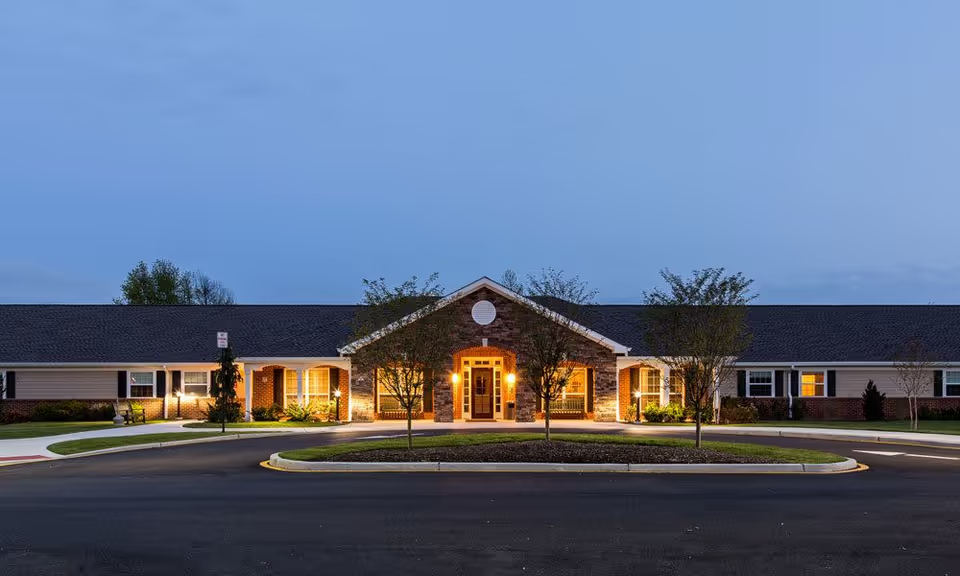
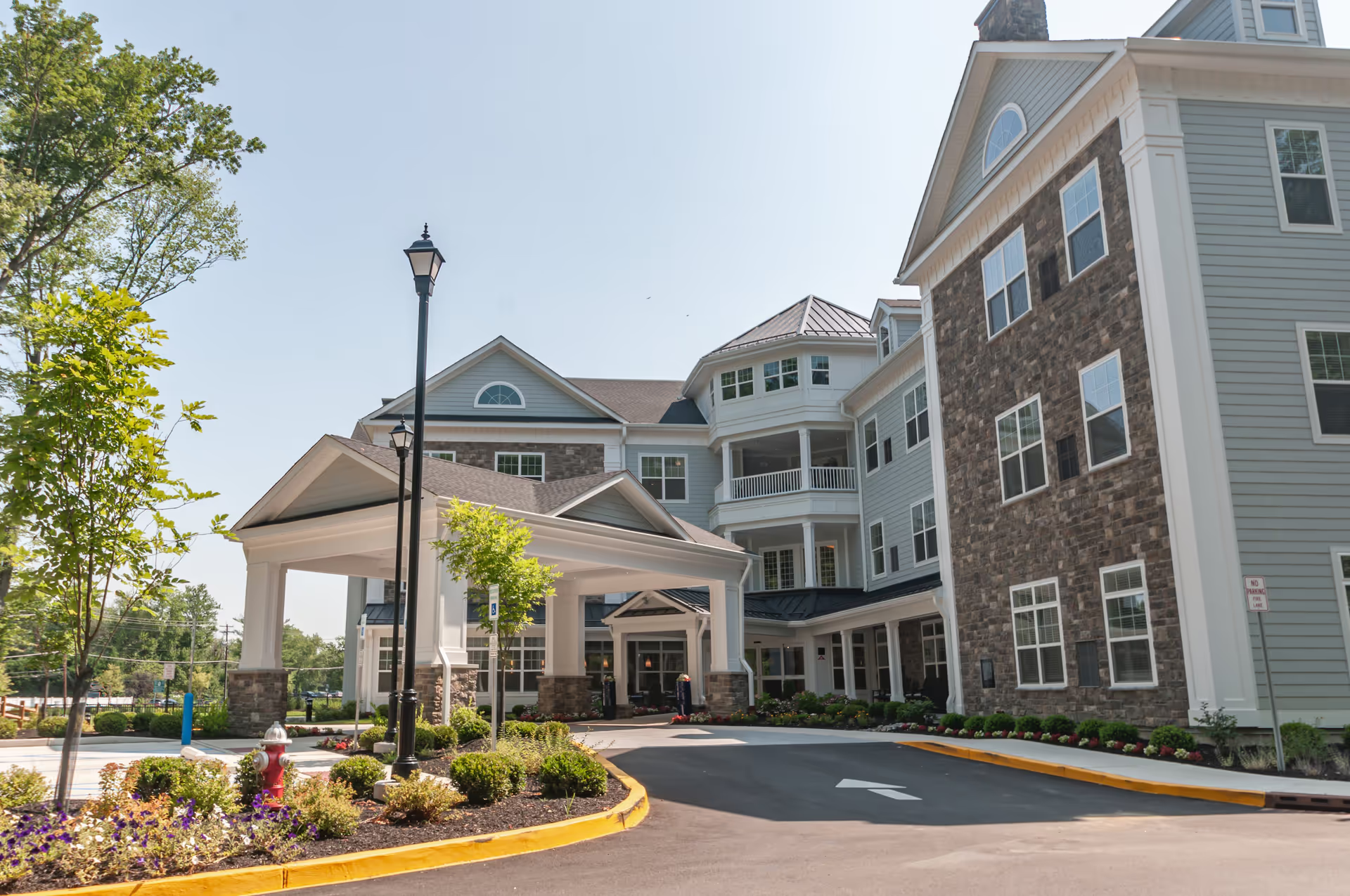
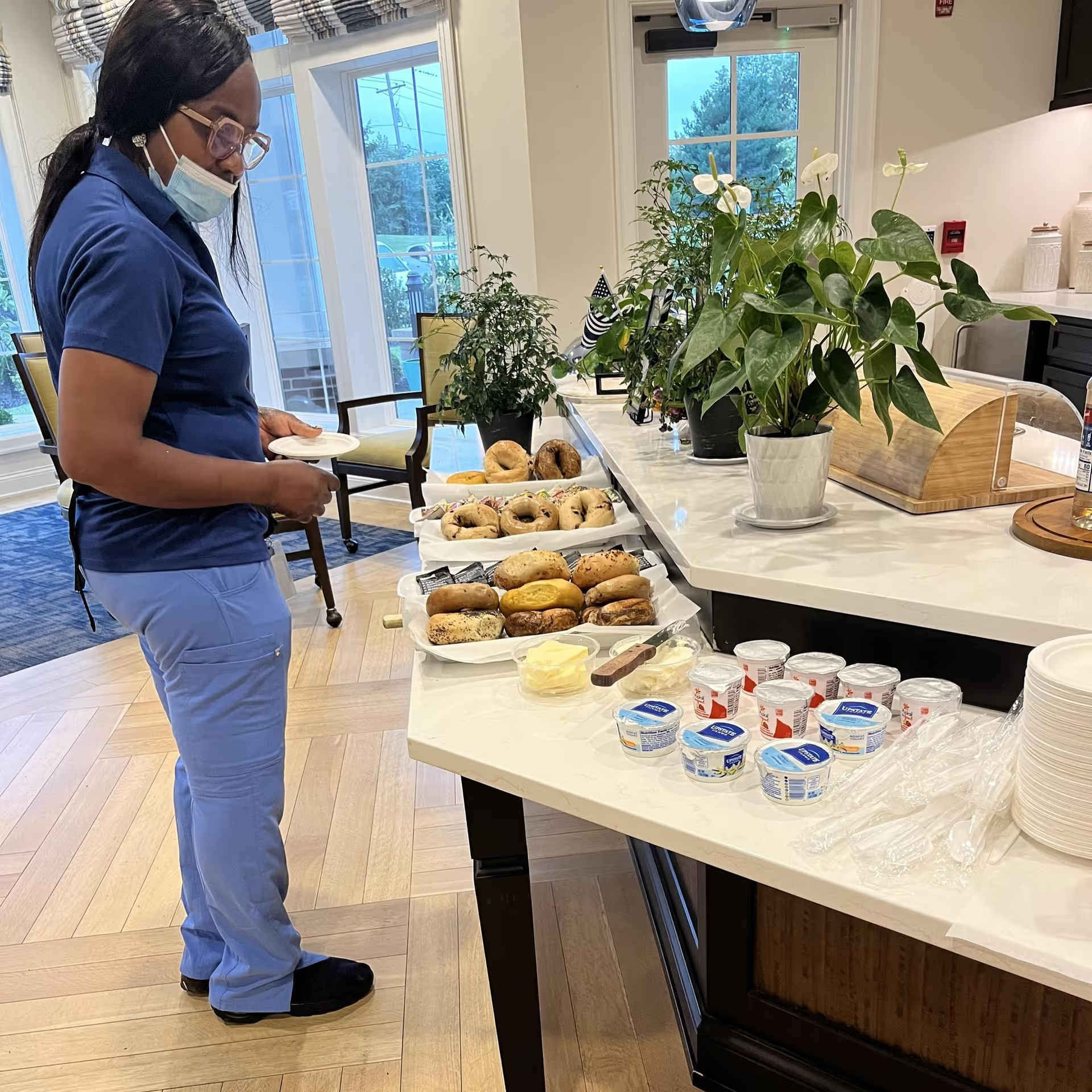
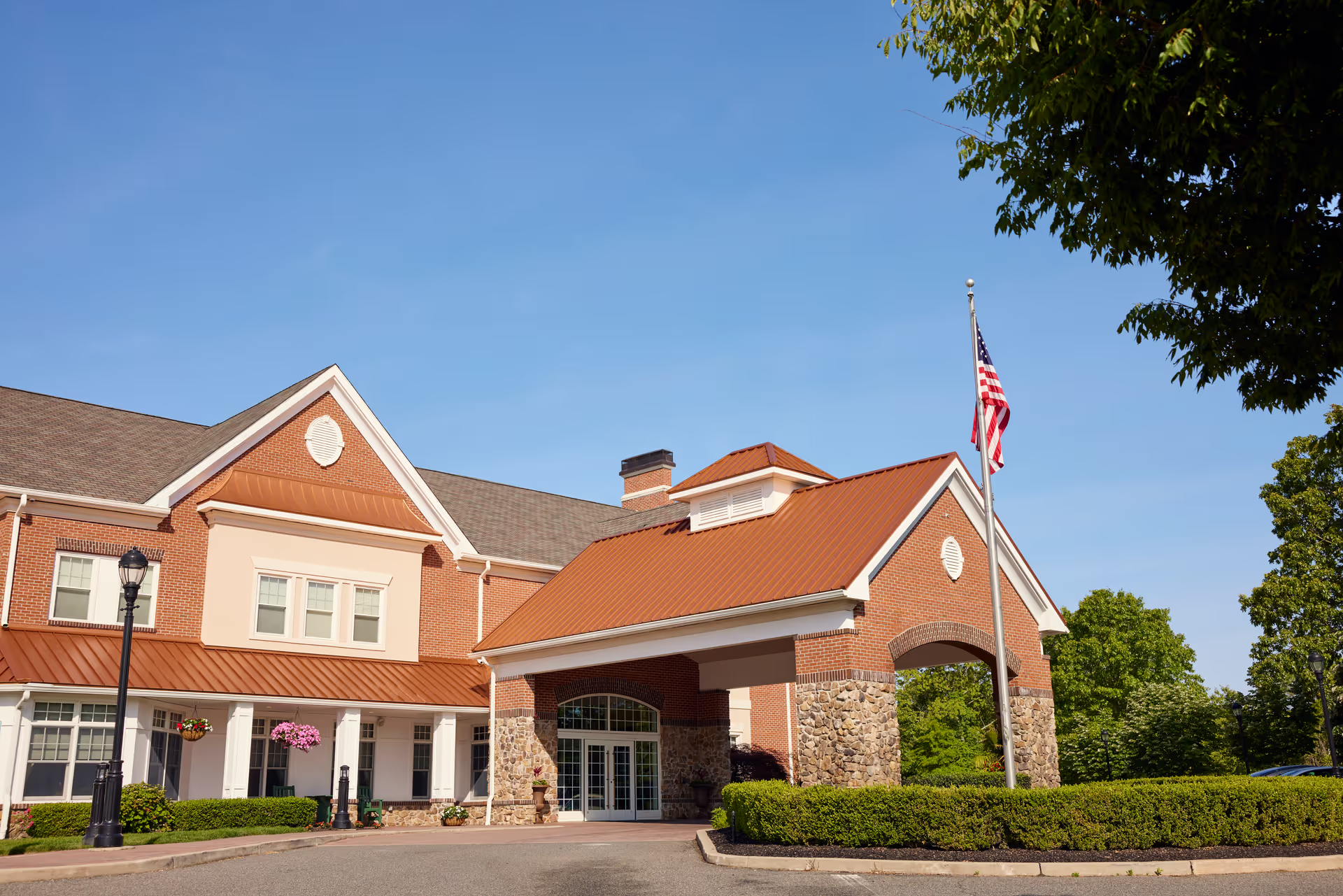
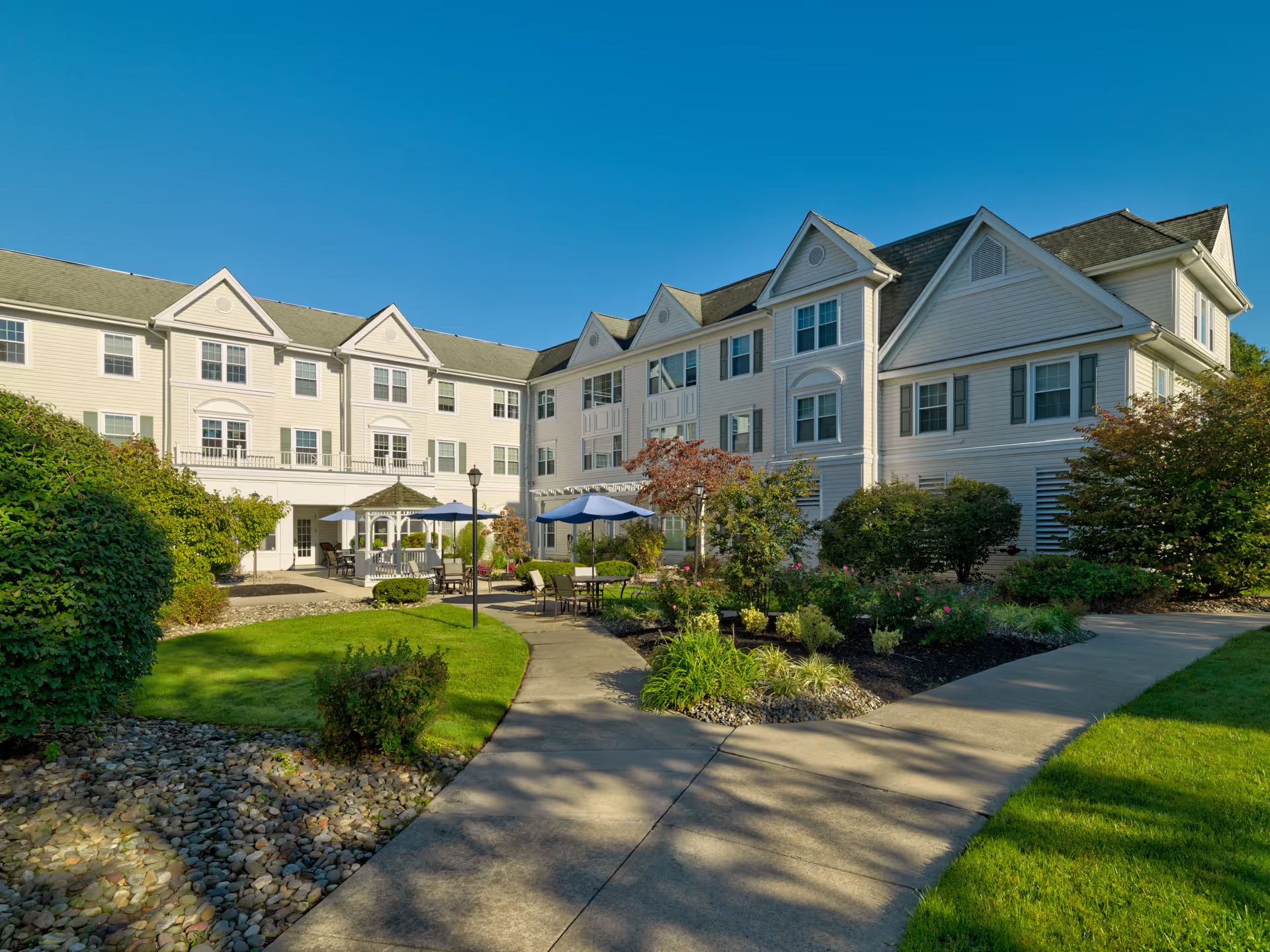
Medford Leas offers a broad continuum of services and an amenity-rich campus that many families and residents find attractive. Strengths commonly cited include integrated clinical resources (an on-site outpatient clinic and weekend emergency nursing), long-tenured clinical leadership, and continuity of care that spans independent living through skilled nursing. The grounds and setting are repeatedly described as a major asset: an arboretum-like, park-style campus with extensive walking paths, planted areas, and private apartments with outdoor access. Dining and hospitality are also frequently praised, with references to formal dining, restaurant-quality meals, and attentive food service.
Activity and wellness programming is another consistent positive. Reviewers describe a wide range of clubs, on-campus classes (sewing, ceramics, yoga), robust transportation to shopping and cultural events, and therapy amenities such as a pool and physical therapy services. Residents and families cite an active social calendar, regular trips, and resident-run committees that support engagement and a cohesive community culture. Several accounts emphasize that staff and volunteers go above and beyond routine duties, contributing to a sense of safety and comfort for many households.
At the same time, the reviews surface a set of recurring operational concerns. A number of reviewers describe inconsistent staff professionalism and responsiveness — examples include delays in answering call bells, variability in caregiver demeanor, and instances of inappropriate staff conduct. Communication with families and coordination across teams is another theme; relatives report occasions when care concerns felt inadequately acknowledged or when administrative responses were perceived as rigid. Cleanliness and sanitation were characterized as uneven: while many areas are maintained to a high standard, some common areas and units were described as needing improved cleaning and upkeep.
Facility layout and cost are practical considerations for prospective residents. The campus is expansive and scenic, but its size creates accessibility challenges for individuals with limited mobility or for those who must travel between scattered buildings for dining and services. Several reviewers also raise concerns about pricing and tax burdens, and a few describe a mismatch between marketing messages and day-to-day experience. More serious governance issues appear in a small number of accounts — including allegations of theft, resident-to-resident bullying without clear policy enforcement, and instances of staff behavior that undermine trust (for example, staff vaping on premises was cited). These latter items suggest opportunities for stronger safety, policy enforcement, and family communication protocols.
Overall, Medford Leas is presented as an attractive, well-resourced retirement community with many enduring strengths in care continuity, amenities, and campus environment. Prospective residents should weigh those strengths against the facility-level concerns described above: variable staff conduct and responsiveness, occasional cleanliness and maintenance inconsistencies, campus accessibility given its size, and the community’s admissions and safety policies. Visiting multiple times, speaking with current residents and families, and asking management for specifics on staffing ratios, incident-response protocols, anti-bullying and theft-prevention measures, and transition/admissions rules will help families assess fit given both the positive attributes and the areas needing attention.