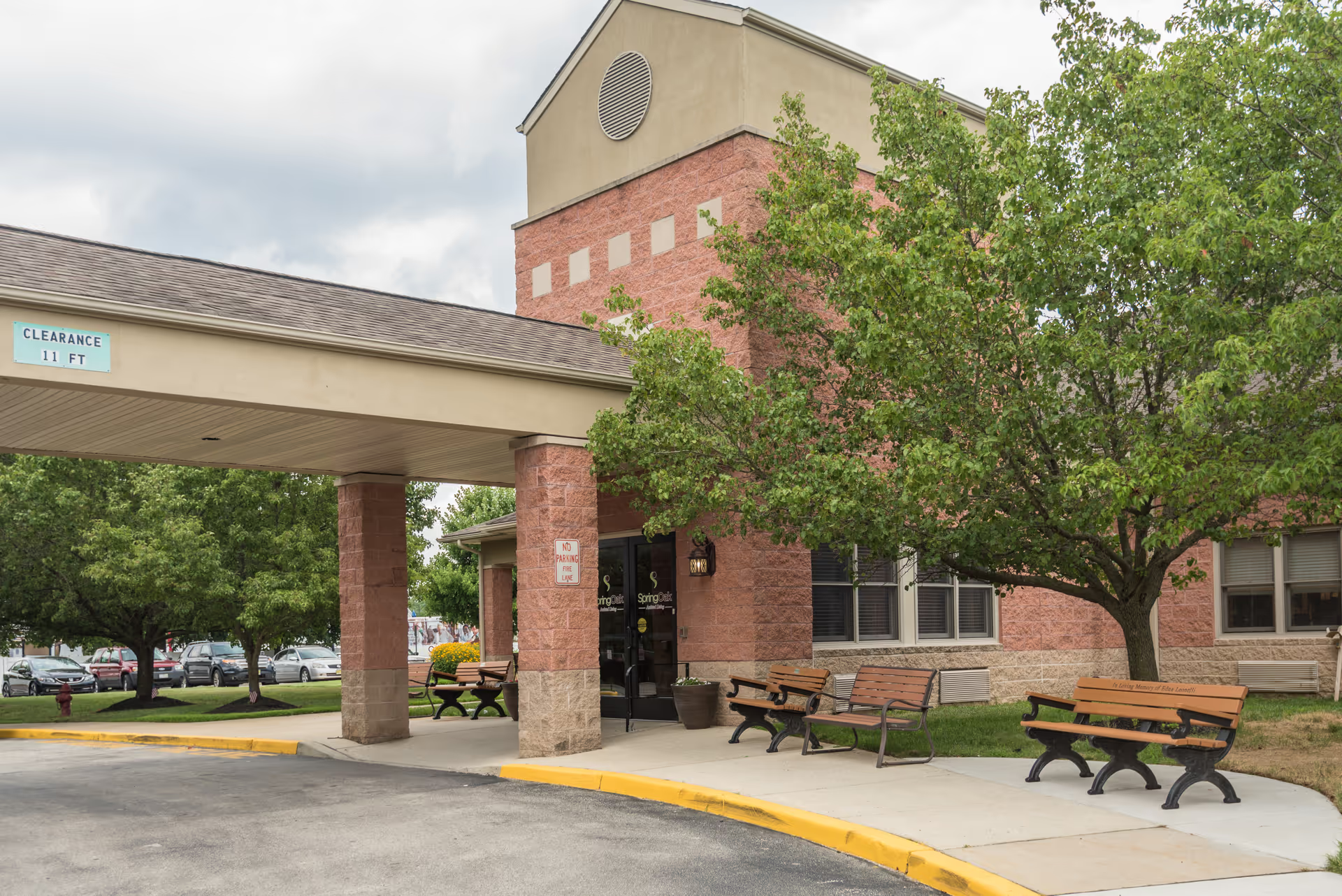
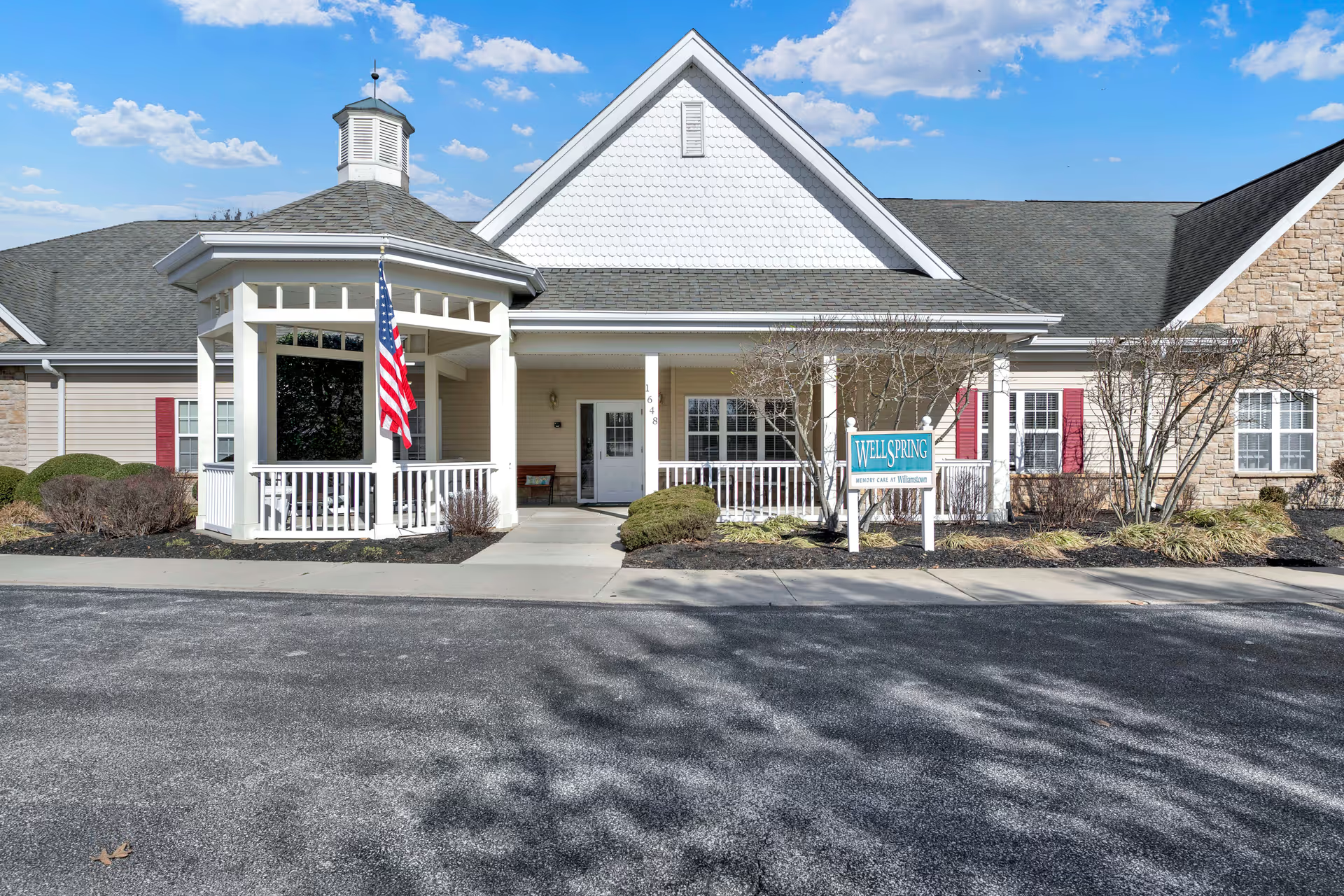
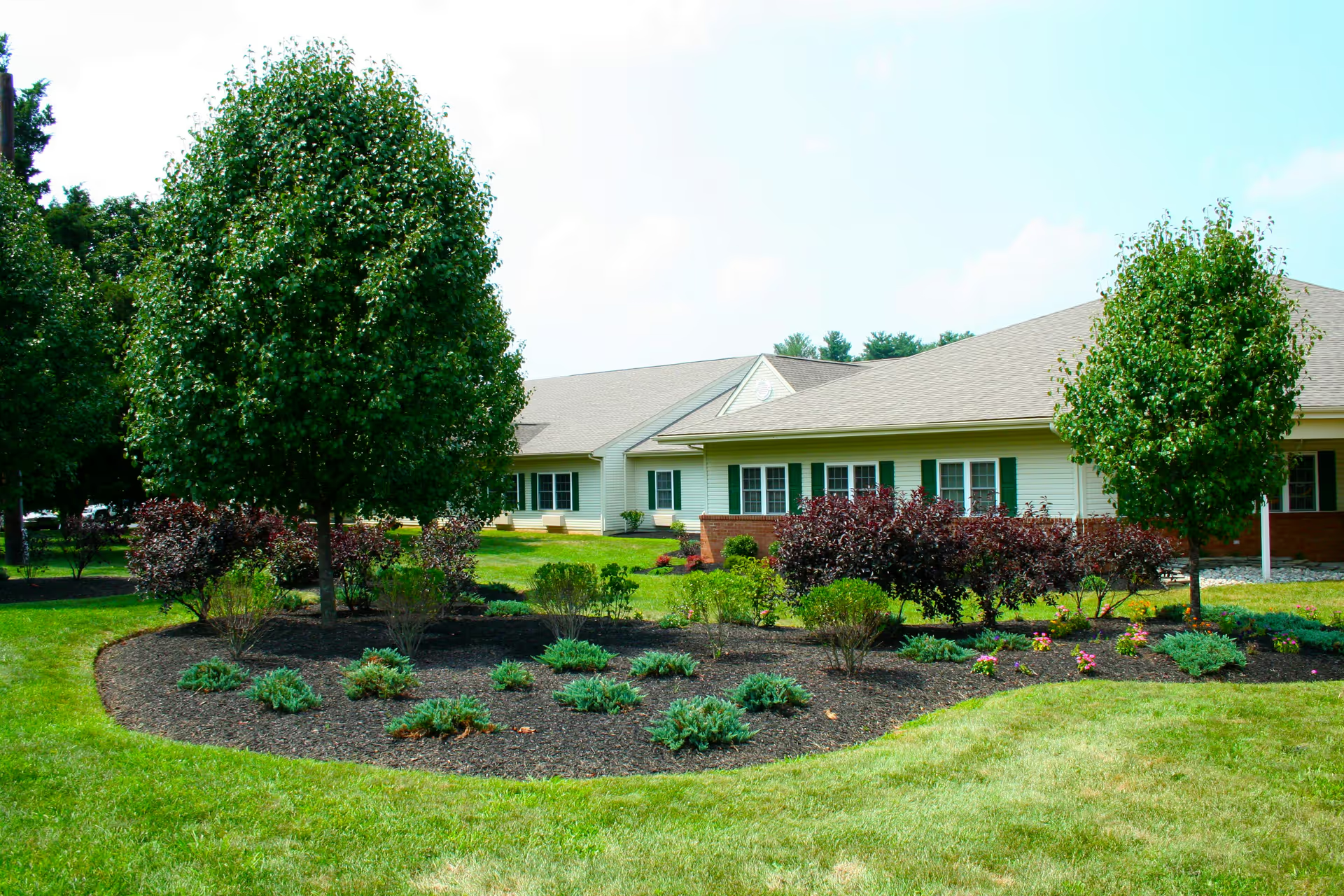
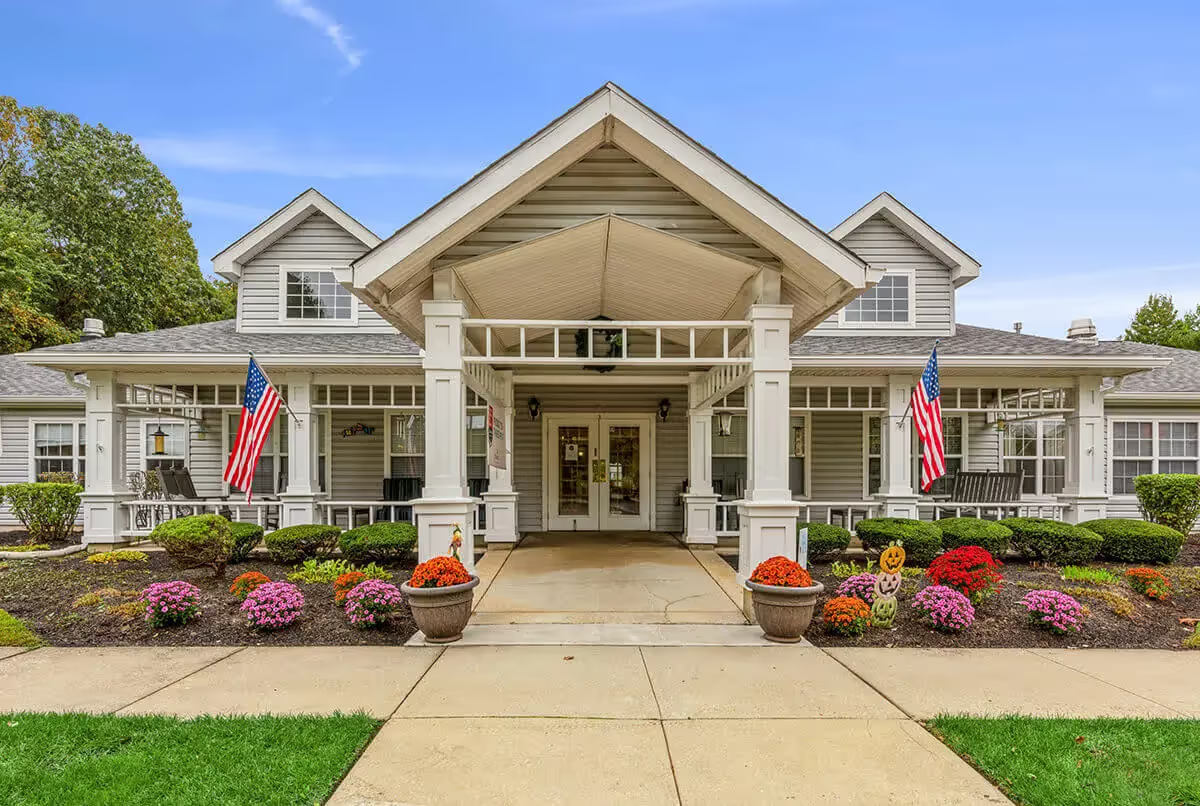
Maurice House presents as a small, residential assisted living community with many strengths noted by families: a clean, well-maintained physical environment; a compact, community-oriented feel; and staff members who are frequently described as friendly, compassionate, and helpful. Maintenance and support staff receive particular praise for hands-on assistance during moves and end-of-life situations. The facility offers daily programming and holiday entertainment, trial and respite-stay options, and an on-site kitchen with a chef who has produced several well-liked dishes.
Care quality is described in mixed terms. Numerous accounts praise hands-on, compassionate caregiving and responsive end-of-life support, indicating that many families found the clinical and personal care reassuring. However, several reviewers raised substantive concerns about clinical responsiveness and communication during acute events, including delays in recognizing or communicating changes in a resident's condition. These concerns point to the need for clearer clinical-incident protocols and more consistent family notification practices.
Staffing and management receive both commendation and critique. Many describe a family-like atmosphere and staff willing to engage with families and accommodate move-in needs. At the same time, reviewers described inconsistent communication from administration — for example, delays in returning calls or emails and uneven updates — and variability in staff conduct and tone. Prospective families should assess communication expectations and escalation pathways during a tour.
Dining is a recurring theme. The kitchen and certain signature dishes (notably crab cakes) are noted positively, and staff have been willing to reheat meals on request. Counterbalancing this, there are persistent complaints about meal temperature, occasional undercooking, and limited menu variety. Management has indicated plans to improve holding/warming procedures and menu options, but meal-service consistency remains an area for prospective residents to evaluate directly.
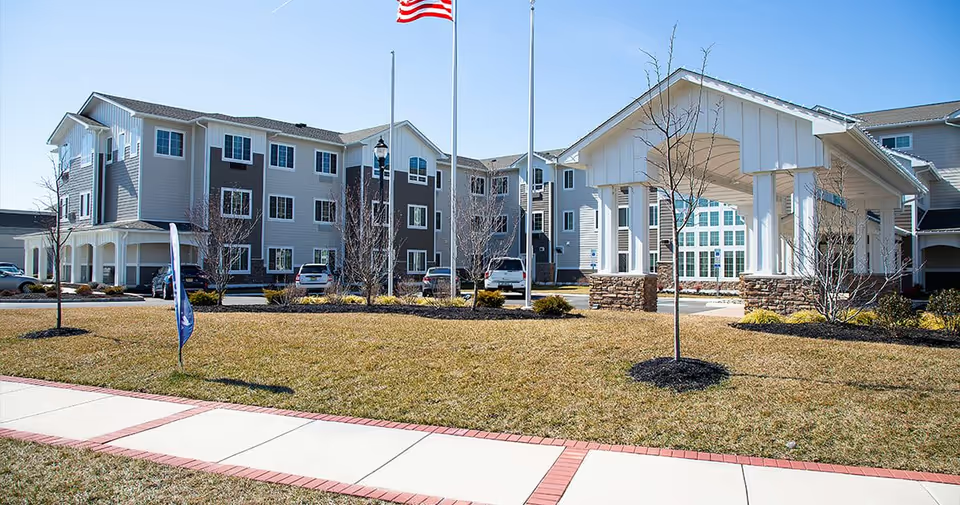
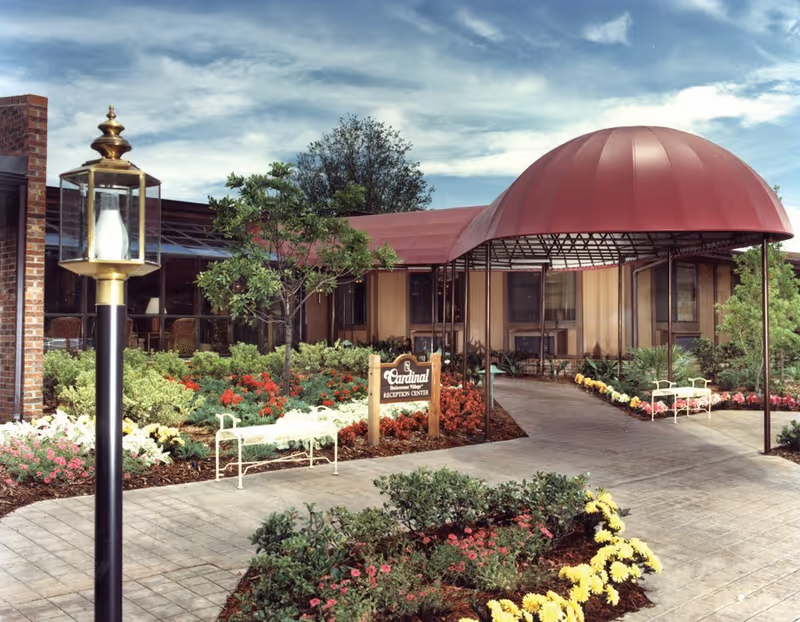
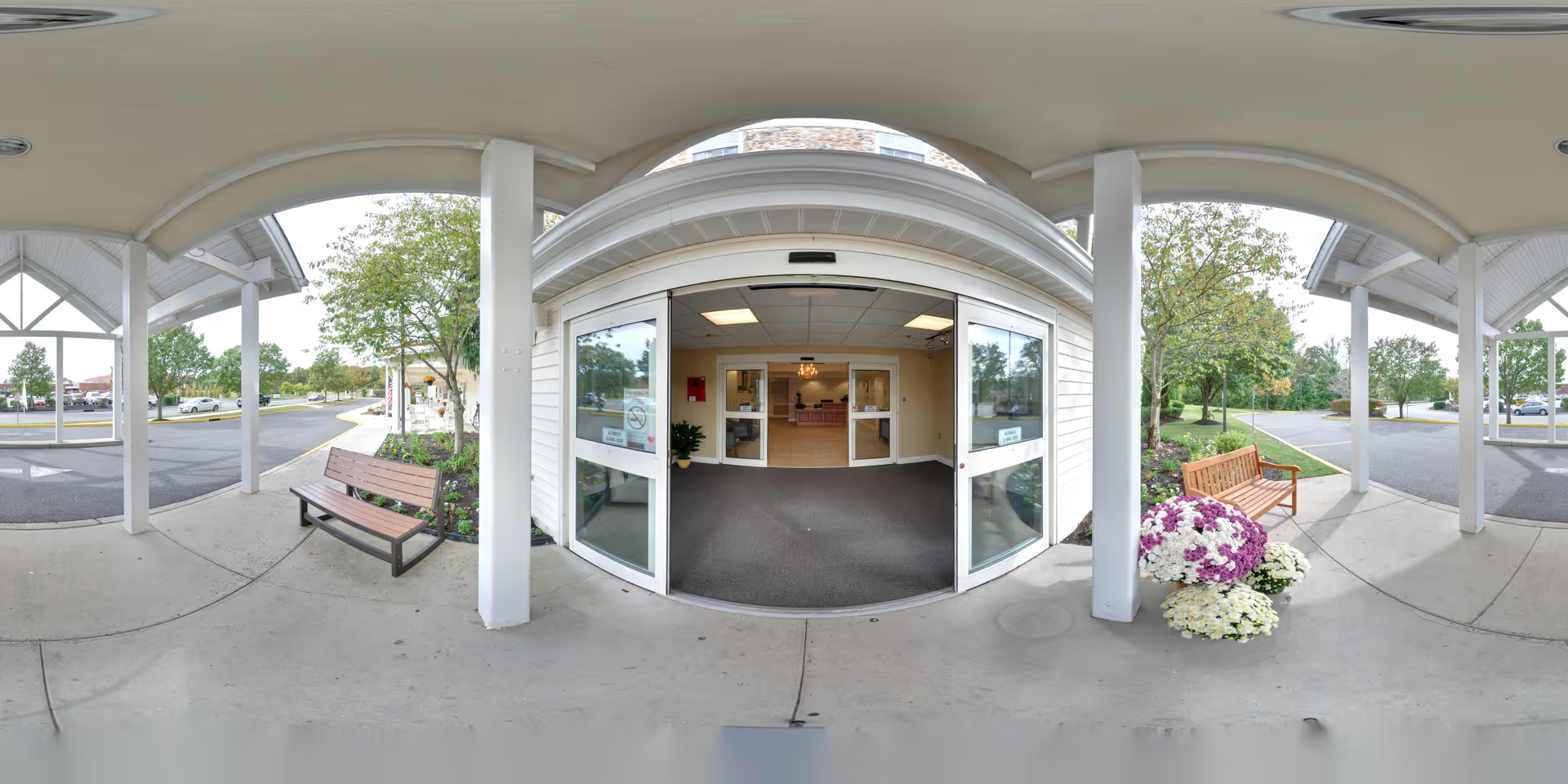
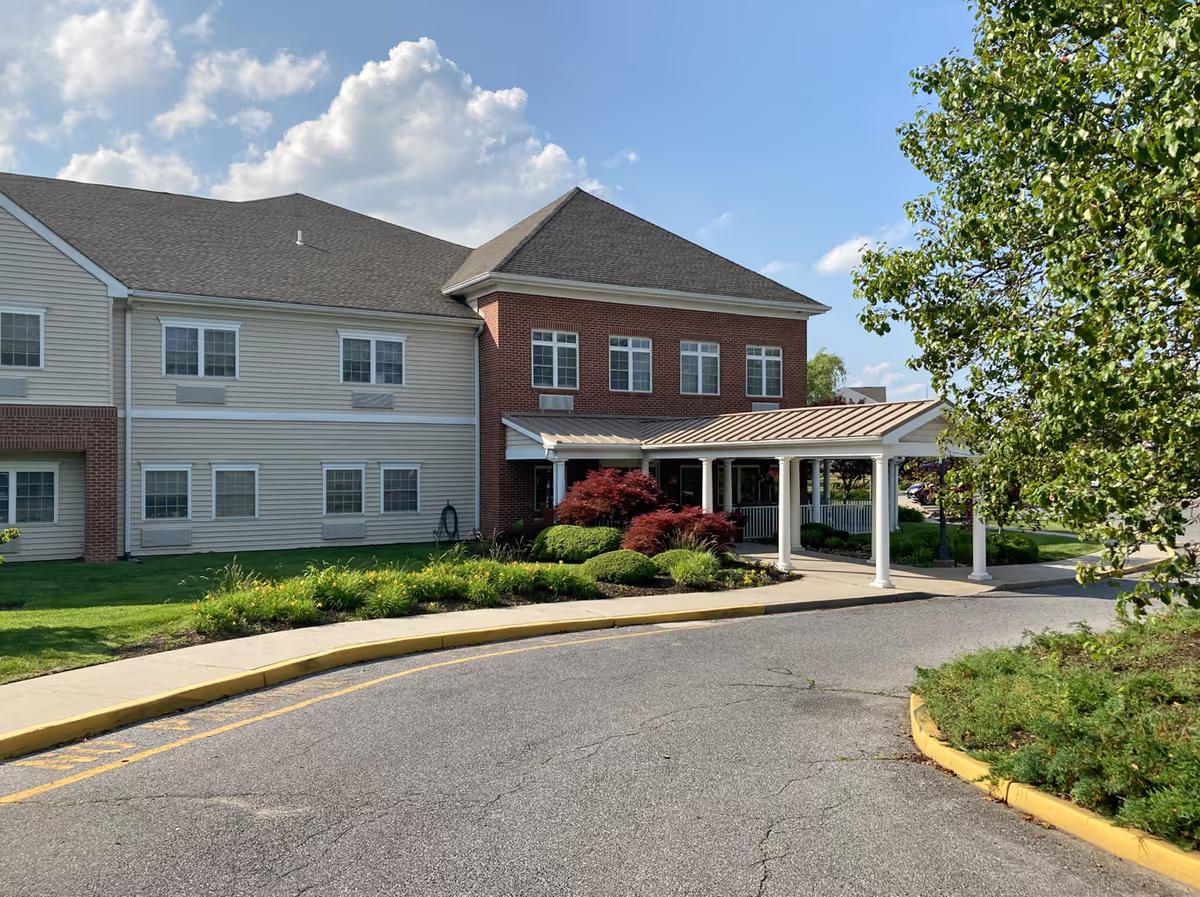
Facilities and programming are strengths overall: the building and apartments are described as very clean and well-maintained, with pleasant views and a range of daily activities. The small size (about 36 residents) contributes to a close-knit environment. Renovations and remodeling have been ongoing and have caused intermittent inconvenience; those planning a move should ask about the renovation schedule and potential disruptions.
Policy and cost considerations surfaced as material decision factors. Reviewers noted limited transportation for offsite activities (though management is pursuing options), visitation restrictions during infection-control periods, and constraints around overnight stays during hospice in at least one account. Several families also mentioned significant out-of-pocket costs and limited insurance coverage for certain services. These operational and financial policies merit direct conversation during the touring process.
Overall, Maurice House appears to be a small, personable facility with many staff members who provide attentive, compassionate care and helpful housekeeping/maintenance support. At the same time, patterns in the reviews indicate areas for due diligence: verify clinical-response protocols and family-notification processes, evaluate current meal-service practices, clarify visitation and hospice policies, inquire about transportation plans, and obtain a clear, written breakdown of expected out-of-pocket expenses. A tour and, where available, a trial or respite stay are practical ways to assess fit given the mixture of consistently positive experiences and some significant concerns described by families.