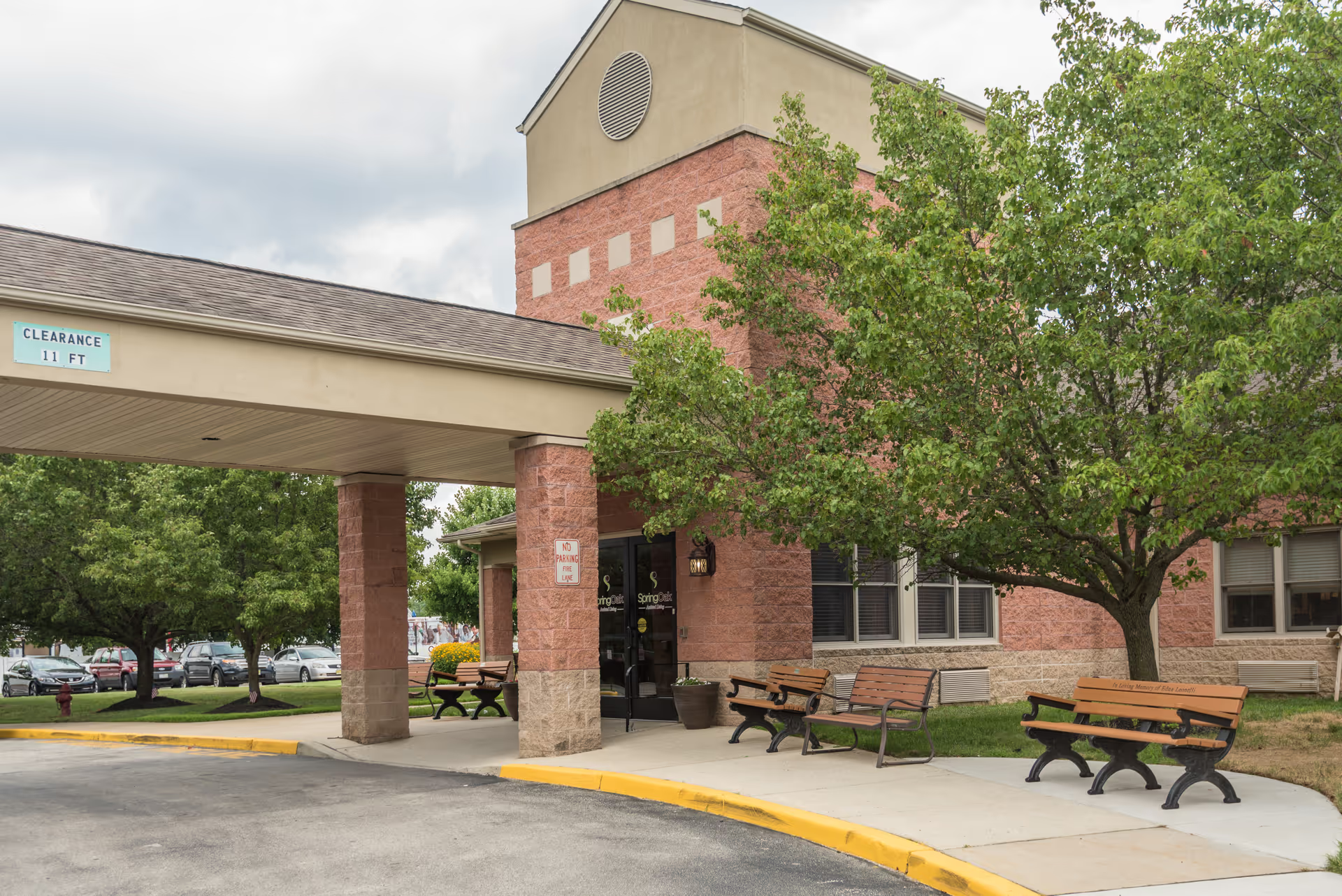
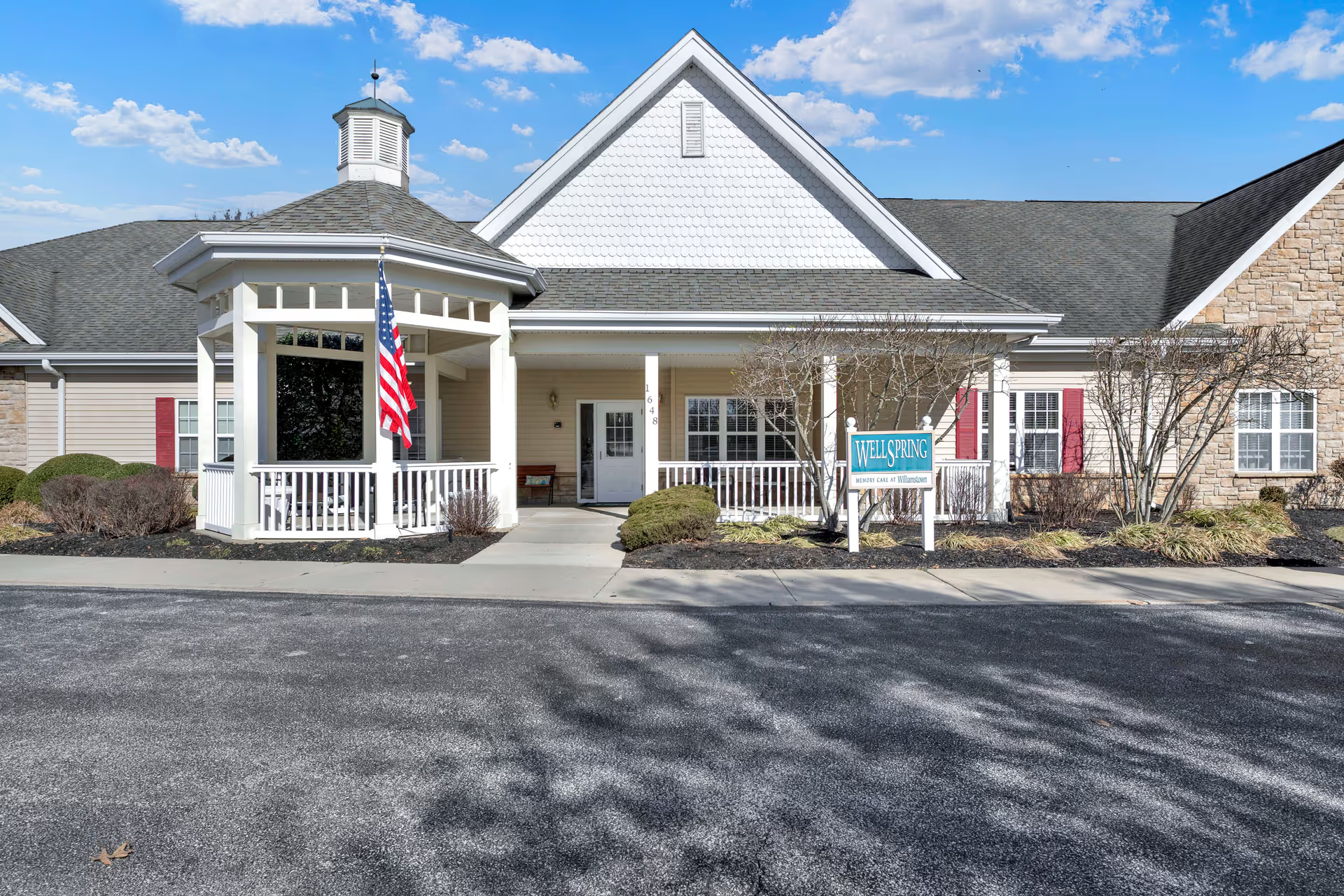
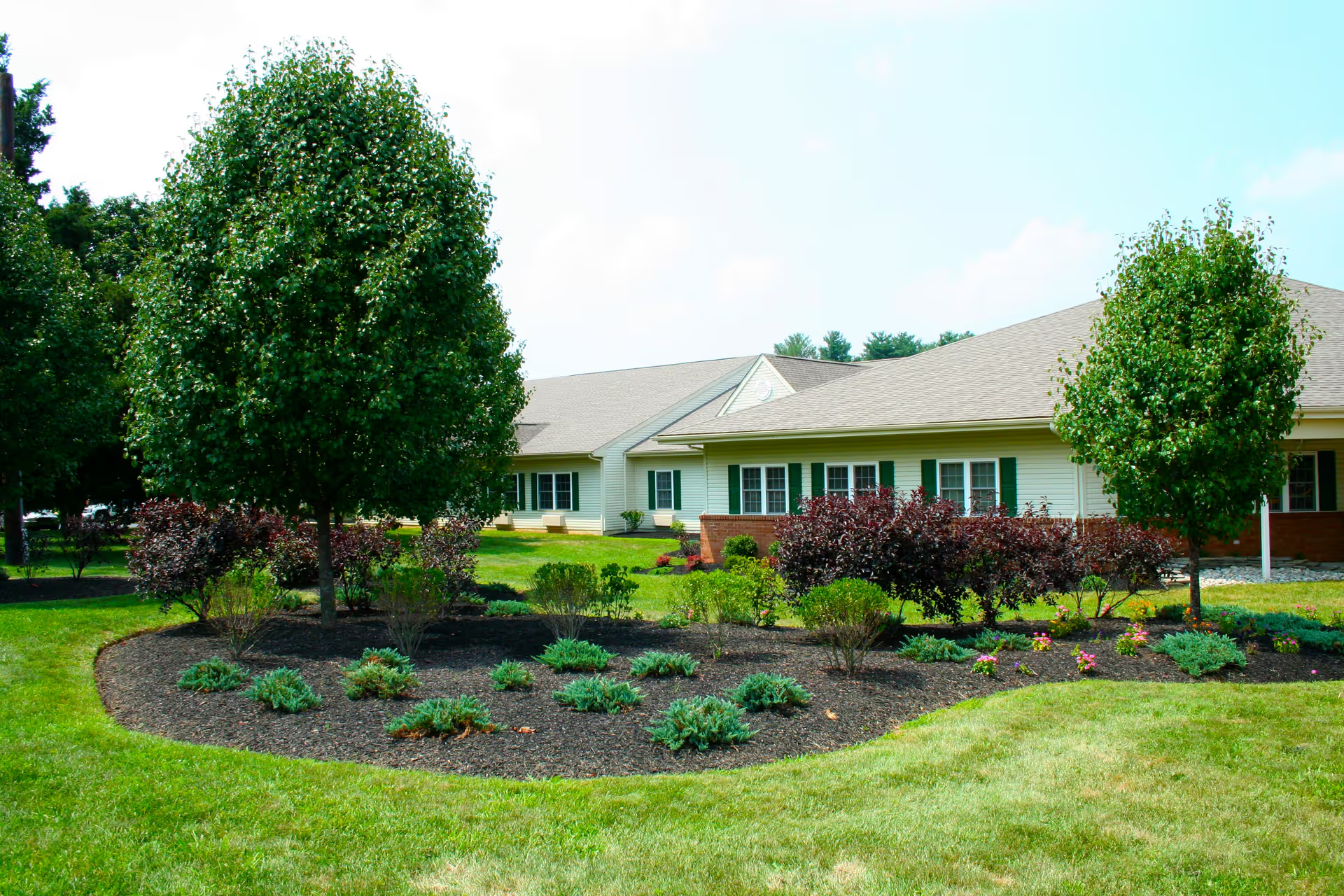
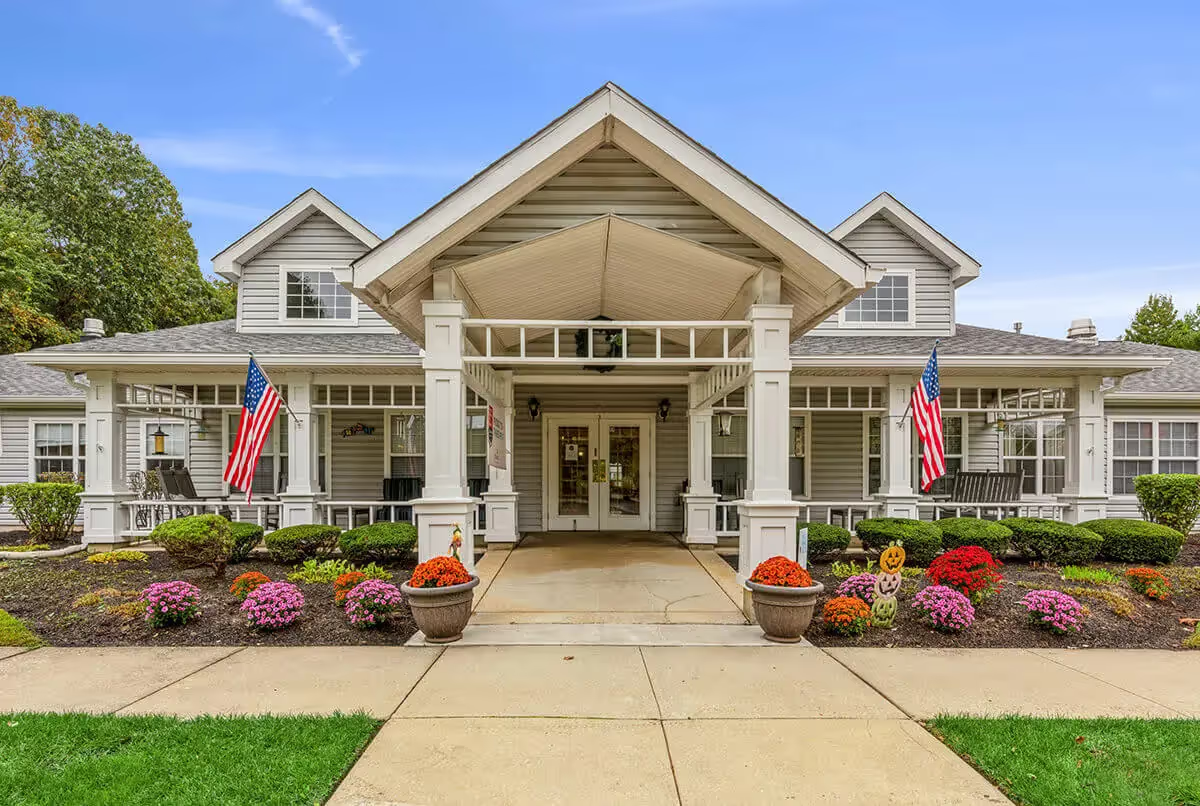
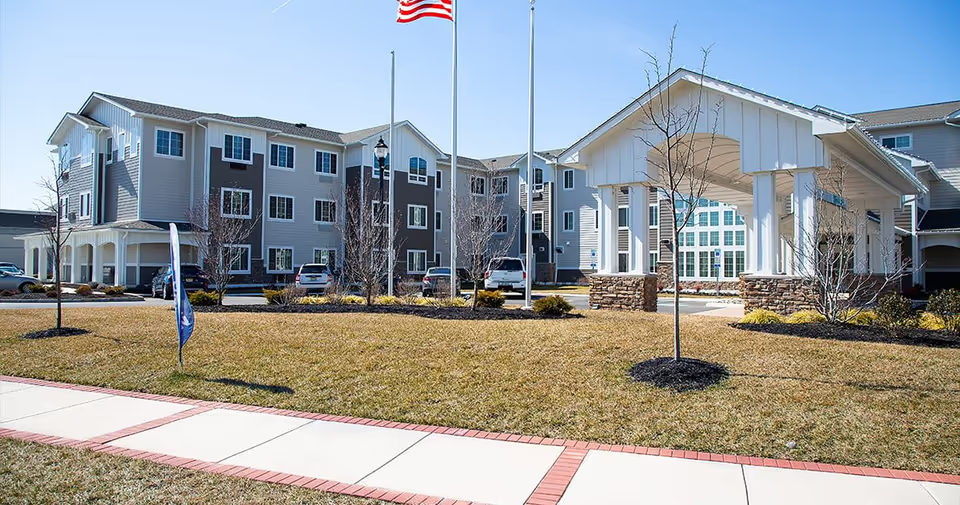
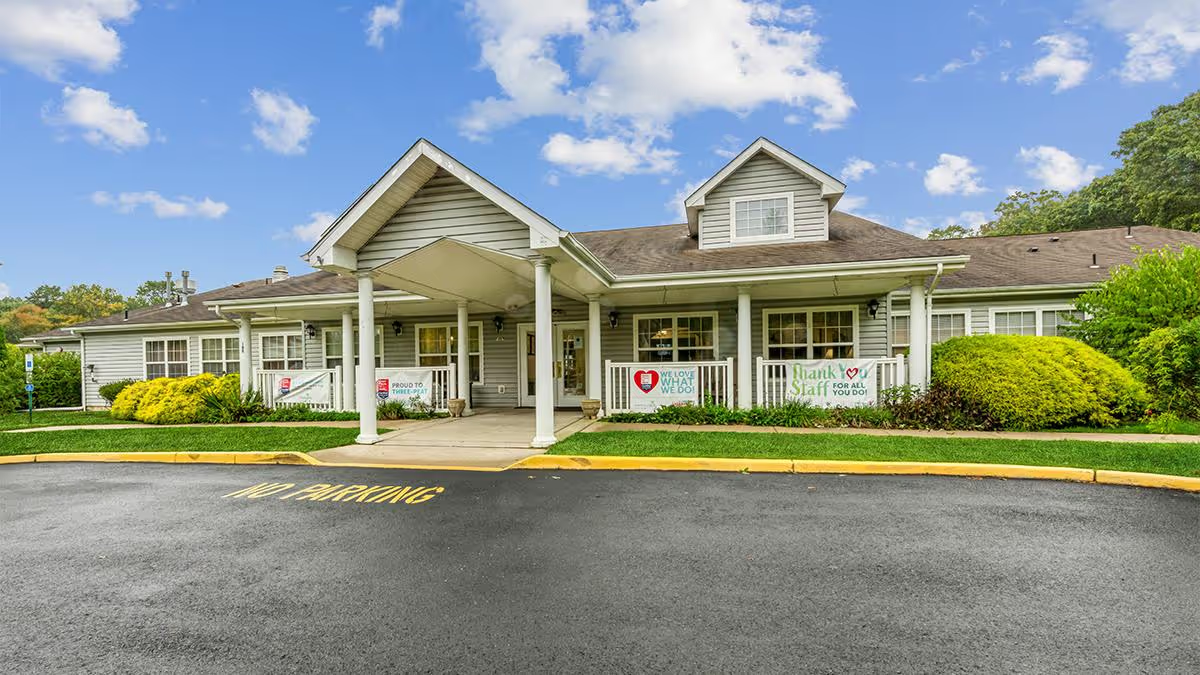
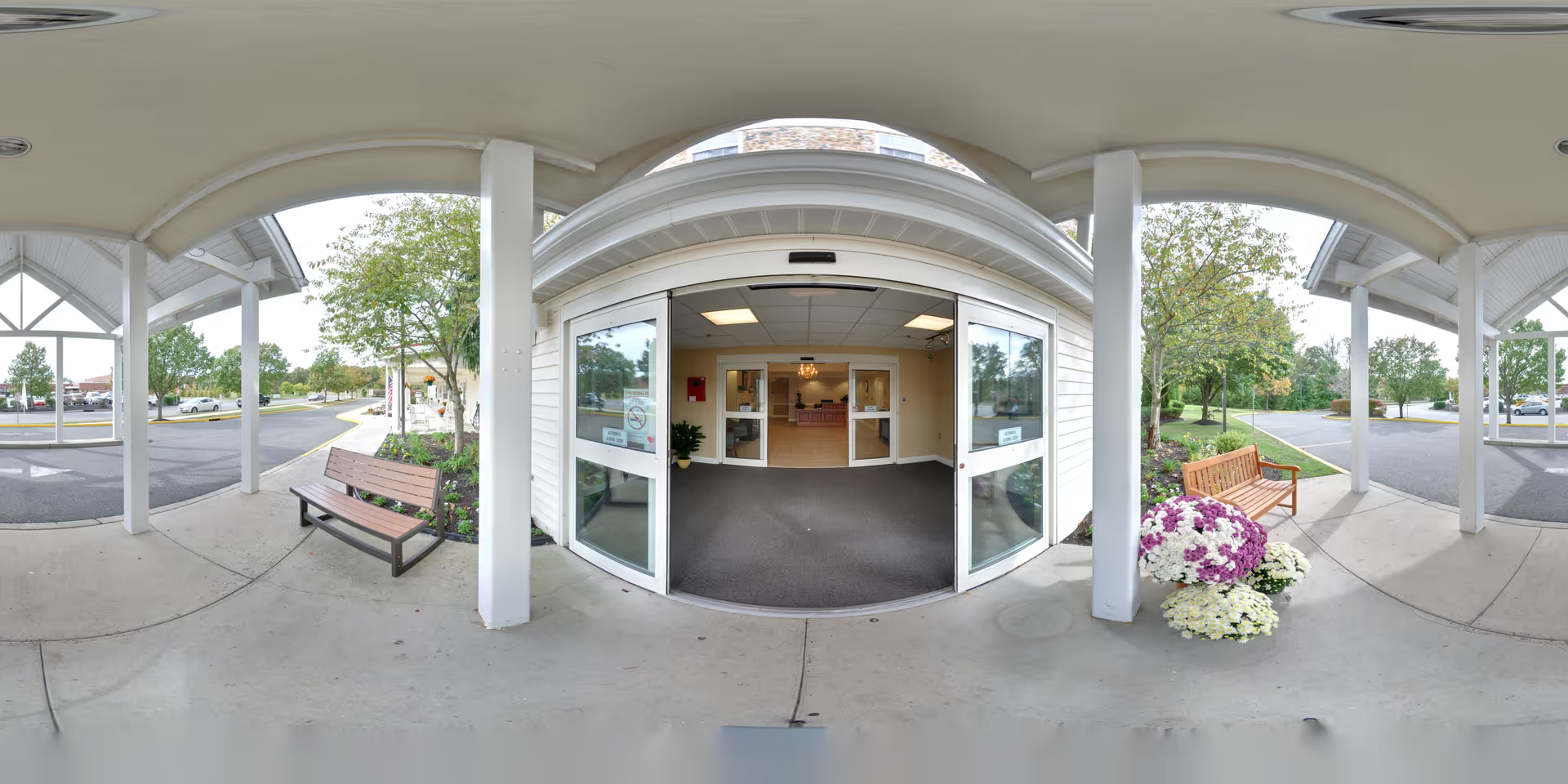
The reviews present a mixed portrait of New Standard Senior Living at Millville. Many families and visitors highlight clear strengths at the frontline level: a clean, bright facility with attractive décor, well-kept landscaping, and useful on-site amenities such as a gym and hair salon. Reviewers commonly describe caregiving staff, receptionists, and nursing personnel as knowledgeable, compassionate, and communicative. The community offers an active programming schedule with multiple daily activities under an engaged activities director, and it accepts Medicaid and offers relatively affordable private-room options — factors that several families found important when choosing placement.
Conversely, several persistent operational concerns appear across the feedback. Leadership and management practices are characterized as inconsistent, with staff morale and accountability issues noted; these managerial weaknesses are connected in reviews to staffing instability and administrative delays. Clinical operations show important red flags for prospective families: reviewers describe medication-management failures, including delayed or missed medication administration, and some express worries about infection-control practices. Staffing shortages and turnover — including in dietary positions — have reportedly affected continuity of care and the consistency of meal quality.
Dining and day-to-day service receive mixed assessments. While some reviewers praise the environment and caregiving interactions, others describe a decline in food quality and reduced kitchen staffing, which can affect meal-service reliability. Facility cleanliness is generally commended for interior areas, but some reviews mention sanitation and odor concerns in particular common areas. The common spaces are described by some as bright but somewhat institutional or sterile rather than homelike, and certain amenity choices (for example, limited TVs in communal rooms) reflect that aesthetic.
Several reviewers raise operational and safety-related issues that warrant attention. Concerns include privacy and property-handling vulnerabilities (for example, mail-handling practices), financial and vendor-payment control problems that have led to unpaid bills, and what some characterize as problematic staff conduct or insufficiently qualified staff in certain roles. There are also reports of frequent emergency or law-enforcement responses and descriptions of strained incident-response and grievance-resolution processes. One recurring and serious theme is allegations of theft and financial misconduct; while this is a serious claim that requires verification, it underscores perceived weaknesses in oversight and resident protection.
Taken together, the pattern suggests a facility with strong frontline caregivers and appealing physical features but with notable administrative and clinical-process gaps. Prospective residents and families should weigh the facility’s practical advantages (amenities, activities, Medicaid acceptance, and praised nursing staff) against concerns about management stability, medication administration reliability, dining consistency, and safeguarding procedures. Before committing, families would be well advised to ask specific, documented questions about medication administration protocols, staffing ratios and turnover, infection-control policies, financial/vendor standing, privacy practices, and how the facility documents and resolves incidents and family complaints.