Overview: The reviews present a strongly mixed picture of Mira Vie at Forsgate. Many families describe positive personal interactions, effective move-in support, successful short-term rehabilitation outcomes, and an engaging social program. At the same time, a recurring set of operational and clinical concerns appears across multiple accounts. Prospective residents and families will encounter both clear strengths and persistent weaknesses depending on unit, time, and staff on duty.
Care and clinical quality: Positive accounts emphasize compassionate nursing care, patient-focused attention, helpful therapy staff, and coordinated hospice support during end-of-life care. Several families reported a smooth transition into residence and timely therapy that produced measurable improvement. Conversely, other reports cite gaps in care coordination and responsiveness: delayed follow-up calls, missed personal-care tasks (for example, missed showers), lapses in medication documentation, and concerns about supervision that have safety implications. These patterns suggest variability in clinical processes and handoffs rather than uniformly applied practices.
Staff and culture: Staff behavior descriptions vary widely. Many reviewers singled out individual staff members and teams for being courteous, knowledgeable, and proactive; these staff were credited with easing transitions and maintaining resident well-being. At the same time, reviewers described high staff turnover, intermittent on-site leadership presence, and periods when aides appeared disengaged or insufficiently supervised. Communication style and language proficiency among some direct-care staff were also identified as an area needing improvement. Response times to call lights and requests were described as inconsistent, contributing to family concerns about reliability.
Dining and activities: The community offers a visible activities program, regular entertainment, social events, and a structure that supports social engagement for many residents. Therapy and rehab services are available and have led to positive outcomes for some residents. Dining feedback is mixed: some families find the meals acceptable and appreciate multiple dining windows and snacks, while others describe limited fresh produce, frozen or bland menu items, and variable meal quality. Additional fees (for example, delivery or specialty dining options) and the perceived value for cost were noted as points of friction.
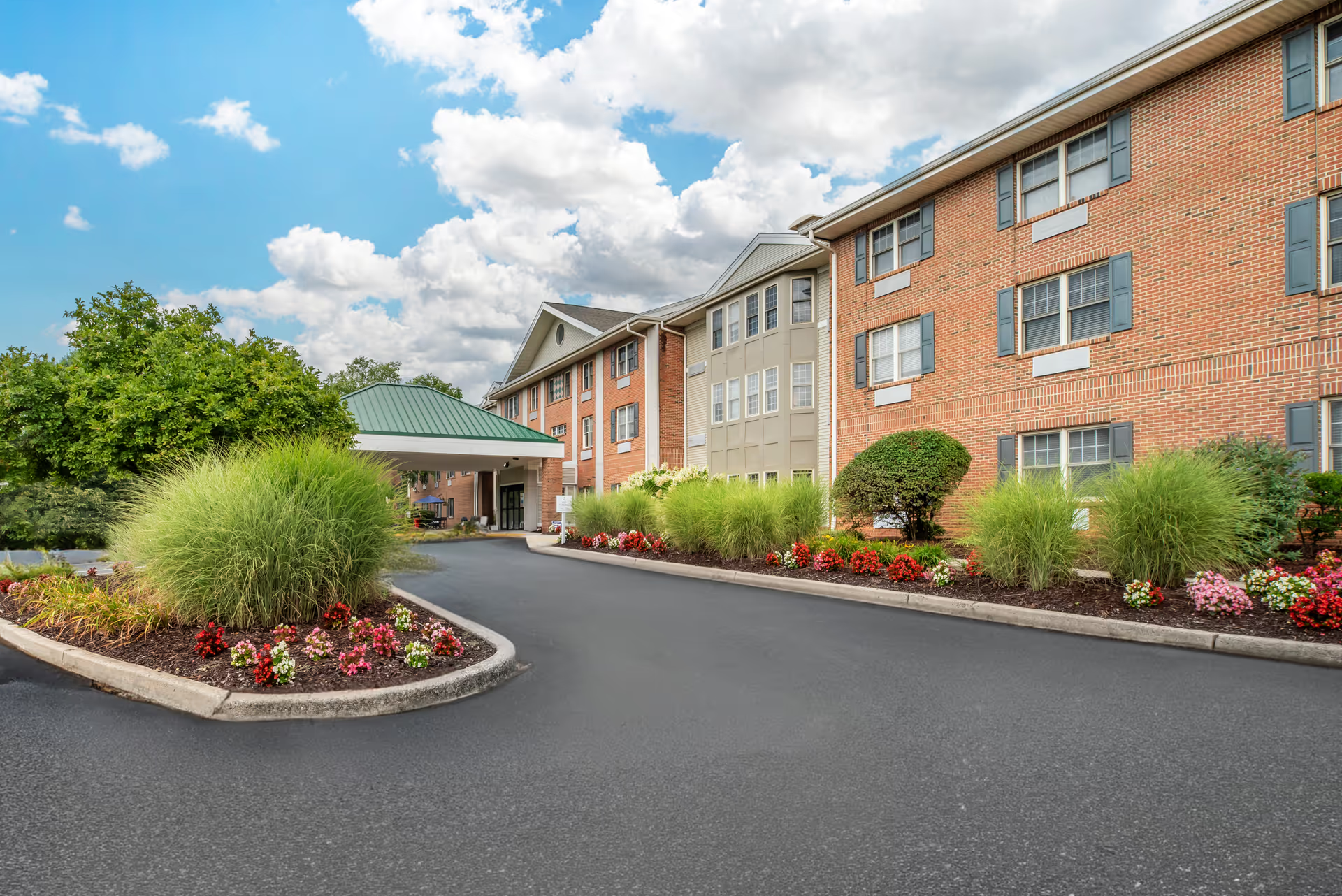
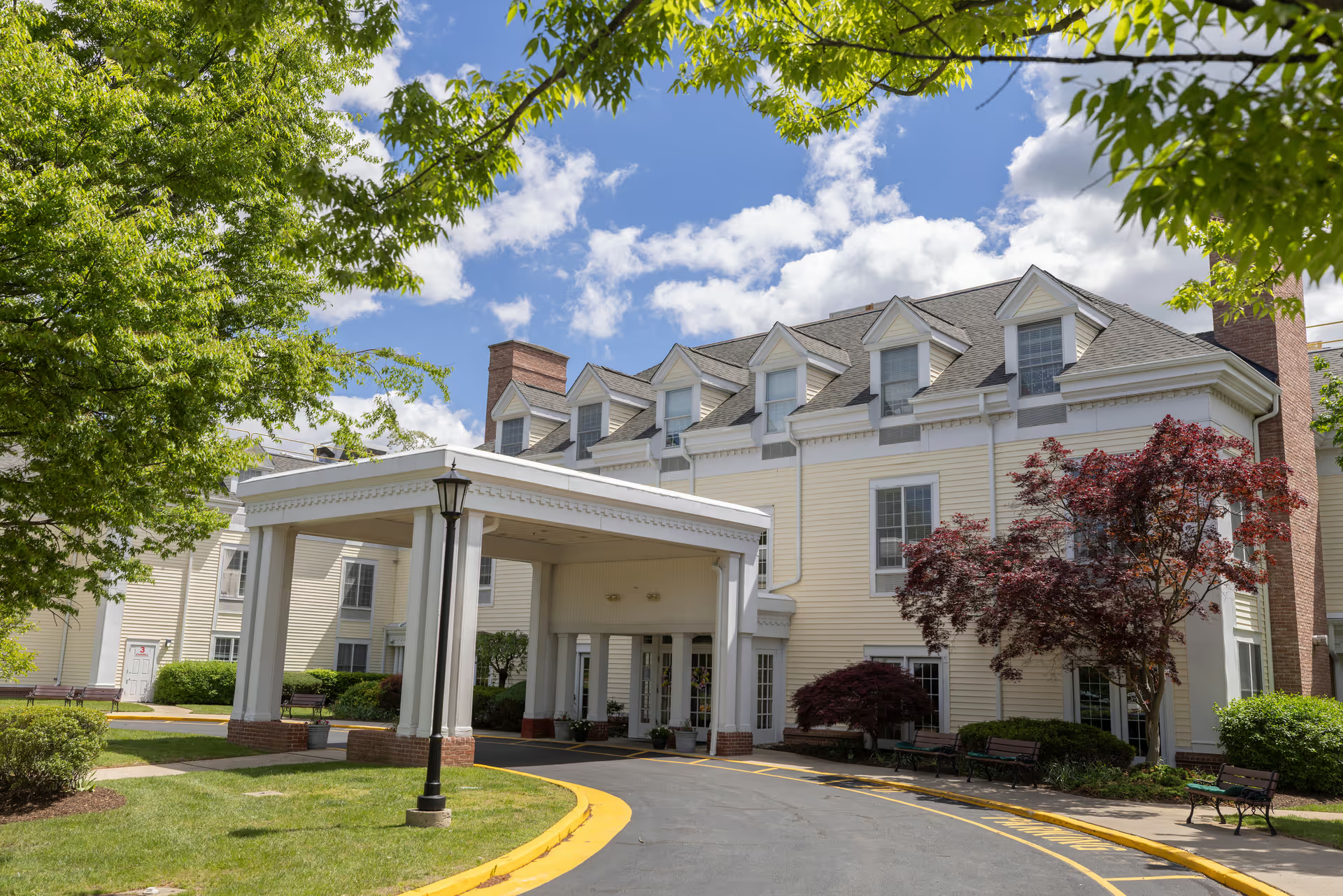
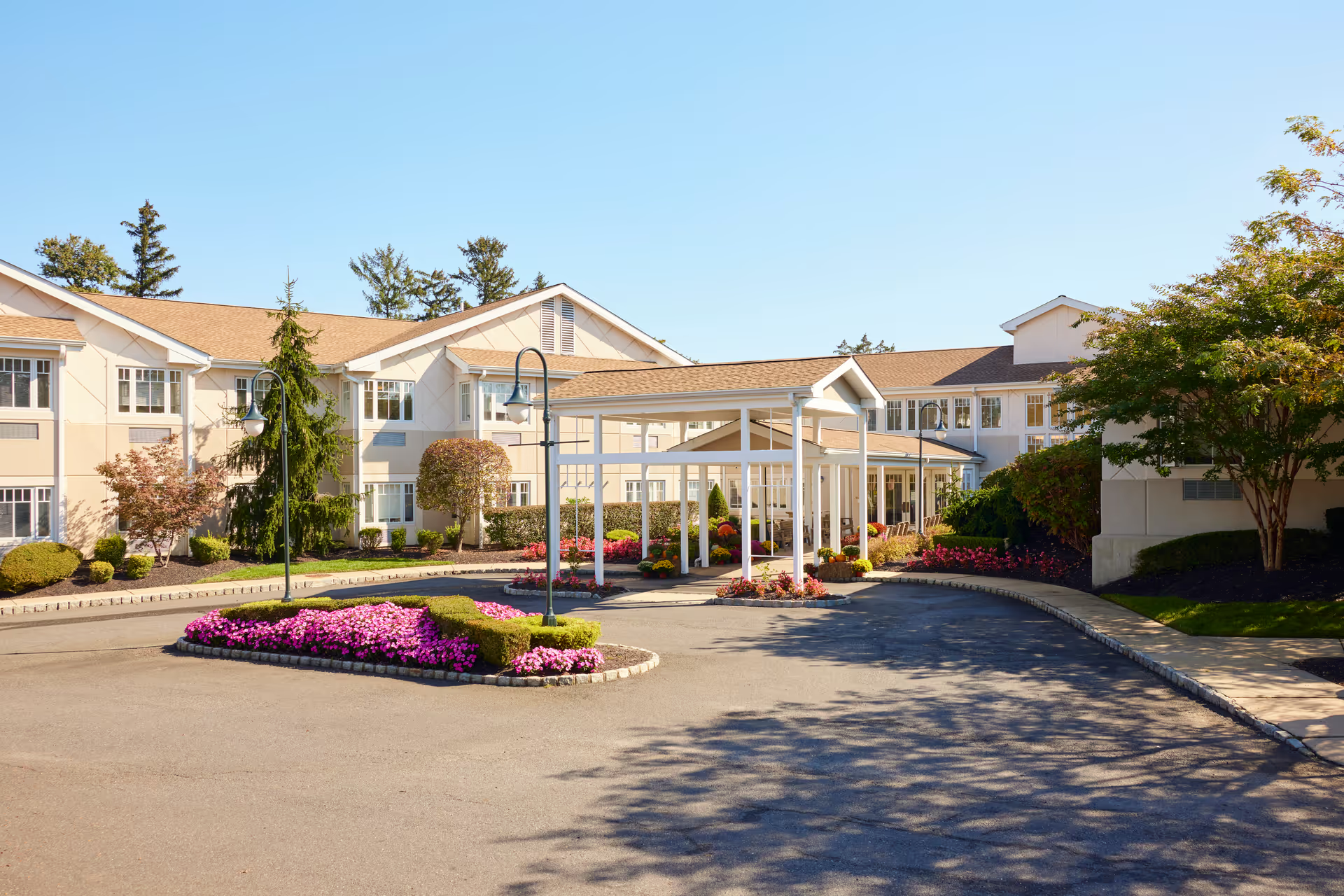
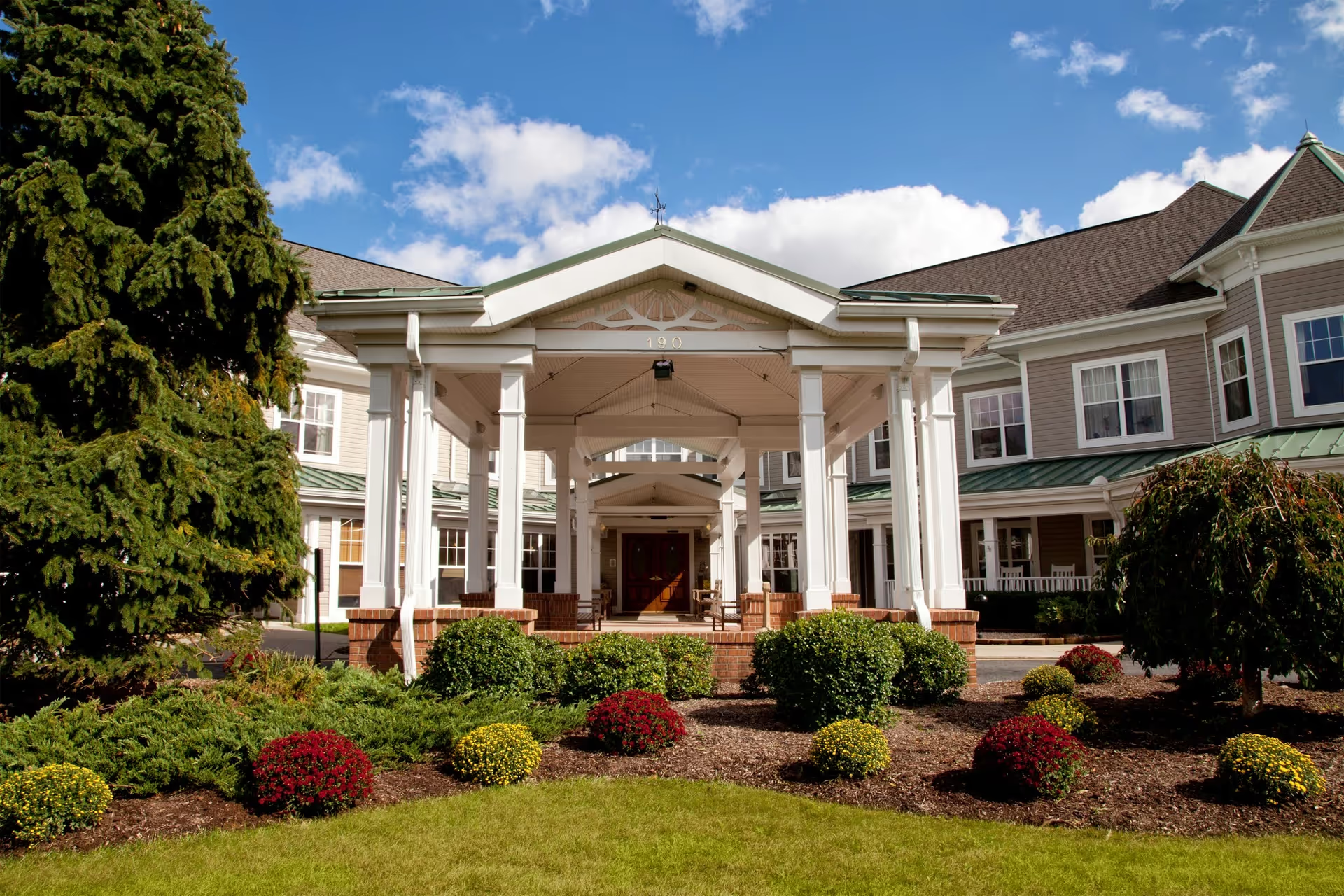
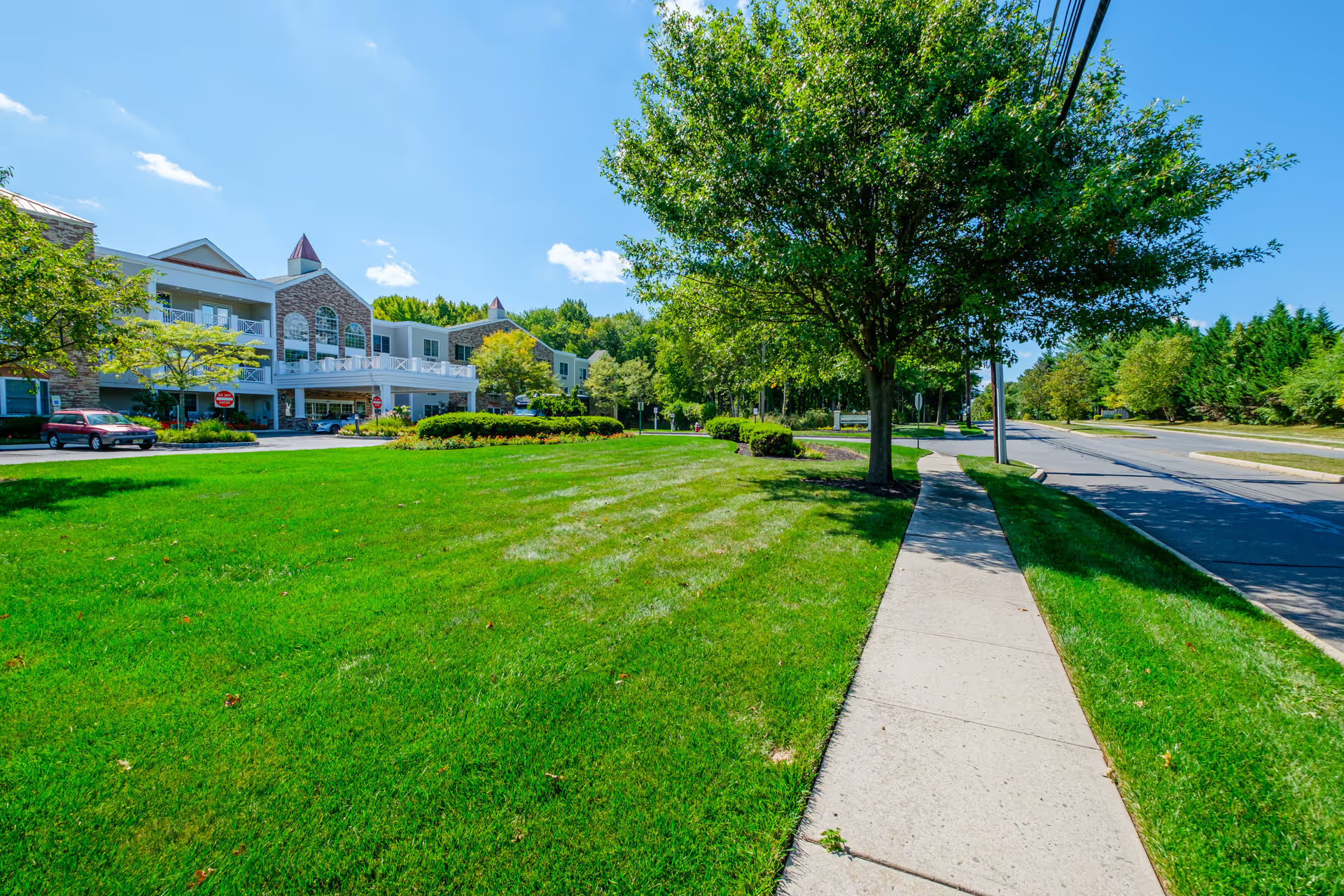
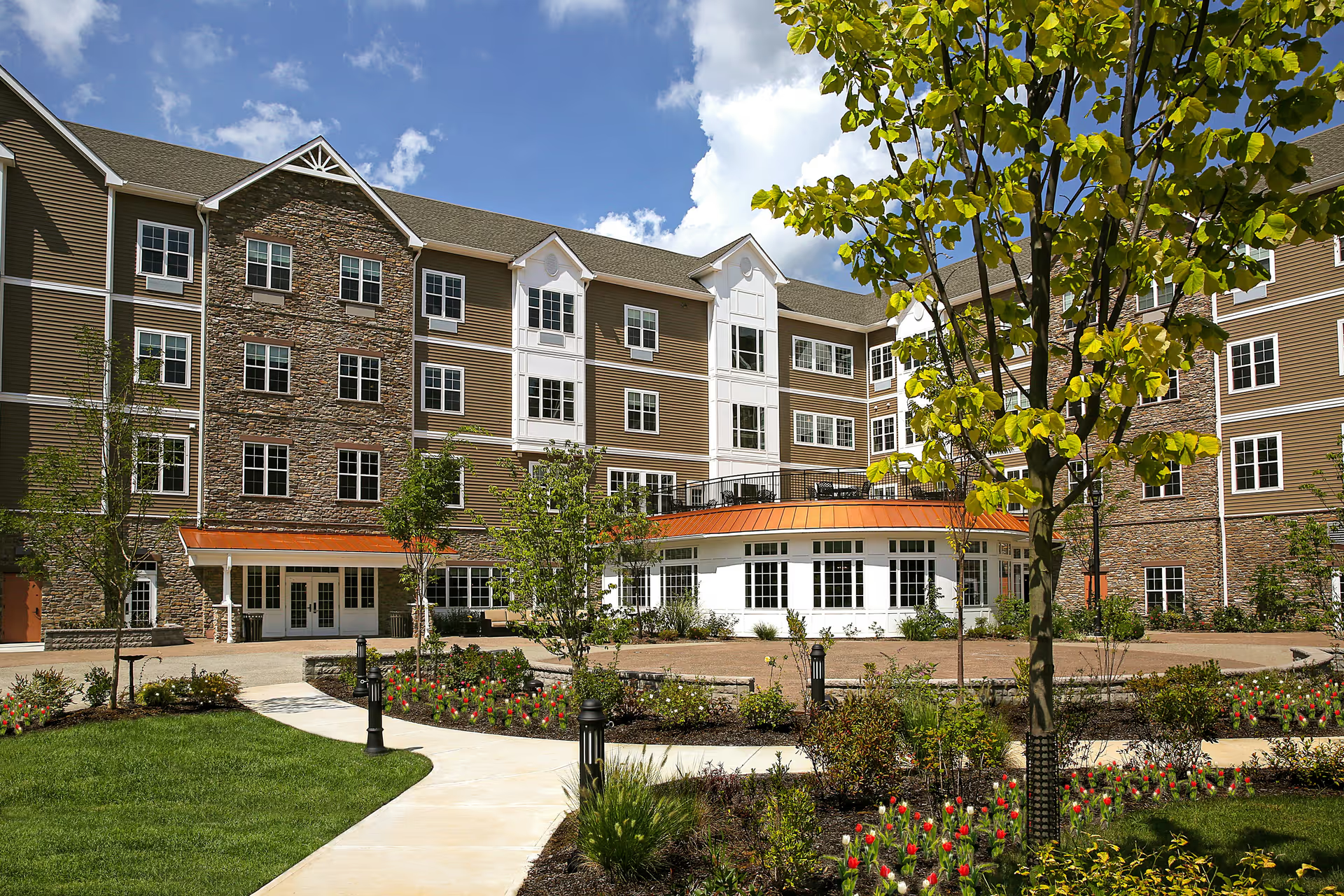
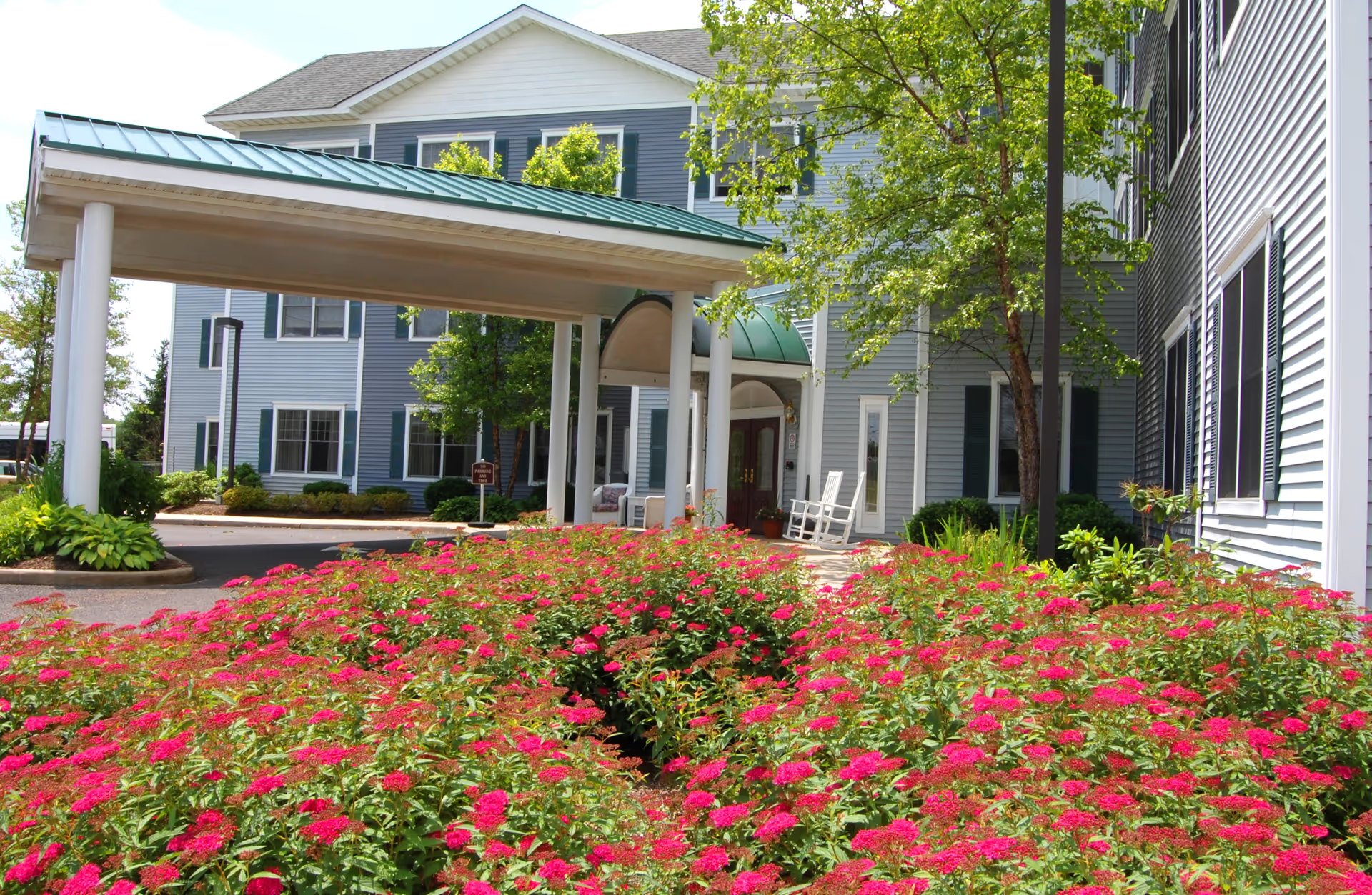
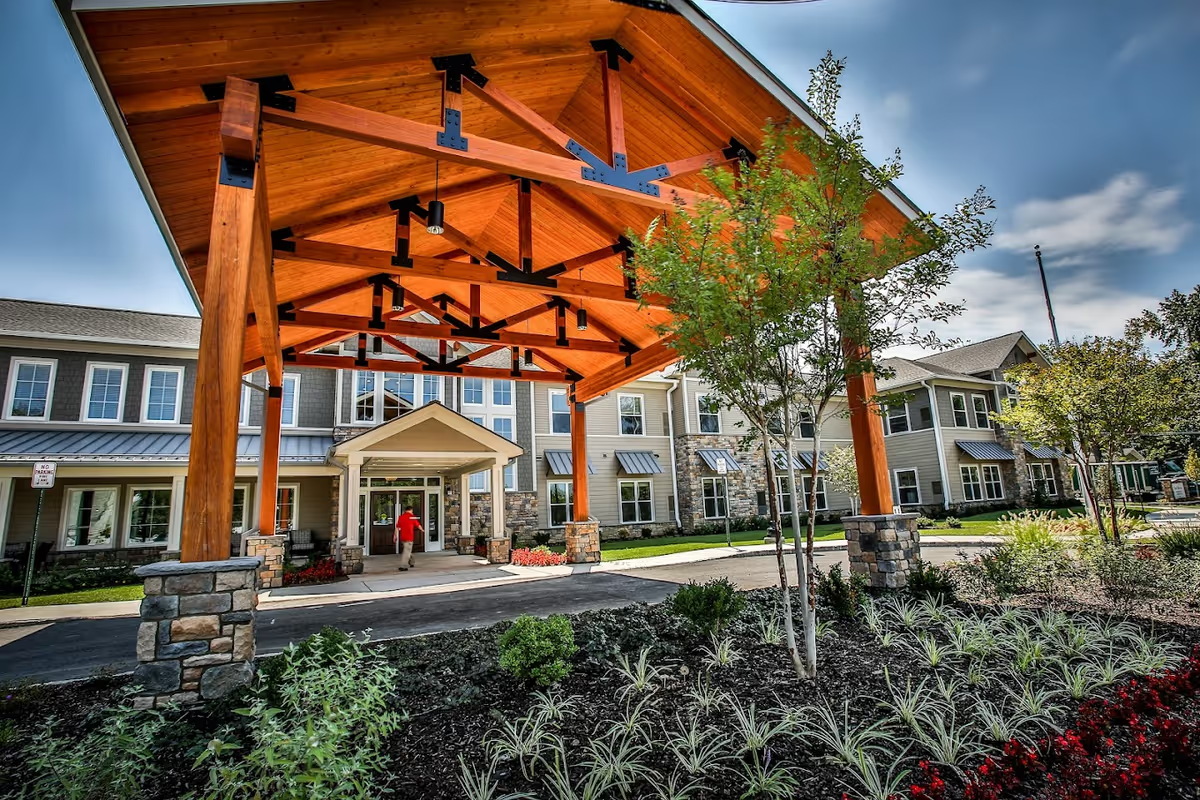
Facilities and operations: The physical plant includes recently renovated, well-lit common areas, balconies, and a generally welcoming aesthetic in many spaces. Maintenance staff received praise for responsiveness in several accounts. However, reviewers also identified sanitation and odor concerns in specific areas, visible housekeeping shortfalls outside main public spaces, and small or cramped resident rooms in some units. Environmental controls (air conditioning and heating) and transportation services were reported as unreliable at times — HVAC outages and shuttle limitations were specifically flagged.
Management, billing, and policies: Several comments focused on leadership and administrative issues: ownership transition effects, frequent management turnover, and a perceived decline in on-site leadership. Billing transparency and unexpected rate increases after move-in emerged as material concerns for families, as did unclear policies around charges for care level changes and transportation limits. Marketing and admissions staff received both praise and criticism for knowledge and transparency depending on the interaction.
Notable patterns and guidance for families: The dominant pattern is variability: strong individual staff and program-level successes exist alongside operational and clinical inconsistencies. Families who had very positive experiences tended to cite particular staff members, good communication, and proactive therapy programs. Families with negative experiences more often noted staffing shortages, clinical handoff problems, sanitation concerns in non-public areas, and unexpected fees.
Recommendations for prospective families: When evaluating Mira Vie at Forsgate, consider asking for current staffing ratios, recent inspection or quality reports, and examples of how the community manages fall risk, medication documentation, and supervision in memory care. Request a meal sampling, clarification of all fees (including any post-move increases), confirmation of HVAC contingency plans, and references from recent families. A tour during activity hours and conversations with direct-care staff on duty will better reveal everyday operations than a brief marketing presentation.
Bottom line: Mira Vie at Forsgate offers clear strengths in individualized nursing attention, rehabilitation services, and social programming, and maintains renovated, attractive public spaces. However, operational inconsistencies — in staffing, care coordination, environmental controls, sanitation in some areas, and billing transparency — are recurring themes that warrant careful inquiry before placement.