Overall impression: Village Point Rehabilitation & Healthcare elicits strongly polarized experiences. Many families and patients praise the facility for high-quality rehabilitation services, compassionate bedside care, and a clean, well-maintained environment. The therapy teams (PT/OT/speech) and many nurses and CNAs are described as knowledgeable, encouraging and instrumental in achieving discharge goals. These strengths are paired with amenities and programs that support a positive stay for many residents, including private rooms with en-suite bathrooms, an on-site therapy gym and salon, engaging activities, and pet therapy.
Care and staff: Clinical strengths appear concentrated in the therapy and direct-care ranks. Reviewers frequently cite dedicated physical and occupational therapists, attentive nursing staff, and aides who provide individualized encouragement and support. Rapid alarm response, hands-on rehabilitation, and coordinated interdisciplinary care are commonly noted. However, there are recurrent operational weaknesses that affect care continuity: inconsistent staffing levels, high turnover, and episodes of limited staff availability can delay routine care tasks (for example, bathing and toileting assistance) and reduce the consistency of resident supervision. Families should assess current staffing and shift coverage when considering placement.
Clinical programs and medication oversight: Village Point generally performs well for post-operative and short-term rehabilitation (e.g., after joint replacement or cardiac events). Several reviews, however, indicate that specialized programs such as brain-injury rehabilitation may not be consistently available or clearly represented at admission; prospective residents should verify program availability and clinician qualifications in writing. There are also concerns about medication management and prescribing oversight raised by multiple reviewers, including questions about psychotropic prescribing practices. In addition, a few reviews describe privacy or records-handling incidents and advocacy concerns; these are operational risks worth confirming with facility leadership before placement.
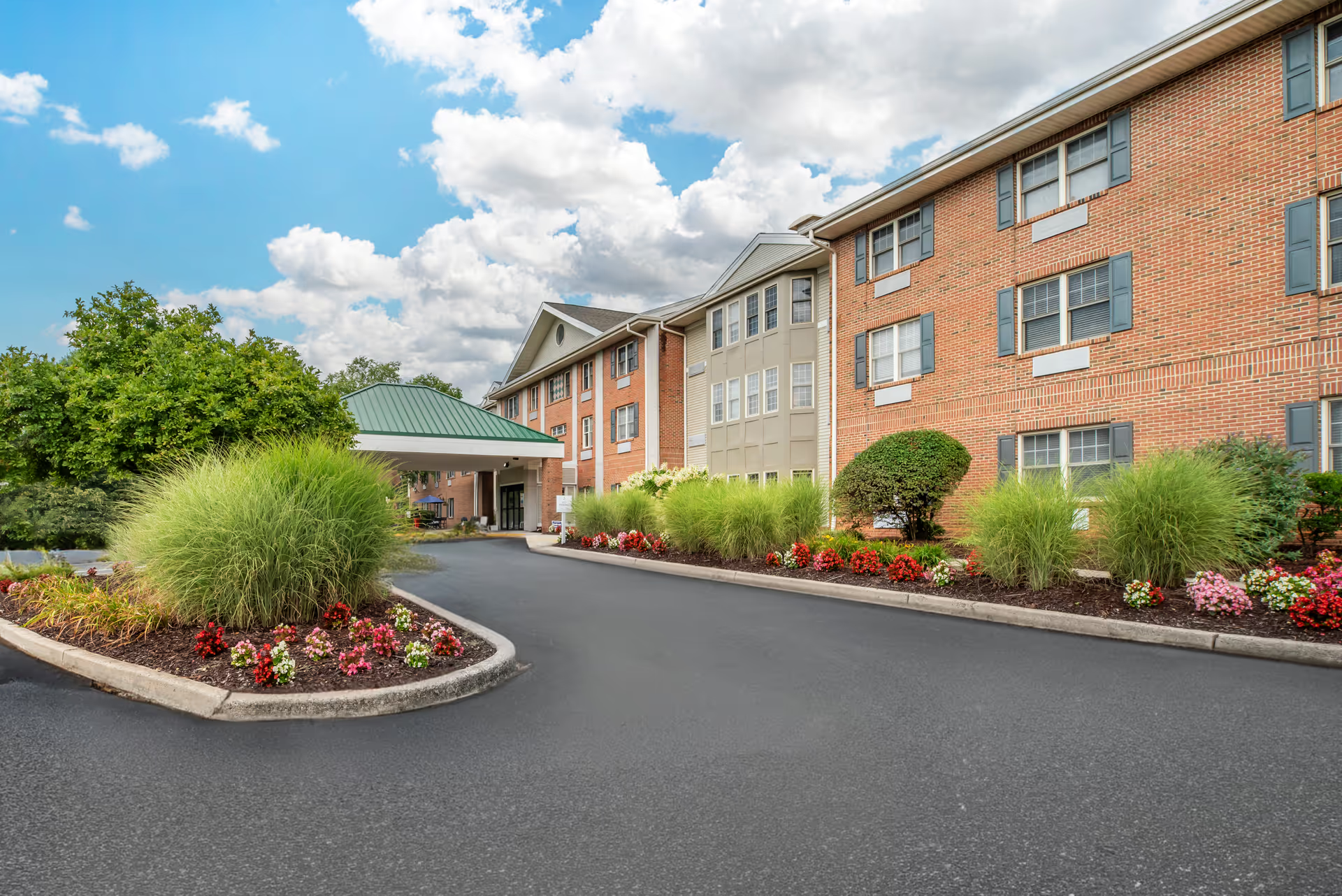
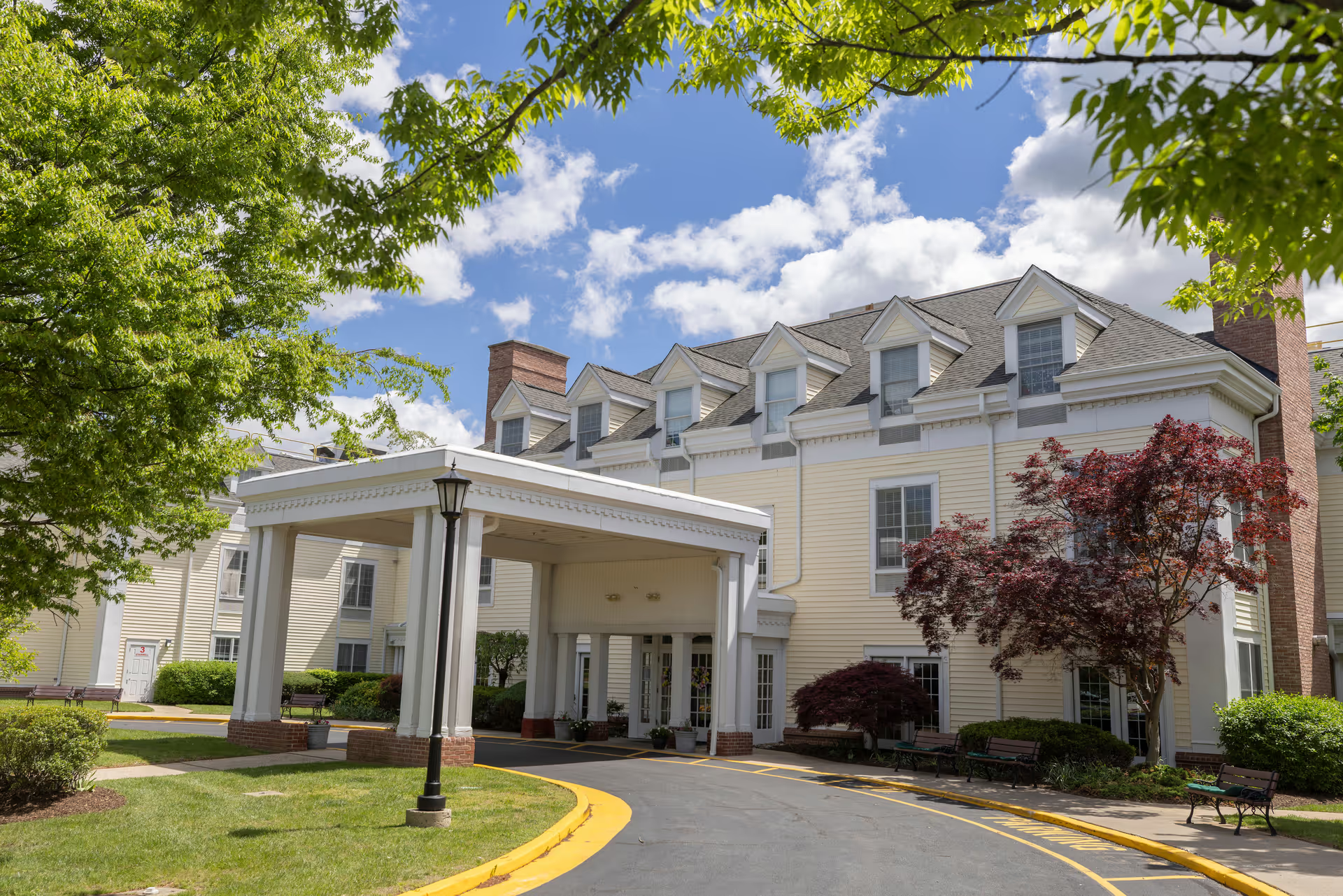
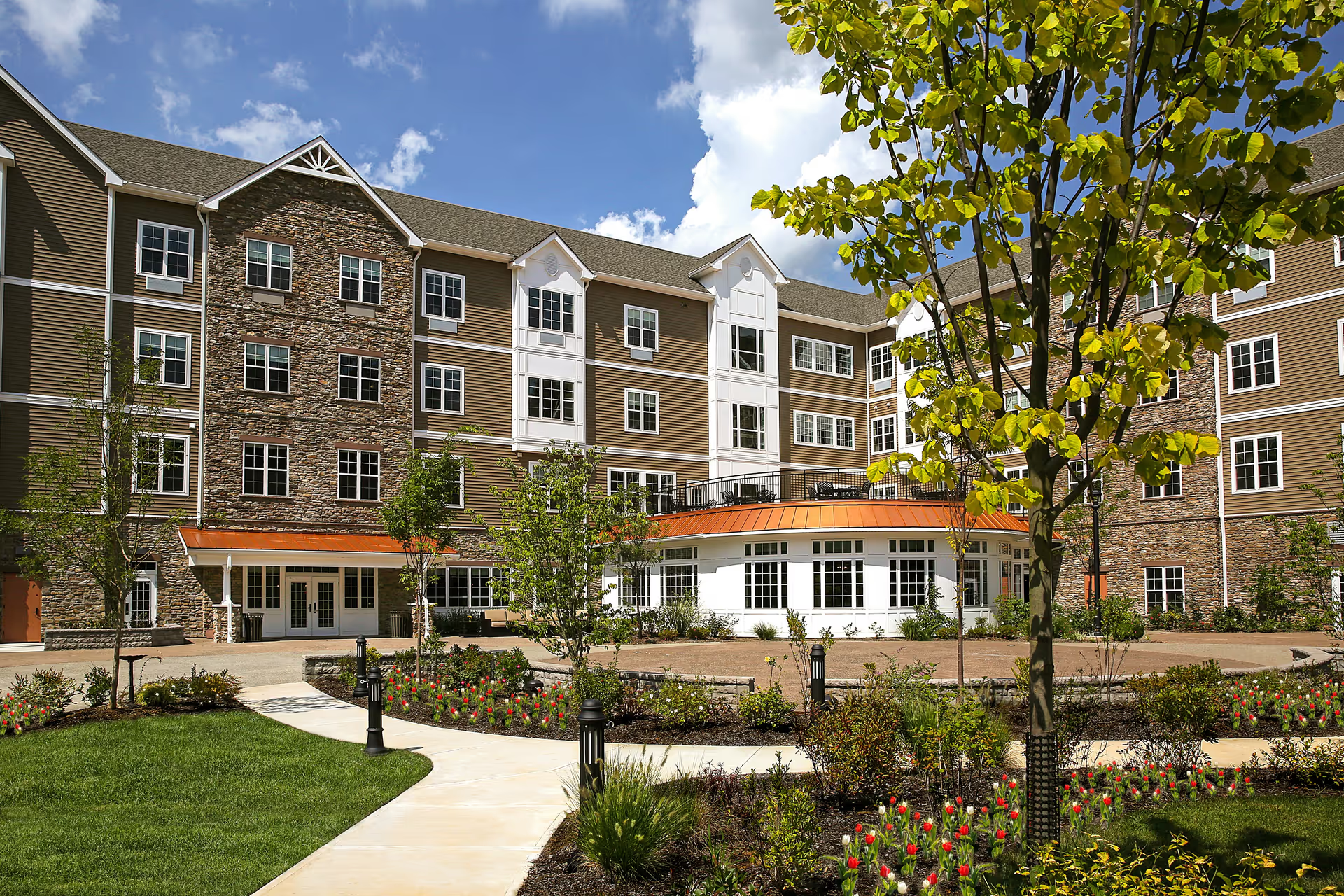
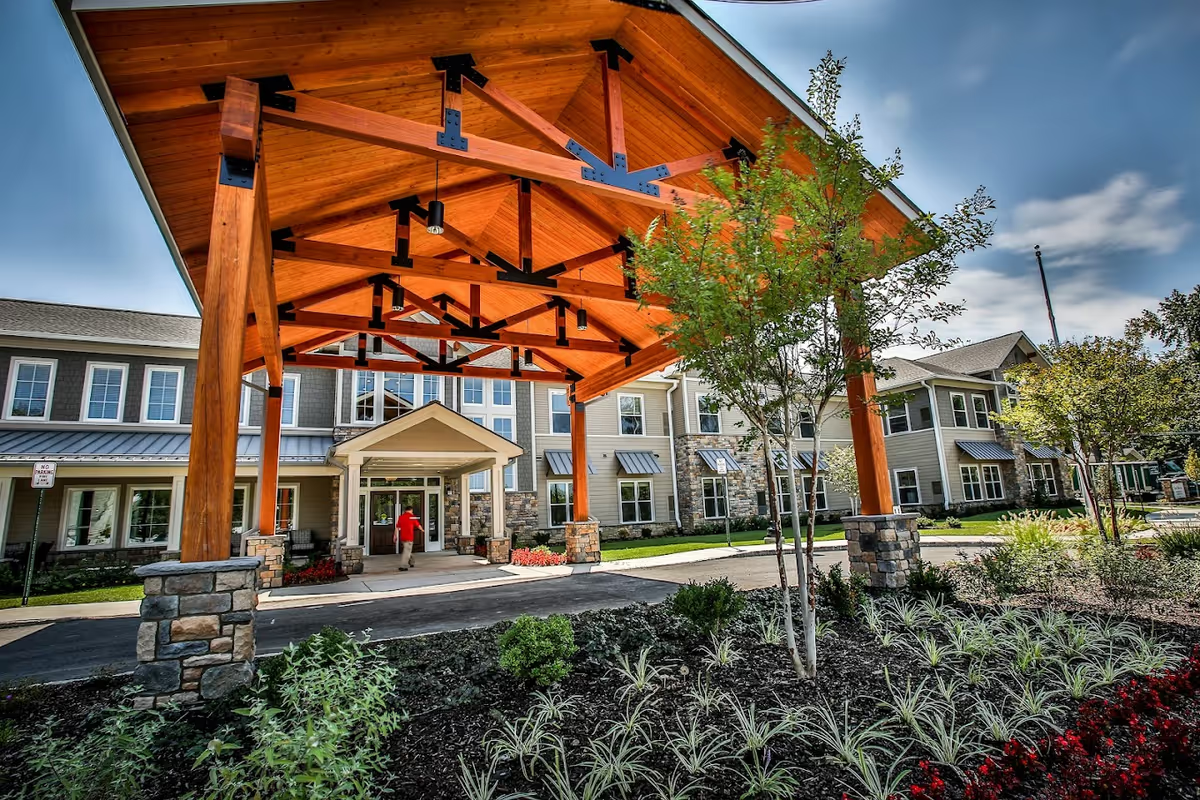
Dining, activities, and facilities: Dining impressions are mixed but often positive — many reviewers found meals good to excellent, while some described uneven quality. Activities programming and social engagement are frequently highlighted as strengths; the facility is described as fostering a family-like atmosphere with stimulating group activities. Physical spaces are consistently described as clean and attractive, with single rooms and private bathrooms available for many residents. Practical limitations include parking shortages for visitors and occasional communication-technology problems (phones, nurse-station responsiveness) that can impede timely family contact.
Management and communication: The largest source of variability lies with administrative practices and communication. While some families praise responsive administrative support, others describe inconsistent transparency about clinical suitability at admission, difficulty obtaining timely callbacks, and disagreements over clinical decisions or documentation. There are also allegations that financial or reimbursement incentives have affected clinical placement or diagnostic practices; these are serious concerns that warrant direct inquiry and review of contract/consent documents. Prospective residents and families should explicitly confirm the scope of services, coverage for specialty programs, physician availability, medication oversight policies, staff-to-resident ratios, and record-access procedures prior to admission.
Bottom line: For patients seeking strong, rehabilitation-focused short-term care, Village Point demonstrates clear strengths in therapy, direct-care compassion, and facility amenities. At the same time, inconsistent staffing, administrative transparency, medication oversight, and communication reliability introduce variability in the experience and outcomes. Families should balance the facility’s documented clinical and environmental strengths against these operational risks and perform targeted due diligence (verify specialized-program availability, staffing levels, medication review processes, and privacy/records policies) before committing to placement.