The reviews present a highly polarized picture of Cambridge Rehabilitation & Healthcare Center. Many families and patients describe exemplary clinical rehabilitation, warm and attentive caregivers, and a clean, recently updated environment with robust amenities. At the same time, a substantial subset of accounts identifies recurring operational weaknesses that raise safety and quality concerns. Prospective residents should weigh the facility’s strengths in therapy and activities against the variability in day‑to‑day care delivery.
Care and staff: Strengths include skilled therapists, individualized rehab plans, and numerous mentions of specific staff members who provided compassionate, hands‑on support. These strengths correlate with many successful discharges and functional improvements. Offsetting this, reviewers describe chronic staffing shortages and frequent use of agency nurses that contribute to inconsistent staff competency and availability. Multiple reviews cite long waits for assistance and delayed responses to call bells; others raise concerns about staff conduct and communication tone. Medication management problems and lapses in clinical follow‑through are recurring themes and have led, per reviewers, to additional clinical interventions or transfers in some cases.
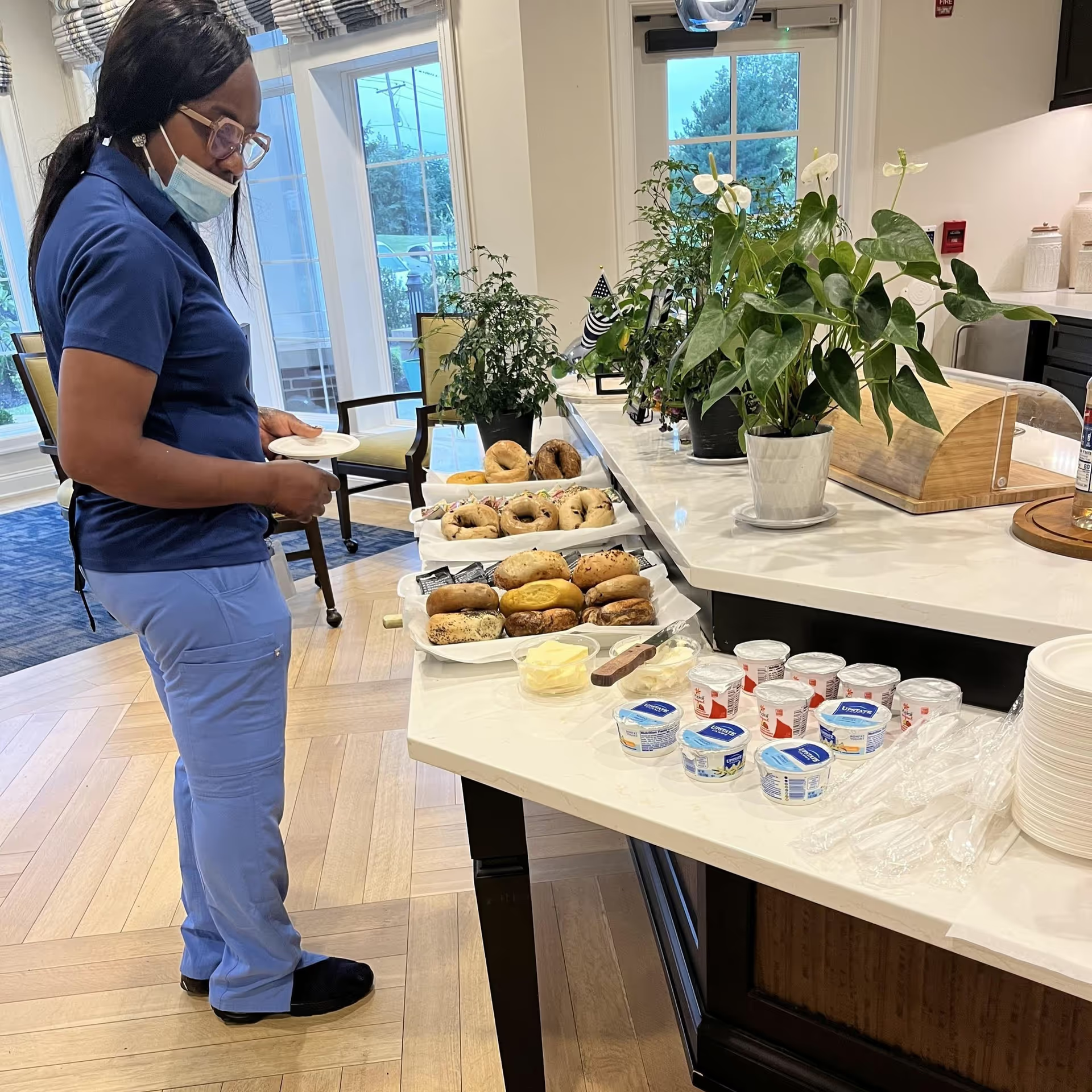
Dining and activities: The facility’s life‑enrichment program is a consistent strength in many accounts — active programming, group outings, exercise classes, religious services, a movie theater, and special meal events are often highlighted. Dining impressions are mixed: some reviewers praise varied menus and special stations, while others report cold or overcooked items, limited choices, and difficulty obtaining therapeutic (e.g., low‑sodium) meals reliably.
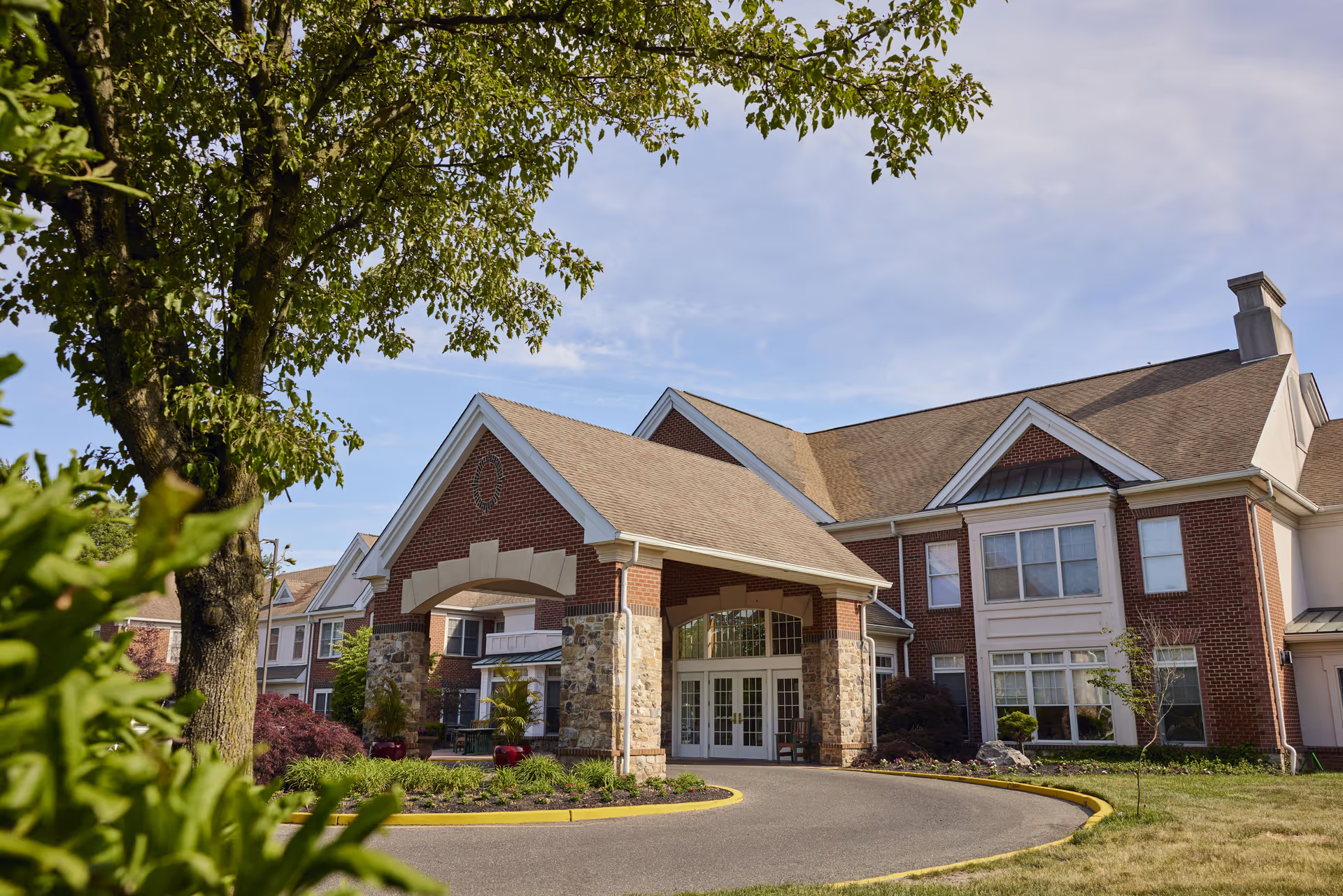
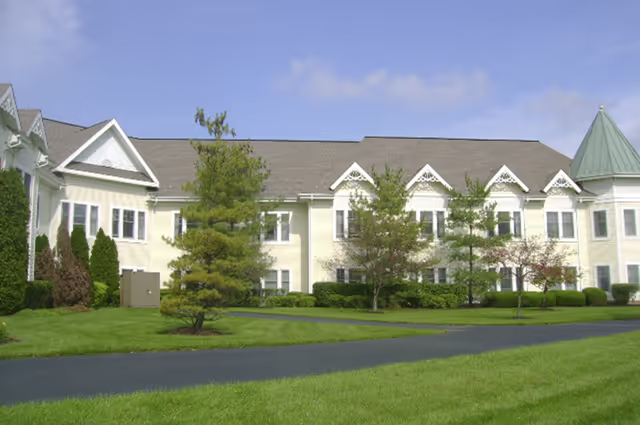
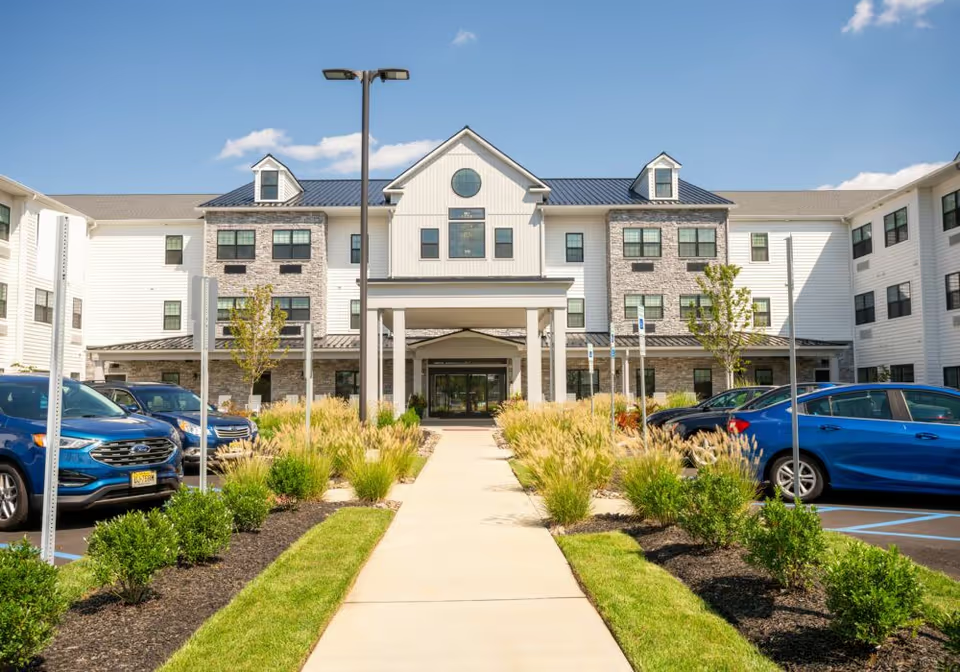
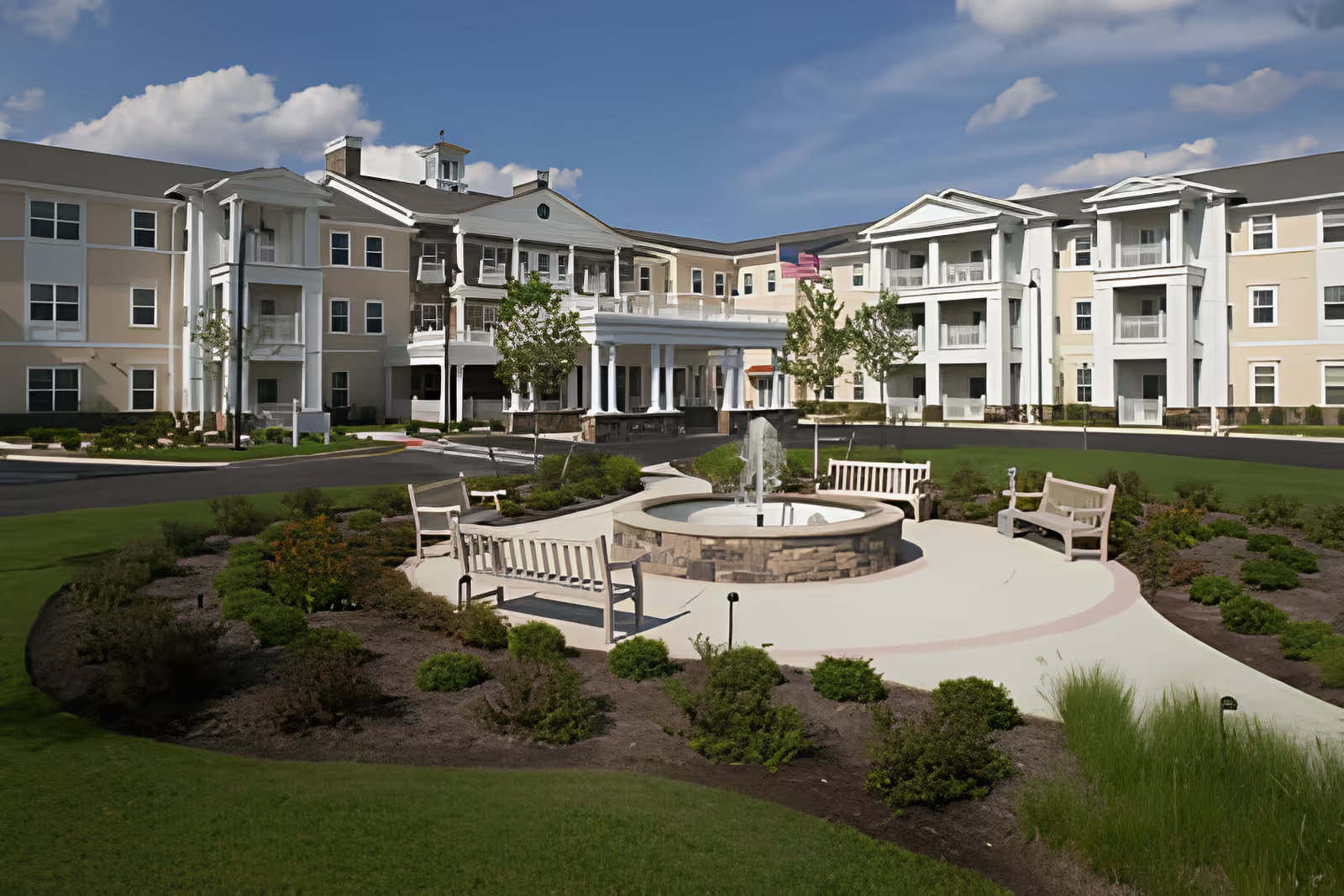
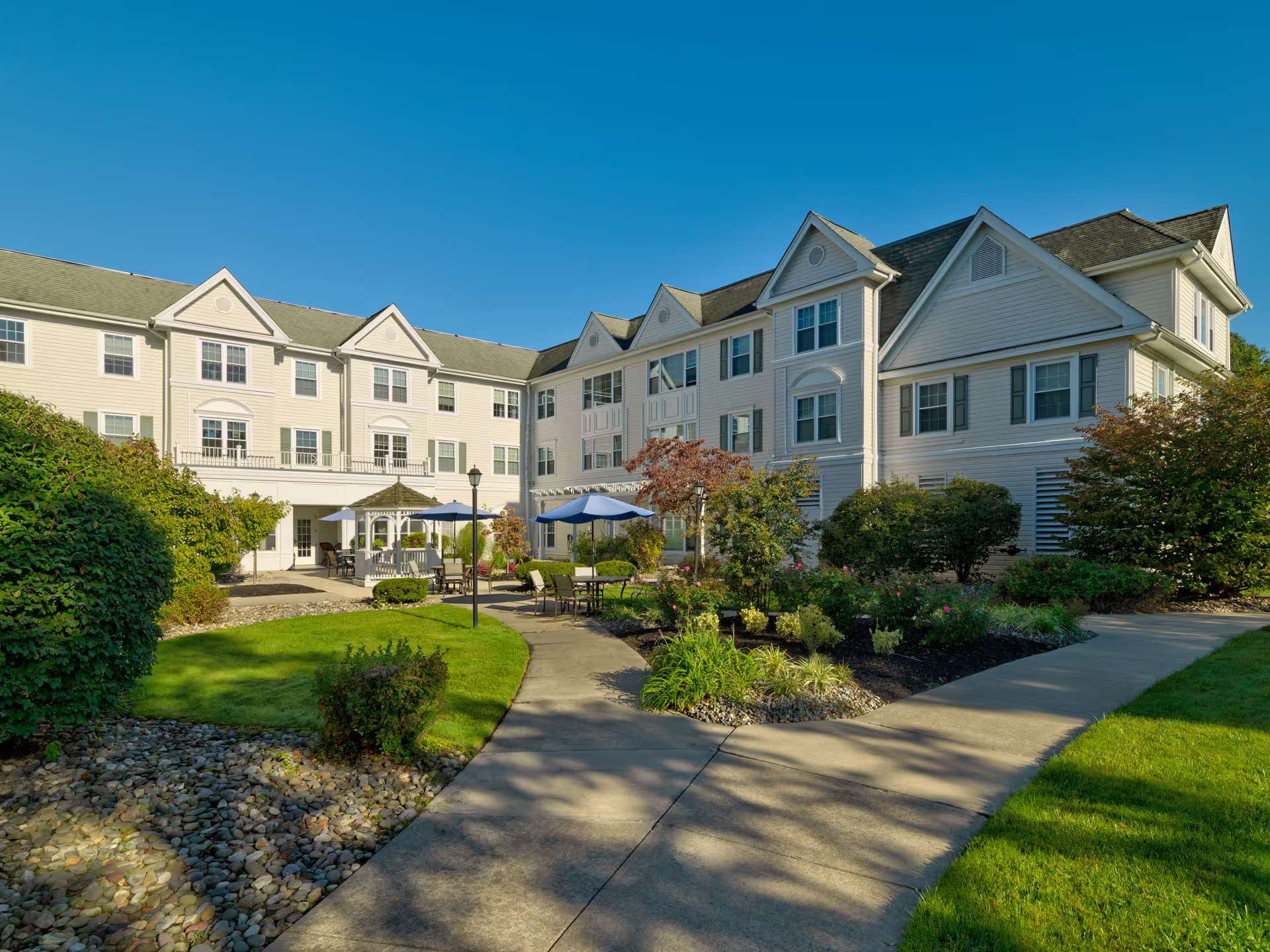
Facilities and environment: Many reviews emphasize an attractive, renovated building with private rooms, an active rehab gym, and well‑maintained grounds. Common areas such as the dining room, chapel, and theater receive positive mentions. However, reviewers also describe variability in cleanliness and maintenance across units and shifts, including sanitation concerns, localized maintenance issues, and intermittent odor concerns. Some commented on empty or underused spaces and equipment‑related issues that affected first impressions.
Management and communication: Experiences with leadership and administrative staff are mixed. Several families praised admissions staff and specific directors for smooth transitions and proactive communication. Conversely, other families reported non‑responsive nursing leadership, inconsistent discharge planning, and breakdowns in family‑facility communication. A management transition to an outside consulting/management entity was noted by reviewers; some perceived this as linked to staffing and process changes. A limited number of reviews reference allegations of regulatory or legal concerns, which prospective families may wish to investigate further through inspection records.
Notable patterns and recommendations: The dominant pattern is variability — excellent clinical care and a high‑quality environment coexist with operational shortfalls that appear to fluctuate by unit, shift, and staffing levels. For families considering this facility, targeted questions are advisable: current staffing ratios (day/night and weekend), use and supervision of agency staff, medication‑safety and reconciliation procedures, protocols for residents with cognitive impairment, incontinence‑care and bathing schedules, therapeutic‑diet adherence, and recent state inspection outcomes. A focused tour that includes the memory‑care unit, night‑shift staffing information, and direct conversation with the therapy team and nursing leadership can help clarify whether the facility’s strengths align with the prospective resident’s needs.