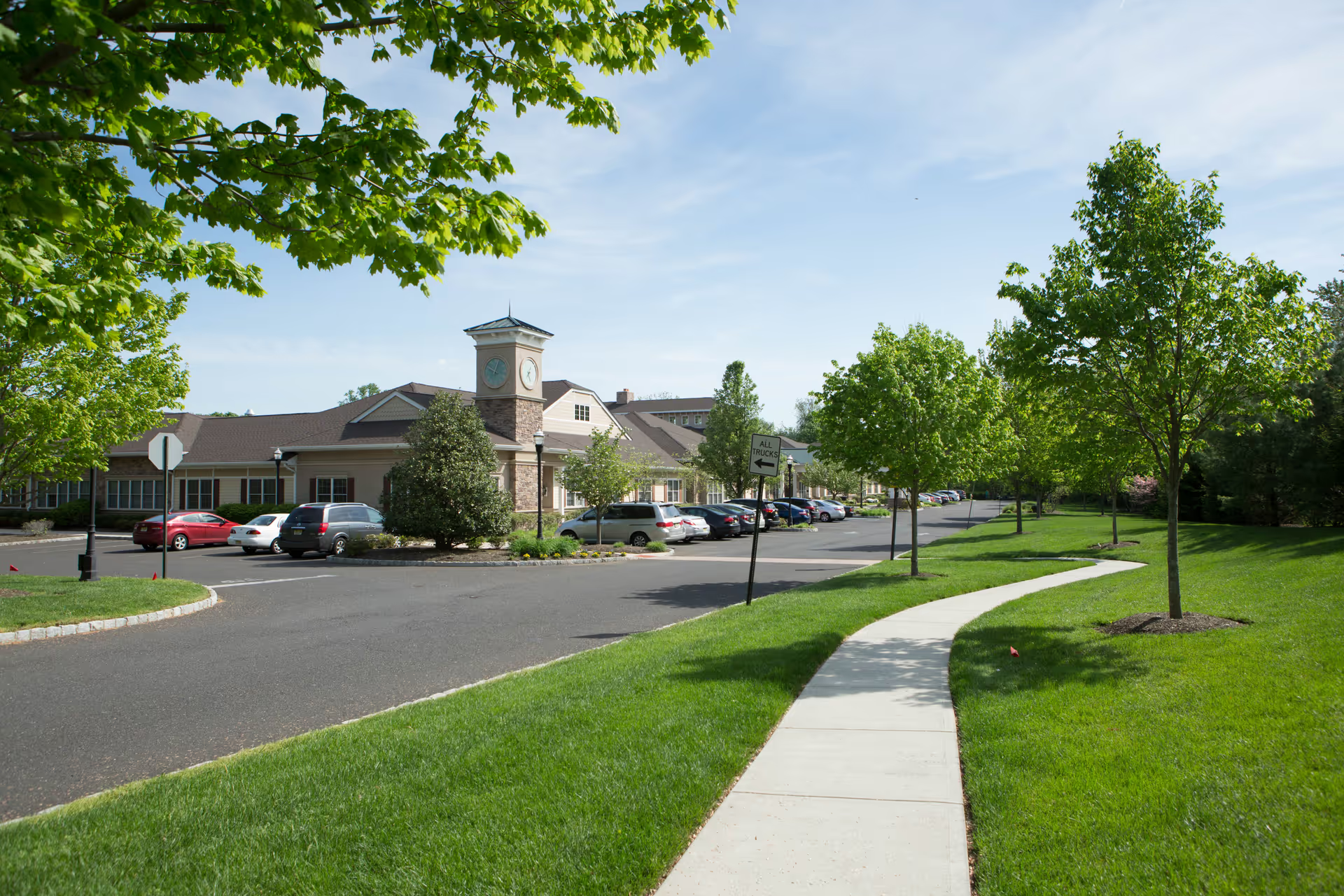
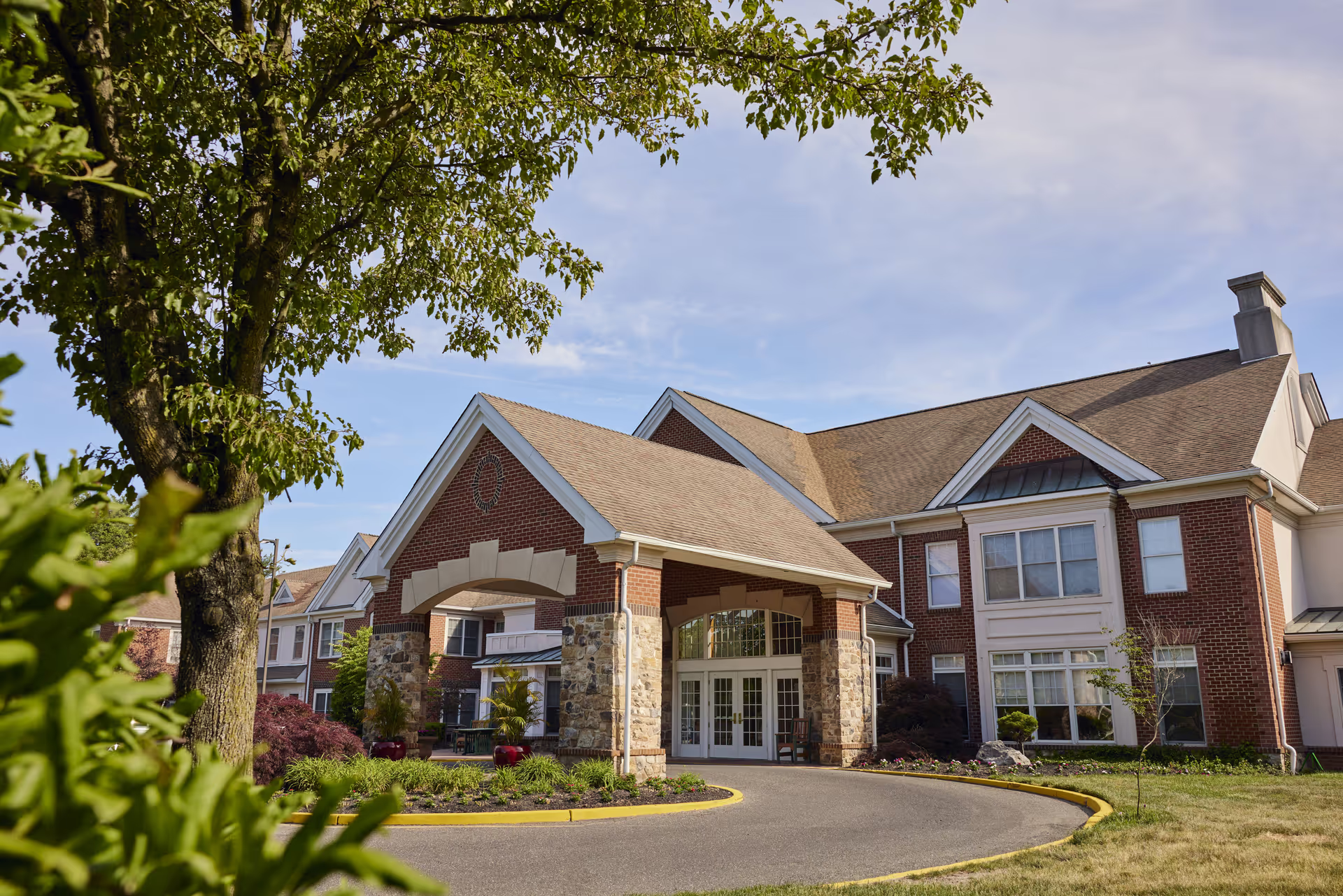
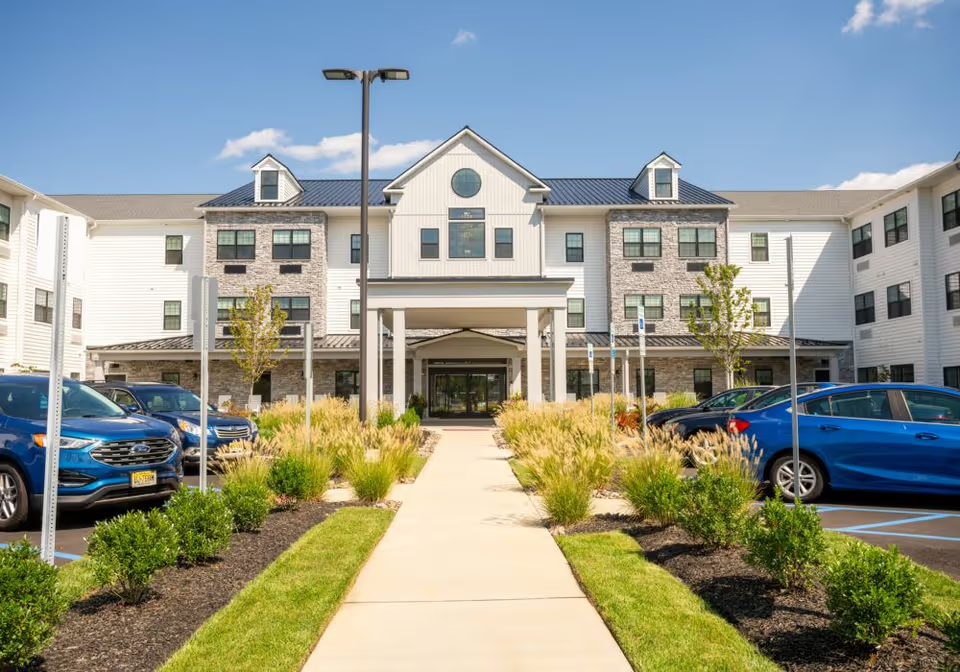
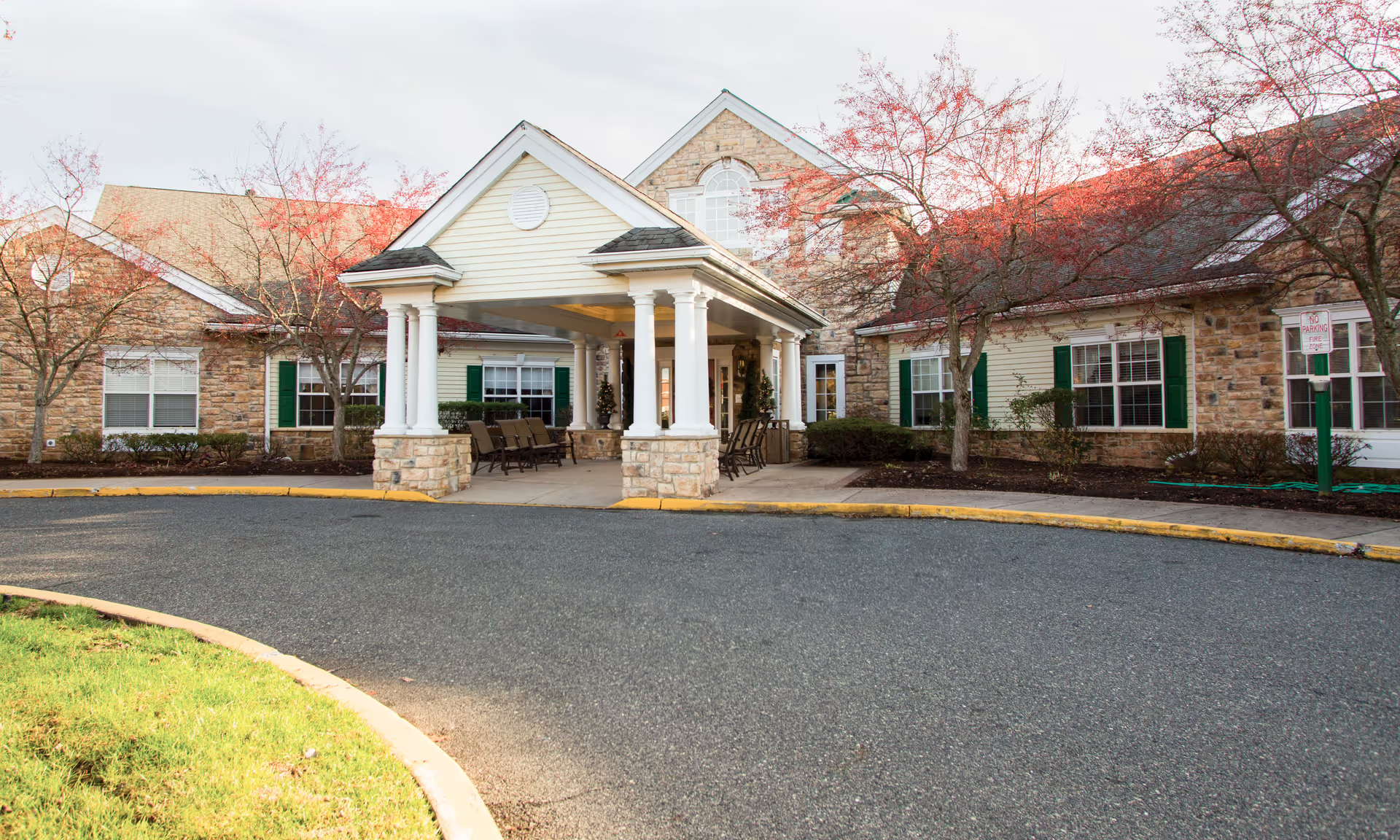
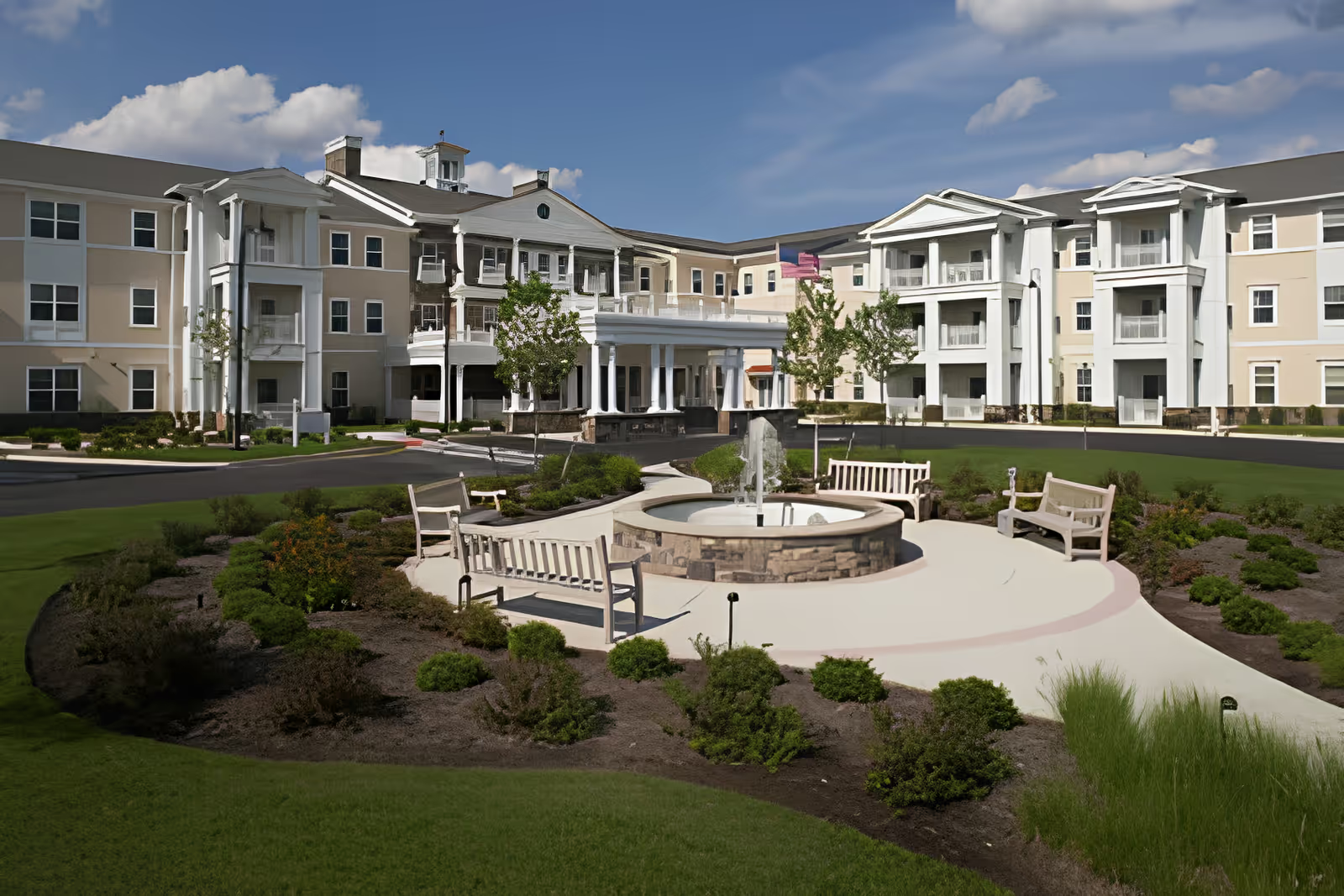
CareOne at Moorestown presents a split profile: it is a physically attractive, well-equipped rehabilitation campus with a strong therapy focus, yet reviewers describe marked variability in other aspects of skilled nursing and facility operations. The facility's exterior, common spaces and some patient rooms receive consistent praise, and many families highlight on-site amenities (theatre, game room, landscaped courtyards, and an on-campus horse program) and a generally welcoming environment.
Therapy services are a clear strength. Physical and occupational therapy — often delivered five days per week — along with speech therapy, receive frequent commendation for effectiveness, professionalism, and measurable patient progress. Multiple accounts describe therapists as skilled, punctual, encouraging, and central to positive rehabilitation outcomes.
Direct-care staffing and clinical care quality are the areas of greatest divergence. Numerous reviewers praise compassionate CNAs, attentive aides, skilled nurses, and specific physicians and managers who are responsive and communicative. At the same time, there are recurring concerns about inconsistent bedside care: slow responses to call bells, delayed medication administration, variability in wound-care follow-through, and lapses in incontinence-related care and room-level sanitation. These problems are commonly framed as operational issues tied to staffing levels and staff workload rather than isolated personality conflicts.
Staffing and training appear to be underlying contributors. Reports of high workload (e.g., one caregiver assigned many residents), variable training and competency among direct-care staff, and periods when staff are overextended are recurrent. These conditions correlate with delayed assistance, missed care tasks (including bathing and toileting assistance), and inconsistent clinical follow-up. Families also describe variability in administrative responsiveness — from proactive social workers and administrators who smooth transitions to unreturned calls, billing confusion, bed-hold disputes, and inconsistent discharge planning.
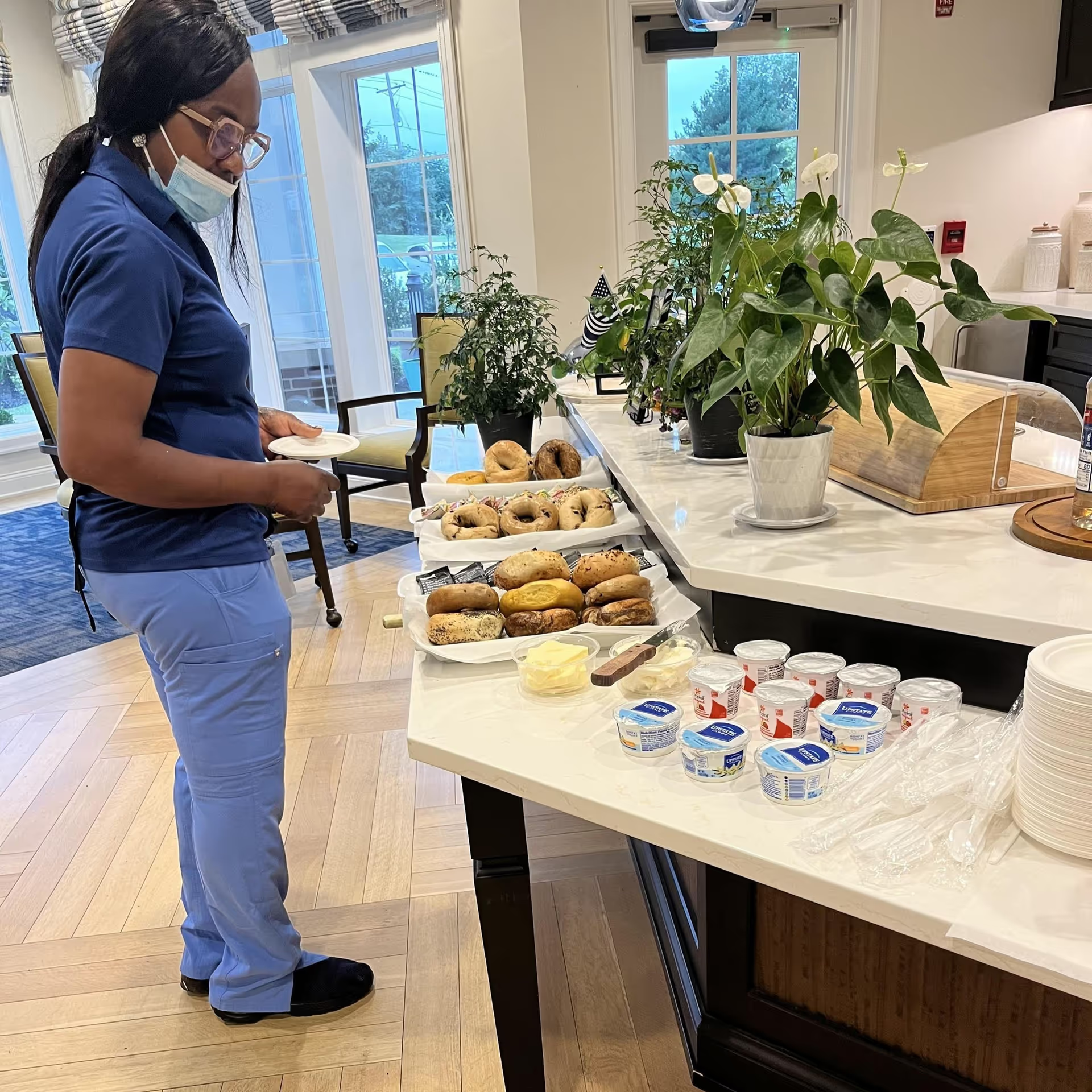
Dining and dietary services elicit mixed feedback. The facility has committed culinary staff and dietitian oversight; some residents praise large portions, accommodation of special diets, and enjoyable meals. Conversely, other reports cite cold or incorrect meal deliveries, insufficient portions at times, and inconsistent adherence to texture or thickened-liquid orders. Housekeeping and environmental services are generally recognized for maintaining clean common areas, though reviewers also note room-level maintenance issues such as chipping paint, malfunctioning equipment, and occasional laundry or personal-belongings problems.
Activities and community life are strengths for many residents. Families frequently mention a robust activities schedule, social engagement, and opportunities for residents to participate in events, which can contribute to a family-like atmosphere in certain units. The facility's size and unique campus amenities are highlighted as positive contributors to resident well-being.
In summary, CareOne at Moorestown may be a strong option for patients with intensive rehabilitation needs who prioritize high-quality PT/OT/Speech therapy and engaging activities in an attractive campus setting. Prospective residents and families should, however, carefully evaluate the facility's current staffing levels, discharge planning processes, medication-management procedures, and policies for belongings and laundry. When considering placement, ask specific questions about nurse-to-resident ratios on the unit, wound-care protocols, call-bell response time targets, dietary-accommodation procedures, and the contact pathway for escalation and billing concerns. Visiting the unit where a prospective resident would live and speaking directly with therapy staff, nursing leadership, and the social work team can help clarify whether the facility’s operational practices will meet the resident’s medical and daily-care needs.