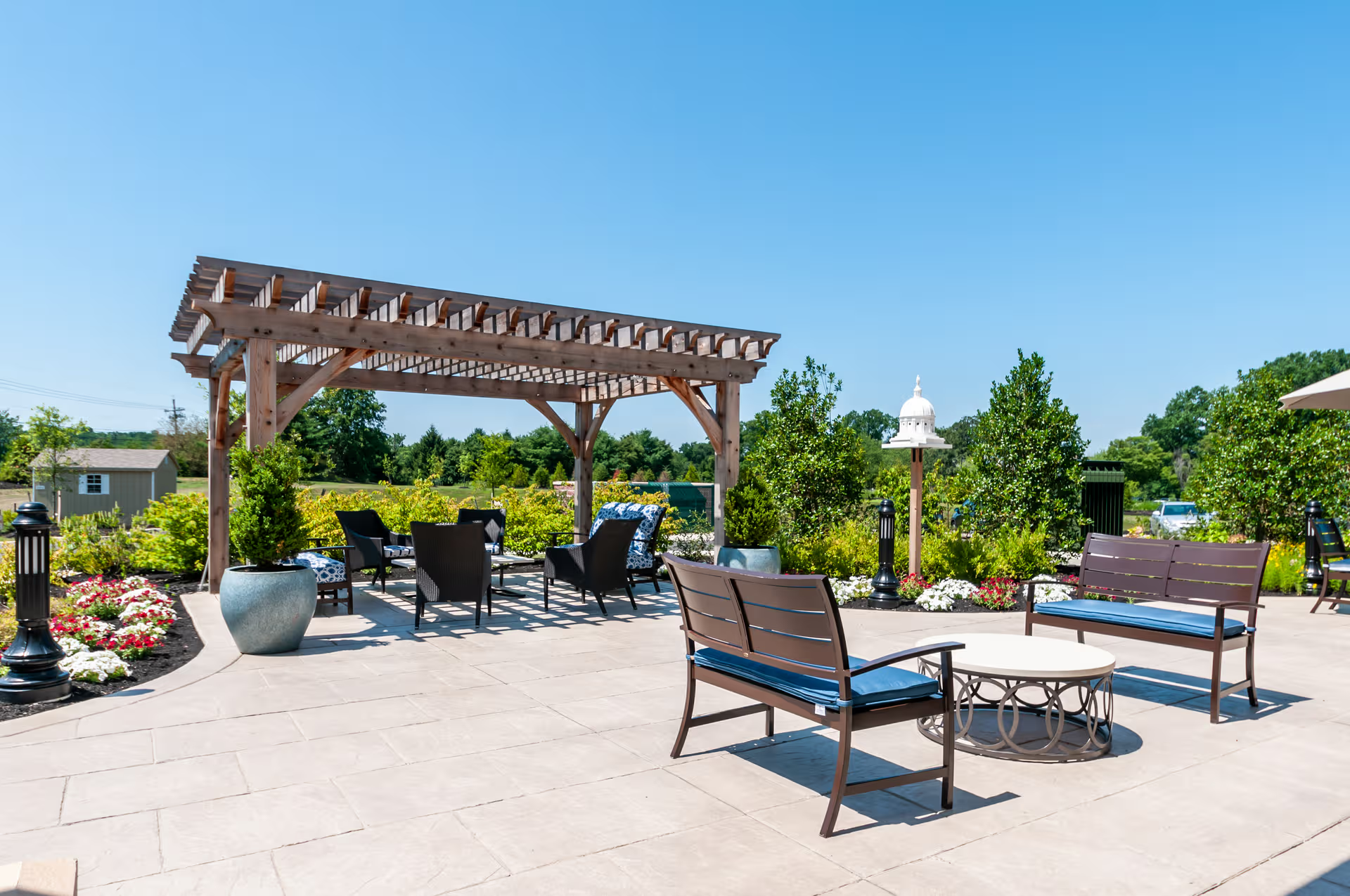
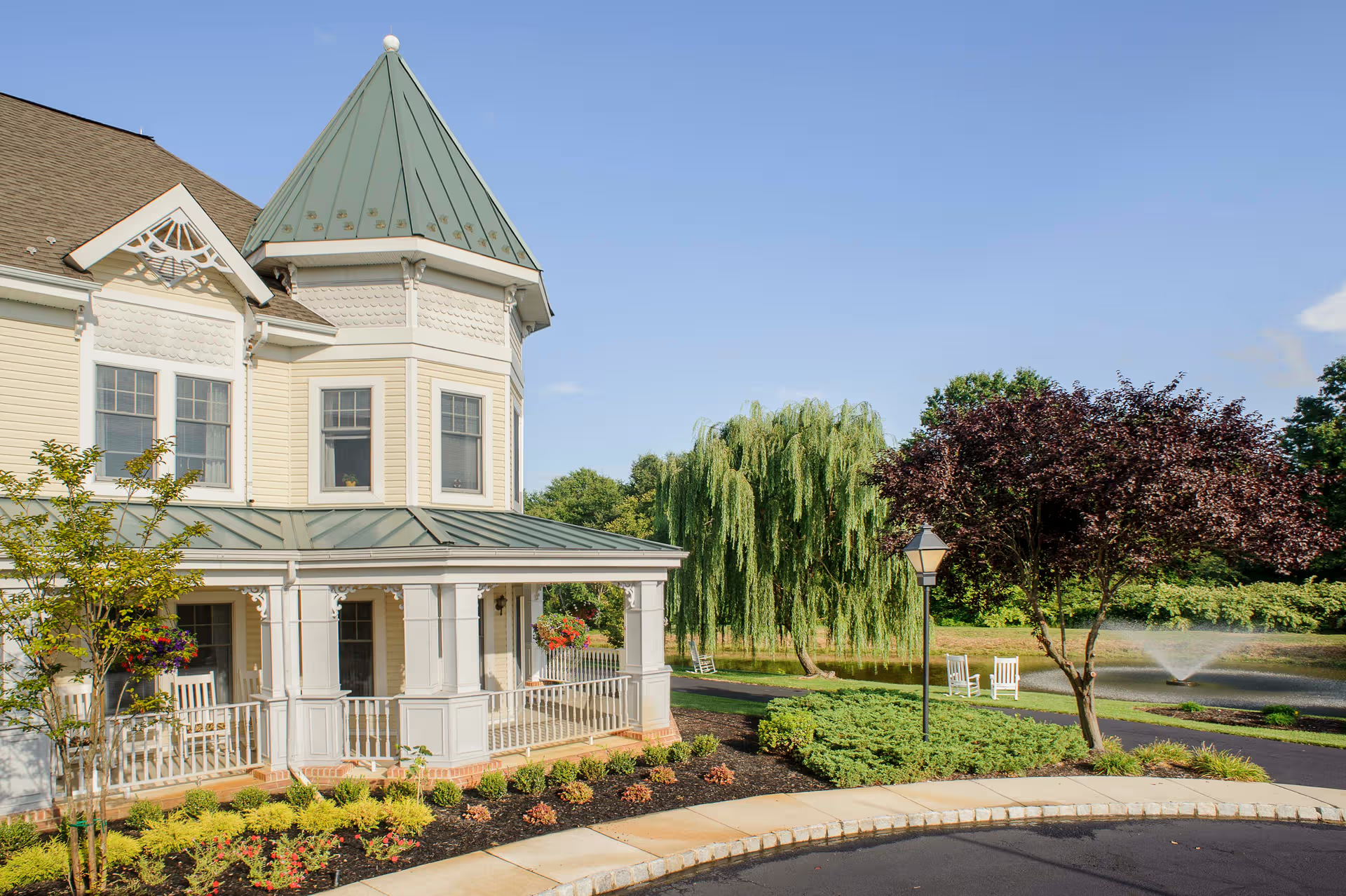
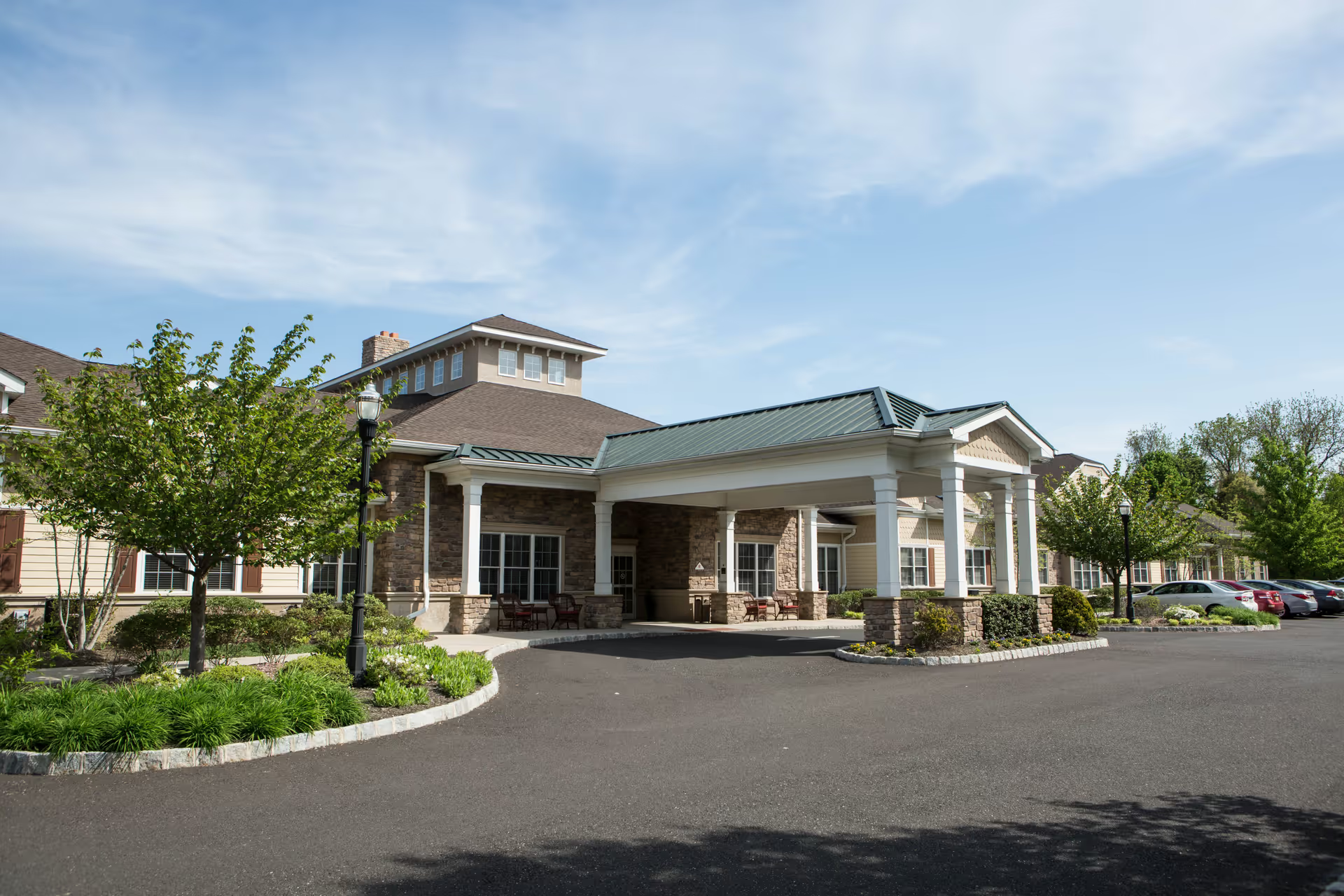
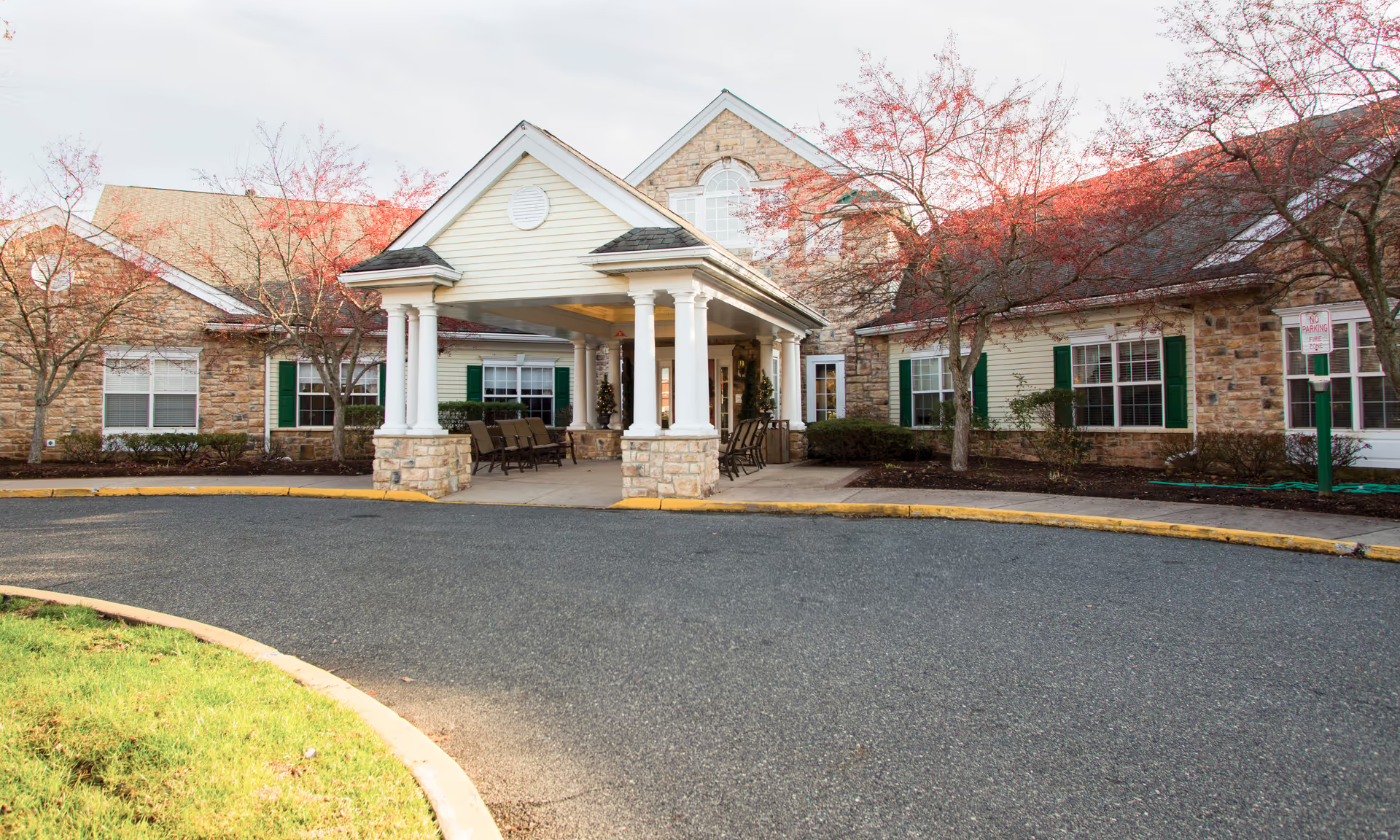
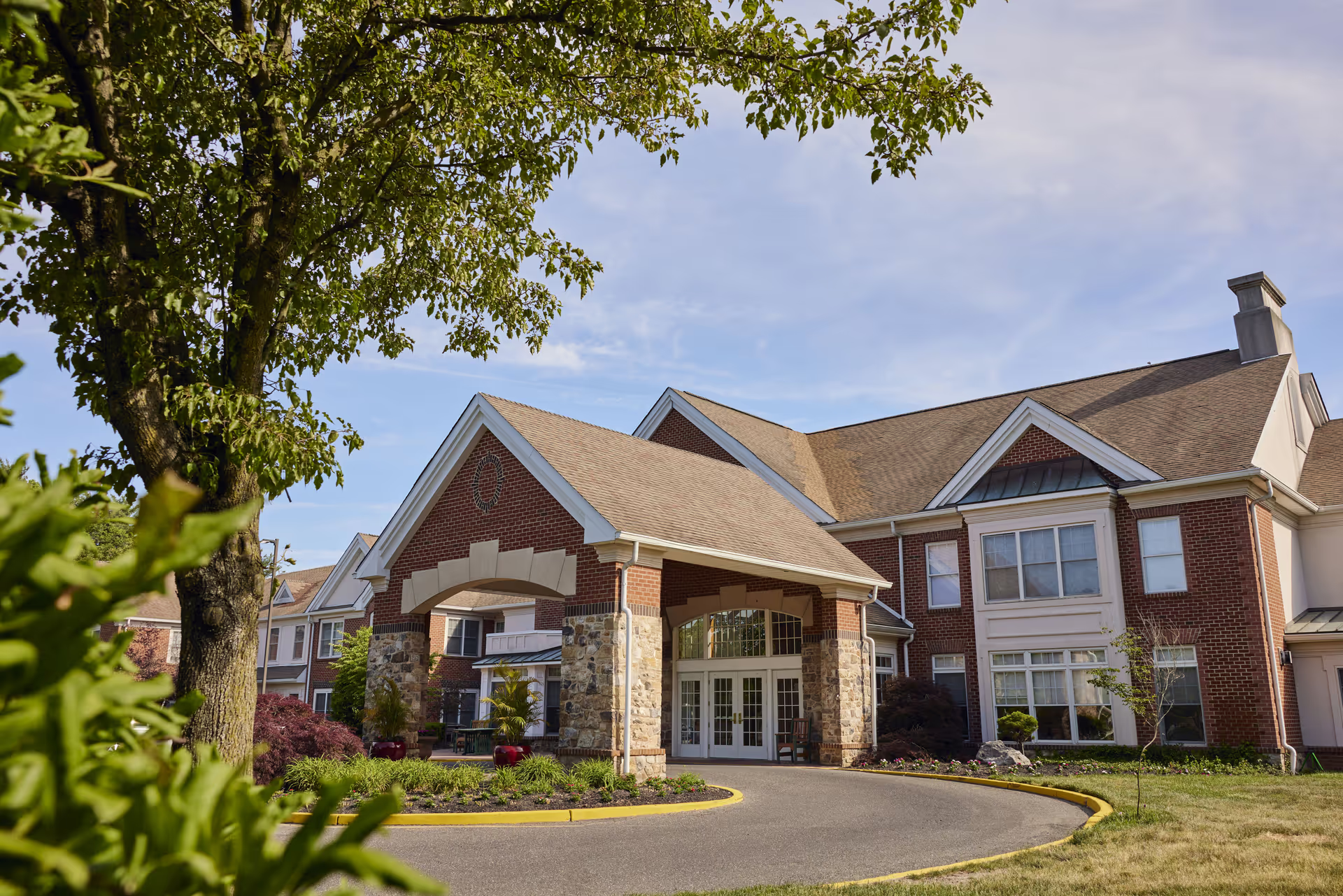
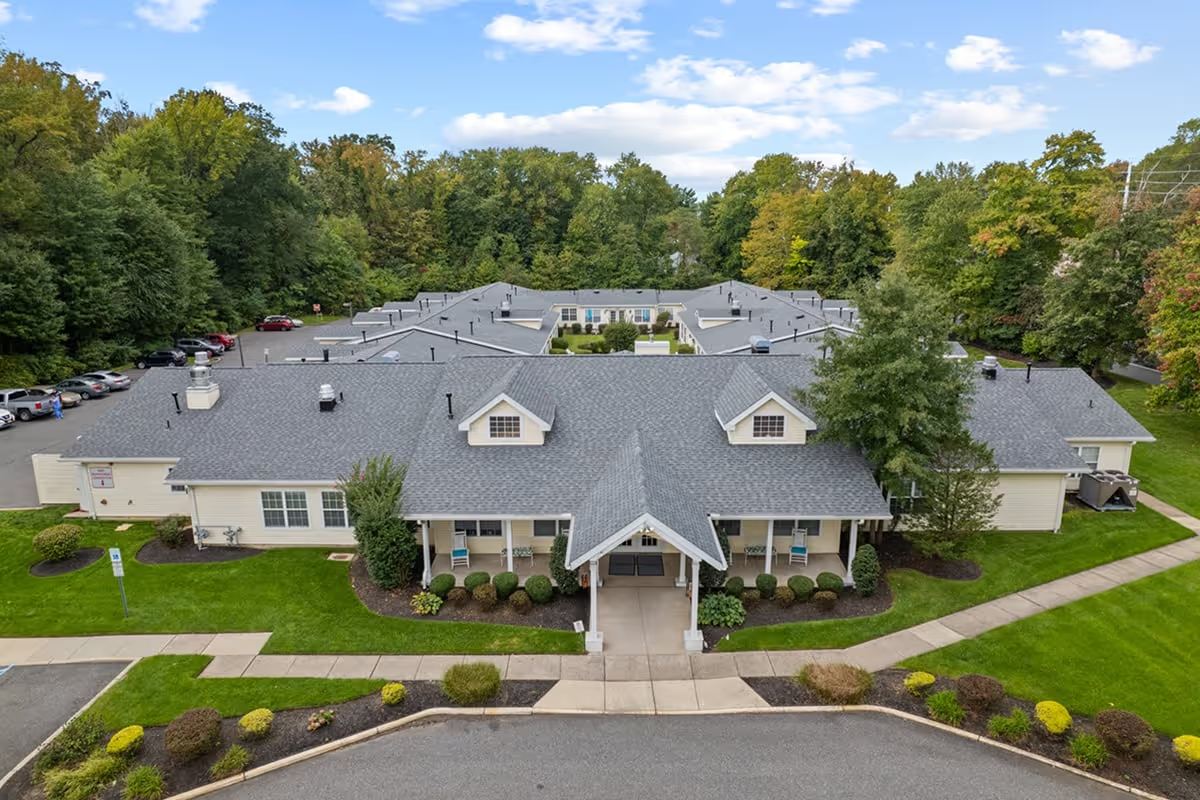
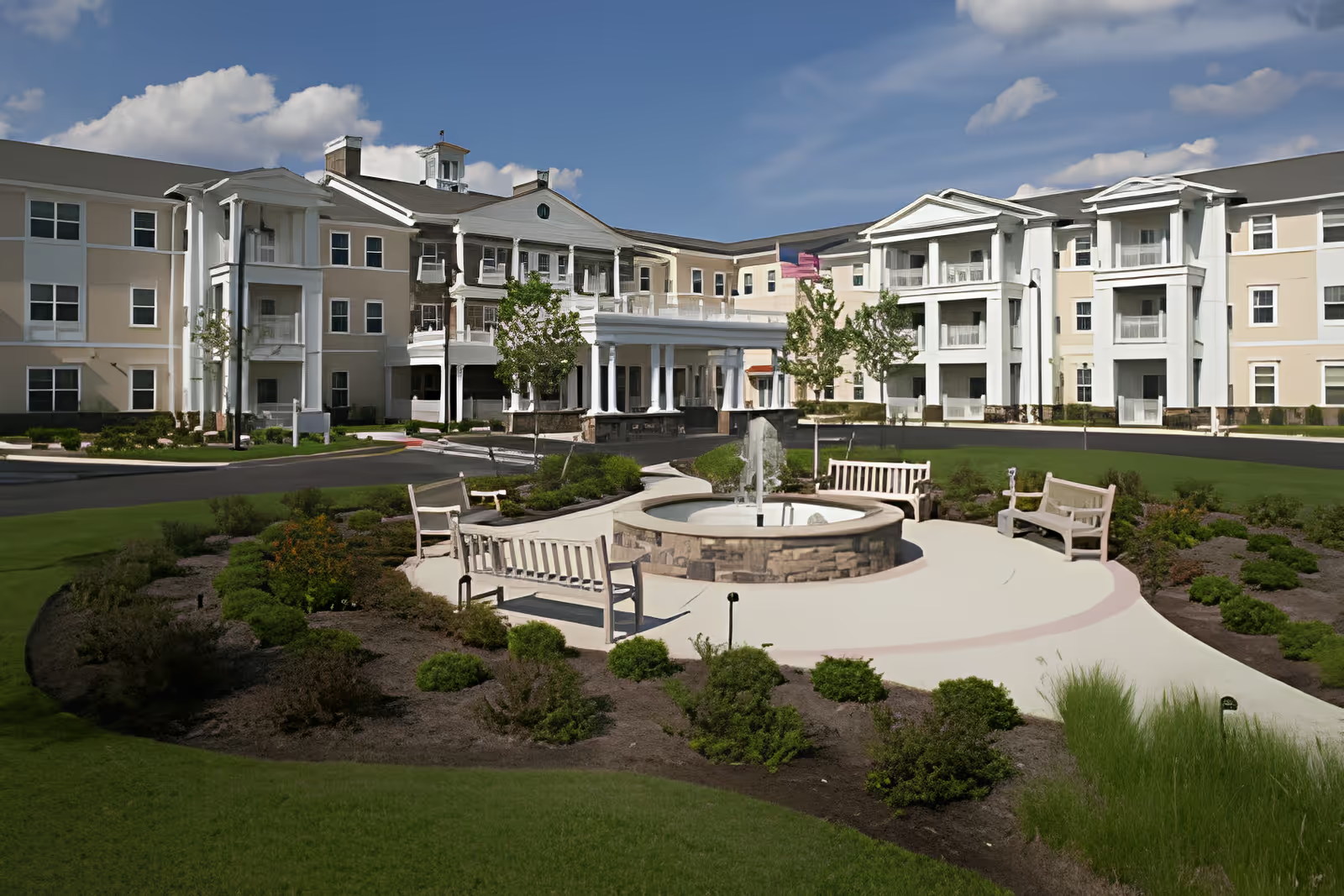
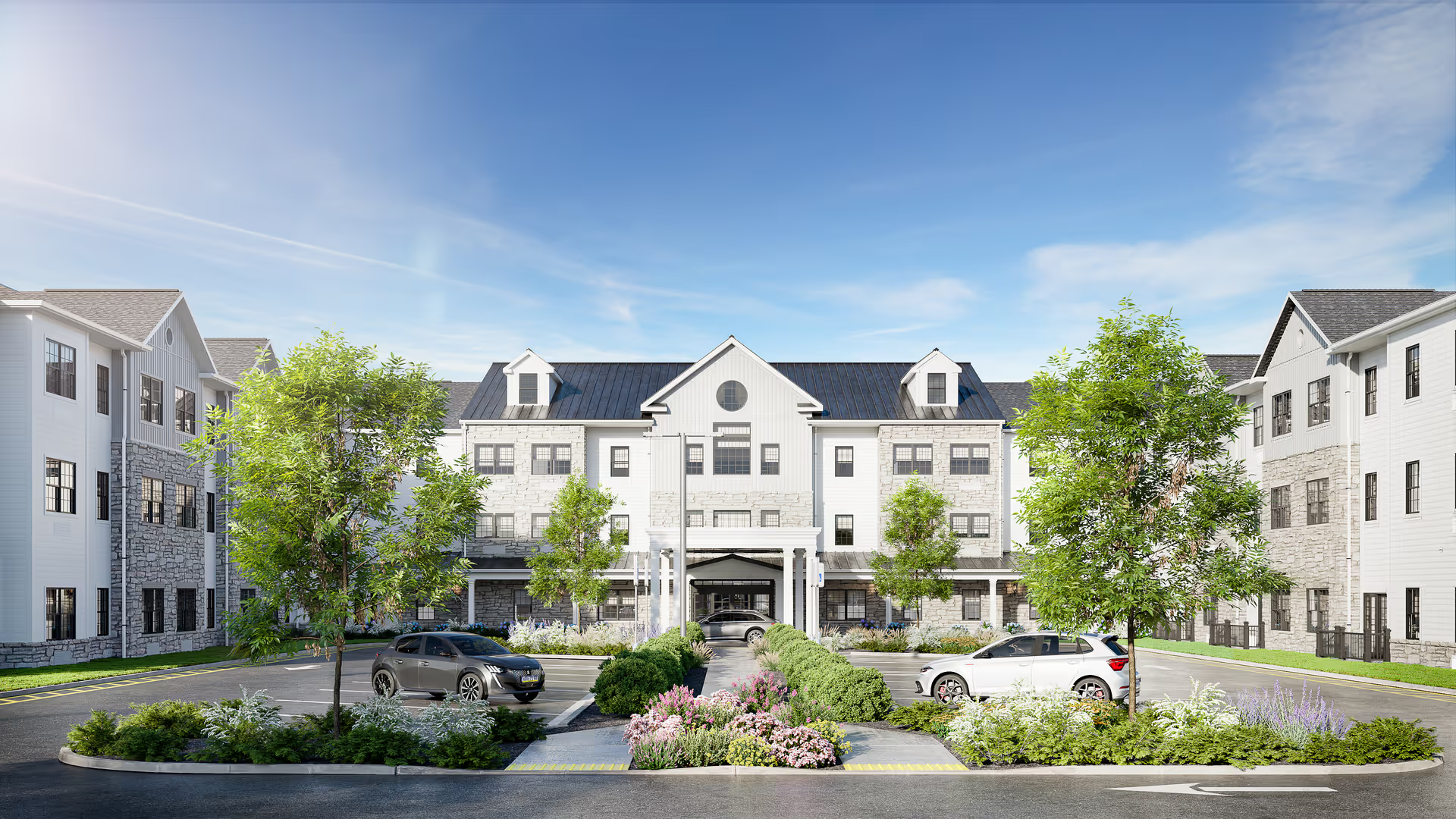
Parkers Bend Retirement Community is presented as a clean, modern independent-living community with resort-style amenities and a strong emphasis on social programming and dining. Reviewers consistently highlight the facility’s attractive interior and scenic grounds, along with convenient Moorestown positioning near shopping, restaurants and medical offices. The campus is described as wheelchair-accessible with open floor plans and generously sized apartments, and many residents note features such as in-unit laundry, weekly housekeeping and on-site retail and personal-care services.
Care quality and staff conduct are recurring strengths in the reviews. Staff are described as warm, welcoming and responsive; several accounts emphasize compassionate interactions, quick issue resolution, and managers living onsite. The community’s all-inclusive model (meals, housekeeping, homecare and therapy services) is viewed positively for simplifying day-to-day logistics and supporting an independent-living lifestyle. Reviewers also attribute improvements in social engagement and reductions in loneliness to proactive staff outreach and peer socialization.
Dining and food service receive uniformly favorable comments. Meals are characterized as healthy, varied and generous in portion size; the presence of an on-site restaurant and round‑the‑clock snack options is appreciated. Reviewers note specific menu highlights and chef-driven offerings, and the dining room is often described as a social focal point where residents dine together and socialize in lounges.
Activities and programming are broad and well attended. Regular offerings include fitness classes, dance fitness, live music, card games and themed social events; the community bus for outings and shopping is a commonly cited convenience. A pattern in feedback is enthusiasm for the existing calendar but also requests for additional specialty physical or competitive activities (for example bocce, handball, shuffleboard), indicating opportunity to expand recreational options for more active residents.
Management and operations are portrayed as attentive and resident-focused. Positive notes include rapid response to maintenance or service requests, on-site management presence, and an organized move-in experience without a large entrance fee. Two operational limitations are apparent: the community’s orientation toward independent living may not meet the needs of people who require higher-acuity assisted- or memory-care services, and popularity appears to constrain availability, with capacity limits noted. These are practical considerations for prospective residents evaluating fit and timing.
Overall, Parkers Bend is characterized by strong hospitality-style service, high marks for staff engagement and dining, and an active social environment. Prospective residents and families should weigh the community’s independent‑living focus and current capacity against their clinical needs and timing preferences, and could inquire specifically about the availability of certain recreational programs if those are important to the prospective resident’s quality of life.