The reviews for CareOne at Madison Avenue present a polarized picture: many families and patients describe high-quality rehabilitation outcomes and compassionate day‑to‑day care, while others raise significant operational and clinical concerns. The facility clearly has strengths in its rehabilitation services. Physical, occupational, and speech therapy are repeatedly highlighted as effective, with therapy teams credited for measurable functional gains and thoughtful return‑home planning. Several reviewers singled out respiratory and high‑acuity capabilities as strengths, and onsite therapy amenities, a well‑equipped gym, and engaging real‑life therapy simulations were noted as contributing to positive outcomes.
Staff behavior and team dynamics are described unevenly. Numerous accounts praise individual nurses, aides, therapists, social workers, and administrators for empathy, consistency, and clear communication; families describe those staff as family‑oriented and supportive during recovery and end‑of‑life care. However, other accounts identify significant variability across shifts and departments — particularly nights and weekends — with concerns about training, responsiveness, and tone of communication. This shift‑level variability appears to be a major driver of divergent experiences.
Clinical and operational weaknesses recur across reviews. Medication administration timing and accuracy, wound and infection management, and delayed responses to basic needs are frequent themes. These manifest operationally as medication errors, late doses, delays in wound care follow‑up, and slow response times to call bells. Related issues include inconsistent documentation, problems with personal belongings and laundry handling, and occasional safety or equipment maintenance deficiencies. Several reviews also mention challenges with dietary accommodations and meal delivery continuity; while meal quality is acceptable to some, other accounts describe repetitive menus, missed meals, and failures to honor dietary restrictions.
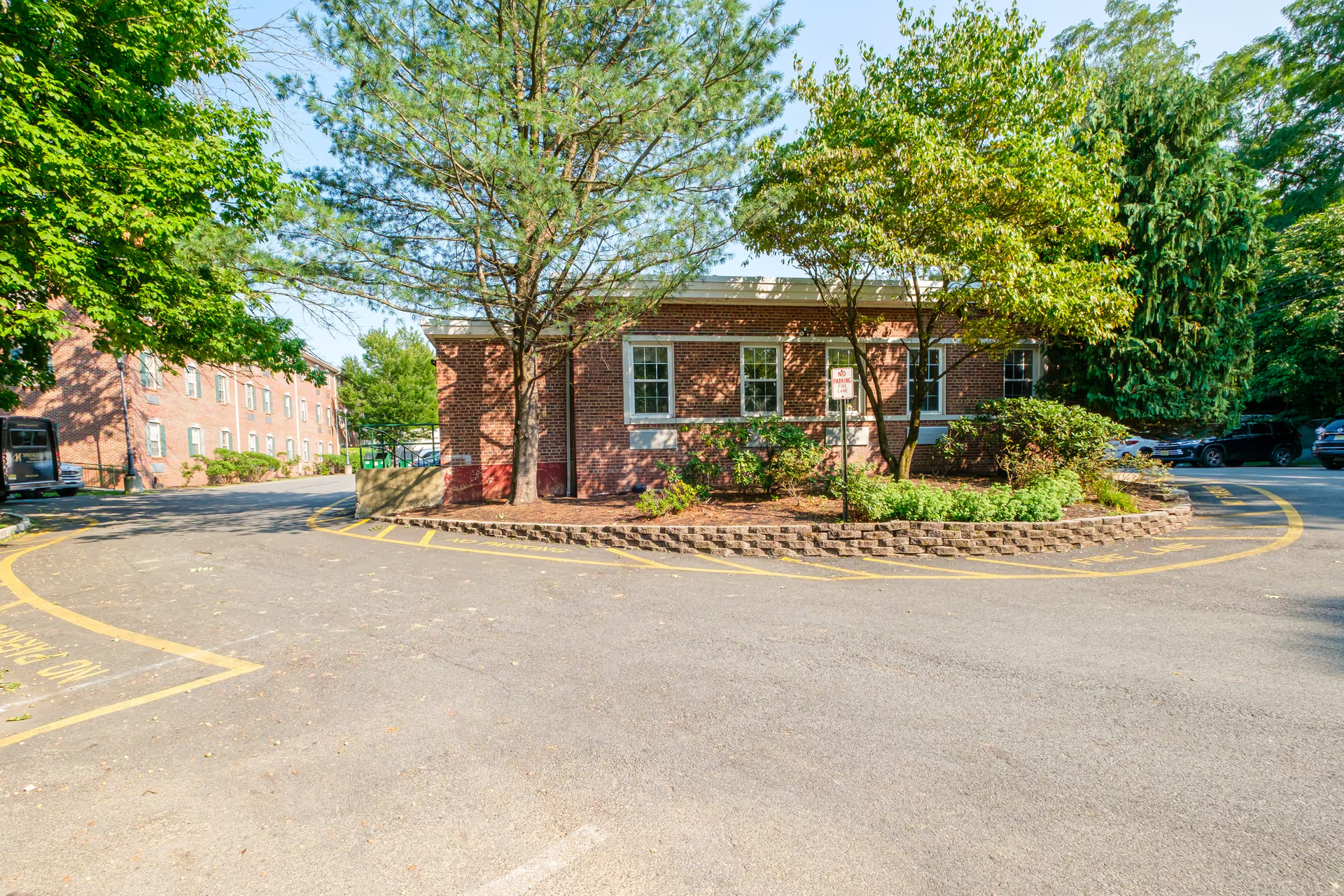
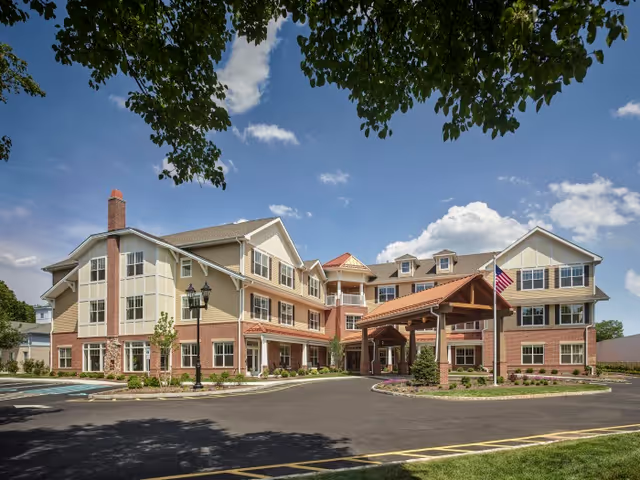
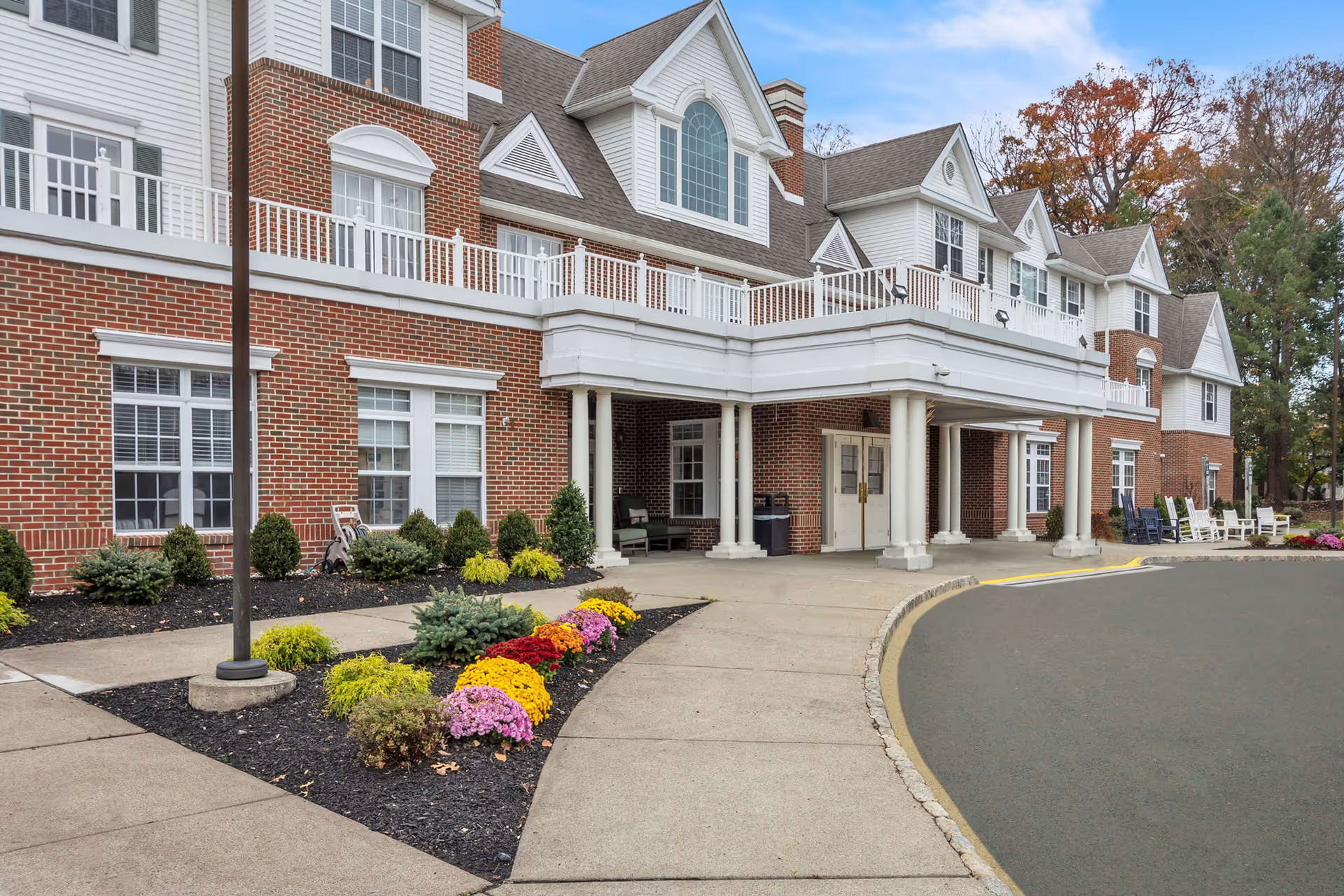
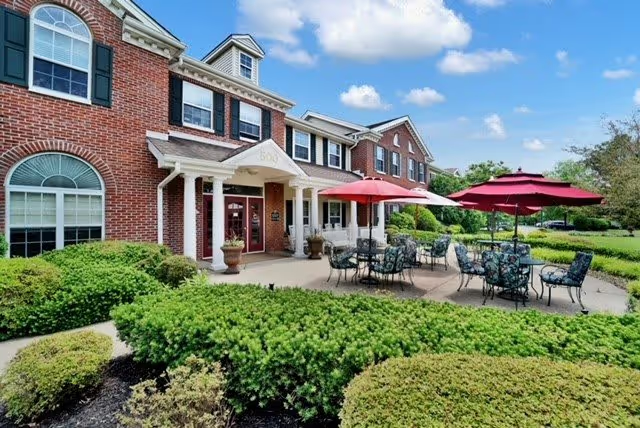
Facility appearance and activities are often cited positively: the building, grounds, and common spaces receive favorable comments, and the activity program (live music, parties, religious services, games, and therapies) is a consistent strength that supports resident engagement. At the same time, cleanliness and sanitation concerns in certain units or common areas emerge repeatedly, as do pest‑control and odor concerns in isolated reports. Transportation logistics, visitor parking availability, and coordination of external transports (including cost and scheduling issues) are additional operational pain points for families.
Management and communication present a mixed picture. Some families praise admissions, reception, and discharge coordination teams for being responsive and helpful; others raise concerns about rushed discharges, inadequate discharge communication, lost documentation or equipment, and limited weekend physician coverage. A small number of more serious allegations reference perceived pressure to transfer residents or financial motivations; these accounts suggest families should ask direct questions about transfer rationale and financial arrangements.
For prospective residents and families: CareOne at Madison Avenue offers strong rehabilitation programming and many compassionate caregivers, and it may be an excellent choice for patients whose primary need is intensive therapy. At the same time, variability across shifts and departments means outcomes depend heavily on unit staffing and local leadership. Recommended pre‑admission inquiries include: current staffing ratios by shift, protocols for medication administration and wound care, weekend and after‑hours physician coverage, dietary accommodation processes, call‑bell response targets, laundry and belongings policies, and the facility’s procedures for incident escalation and family communication. Visiting during different shifts (including evenings and weekends) and speaking with the therapy and nursing supervisors can help families assess how the facility’s strengths and operational risks align with their loved one’s needs.