The written impressions of Seacrest Rehabilitation and Healthcare Center are mixed but consistent in two main respects: many families and patients praise the clinical rehabilitation services, the caring attitude of large portions of the staff, and a clean, recently renovated campus; however, a subset of accounts describe operational and safety gaps that materially affected individual residents.
Care quality is frequently described as strong in the short-term rehab setting. Physical and occupational therapy teams receive repeated positive comments for helping residents regain mobility and return home. Nursing and aide staff are often characterized as compassionate and attentive, with examples of effective pain control and coordinated medical follow-up. At the same time, multiple accounts point to inconsistent clinical practices — including medication-administration and glucose-monitoring lapses, missed or delayed interventions, and uneven therapy scheduling — that have led to falls, hospital transfers, weight loss, and other adverse outcomes for some residents. These contrasting impressions indicate variability in clinical reliability across shifts or units rather than a uniform level of performance.
Staff and management impressions are similarly polarized. Many families highlight friendly, helpful admissions personnel, responsive social workers, and approachable front-desk teams. Several reviews describe a family-like culture and staff members who go above and beyond. Conversely, other reviews raise concerns about staff conduct, caregivers distracted during shifts, short-staffing, and inconsistent follow-through from case management. There are also accounts of abrupt or poorly communicated admission/discharge decisions and allegations of missing belongings and financial mishandling; such claims point to weaknesses in administrative processes and safeguards and warrant further inquiry during a visit.
Dining and activities produce mixed feedback. Activity programming — including bingo, community events, religious services, and special presentations — is commonly praised for engagement and social connection. Food quality and meal service receive more variable comments: some reviewers describe plentiful, tasty options, while others cite cold meals and declining dining standards. Prospective residents should sample meals and ask about kitchen-service procedures and mealtime staffing if dining is a priority.
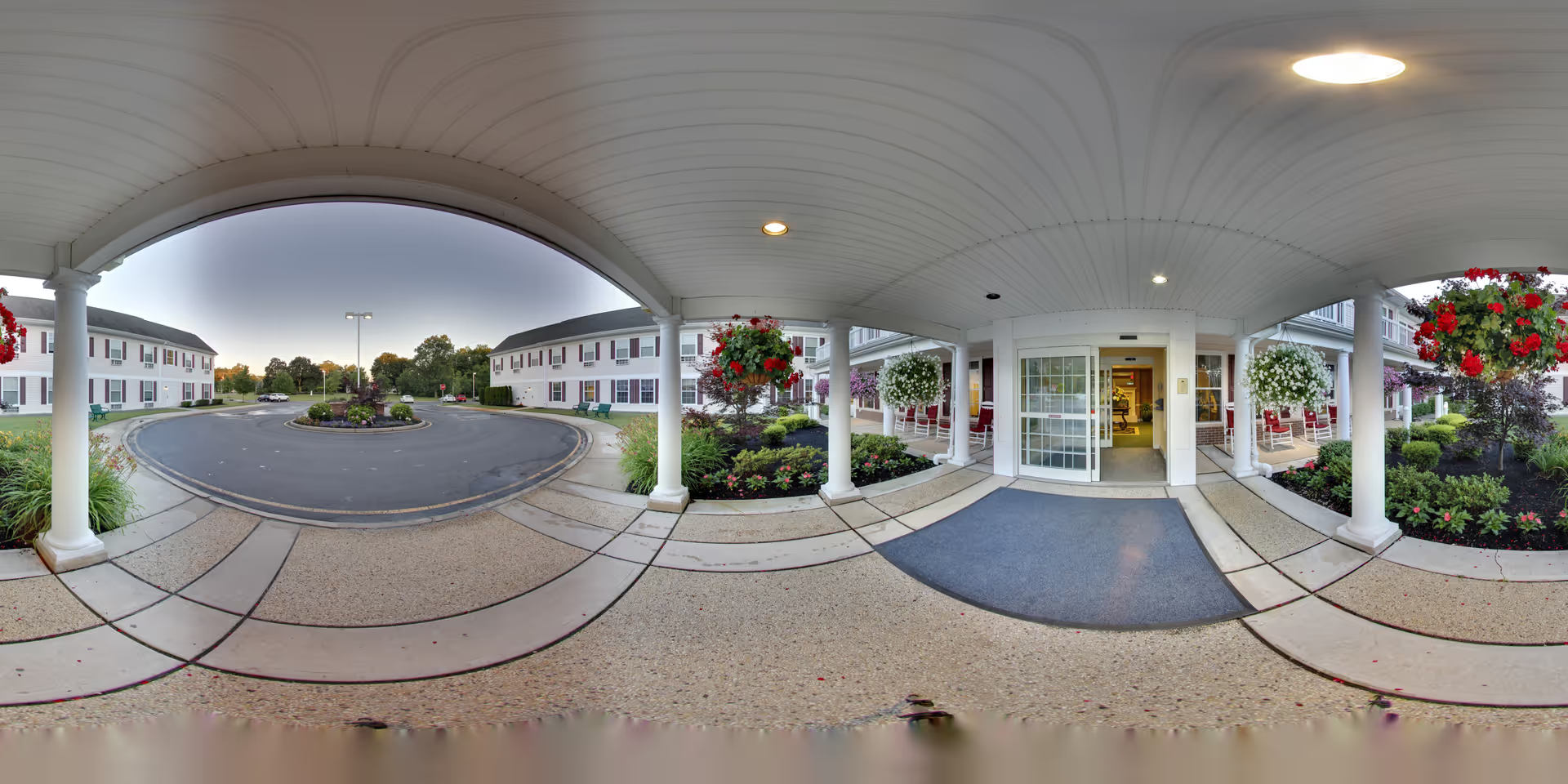
Facility condition is generally described positively: many reviewers note bright, renovated spaces, well-kept grounds, and effective housekeeping. Nonetheless, isolated issues such as room cleanliness on arrival and pest-control concerns (ants in some areas) are cited. These items suggest that standards may be maintained unevenly across floors or units; inspecting specific rooms and the intended unit during a tour is advisable.
Notable patterns for prospective residents and families: the facility appears to deliver excellent rehabilitative outcomes and compassionate care for many patients, especially in the sub-acute rehab setting. However, there are recurrent operational themes—variable staffing, lapses in medication and glucose monitoring, case-management and discharge coordination gaps, inconsistent meal service, and occasional administrative missteps—that have resulted in significant negative experiences for others. Given this variance, families should conduct targeted due diligence: observe shift changes, review medication- and emergency-response protocols, ask about staffing ratios and therapy scheduling, verify bed-assignment and discharge procedures, confirm safeguards for personal belongings, and sample dining and activity offerings. Those steps will help evaluate whether Seacrest’s strengths align with a given resident’s clinical needs and expectations.