Overall sentiment across the collected reviews is mixed but leans positive on rehabilitative care, staff compassion, and facility cleanliness, while repeatedly raising operational and safety concerns. The clearest pattern is a strong, consistent appreciation for therapy services: physical, occupational and speech therapists are frequently described as effective, attentive, and instrumental in patient progress. Many families report measurable gains from rehab, praise for therapists who push for progress, and satisfaction with individualized therapy scheduling. Short-term rehab is frequently highlighted as a primary strength of the facility and several reviewers state the facility is a good fit for intense rehabilitation stays.
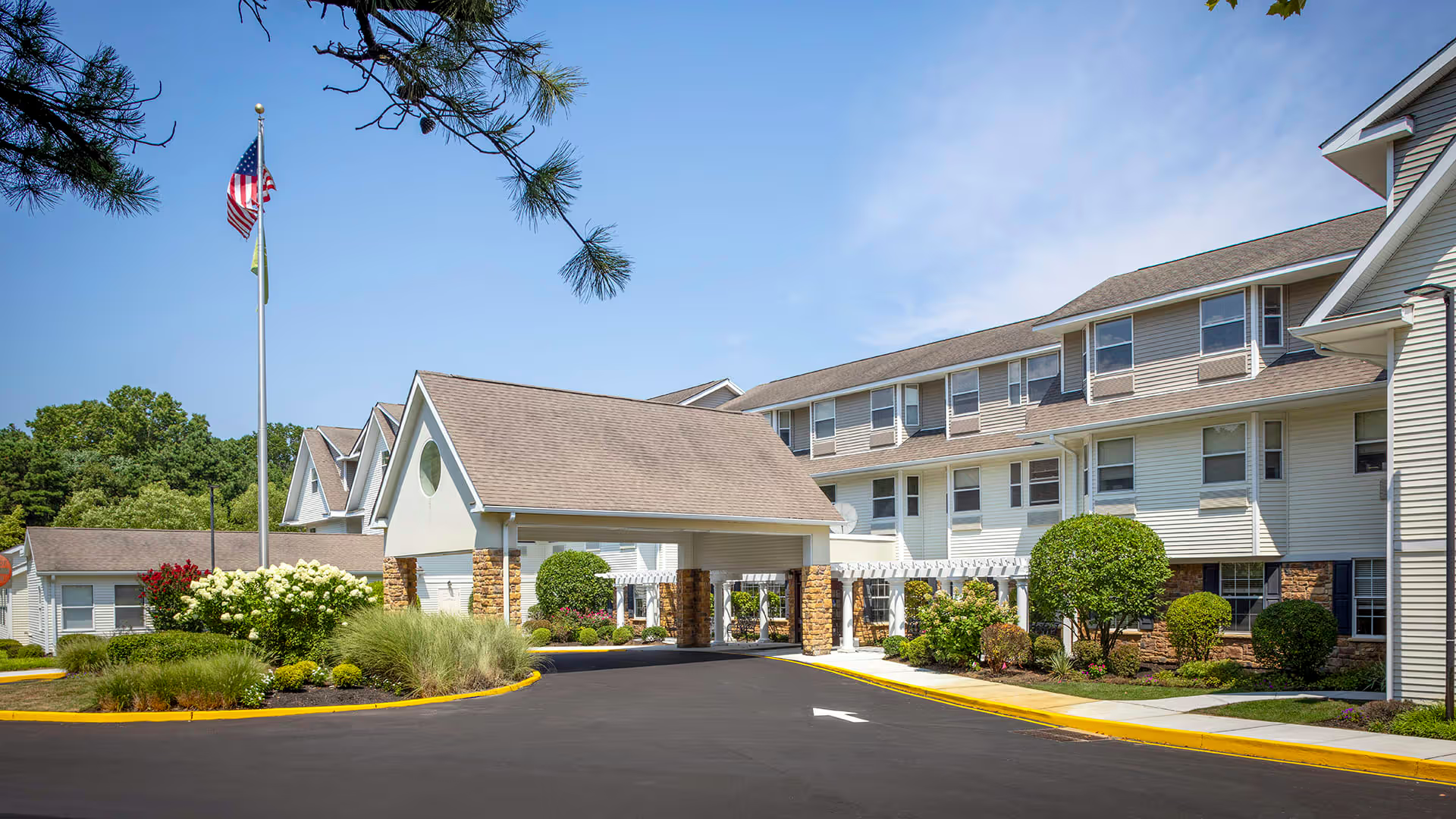
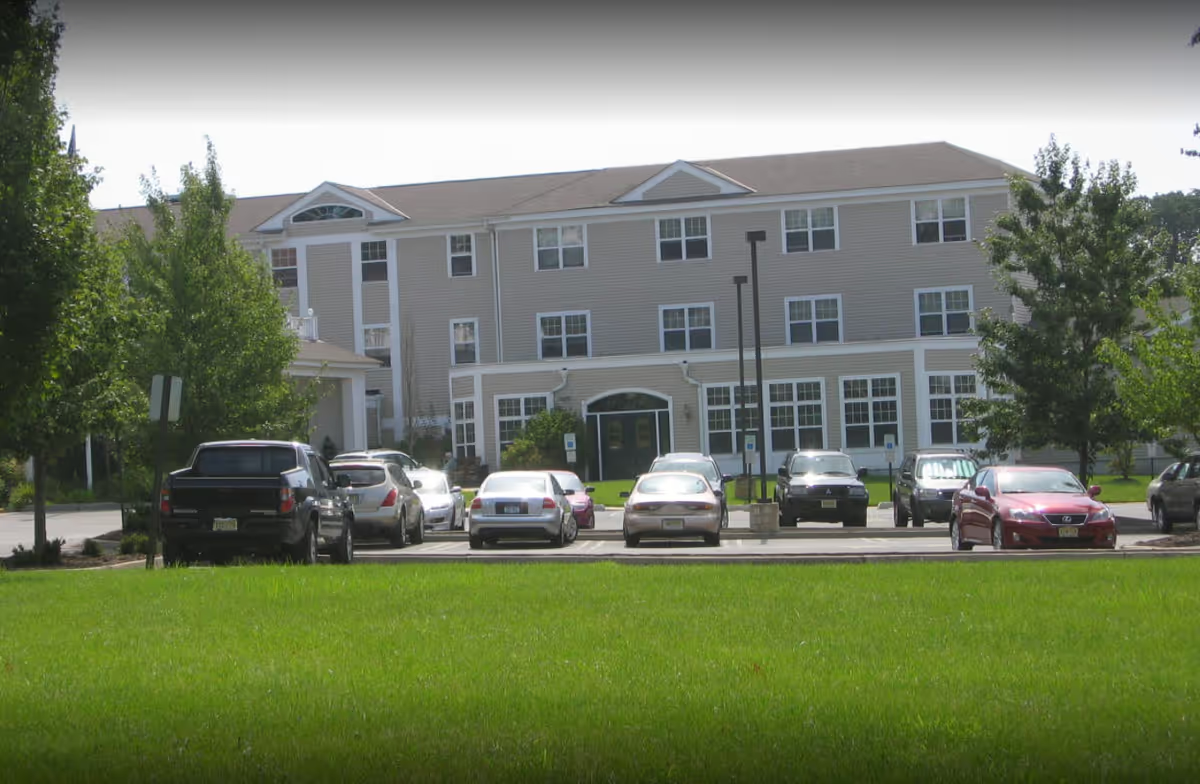
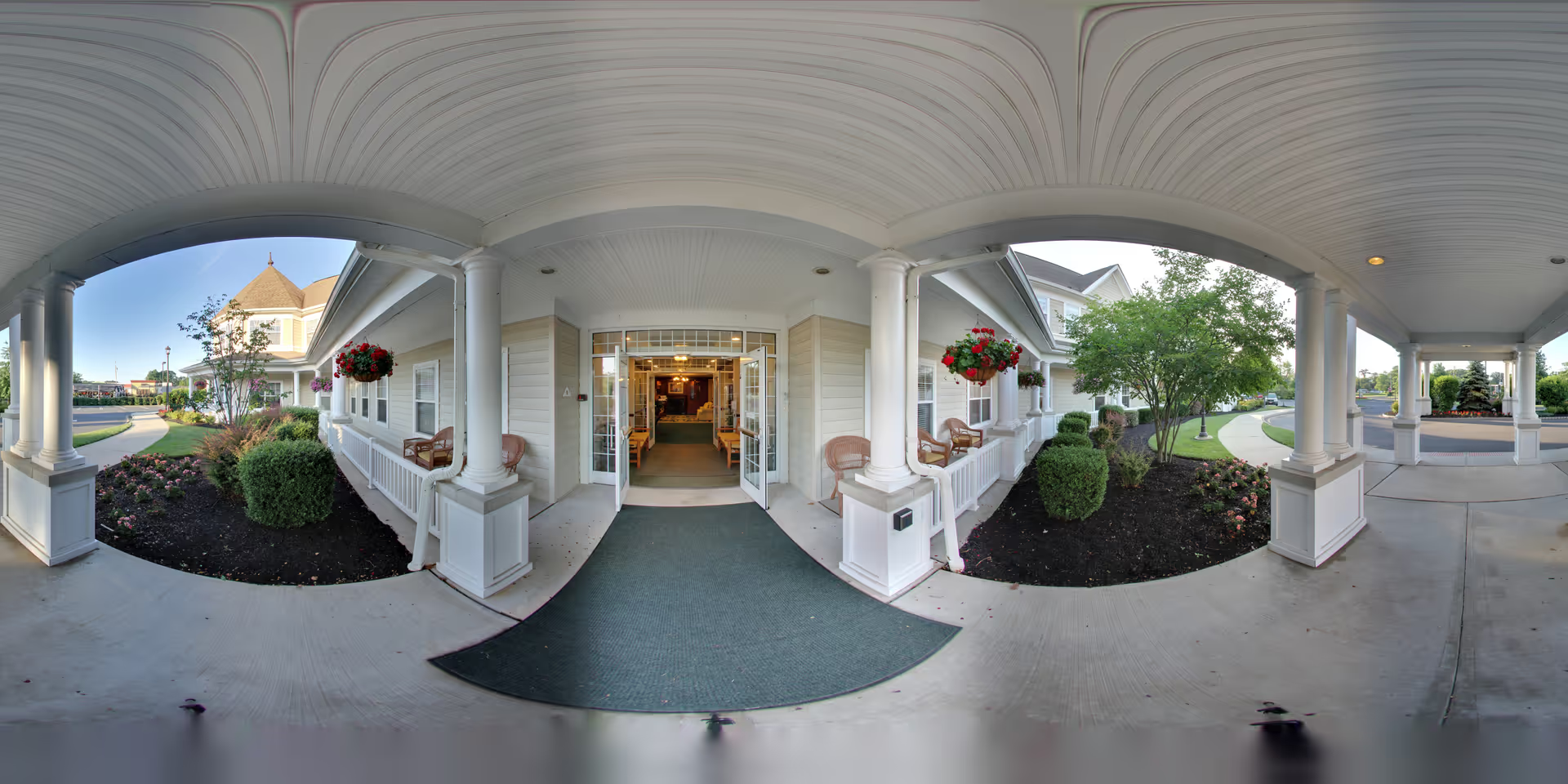
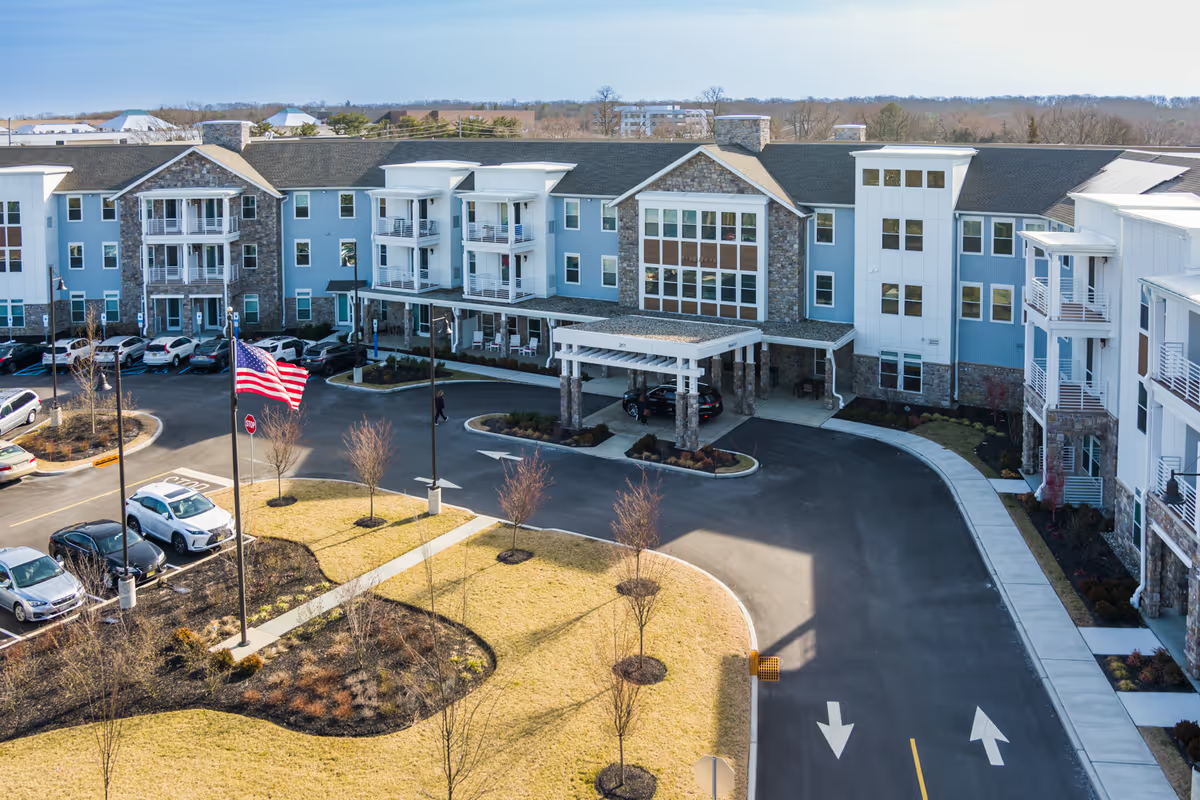
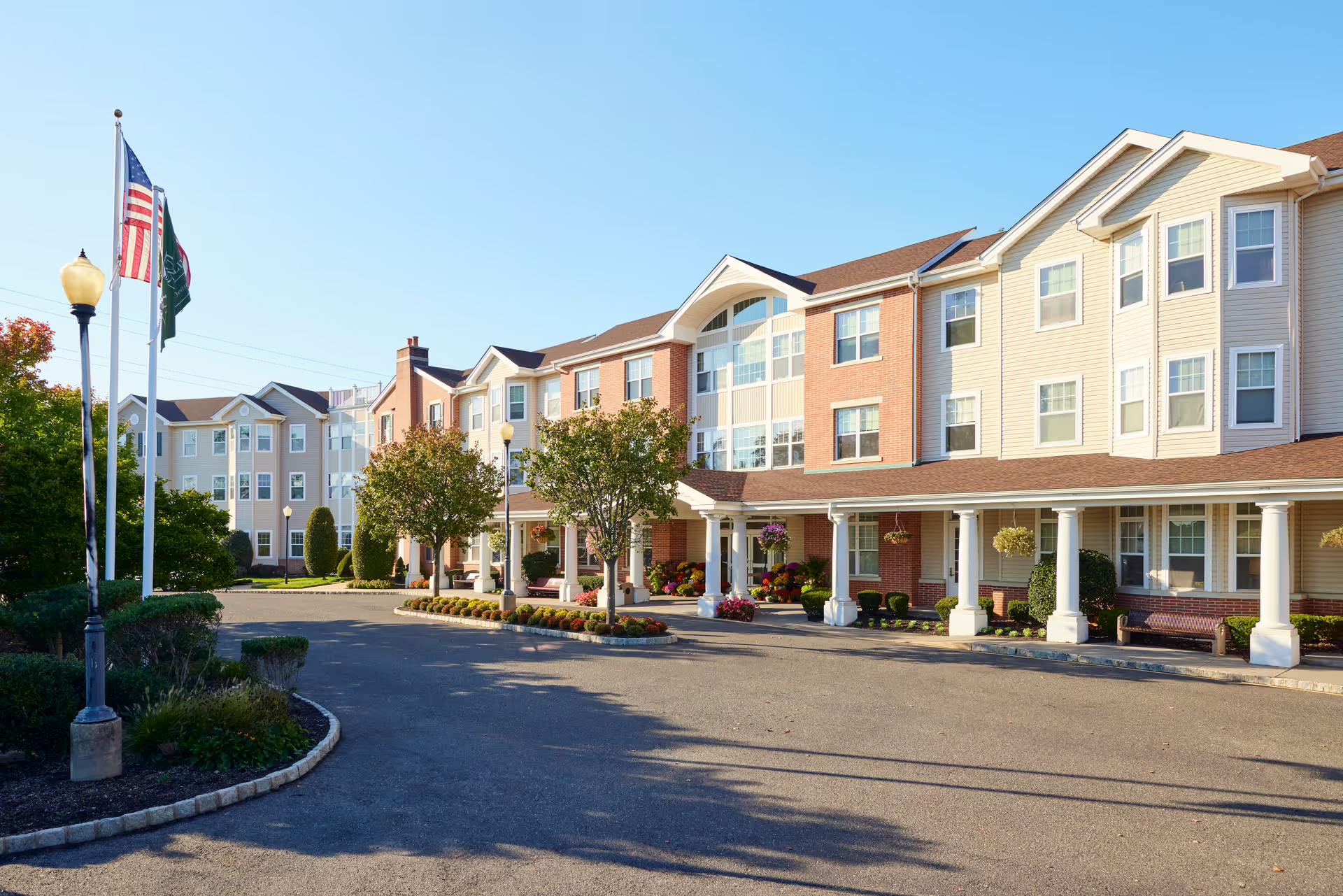
Staff attitude and interpersonal care are also common positives. Numerous reviews describe staff as friendly, polite, upbeat and empathetic; social workers and some admissions staff receive specific praise for being helpful and communicative. When communication is working well, families report daily updates, proactive scheduling, and a high degree of confidence in care coordination. The facility is repeatedly described as very clean, odor-free, and well-maintained; many reviewers emphasize spotless hallways, rooms, and a modern or newly renovated environment, with some noting upcoming amenities like a new gym.
Counterbalancing those strengths are significant operational issues that appear frequently and consistently across reviews. The most common concerns center on staffing levels and responsiveness: slow call-light response times, especially at night and on weekends, are mentioned repeatedly and attributed by many to understaffing. Reviewers also report variability in nursing care quality—weekday nursing and clinical oversight often are seen as competent, while aides (particularly night aides and some weekend staff) are described as inattentive or standing around. This variability influences perceptions of safety and trust.
Communication is another polarized theme. While many families praise excellent, proactive communication from certain nurses, therapists, and social workers, an almost equal number of reviews describe poor communication: phones that don’t get answered, confusing phone systems, inability to reach staff, unclear information about patient location or care, and paperwork/admissions delays. These inconsistencies extend into care coordination problems including medication timing mistakes, failure to follow dietary orders or physician instructions, and bills or charges for services (for example, physical therapy) that some families say were not actually provided.
Dining and nutrition surface as a frequent area of complaint. Multiple reviewers find the food bland, overcooked or delivered cold; others mention portion sizes that are too small or limited weekend options. A number of reviews, however, note individualized meal accommodations, an attentive chef, or that certain residents enjoyed the dining experience—indicating uneven execution between staff or shifts. Relatedly, dietary restrictions not being followed and meals provided that contradicted medical advice appear in some reports, which is a clinical concern when diet impacts recovery.
Safety and hygiene issues appear in several serious reports and warrant attention. There are repeated accounts of falls—some causing injury or bruising—and at least one review references a patient death in the context of care concerns. Families report instances of poor hygiene practices (gloves left in rooms, allegations of residents left unattended in soiled clothing or in feces), failure to promptly notify physicians after incidents, and inadequate follow-up. While many reviews emphasize that emergencies were handled well and that some staff are highly attentive during crises, the existence of multiple reports describing lapses in safety and follow-up creates a notable pattern of risk.
Operational and logistical problems are also recurring: missing or delayed laundry and personal items (sometimes without reimbursement), room set-up problems (missing TV remotes, curtains or unfinished rooms), frequent room moves, and front-desk unresponsiveness (bells unanswered for lengthy periods) are brought up by numerous families. These issues, combined with billing mix-ups and delays in admissions paperwork, point to gaps in internal processes and staffing that affect day-to-day satisfaction even when clinical rehab care is strong.
In summary, the facility shows clear strengths in rehabilitation services, many compassionate and effective staff members, and a generally clean, modern environment—factors that make it attractive for short-term rehab stays and for families prioritizing therapy outcomes. However, consistent themes of understaffing, variable nursing/aide performance (particularly nights and weekends), communication breakdowns, meal and dietary errors, occasional hygiene and safety lapses, and logistical failures (lost laundry, admissions delays, phone system problems) present serious concerns. Prospective residents and families should weigh the strong rehabilitative and cleanliness records against these operational and safety patterns, ask specific questions about staffing ratios (nights/weekends), medication and dietary management plans, emergency protocols, laundry and property handling, and communication practices before committing. Management should prioritize staffing stabilization, targeted training for aides and night/weekend teams, stricter adherence to dietary and medical orders, improved incident follow-up, and better administrative systems (phone, admissions, laundry tracking) to address the recurring negative themes noted by multiple reviewers.