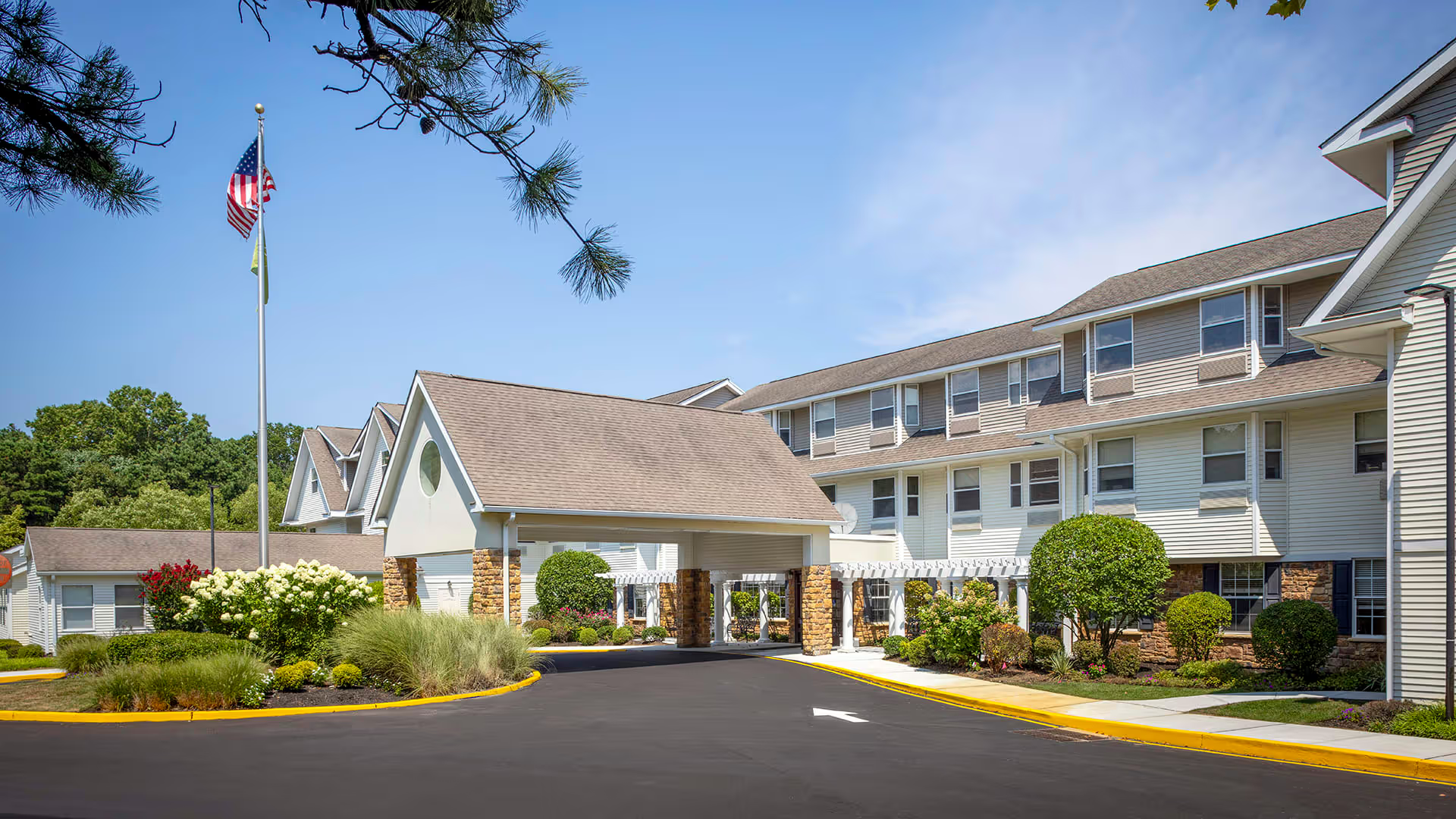
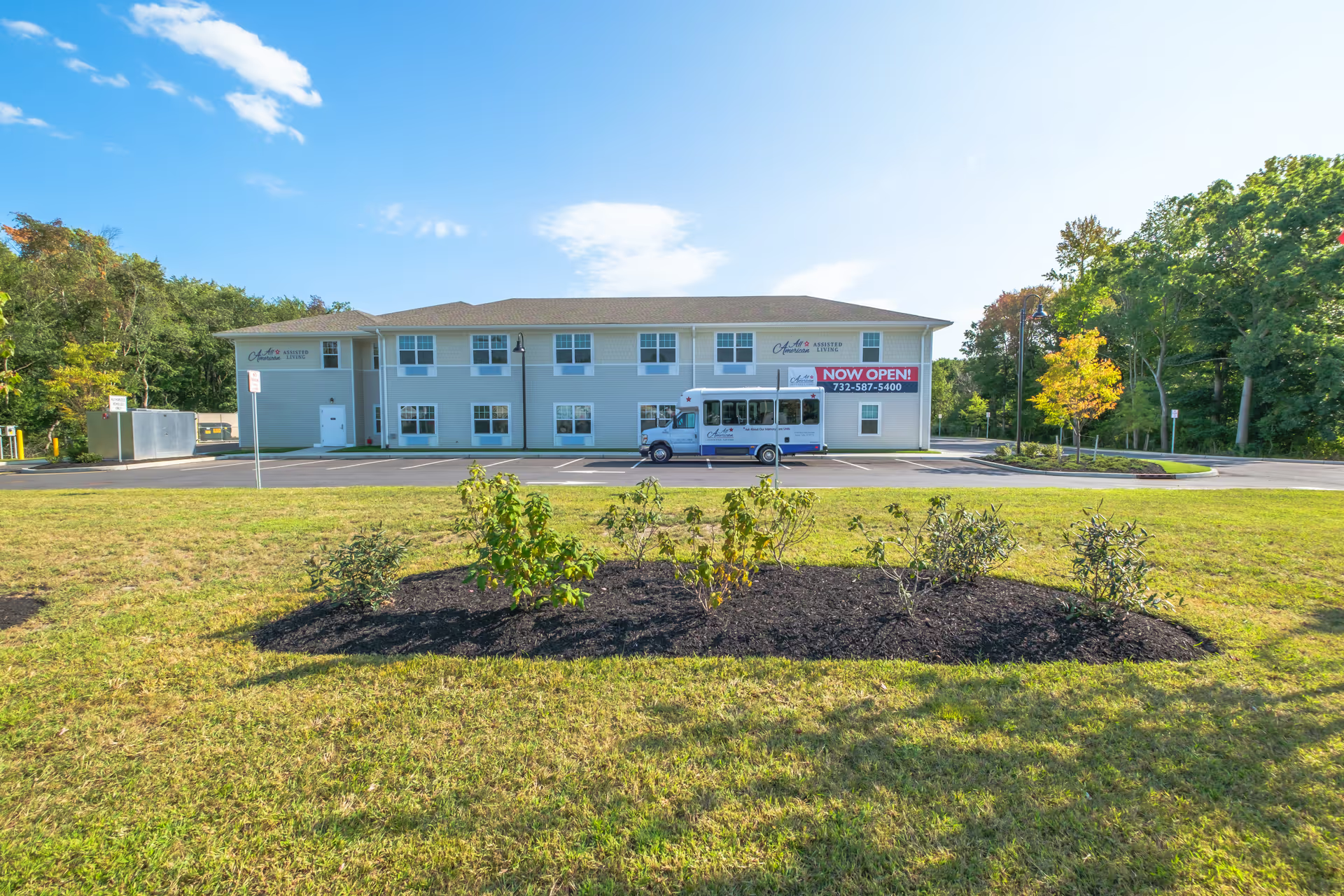
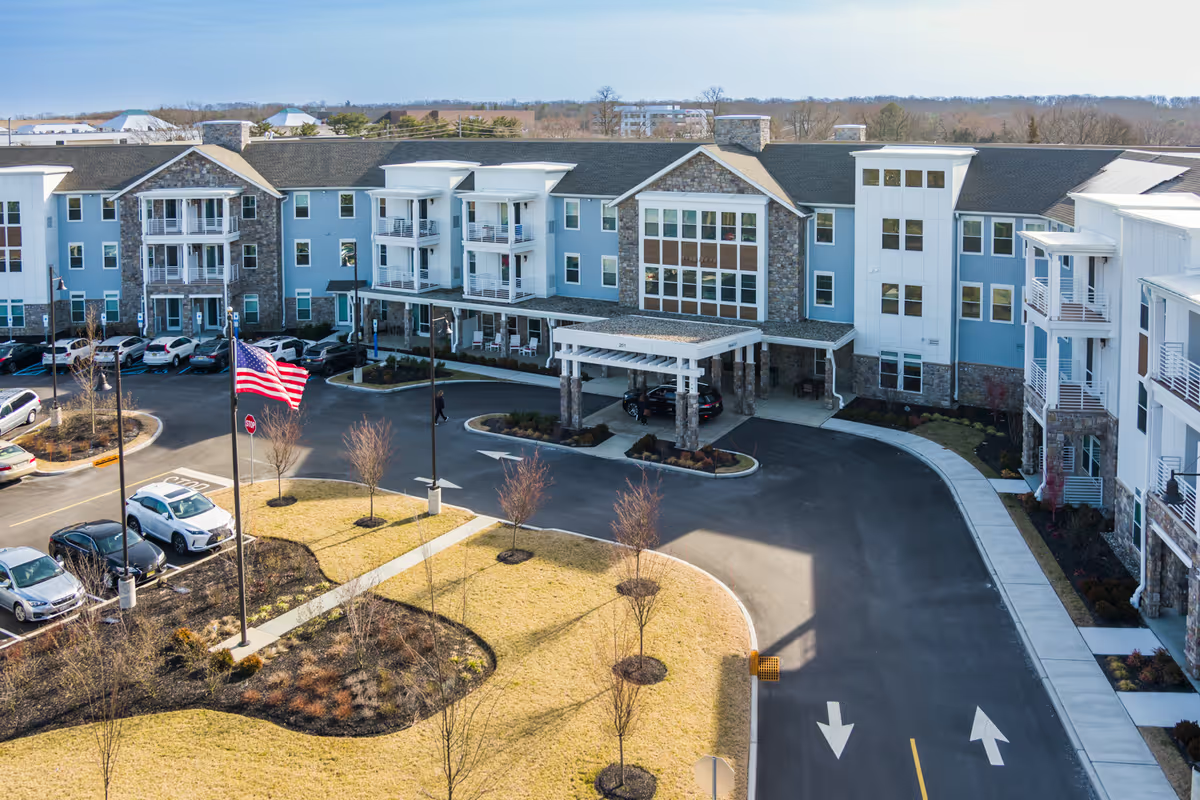
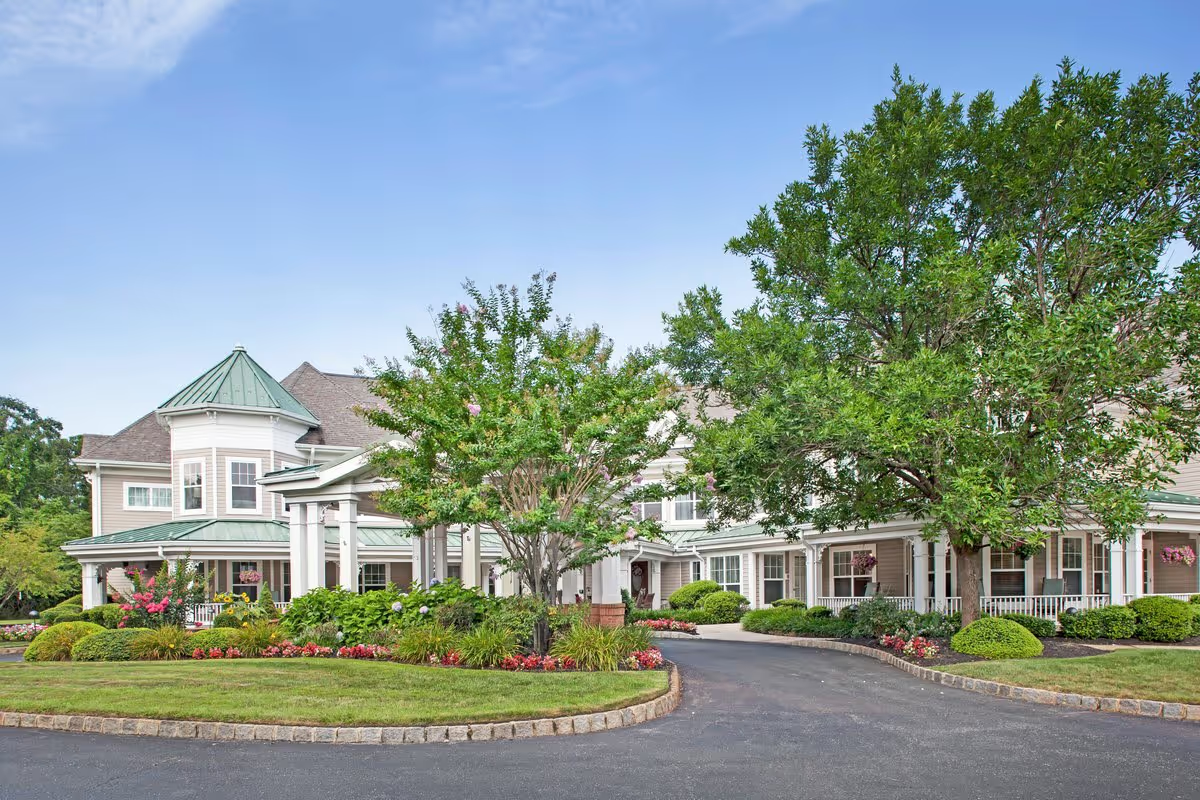
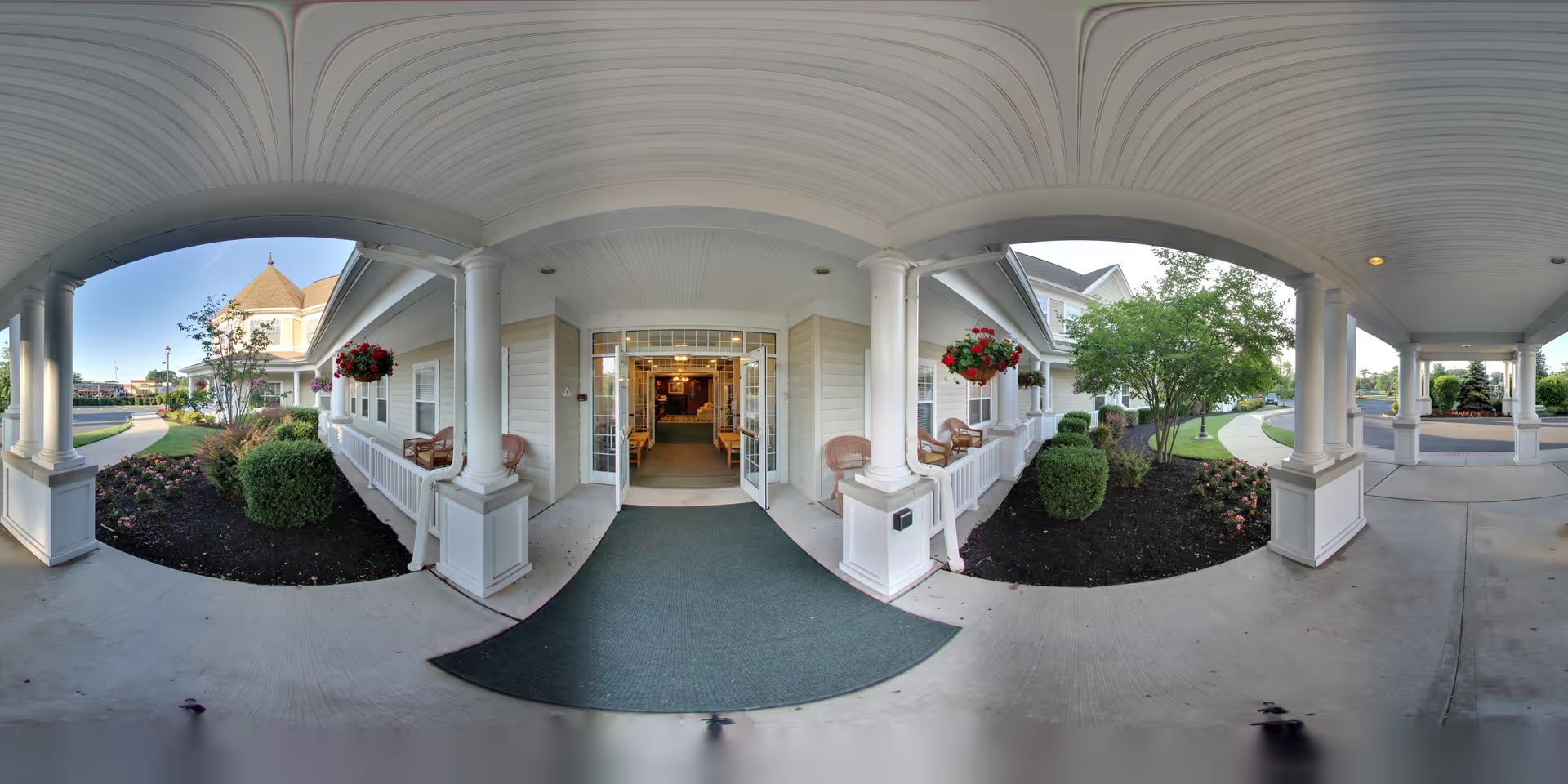
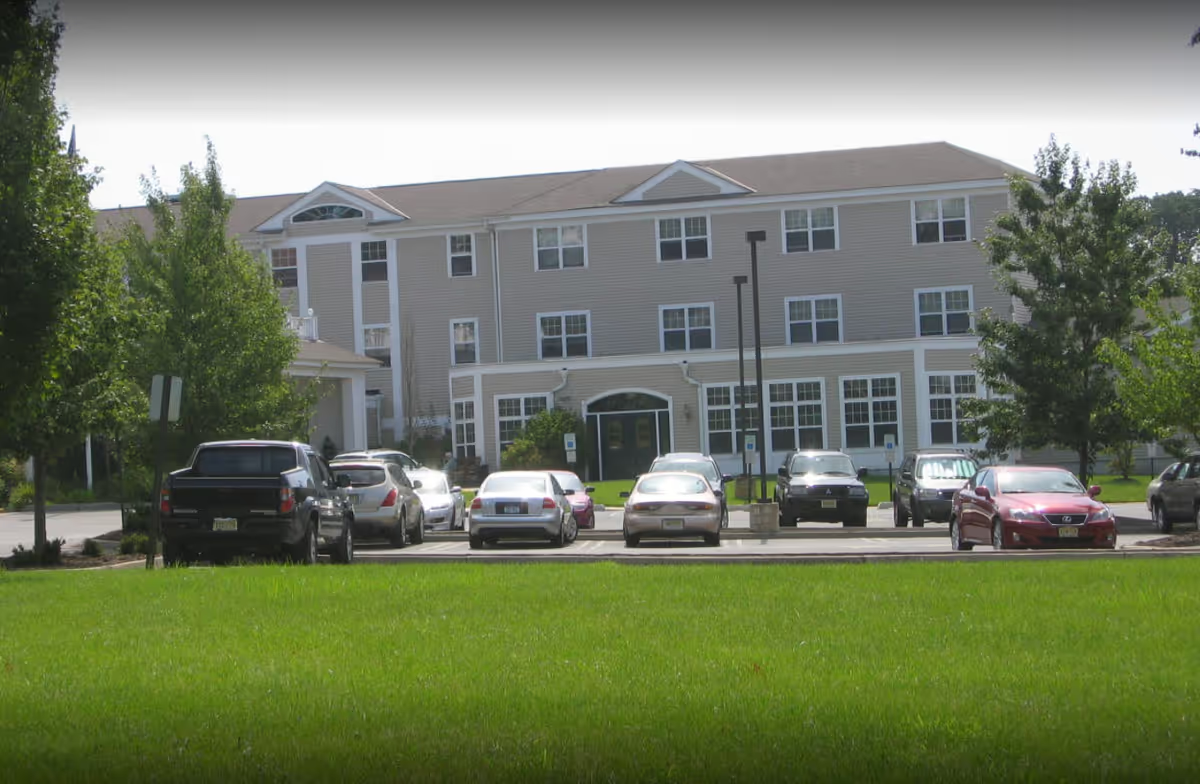
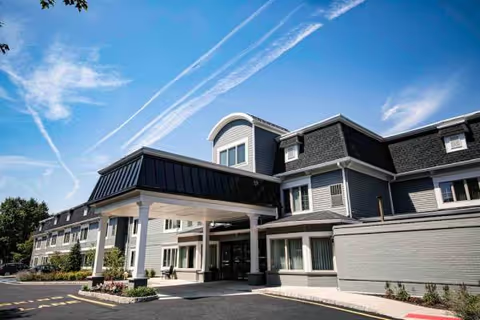
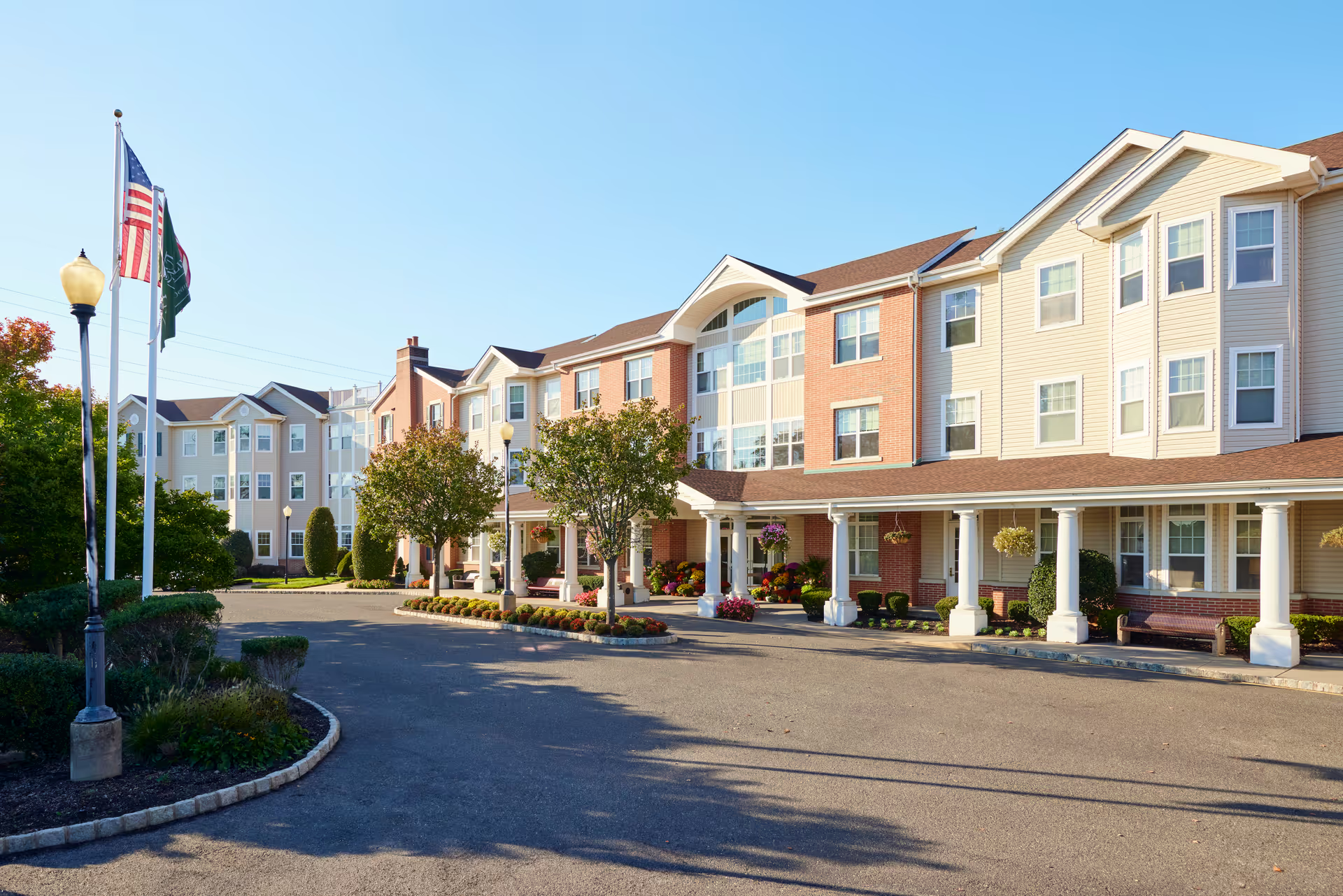
Overall impression: Imperial Healthcare Rehabilitation and Nursing Center receives a mix of strong praise and operational concerns. Many families describe the facility as providing warm, compassionate care with a family-like atmosphere and long-tenured staff who know residents well. Rehabilitative services, particularly physical therapy, are frequently identified as a major strength; several reviewers credit therapy staff with meaningful functional improvements. The facility’s recent renovations, pleasant common spaces, and generally clean appearance contribute to a favorable environment for recovery and longer stays.
Care and staffing: Clinical care is characterized by two contrasting patterns. On the positive side, numerous reviews highlight attentive nursing, dedicated aides, and supportive end-of-life care, with specific staff members and therapy clinicians singled out for excellence. Conversely, recurring operational themes include inconsistent communication between nursing/administration and families, delays in medication or antibiotic administration, and gaps in treatment coordination. Staffing shortages—especially during transfers, lifting assistance, and some night shifts—are described as affecting responsiveness. Reviewers point to variability across units, with some wings praised for consistent oversight and others noted for weaker performance.
Clinical coordination and safety processes: Several comments suggest weaknesses in care coordination and documentation that have clinical implications. Examples include missed external treatments or appointments, incomplete discharge paperwork or prescriptions, and delays in arranging or communicating follow-up care. There are also concerns about transfer and lift assistance protocols and about the tone of staff–resident interactions. A small number of more serious claims—such as alleged theft of personal items and instances where families felt clinical needs were not met—indicate areas where administrative follow-up and security procedures may need strengthening.
Dining, activities, and amenities: The facility’s dining and activity programs are frequently praised. Meals are described as enjoyable and varied, and the activity calendar (bingo, movie nights, community events, holiday celebrations) supports resident engagement. Amenities such as roomy renovated areas, comfortable common spaces, and a welcoming admissions process are consistently viewed positively and contribute to a sense of community and satisfaction for many families.
Management and responsiveness: Management and administration receive mixed feedback. Many reviews commend visible leadership, constructive family meetings, and staff who ‘‘go the extra mile.’’ At the same time, others report slow or unsatisfactory responses to clinically important concerns and to security or documentation issues. These divergent perspectives suggest uneven consistency in administrative follow-through and in unit-level supervision.
Bottom line: Prospective residents and families can expect strong rehabilitative services, compassionate staff members, and a generally clean, community-oriented facility. However, they should be mindful of reported variability in communication, staffing levels at certain times, and care-coordination processes that can affect medication timing, transfers, discharge planning, and external appointments. Asking specific questions at admission about staffing patterns, discharge procedures, medication management, security for personal belongings, and who will be the primary point of contact can help set expectations and clarify how the facility will manage those operational risks.