Overall impression: Reviewers present a broadly positive view of Complete Care at Victoria Commons, emphasizing the quality of interpersonal care and the facility’s activity offerings. Staff are consistently described as warm, helpful and attentive; nursing staff receive particular recognition for medication administration and day-to-day clinical support. Families often associate the staff with improved resident well-being, reduced anxiety, and a welcoming, family-like culture.
Care and staff: The strongest and most consistent positive theme is staff behavior and responsiveness. Caregivers, nursing personnel, and administrative staff are characterized as compassionate and engaged; reviewers cite assistance with appointments, medication management, and pandemic-era care as examples of effective staff support. Management has made visibility and facility upkeep a priority in recent accounts, and several comments describe morale improvements under current leadership.
Dining: Dining is a mixed area. Many reviewers praise the menu variety, accommodation of special diets, and an enjoyable dining-room atmosphere. At the same time, multiple operational concerns appear: fixed meal times that some families find early (for example, an early dinner), policies limiting in-room breakfasts or to-go food, and occasional long waits in the dining room. These point to a tension between a well-regarded kitchen and dining program and service practices or policies that some residents and families find restrictive or inconvenient.
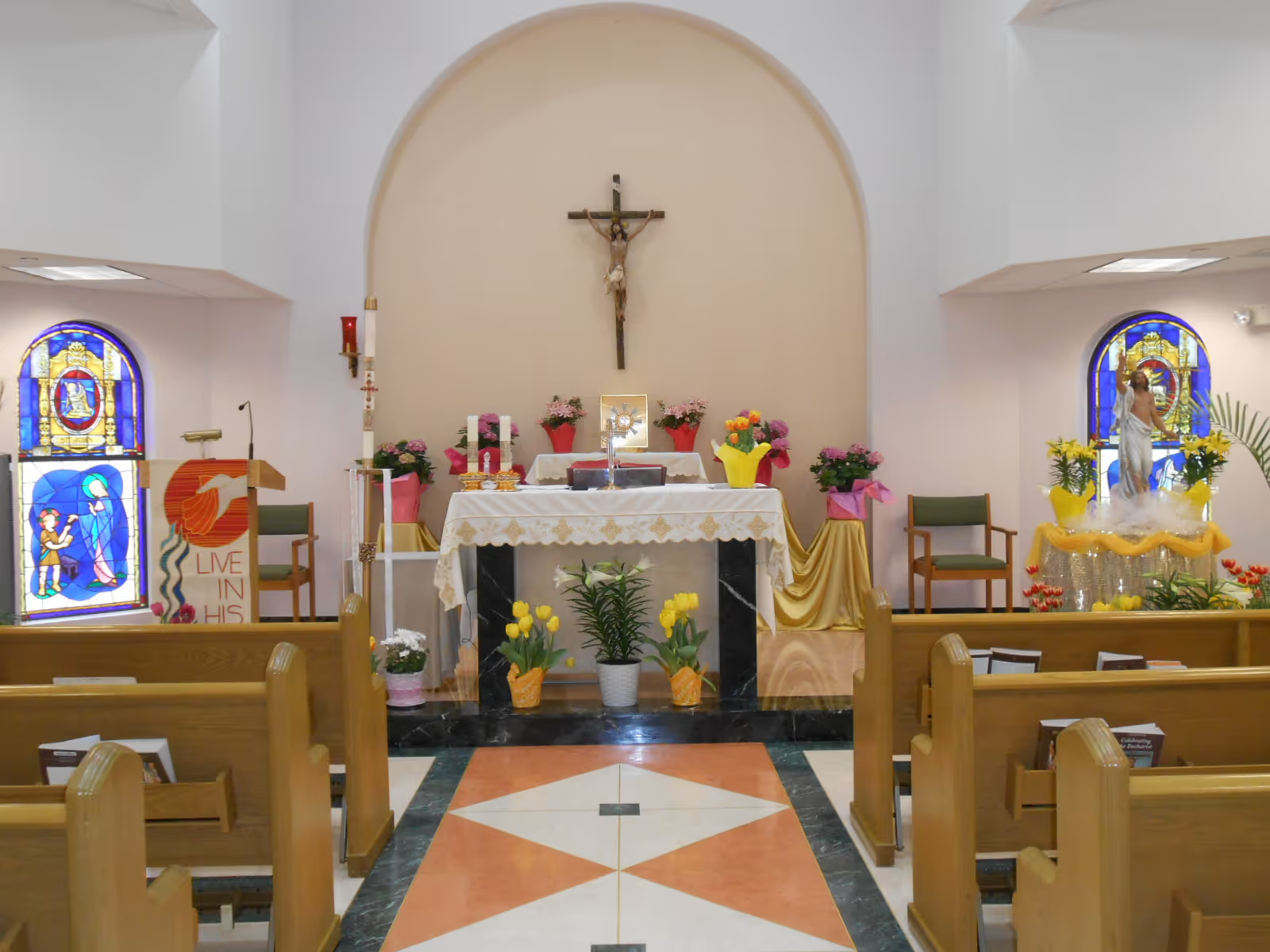
Activities and social life: Activities are a clear strength. The facility offers a wide range of programming — crafts, music, chapel services, themed events, birthday celebrations, and off-campus trips (examples include local excursions). Several comments single out the activities director and craft programming as morale boosters. For prospective residents seeking social engagement, the program appears robust and varied.
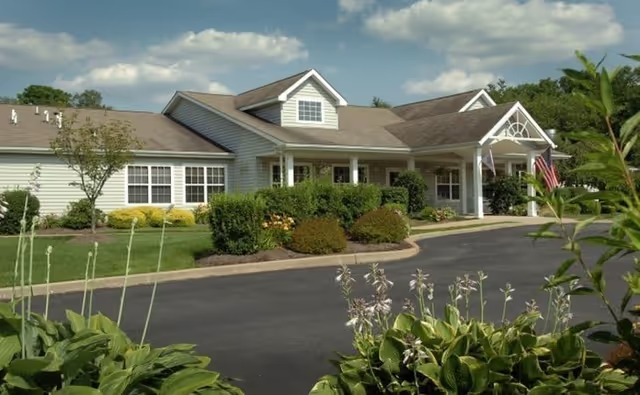
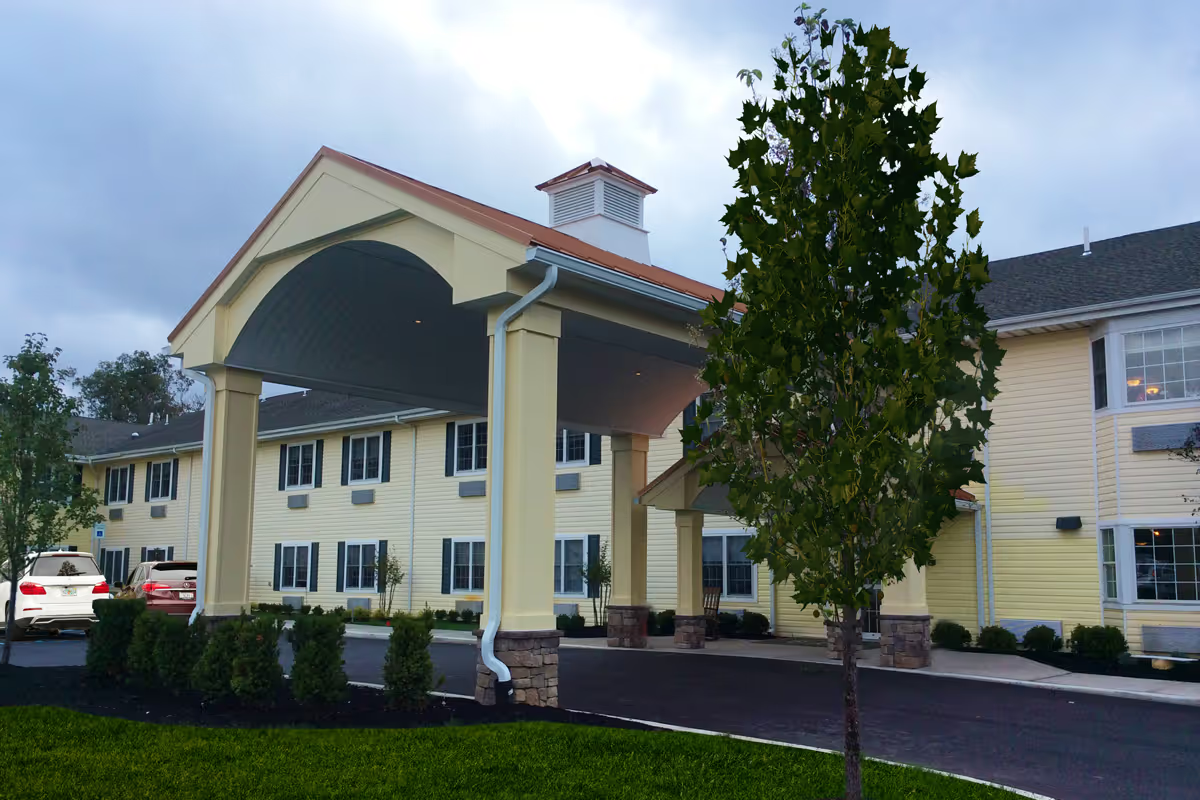
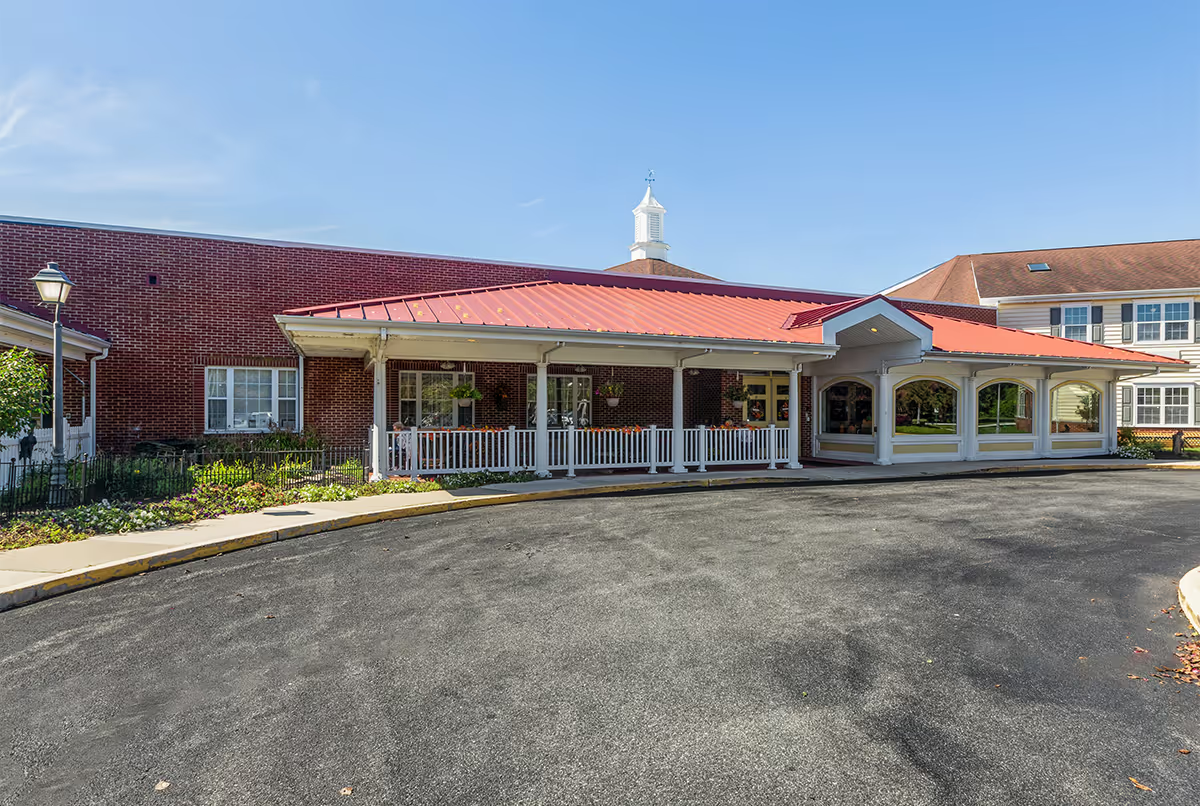
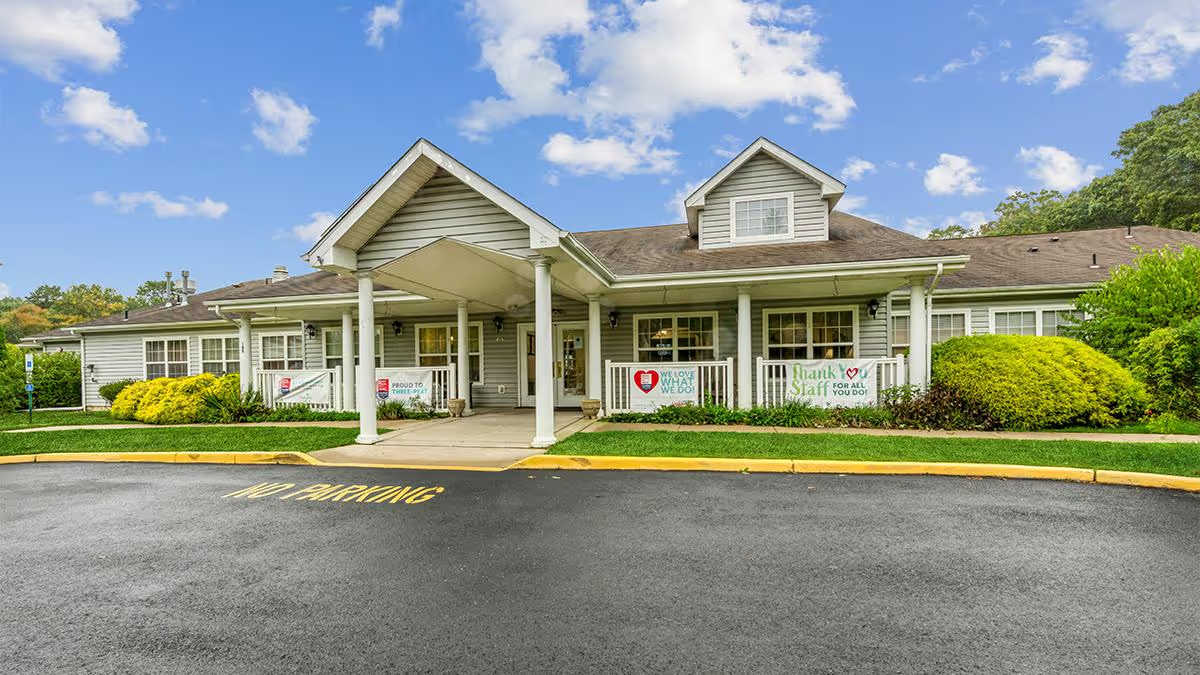
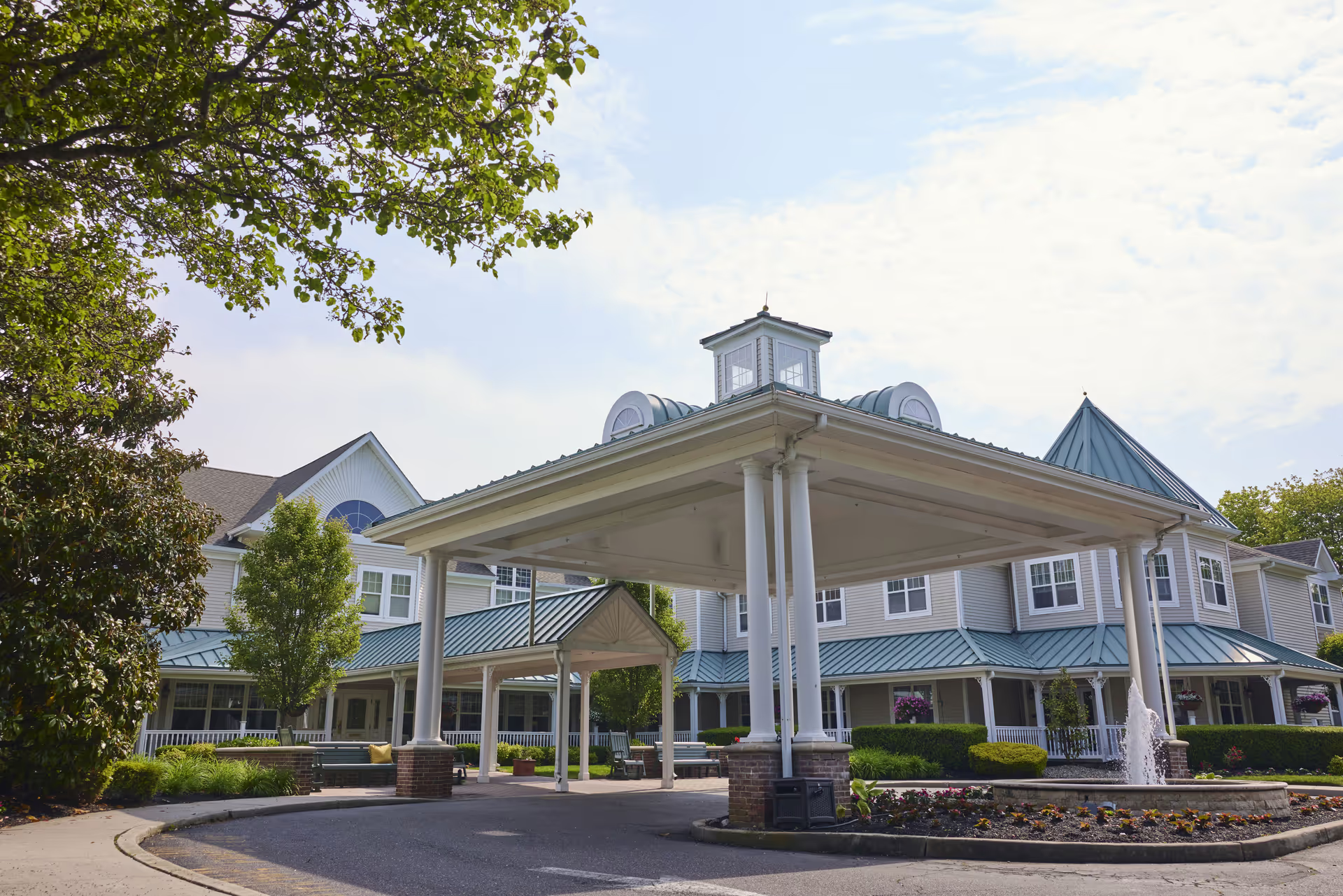
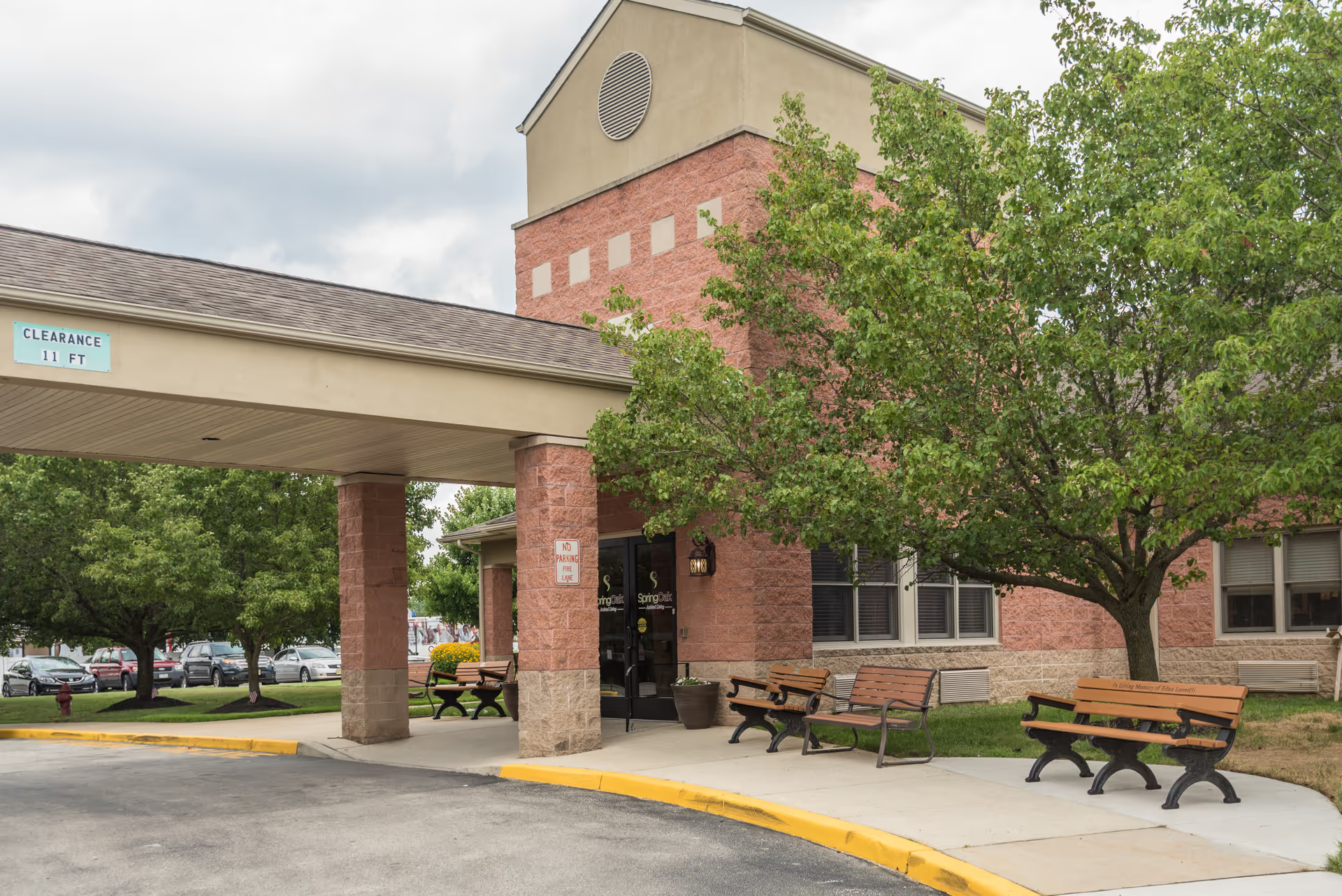
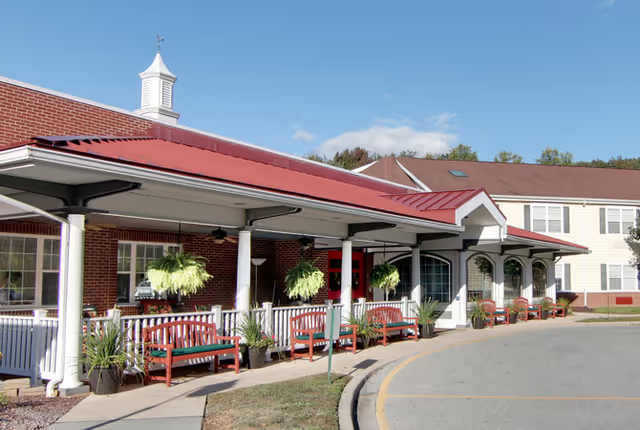
Facilities and living units: Common areas and grounds receive positive remarks: clean, attractive grounds, a gazebo, and well-kept seasonal decorations. However, there is a split perception about living units. Some residents report spacious, bright rooms, while others describe very small efficiency units and dated décor. Multiple reviewers note plans or desires for remodeling, and the lack of in-unit cooking facilities is identified as limiting for more independent residents.
Management and policies: Recent management changes are described positively in several accounts, with improvements in cleanliness and atmosphere. Nevertheless, policies around dining, transportation, and visitor accommodations have been a source of frustration for some families. Transportation reductions are specifically cited as limiting mobility for residents who rely on scheduled transit for appointments and outings. Policy shifts that reduce flexibility (for example, restrictions on in-room meals) are another recurring operational concern.
Notable patterns and takeaways: The dominant strengths are the people and programming — attentive staff, good clinical routines (medication administration), and an active activities calendar with frequent outings. The main operational weaknesses to evaluate during a visit are dining policies and service continuity, unit size/layouts and décor, and the current scope of transportation services. Prospective residents and families would benefit from asking for specifics on meal schedules and in-room dining options, apartment floor plans and dimensions, and the current transportation schedule and any planned renovation timeline before making a placement decision.