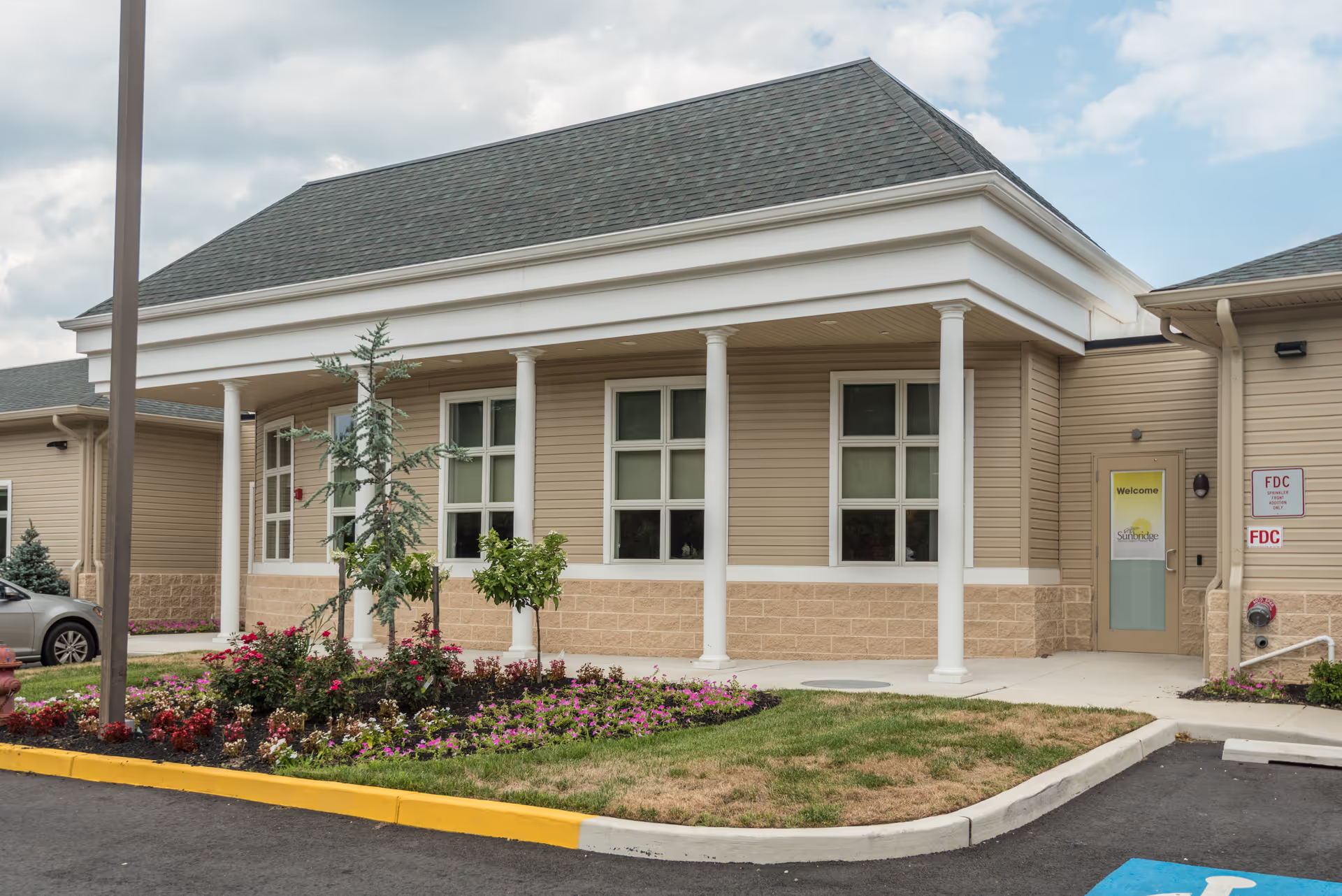
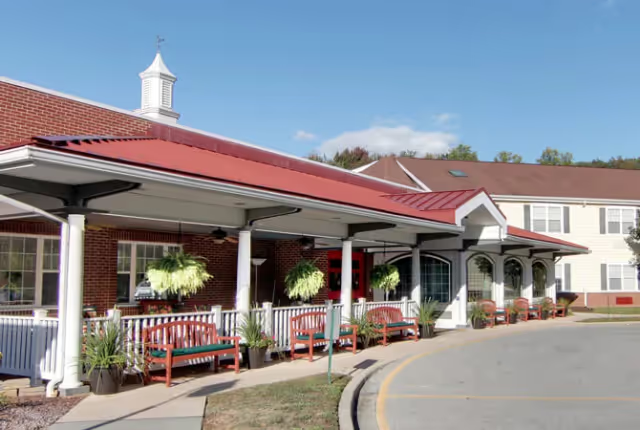
The reviews for Pelican Pointe Post Acute Nursing & Rehabilitation overall present a mixed but informative portrait. Many families and residents praised the facility for compassionate, attentive nursing and CNA care, strong physical and occupational therapy programs, and an active schedule of resident activities including live music, pet visits, and veteran events. Several comments emphasize clean, well-decorated interiors, an accommodating dietary team, and responsive social work and case-coordination support that eased transitions home or kept families informed.
Care quality is often described positively, with multiple accounts of nursing staff, therapists, and social workers helping residents regain strength and resume daily activities. That said, there is clear variability between shifts and units: reviewers noted dependable, kind nursing teams on some shifts contrasted with delays in call-light responses and periods where aides were perceived as less attentive. There are also repeated operational concerns about incontinence-care processes and other basic care follow-through that some families identified as gaps in day‑to‑day resident support.
Therapy services receive both high praise and criticism. Several reviewers credit PT/OT with measurable recovery and timely discharge planning, while others described limited or inconsistent therapy availability and unmet needs (for example, swallowing or range-of-motion work). This suggests that therapy quality and scheduling may be uneven and worth clarifying during admissions or family meetings.
Dining and nutrition are another area of divergence. Many remarks call out excellent, accommodating kitchen staff and enjoyable meals, yet an equal number describe bland, overly processed offerings and inconsistent meal temperature or presentation. Meal-service continuity and quality control appear variable, which can affect resident satisfaction and nutritional outcomes.
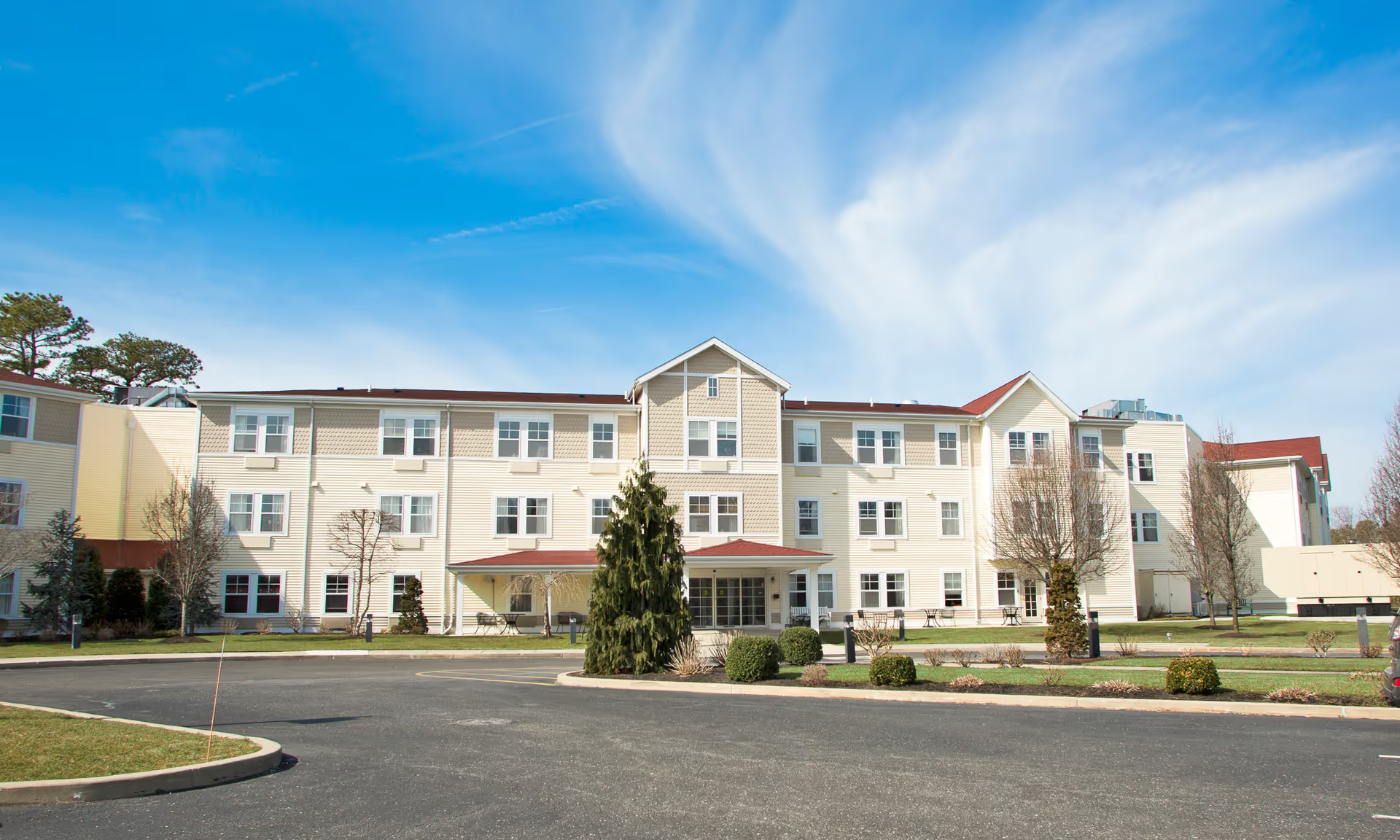
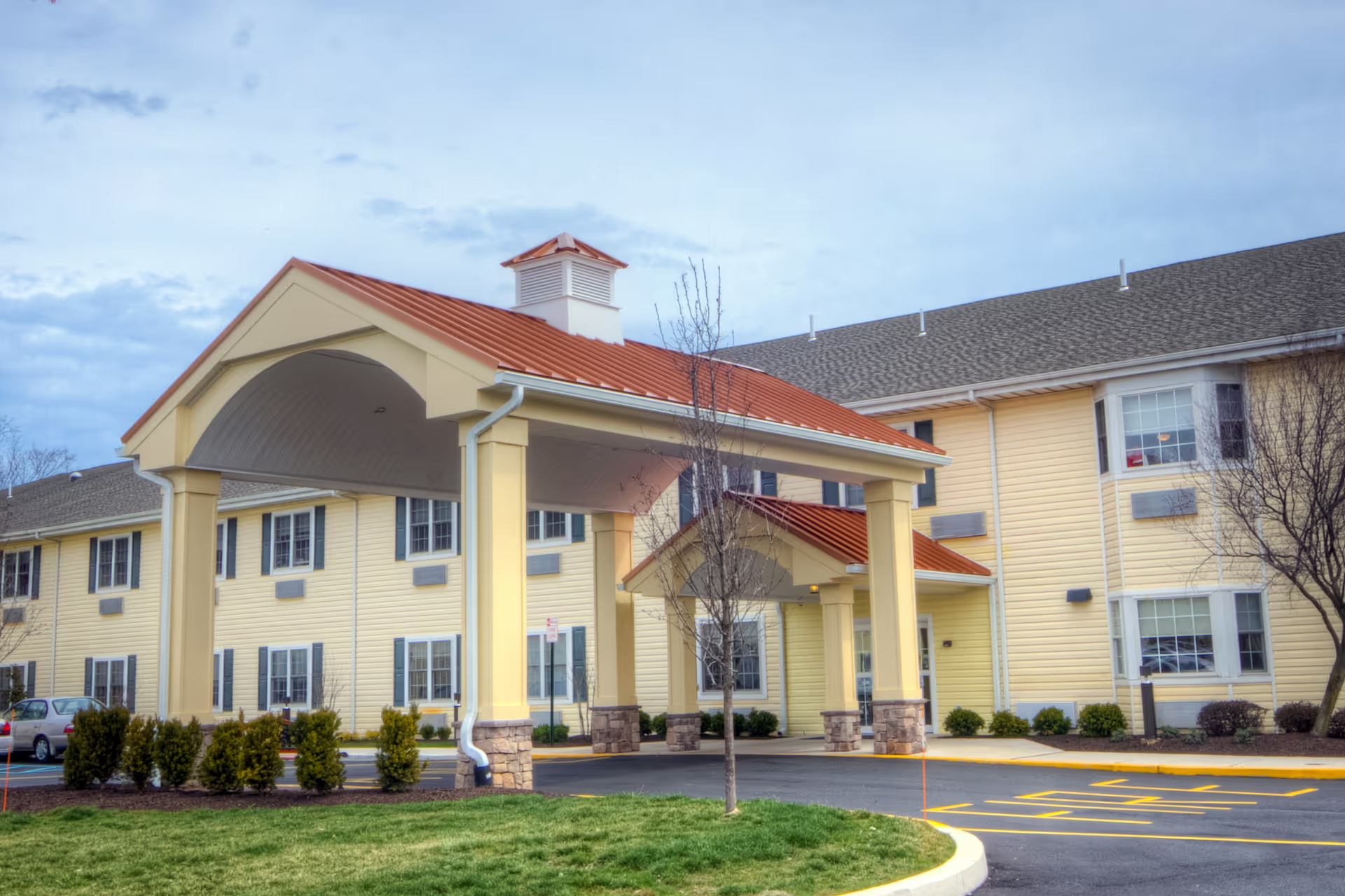
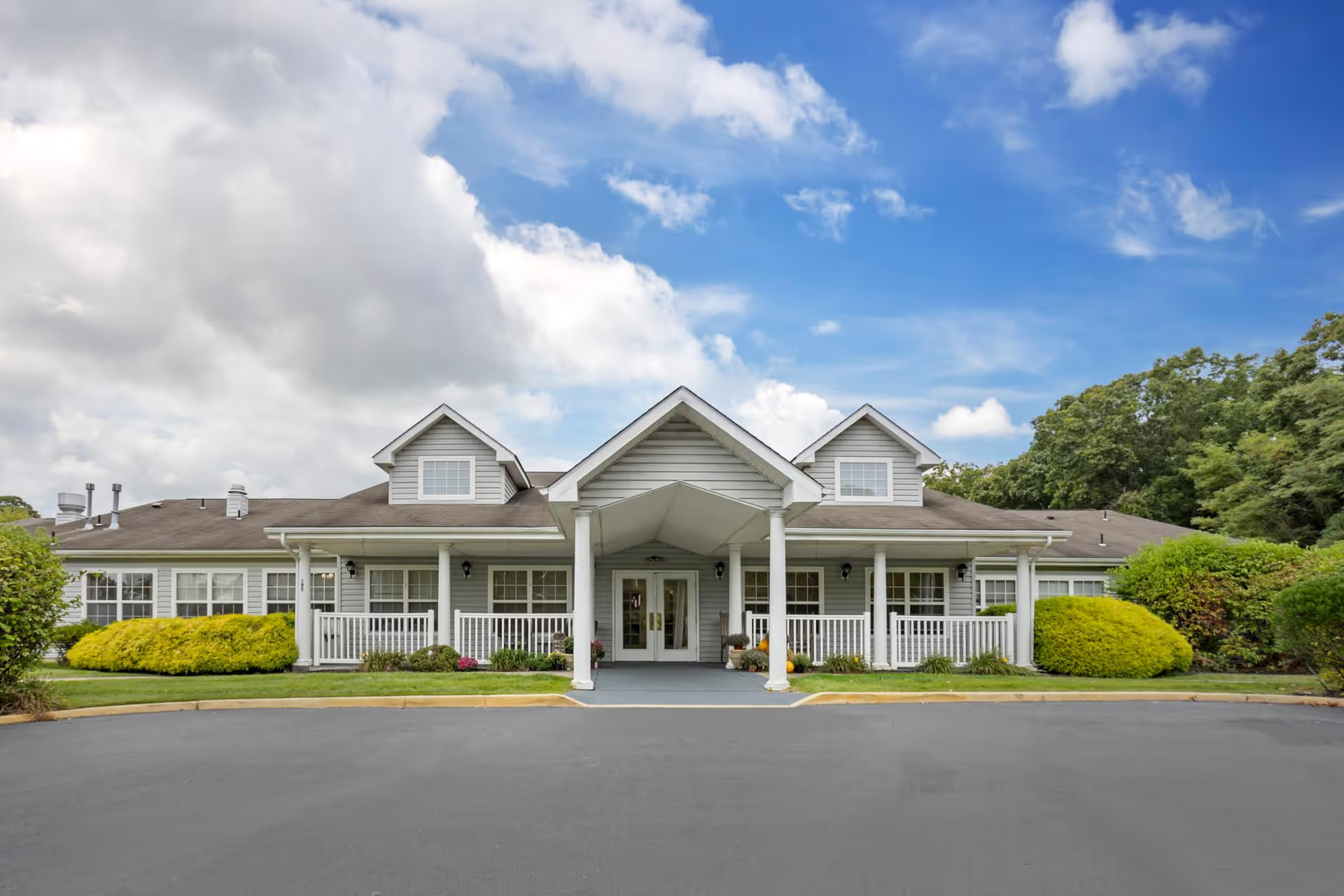
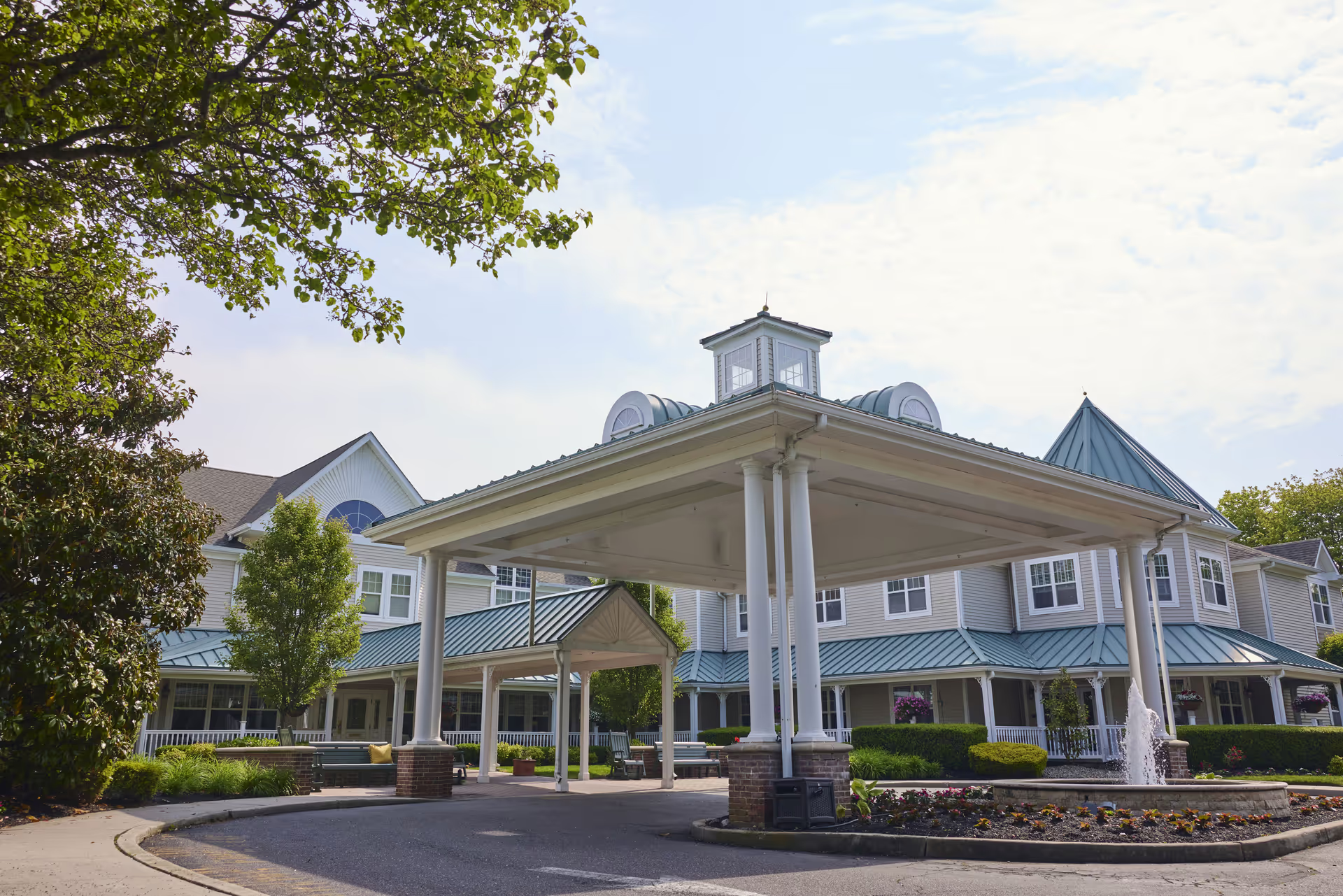
Facility and environment comments are similarly mixed. Numerous reviews praise a calm, clean, and well-maintained atmosphere with pleasant outdoor spaces, while other accounts describe odor concerns, sanitation issues in particular units or dining areas, and isolated pest-control problems. There are also several mentions of safety and environmental lapses (for example, unsecured doors or staff smoking in proximity to care areas) that families should evaluate during a tour.
Administrative leadership and communication receive both commendation and criticism. Several reviews singled out individual leaders and social-work staff for supportive, transparent coordination; conversely, some families reported inconsistent professionalism, abrupt communication, and, in a few serious instances, allegations involving financial exploitation and resident isolation. Those serious allegations are relatively isolated in the dataset but significant; prospective families should inquire about grievance procedures, oversight, and any regulatory history.
In summary, Pelican Pointe appears to provide strong clinical and rehabilitative care in many cases, supported by compassionate staff, active programming, and generally well-kept common areas. However, persistent themes—variable staffing, inconsistent therapy and dining experiences, sanitation and incontinence-care concerns, and occasional administrative or conduct issues—warrant close attention. Prospective residents and families should tour the facility, ask specific questions about staffing ratios and therapy schedules, review incident and complaint resolution processes, and request current information on infection-control, pest-control, and safety practices to assess whether the facility’s strengths align with the resident’s needs.