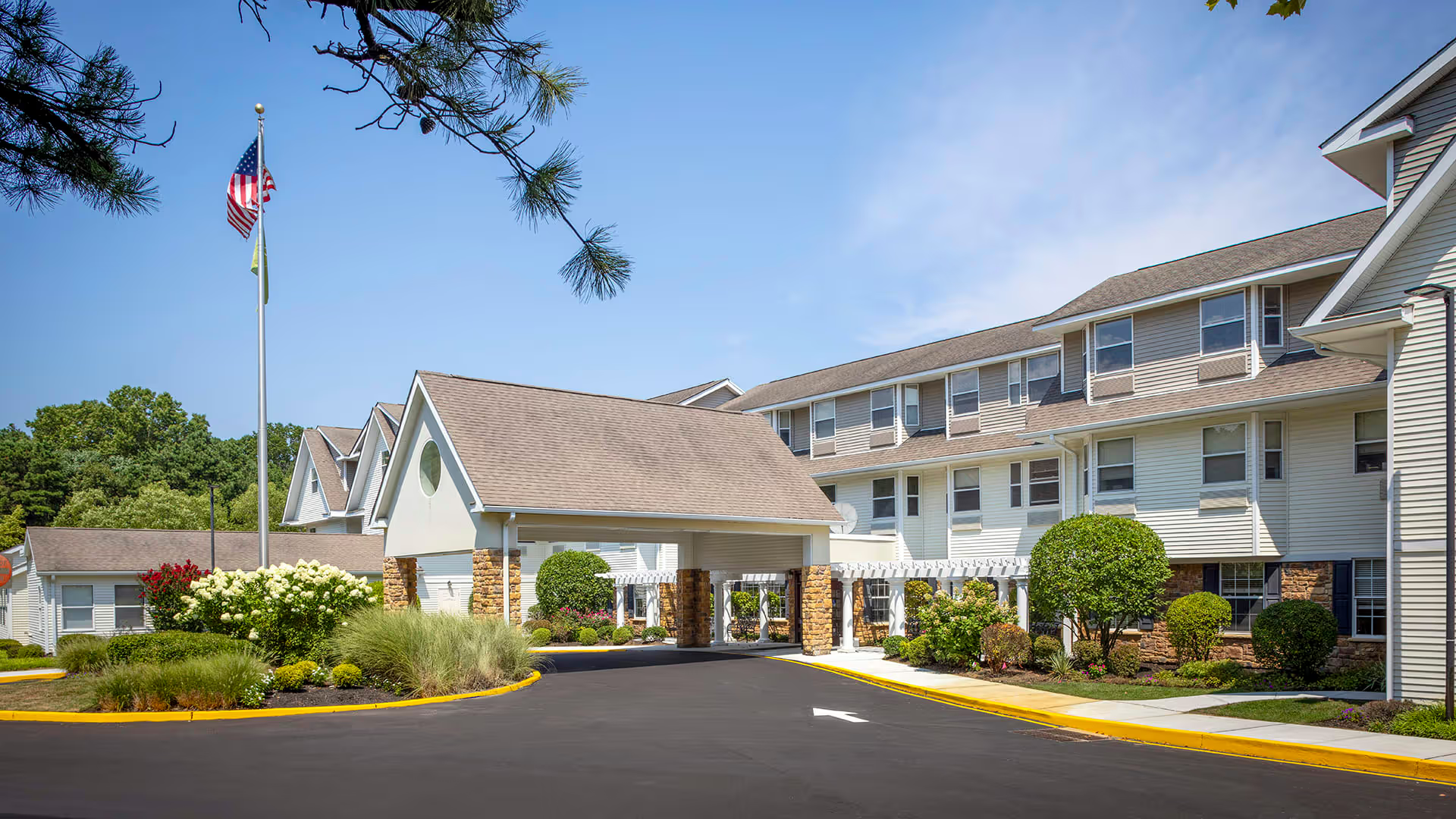
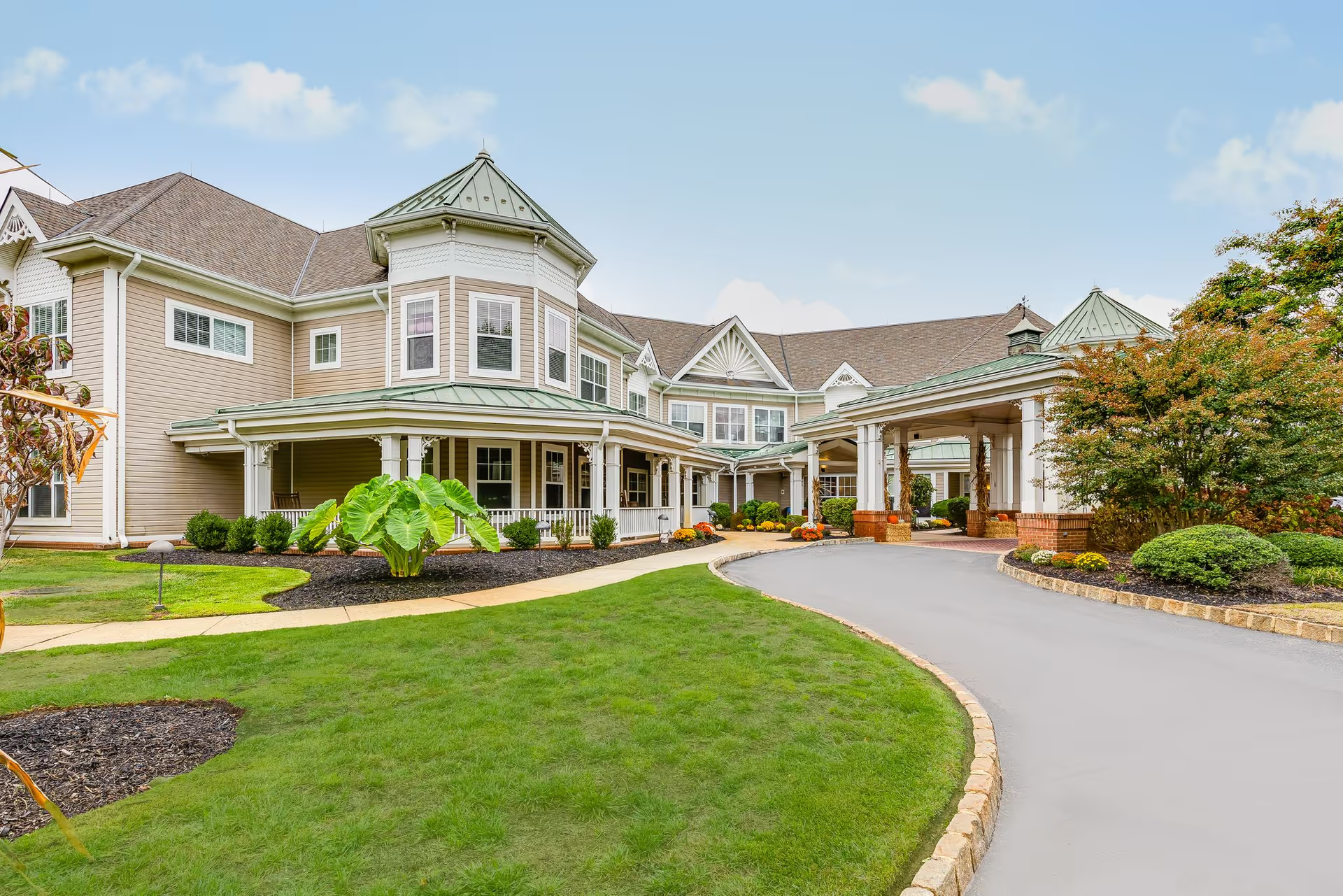
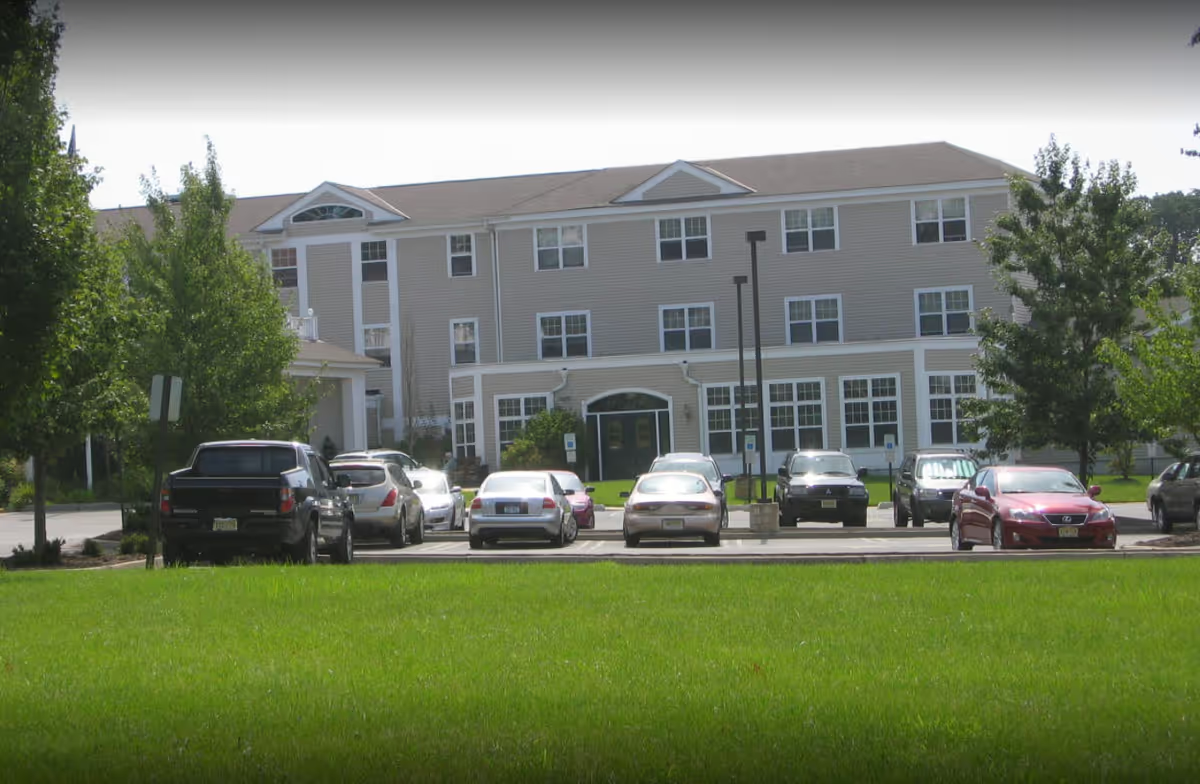
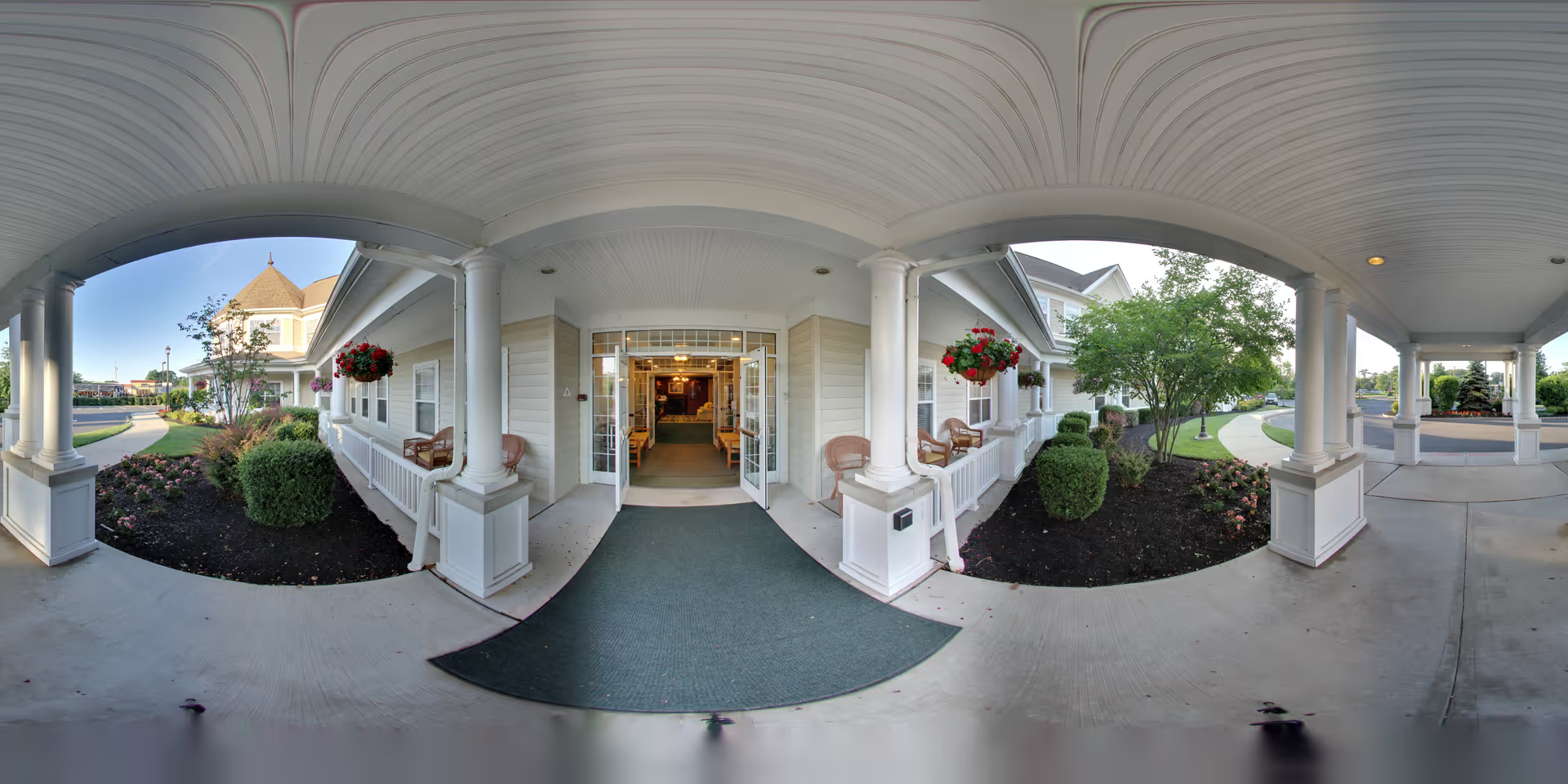
The review corpus shows a clear contrast between front-line strengths and systemic operational weaknesses. Many comments praise direct-care staff, activity coordinators, and admissions personnel as compassionate, patient, and personable; residents and families frequently highlight the community atmosphere, social activities, and the facility’s scenic waterfront location. Renovated interior spaces, housekeeping of shared areas, on-site therapy resources, and accessible transportation for shopping and outings are repeatedly identified as positive attributes that support resident wellbeing and social engagement.
At the same time, a consistent set of operational concerns emerges. Staffing levels and turnover are recurring themes: reviewers cite shortages, uneven coverage (including weekend medication shortages), and frequent personnel changes. These staffing issues appear linked to gaps in clinical oversight and medication administration, delayed responses to calls for assistance, and concerns about fall prevention and emergency response. Memory-care programming and staffing are described as particularly inconsistent; families reported limited structured engagement and insufficient dedicated staffing in that unit.
Dining and daily living experiences are described as mixed. Several residents and families praise dining services and specific food options, while others note inconsistent food quality, repetitive menus, and lapses in meal-service continuity (including missed or delayed meals and inconsistent beverage service). Cleanliness and sanitation are similarly polarized: some reviewers commend recently updated common areas and housekeeping staff, whereas others report sanitation concerns and variable cleanliness in certain common spaces and resident units.
Facility maintenance and reliability are another pattern of concern. Although the building’s location, renovated interiors, and outdoor spaces receive positive attention, reviewers also document recurring maintenance issues—malfunctioning elevators, automatic doors, transportation vehicles out of service, and delayed or incomplete repairs—that affect daily life and safety perceptions. Physical space constraints are noted in some units (notably small memory-care rooms) and there are comments about interior finishes and lighting that may impact resident comfort.
Management and administrative practices are a third area of mixed feedback. Several families praised individual managers and admissions staff for hands-on help and clear guidance, yet others describe leadership instability, frequent management turnover, poor responsiveness from administration and accounting, and billing or refund problems. More serious allegations in the reviews include vendor nonpayment and financial-administration disputes; these are significant and appear alongside reports of delayed refunds and billing confusion. Communication breakdowns between families and leadership are frequently cited as a source of frustration.
Overall pattern: many reviewers experience strong interpersonal care from direct staff and appreciate the location, social programming, and some upgraded facilities. Concurrently, operational reliability — staffing consistency, clinical oversight, maintenance response times, food-service regularity, memory-care staffing and programming, and administrative/financial stability — shows variability that materially affects some residents’ outcomes. Prospective residents and families should weigh the strong community and frontline caregiving against these operational concerns. When touring or evaluating placement, consider asking targeted questions about current staffing levels (including memory-care staffing ratios and weekend coverage), recent leadership changes, emergency response protocols and fall-prevention measures, medication-administration procedures, sanitation schedules, meal-service continuity, vehicle maintenance plans for scheduled transport, and billing/refund policies to assess whether recent corrective actions have addressed the issues noted in these reviews.