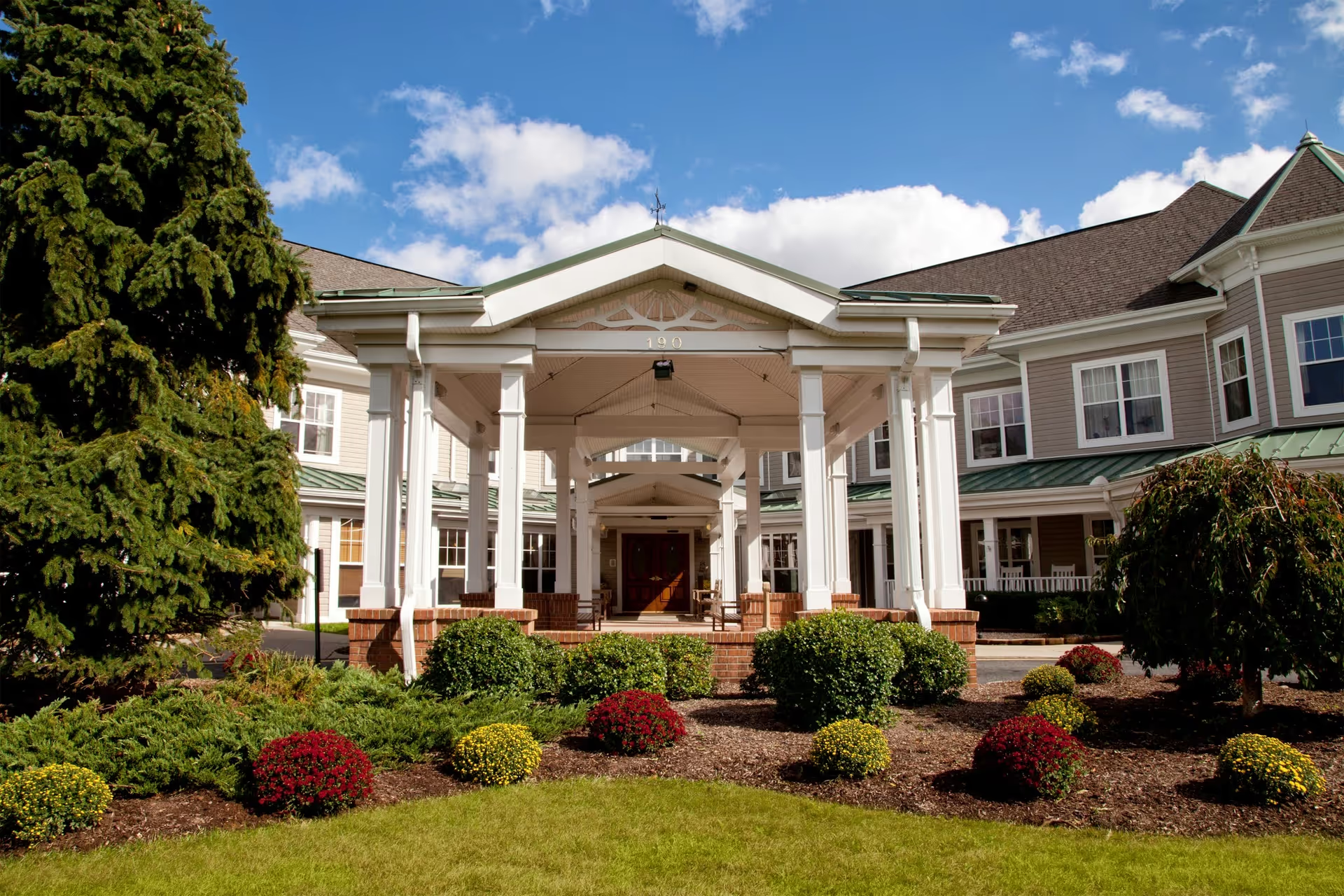
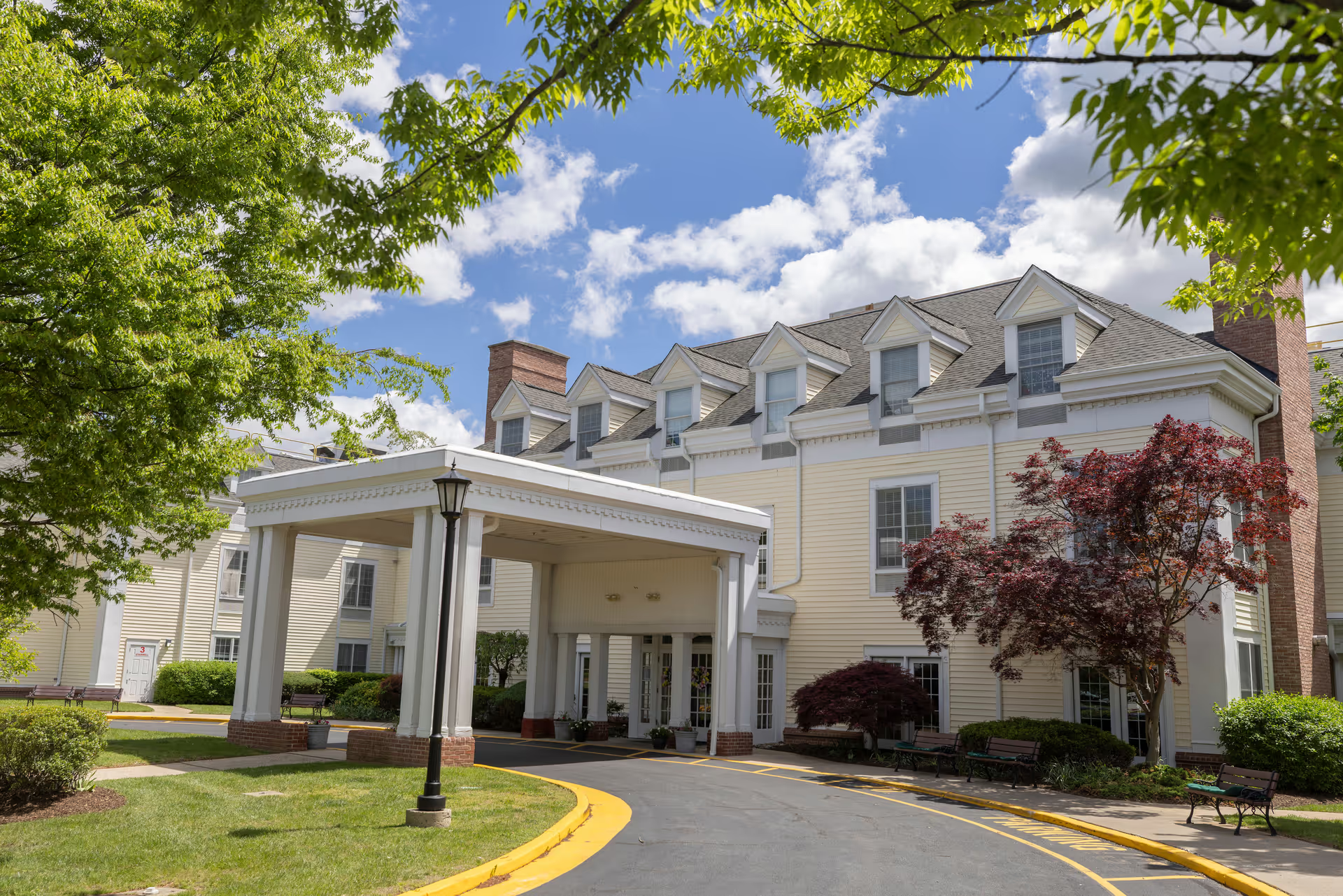
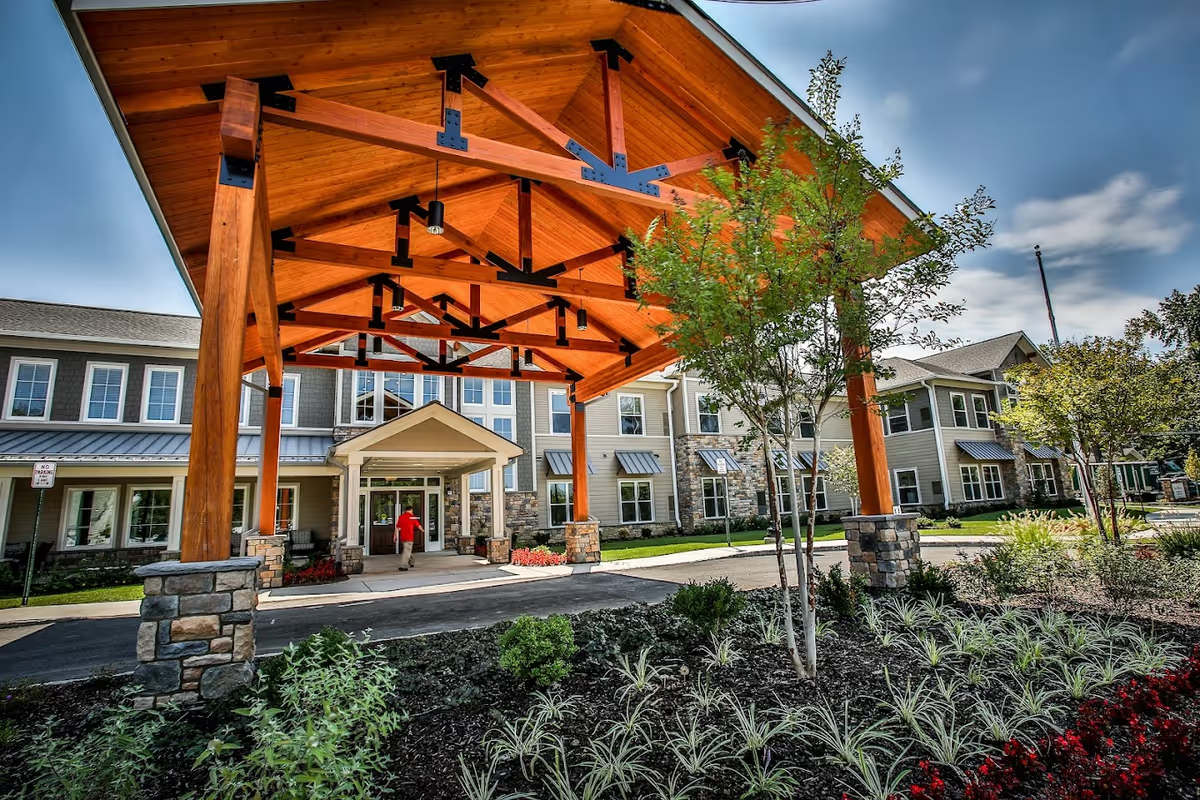
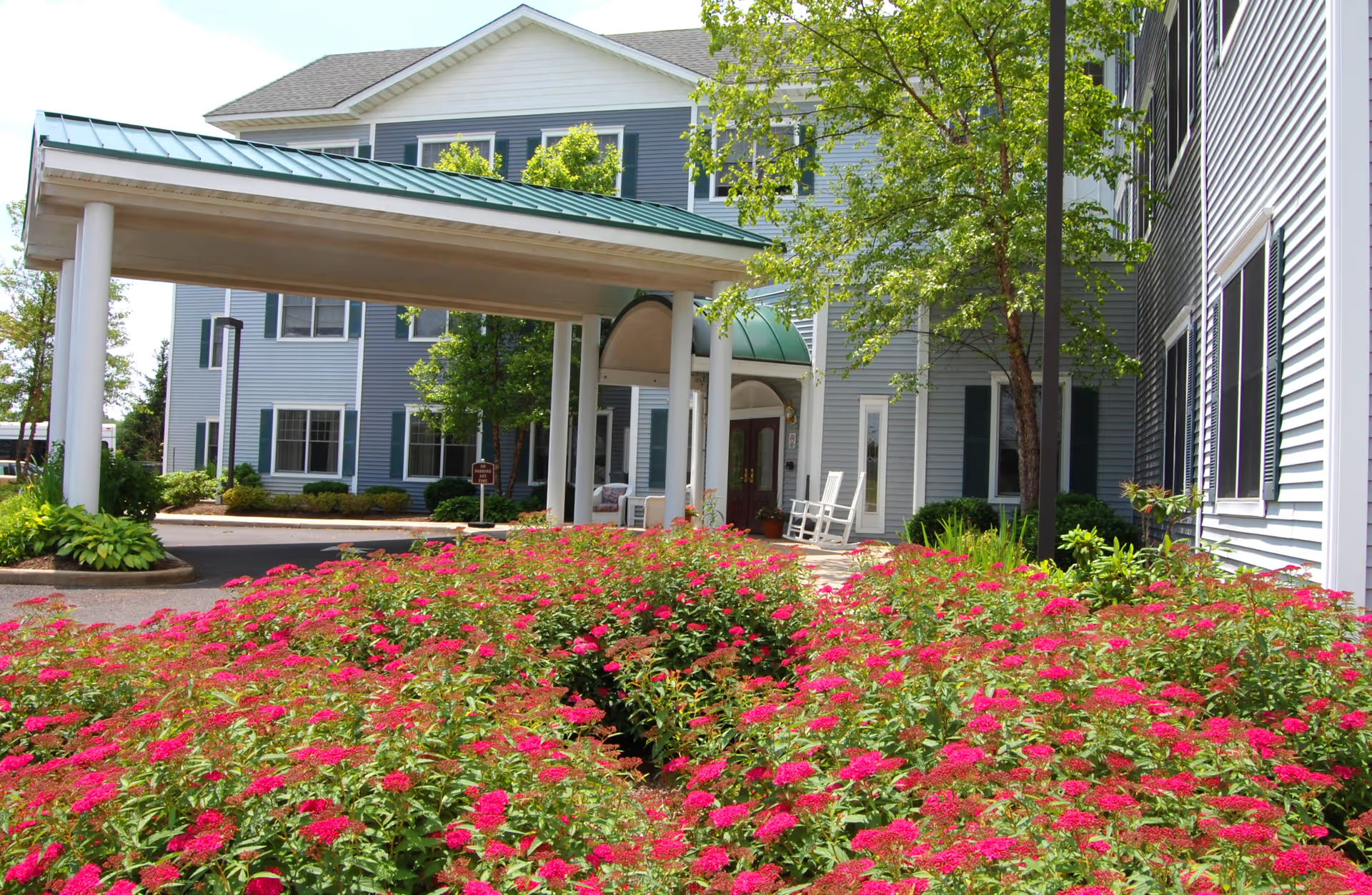
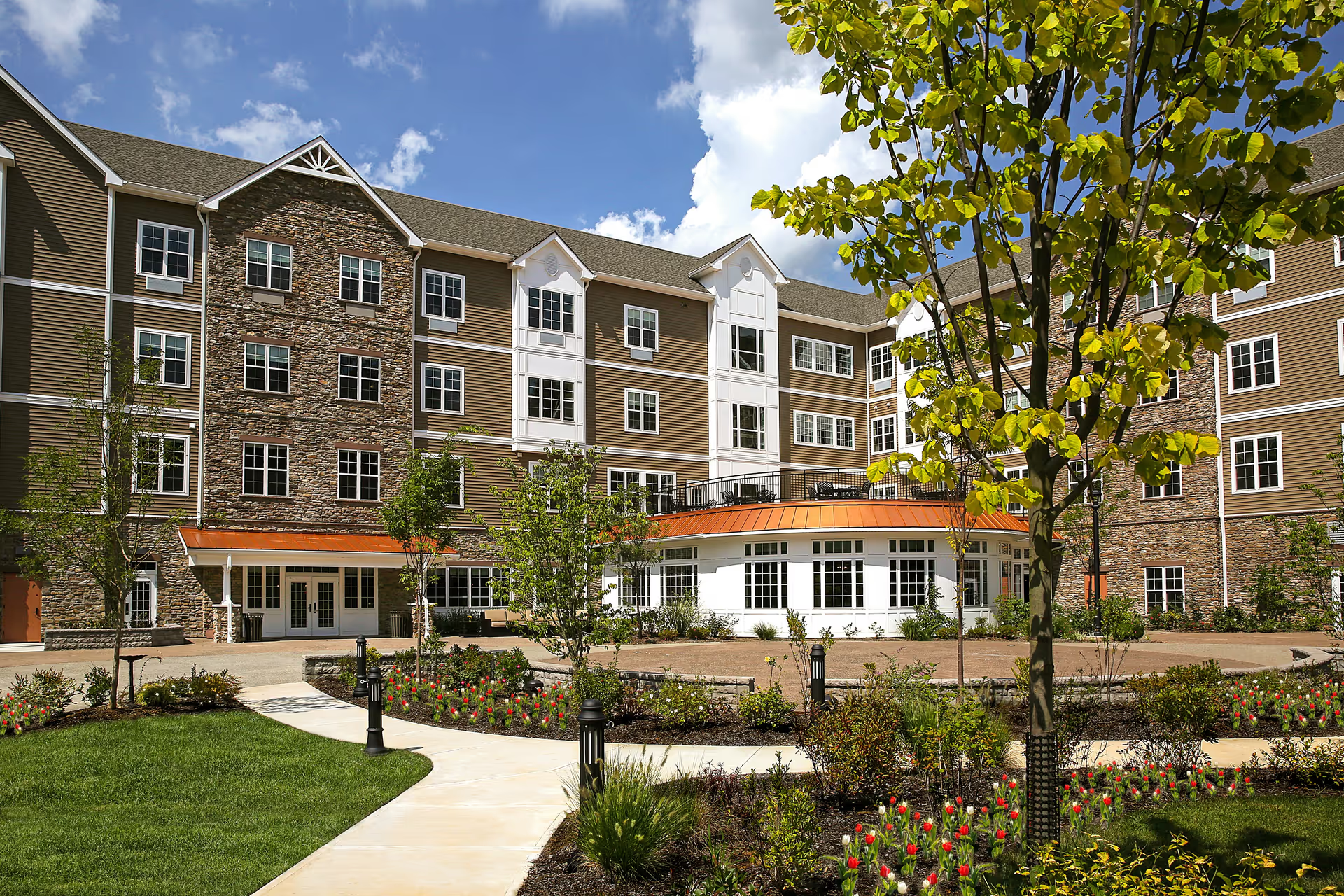
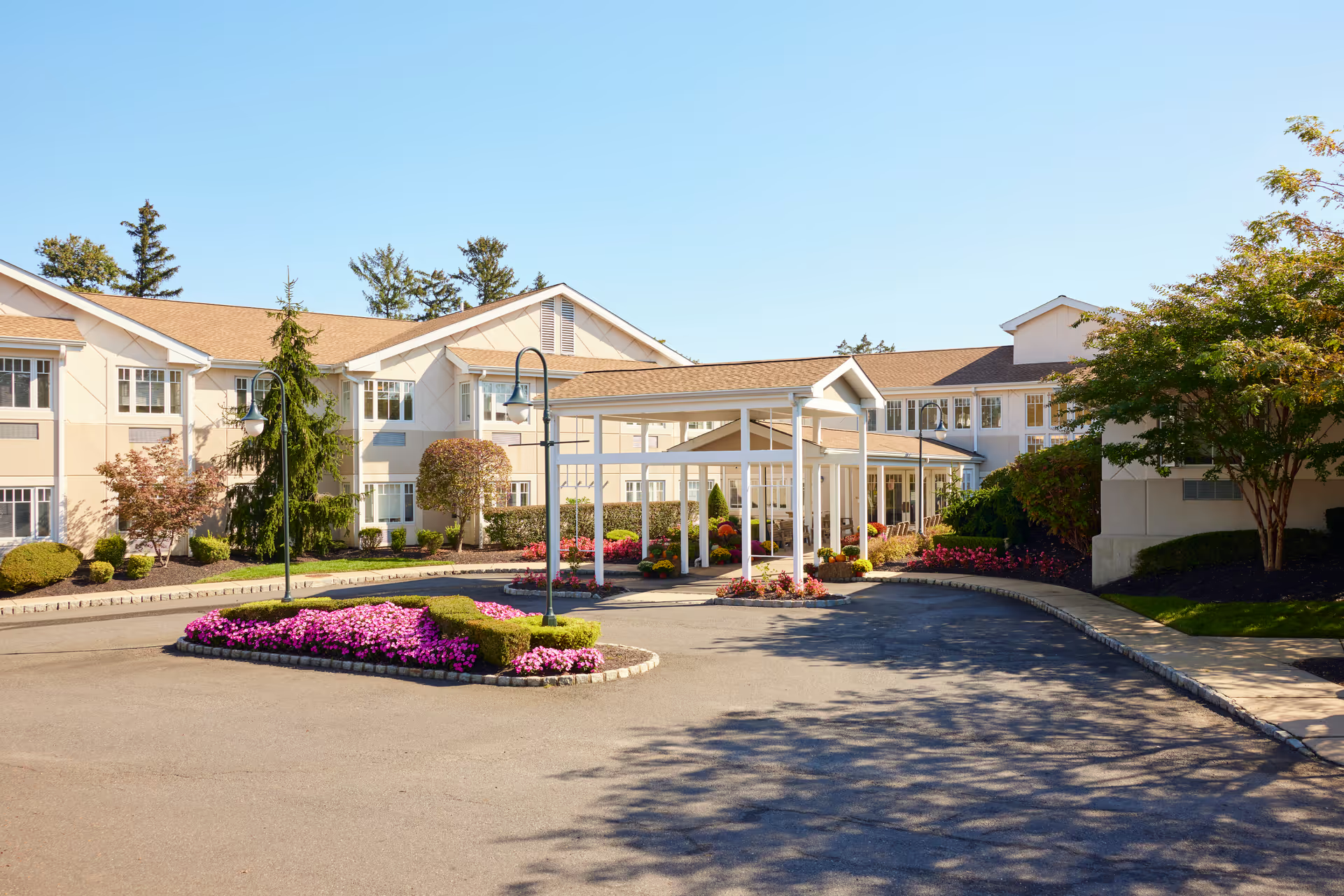
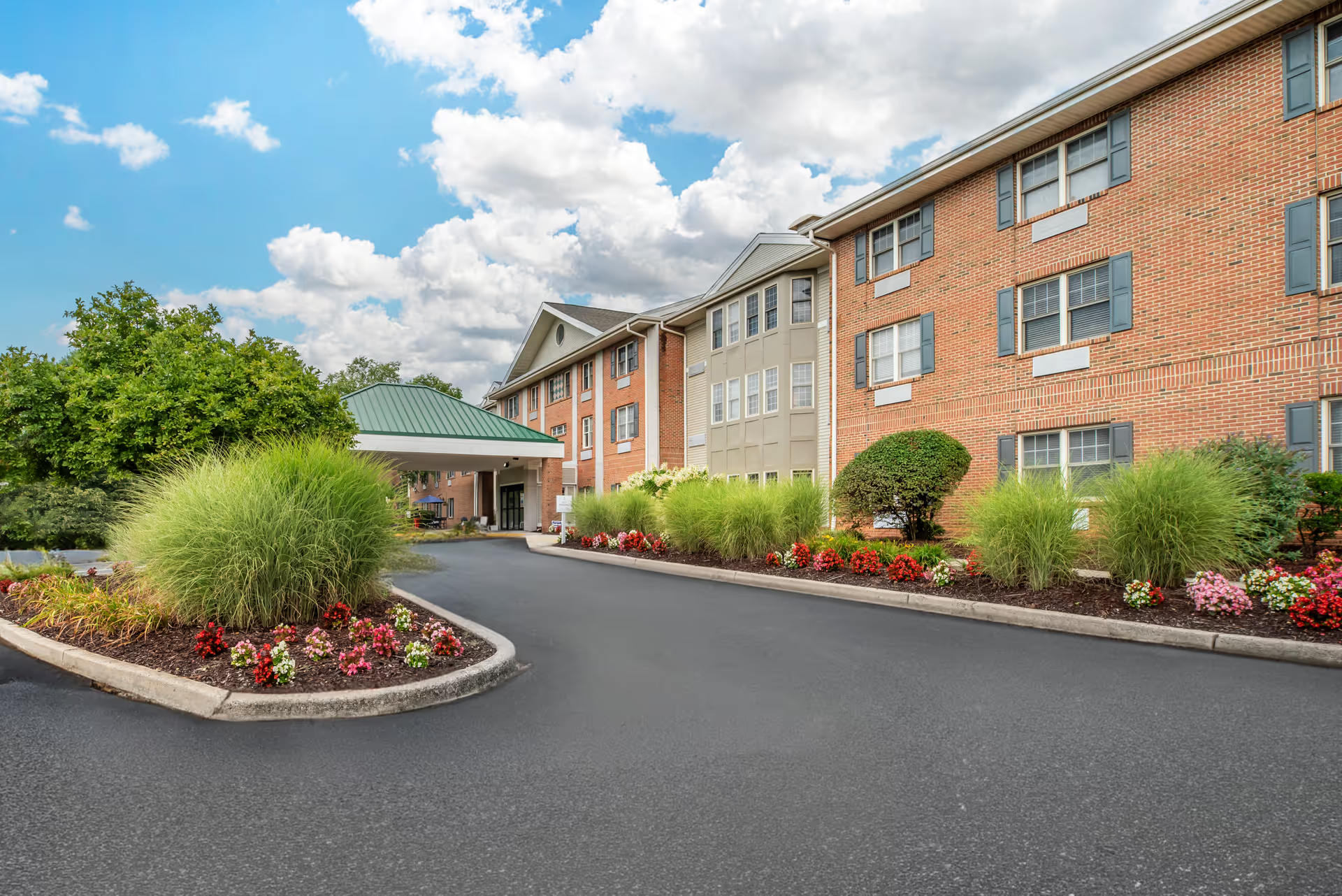
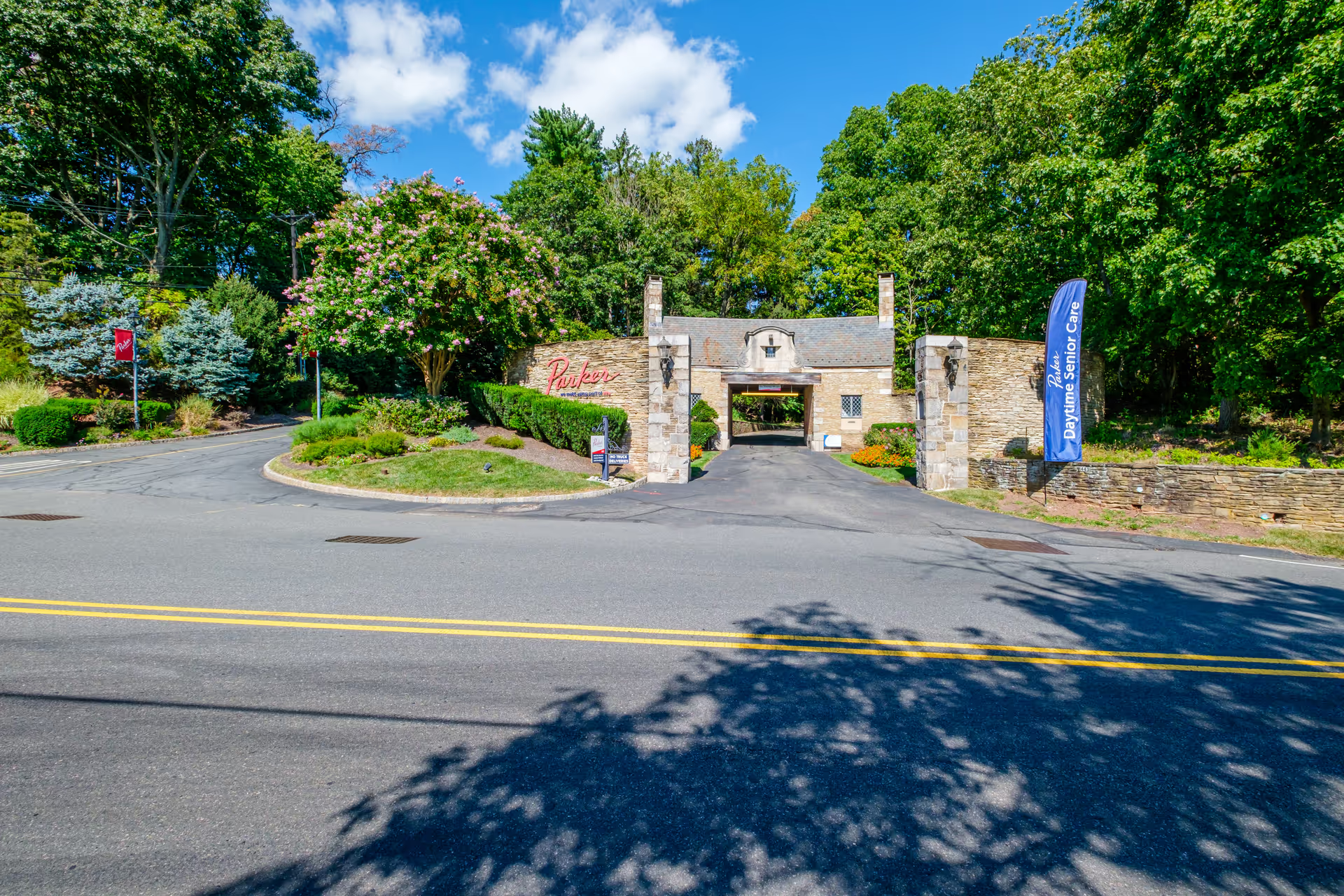
Reviews of Autumn Lake Healthcare at Old Bridge present a strongly mixed picture with clear areas of excellence counterbalanced by recurring operational concerns. Many families and residents praise the facility for compassionate caregiving, strong rehabilitation outcomes, and an active recreation program. At its best the facility is described as welcoming and family-like: staff are often identified by name, hospitality and admissions personnel assist with transitions, and recreational offerings — from art classes to live performances and pet-friendly visitation — contribute to social engagement and mental stimulation.
Clinical strengths cited across reviews include robust physical and occupational therapy, capable nursing and wound-care interventions, and positive short-term rehab trajectories. Multiple reviewers singled out individual clinicians and therapy teams for helping residents regain function and leave the facility more independent. The recreation, dietary, and housekeeping departments are also frequently credited with creating a comfortable communal environment and facilitating social events that enhance quality of life.
Counterbalancing the positive experiences are consistent themes around operational variability. Cleanliness and sanitation practices are described inconsistently: while communal areas are often praised, some families reported rooms and unit-level housekeeping that require improvement and occasional odor concerns in certain areas. Maintenance and aging-infrastructure issues are noted (broken tiles, worn room finishes, heating/AC problems and dated wall units), which can affect resident comfort and require management attention.
Staffing and leadership patterns are a prominent concern. Several accounts indicate understaffing or slower response times on night and weekend shifts, which is associated with delayed assistance with personal care, bathing, or transport. Reviewers also described variability in leadership responsiveness and transparency; some family concerns were reportedly addressed promptly by administration, while other accounts describe perceived defensiveness or inconsistent follow-up. There are also reports suggesting uneven clinical care coordination that, in some cases, led to hospital readmissions or transfers — a pattern families should factor into decision-making.
Dining and activity programming are generally strengths but show variability: many residents enjoyed meals and portion choices, while others described episodes of poor meal quality or limited menu options. Nutrition-related concerns appear in connection with clinical vulnerabilities (weight loss, pressure-injury risk), indicating inconsistencies in mealtime support and monitoring for at-risk residents.
Notable patterns for prospective families: strong rehabilitation capability and an active social program are consistent positives, along with many accounts of caring individual caregivers. At the same time, there is a recurring operational pattern around inconsistent housekeeping, episodic maintenance issues, variable staffing levels (especially off-shifts), and occasional gaps in care coordination and communication. When evaluating this facility, families may wish to observe current staffing levels on multiple shifts, review recent inspection or quality reports, tour both communal areas and resident rooms, ask about clinical oversight and wound/nutrition protocols, and confirm billing and discharge procedures to ensure alignment with their expectations.