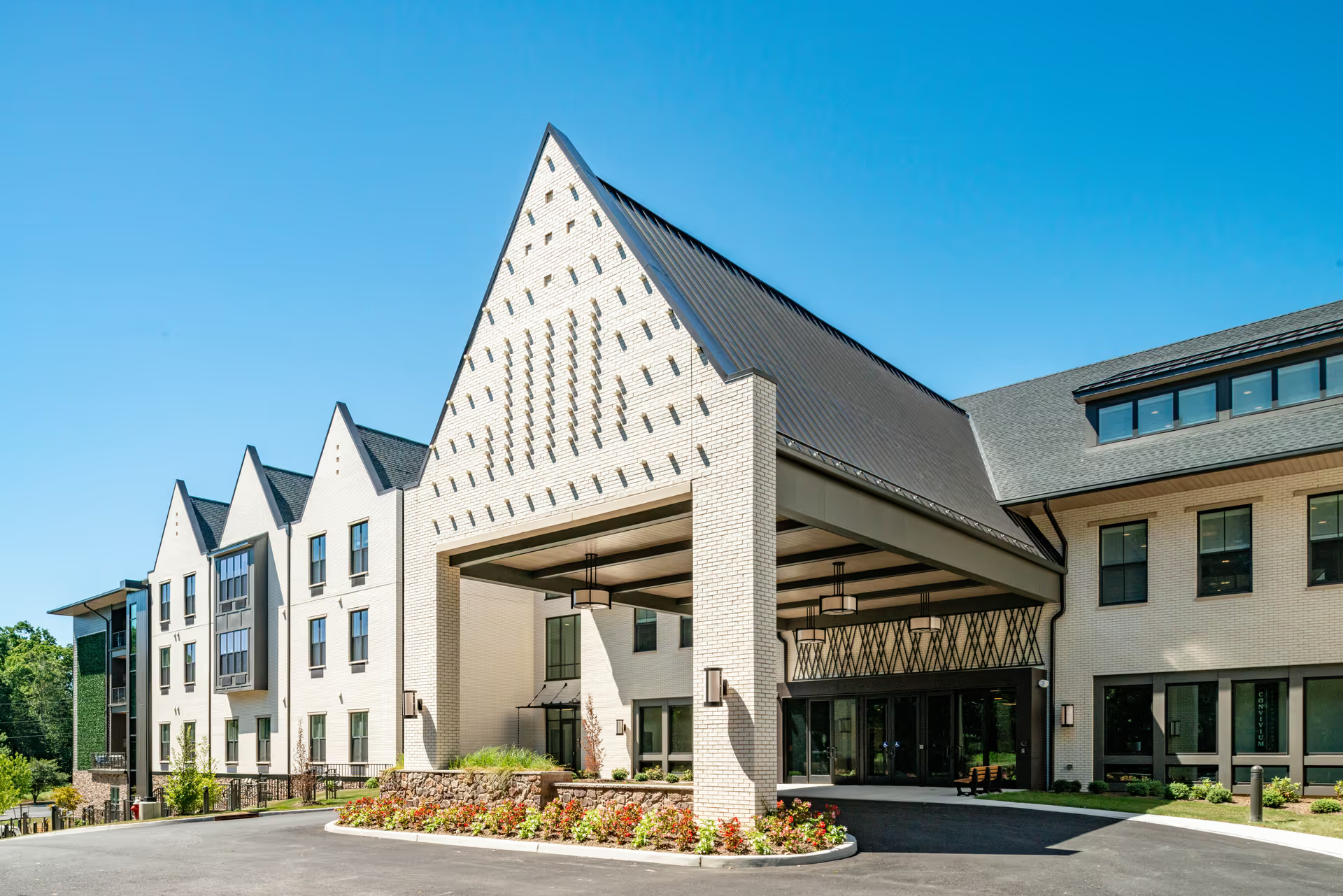
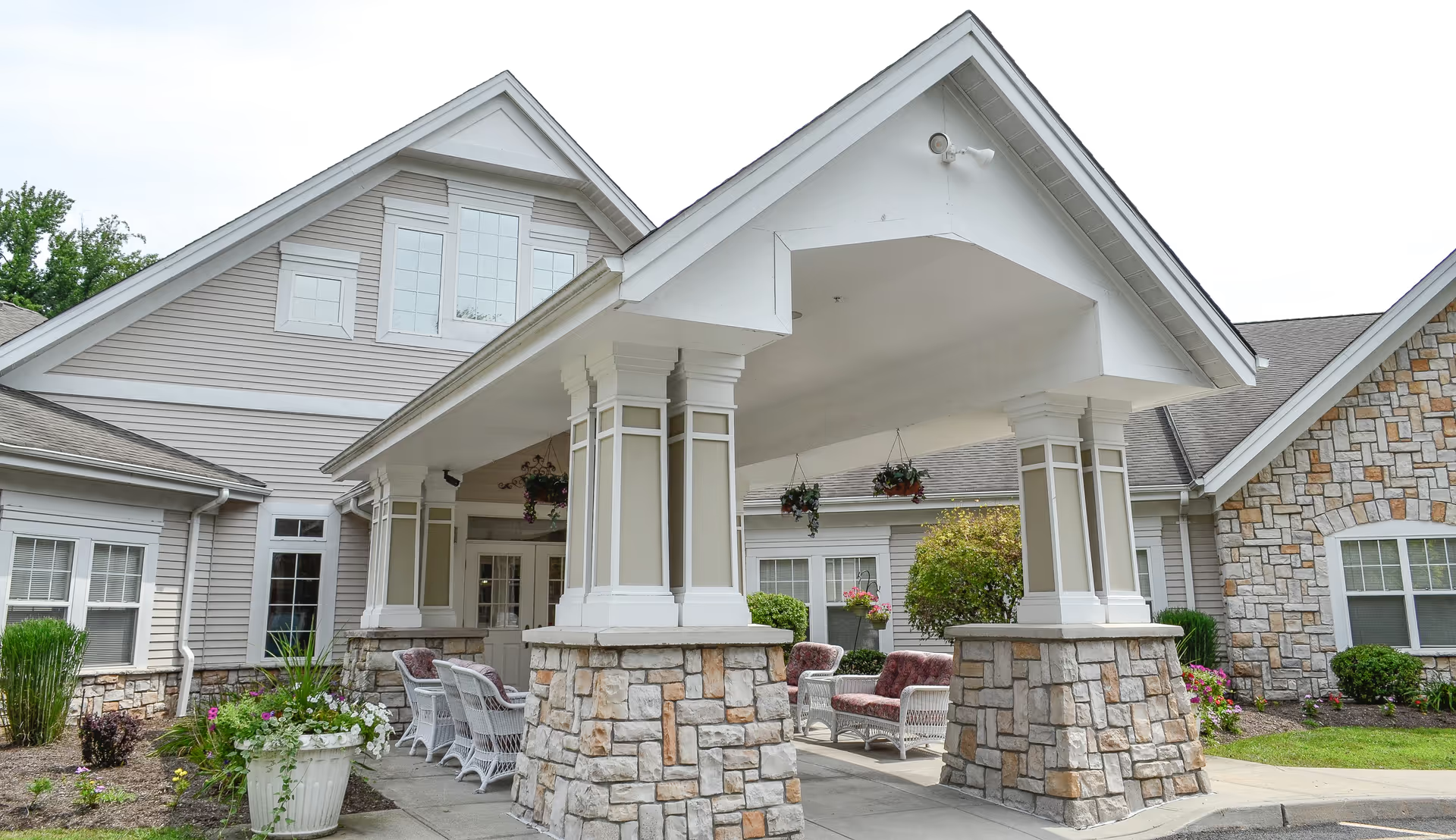
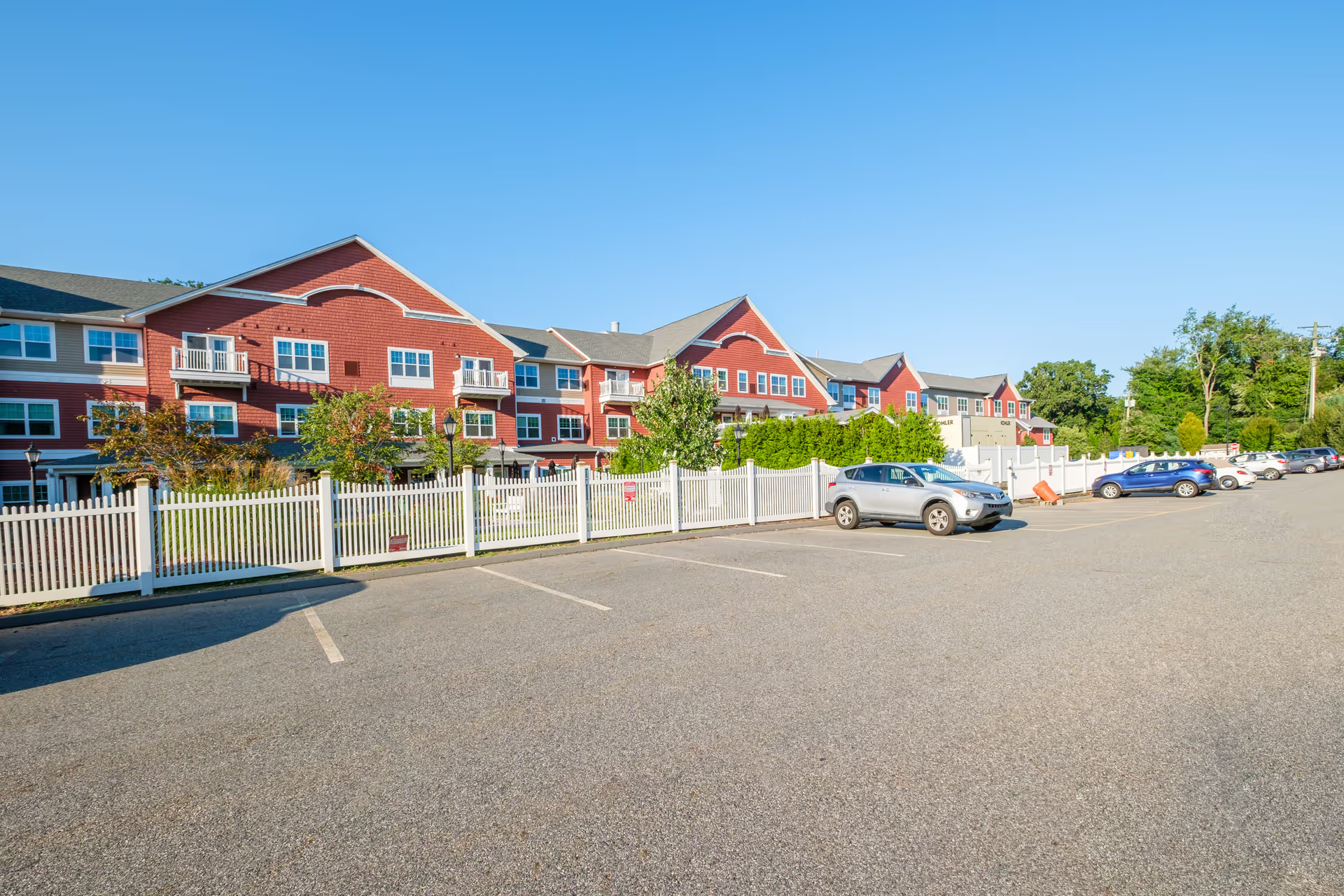
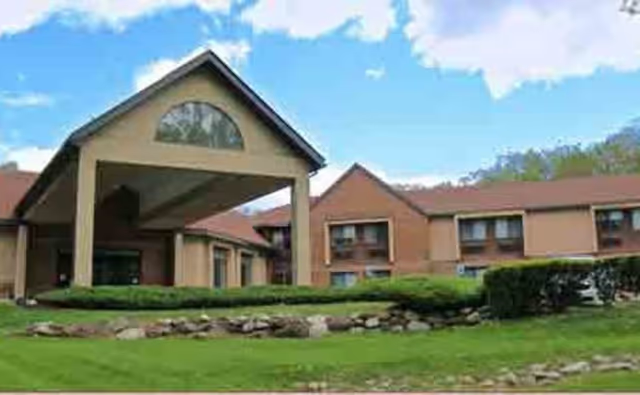
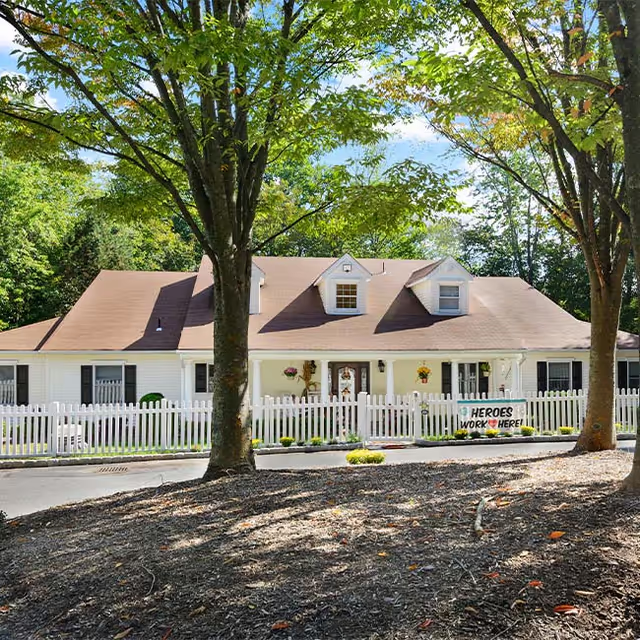
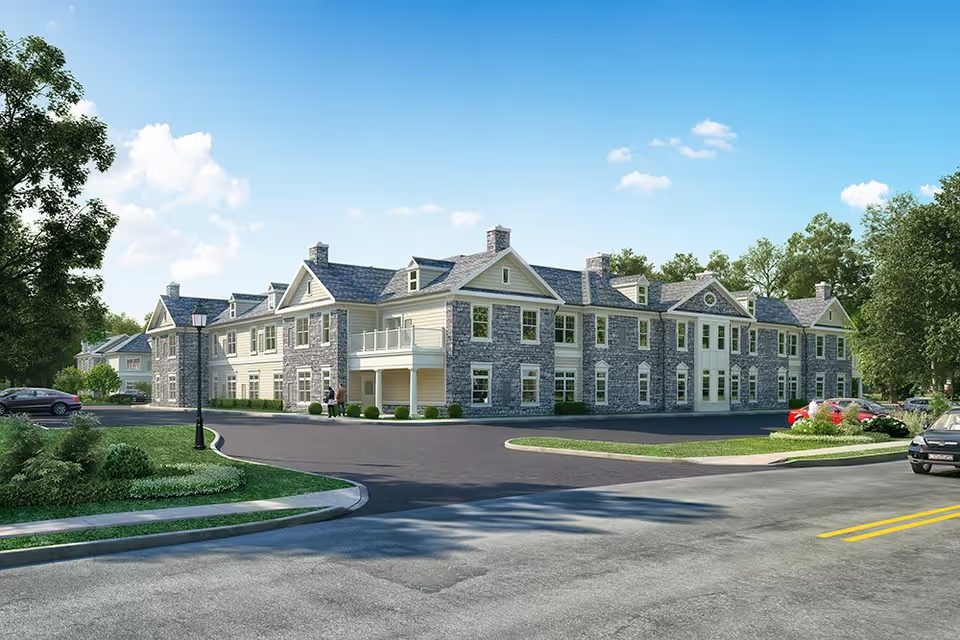
Family of Caring at Park Ridge elicits strongly mixed but consistent themes. Many families praise the facility for its clinical strengths — notably an effective rehabilitation program, hands-on physical and occupational therapy, and daily nursing oversight for pain management. Admissions and discharge coordination, concierge/front-desk responsiveness, and onsite amenities such as a dining room, library and hair salon are frequent positives. The building itself is described as clean, modern and recently renovated, with spacious rooms and a generally welcoming, family-like community atmosphere.
Care quality and staff are central drivers of positive feedback. Skilled therapy teams and committed nursing staff receive repeated commendation for restoring mobility and enabling timely discharges home. Social-work involvement and individualized care coordination are also cited as supportive. At the same time, reviewers describe variability in clinical practice and caregiver consistency: staffing shortages, turnover, and uneven training correlate with inconsistent bedside care, medication-administration concerns, and variable responsiveness to call bells and toileting needs. Several descriptions point to lapses in medication documentation and medication preparation practices, which merit specific inquiry during any visit.
Dining and activities present a mixed picture. The recreation program, live entertainment, and regular activities are clear strengths that contribute to resident engagement. Conversely, dining receives divergent feedback: while some note balanced, tasty meals and a room-service menu, others report late service, cold plates, limited menu fidelity, and uneven meal quality. Transportation and ancillary services (laundry, housekeeping) are often described as reliable, though housekeeping and sanitation consistency varies by unit and by room.
Facility environment and infection/sanitation controls are generally praised for cleanliness and upkeep in common areas, but there are recurring sanitation and pest-control concerns cited for specific units or rooms. Security practices at entry are noted positively. Language- and culture-specific offerings (including a Korean wing and Korean-speaking aides) are valuable to many families, though language-access is not uniform across the entire facility and can create communication gaps for some residents.
Administrative leadership and management patterns also produce mixed impressions. Admissions staff and some nurse managers are frequently commended for compassion and coordination, while other comments point to administrative disorganization: billing and refund delays, incomplete admission paperwork, variable tour scheduling, and the effects of budget adjustments on amenities and staffing. A few accounts raise concerns about consent, documentation practices, and privacy protocols, which are operational issues to review directly with management.
Notable patterns: the facility demonstrates clear strengths in rehabilitation, clinical leadership in certain units, and social engagement programming. Offsetting these strengths are operational inconsistencies tied to staffing, communication, and some clinical-administration processes. Prospective residents and families should consider an in-person tour that probes staffing ratios, medication-administration policies, dementia-programming specifics, meal schedules and temperature control, sanitation/pest-control measures, language-access arrangements, and recent management or budget changes. Those questions will help determine whether the facility’s strong rehabilitation and compassionate staff align with the candidate’s clinical and daily-living needs.