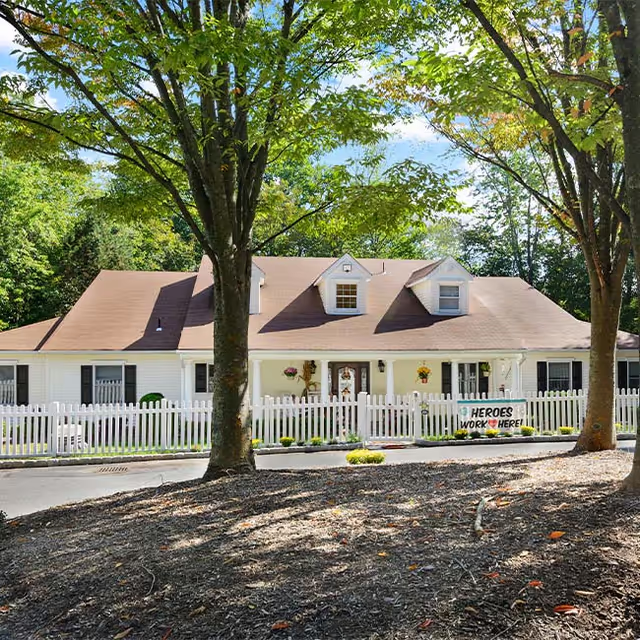
Overall impression: Fox Trail Memory Care Living is described as a small, home-like memory-care residence with a strong emphasis on family engagement, individualized attention, and dementia-focused programming. Many families highlight a warm, welcoming atmosphere, attentive aides, and leadership that prioritizes family communication. The facility's size and model support personalized relationships between staff and residents and enable practices such as same-day physician access, on-site hair and grooming services, and close coordination with hospice and hospital transports.
Care and staff: Reviewers consistently praise caring and compassionate direct-care staff and active clinical leadership. Families note that the team is responsive to inquiries, attentive to dietary needs, and proactive with family communication tools (including photo updates). There are repeated references to strong nursing oversight, helpful directors, and staff who take time to know residents personally. That said, a notable operational pattern is variability in staffing continuity and management turnover, which several accounts link to uneven care delivery. This has manifested as inconsistent caregiver assignments and, in some instances, gaps in supervision for residents with higher-acuity dementia needs.
Dining and activities: Dining is generally reported as a strength. Meals are prepared on-site, described as well-balanced with variety, and staff accommodate special diets and texture modifications. An on-site stylist and resident grooming services are available, and activities programming is described as engaging and dementia-focused, including outings and community partnerships (for example, local-school interactions). Staff-led events such as themed socials and a dedicated activities coordinator contribute to a socially active environment.
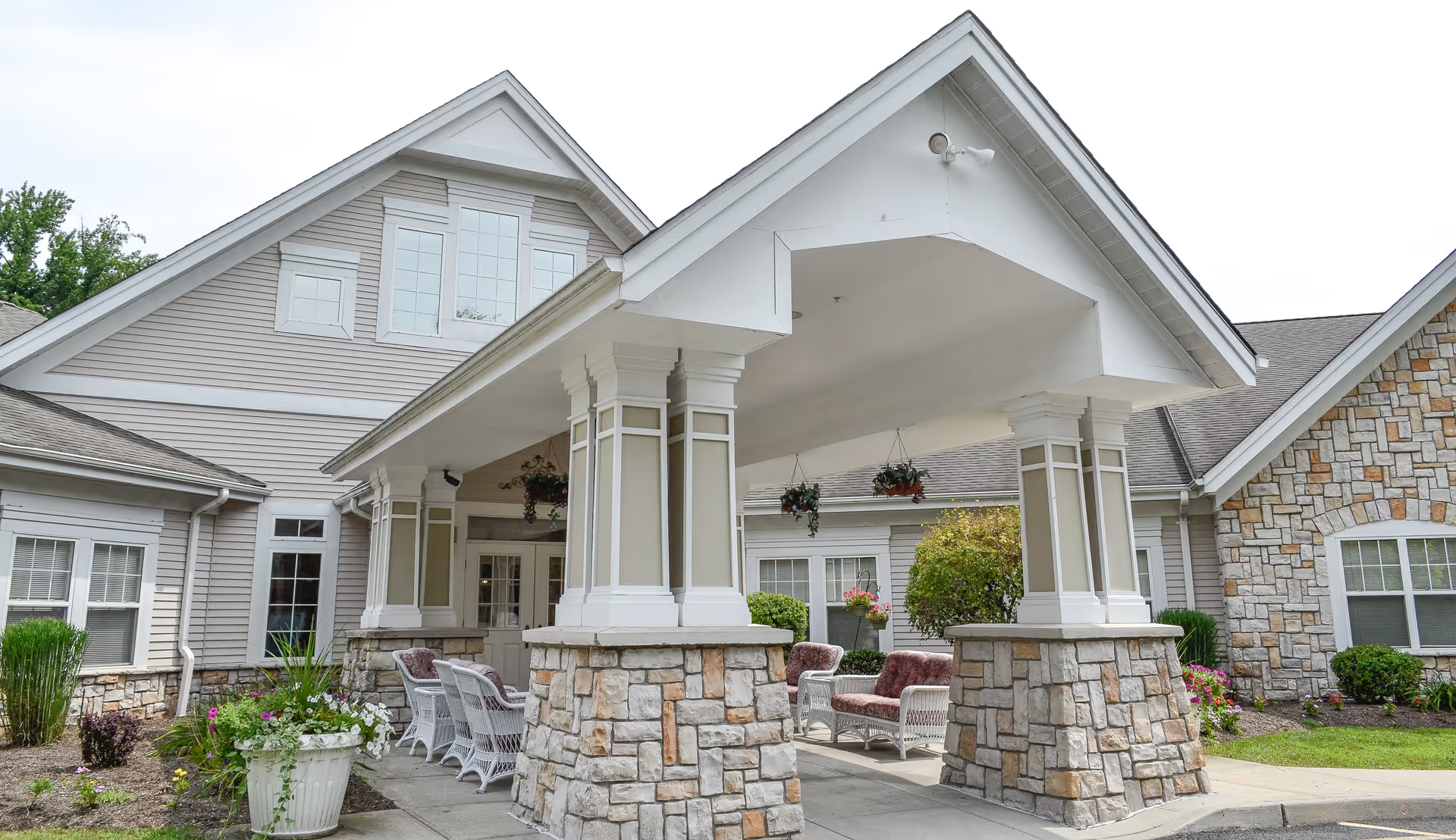
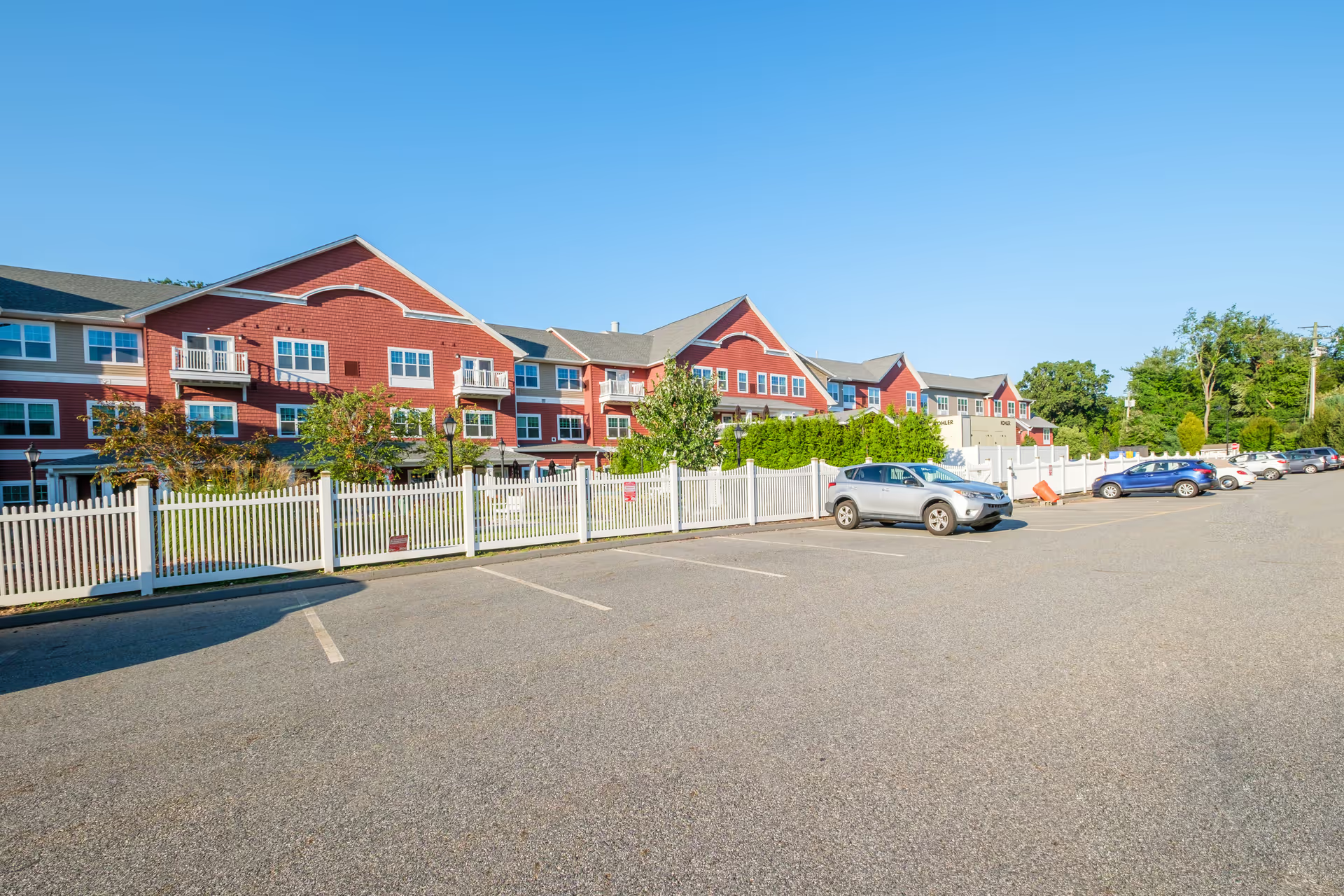
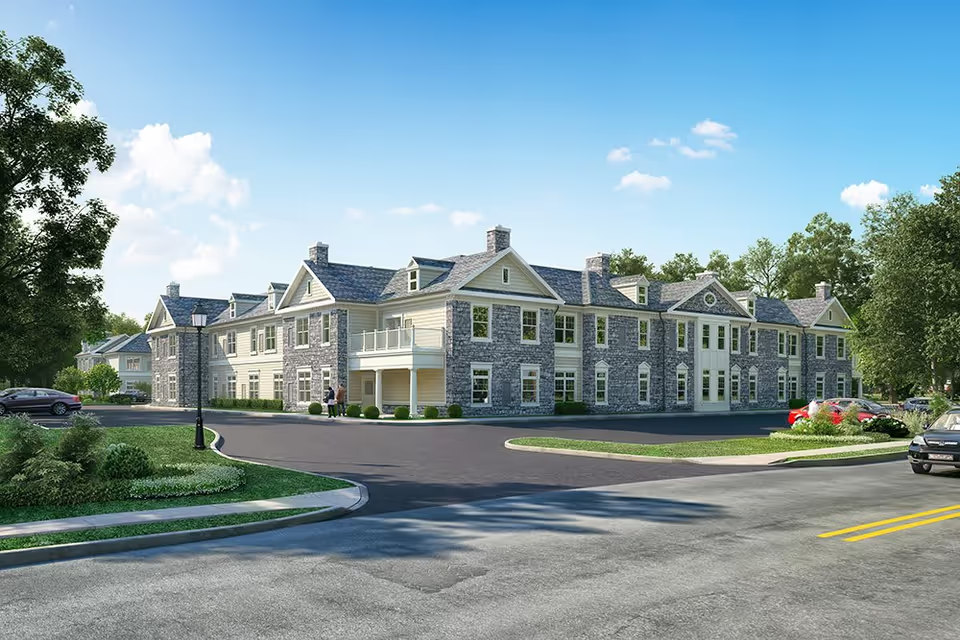
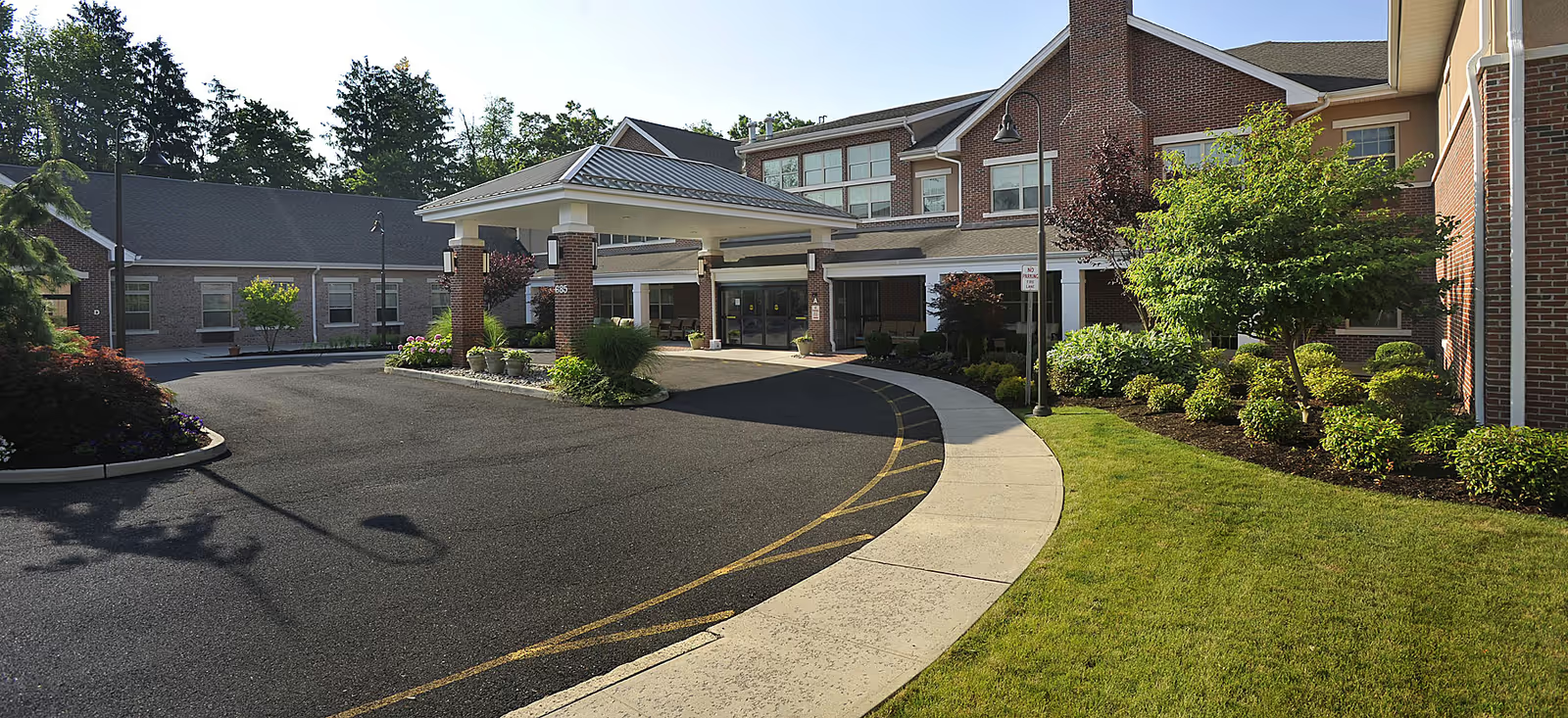
Facilities and environment: The interior environment is frequently described as clean, comfortable, and homey, with private rooms, windows, and shared common spaces that encourage socialization. The small resident count supports individualized attention and a quieter atmosphere. Areas for improvement noted include exterior maintenance and limited parking; these are operational amenities rather than interior-care complaints. A few families expressed the desire for greater visibility into room-level housekeeping and more flexible visiting arrangements.
Management and notable patterns: Management is often characterized as transparent and proactive, with tools for family communication and direct clinical access that families value. Several accounts single out effective leadership and strong transitions when coordinated well. However, there are recurring concerns about communication and oversight during facility transitions or crisis periods (for example, transfers to higher-level care during infection-control events), and some families experienced declines in communication during those times. Another pattern is an operational limit on higher-acuity clinical capacity—residents who require more intensive monitoring have sometimes needed transfer to other settings.
Bottom line: Fox Trail presents many strengths for families seeking a small, home-like memory care setting with attentive staff, strong family communication, on-site clinical access, and engaging programming. Prospective families should weigh those strengths against patterns of staffing variability and the facility's limited capacity for very high-acuity dementia care. Clarifying expectations around supervision protocols, visitor and housekeeping transparency, and contingency plans for escalations will help prospective residents and families determine whether the facility’s model aligns with their level-of-care needs.