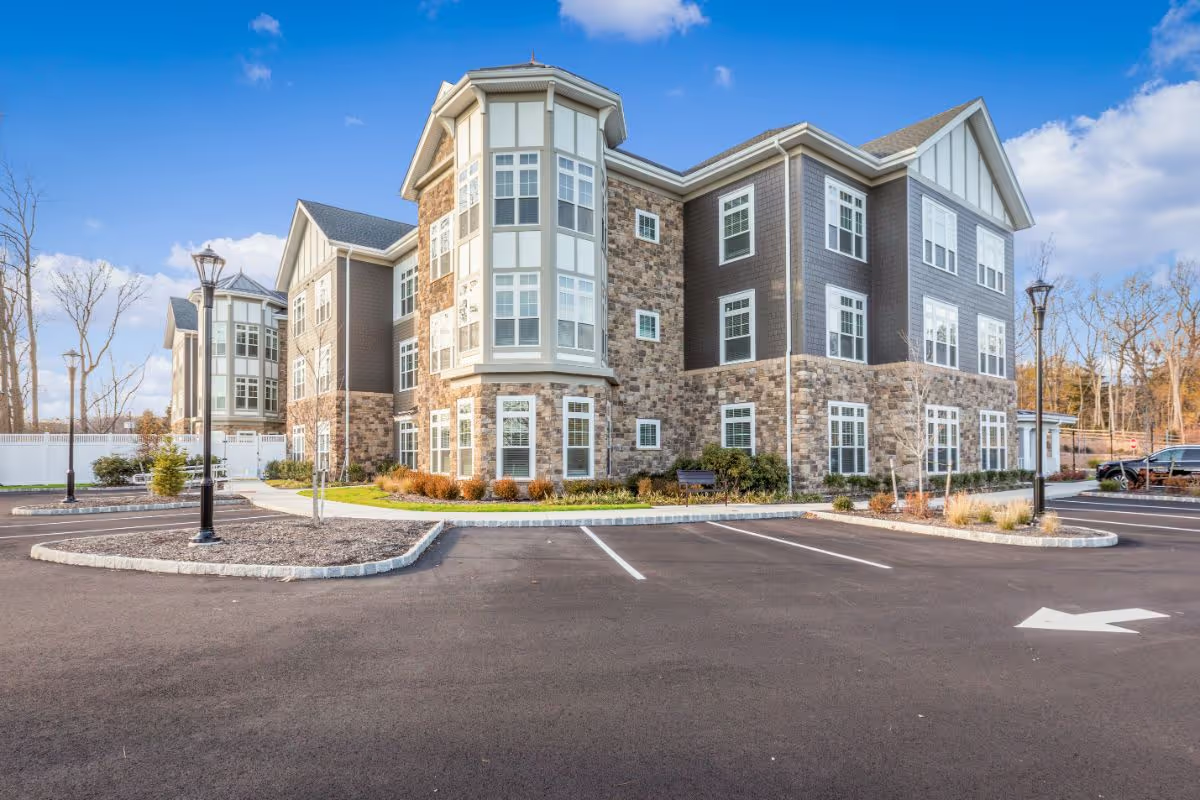
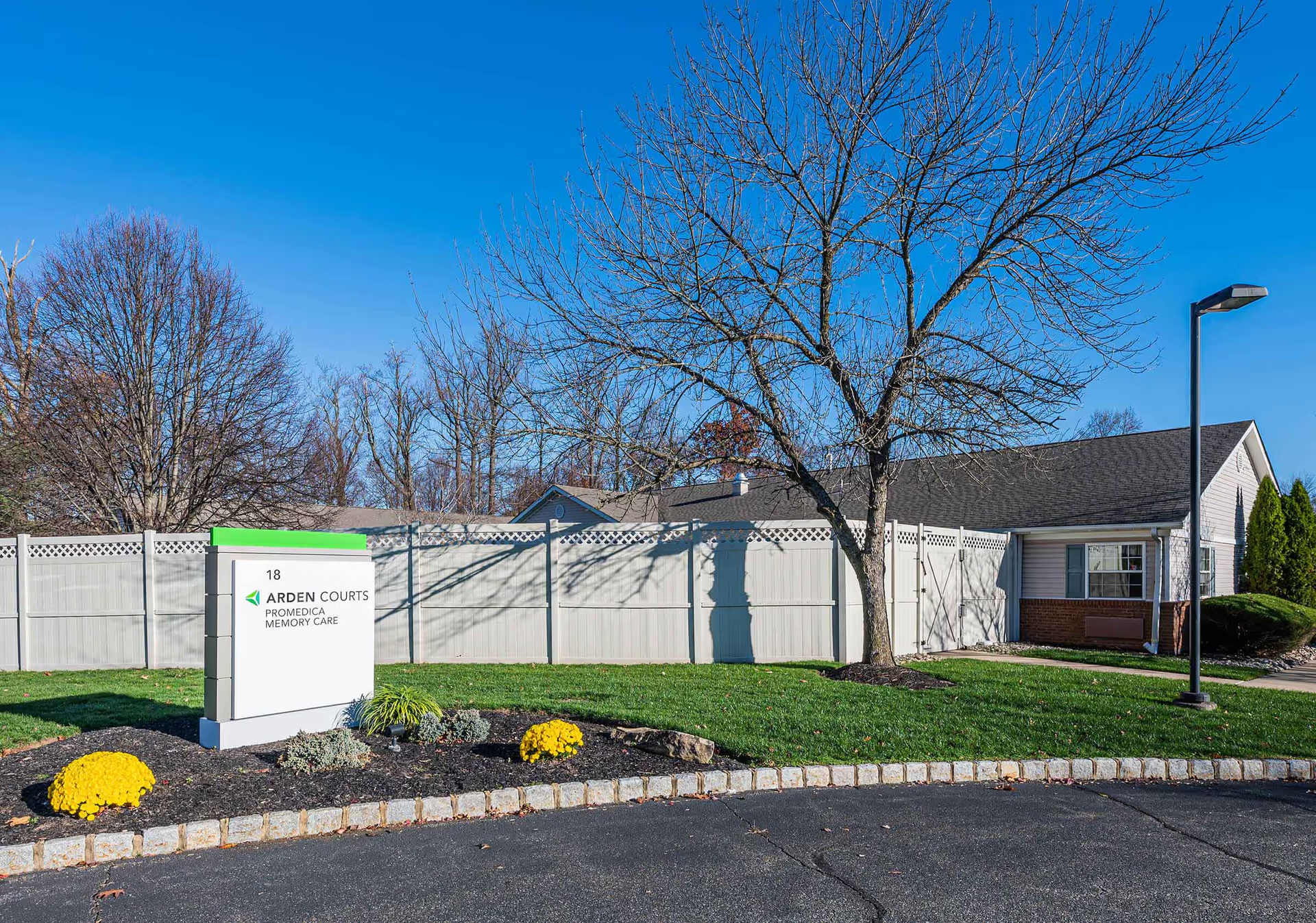
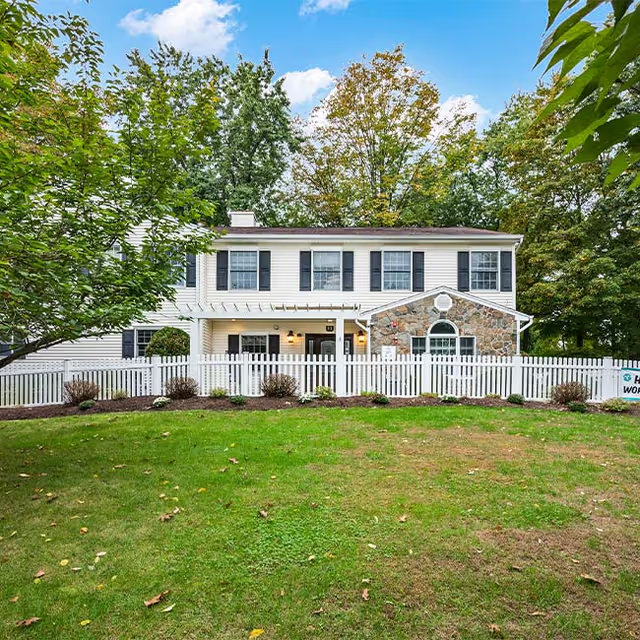
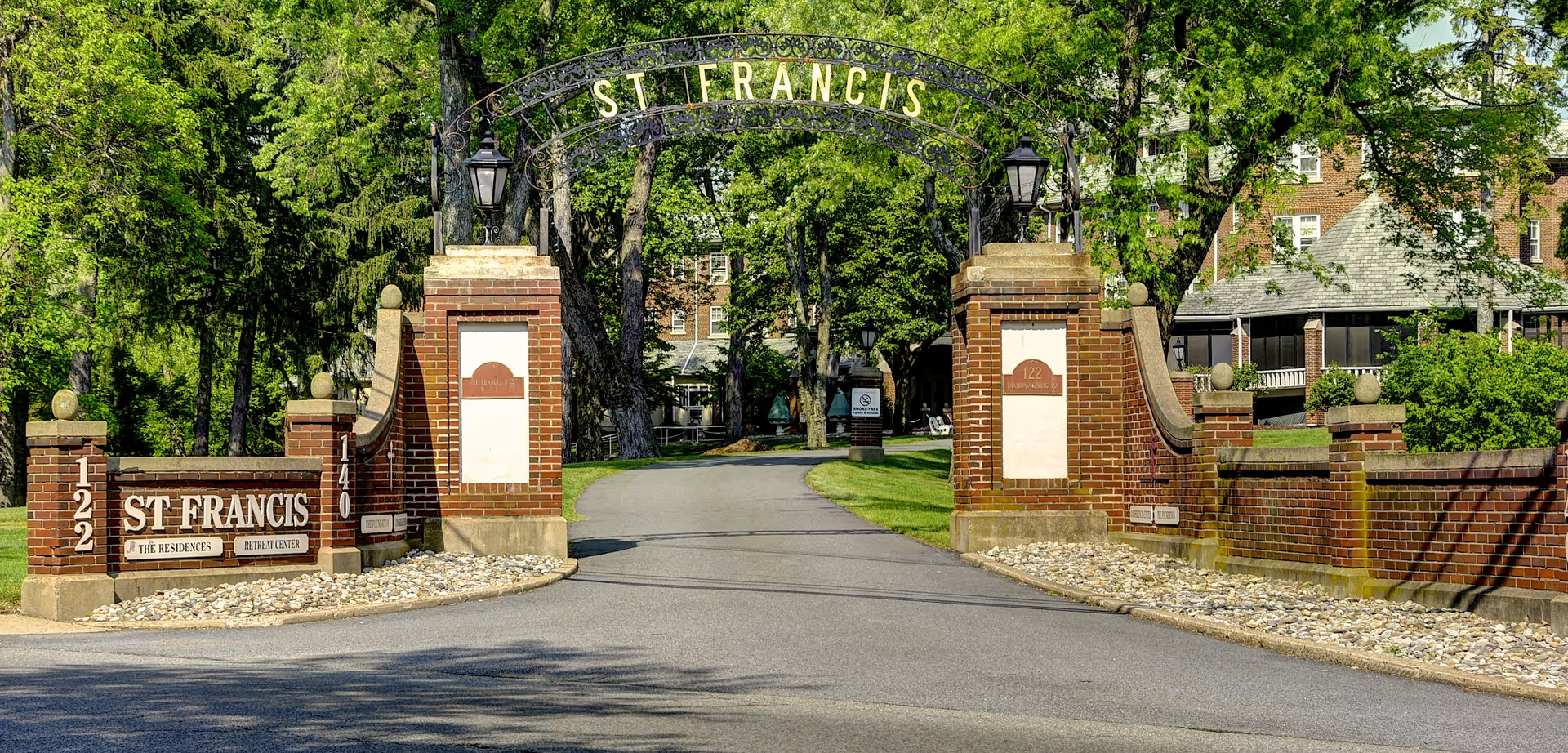
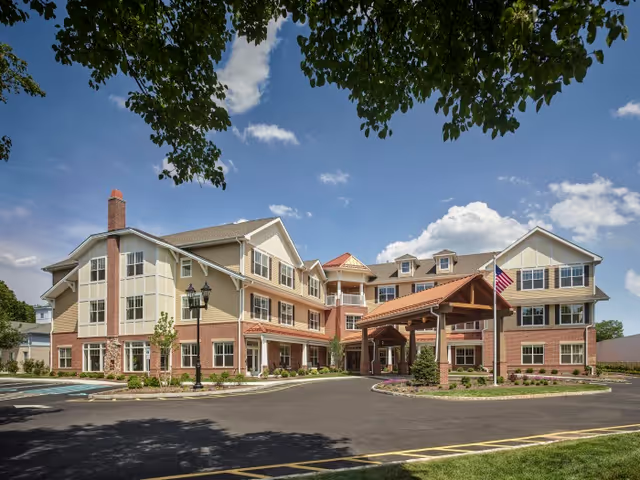
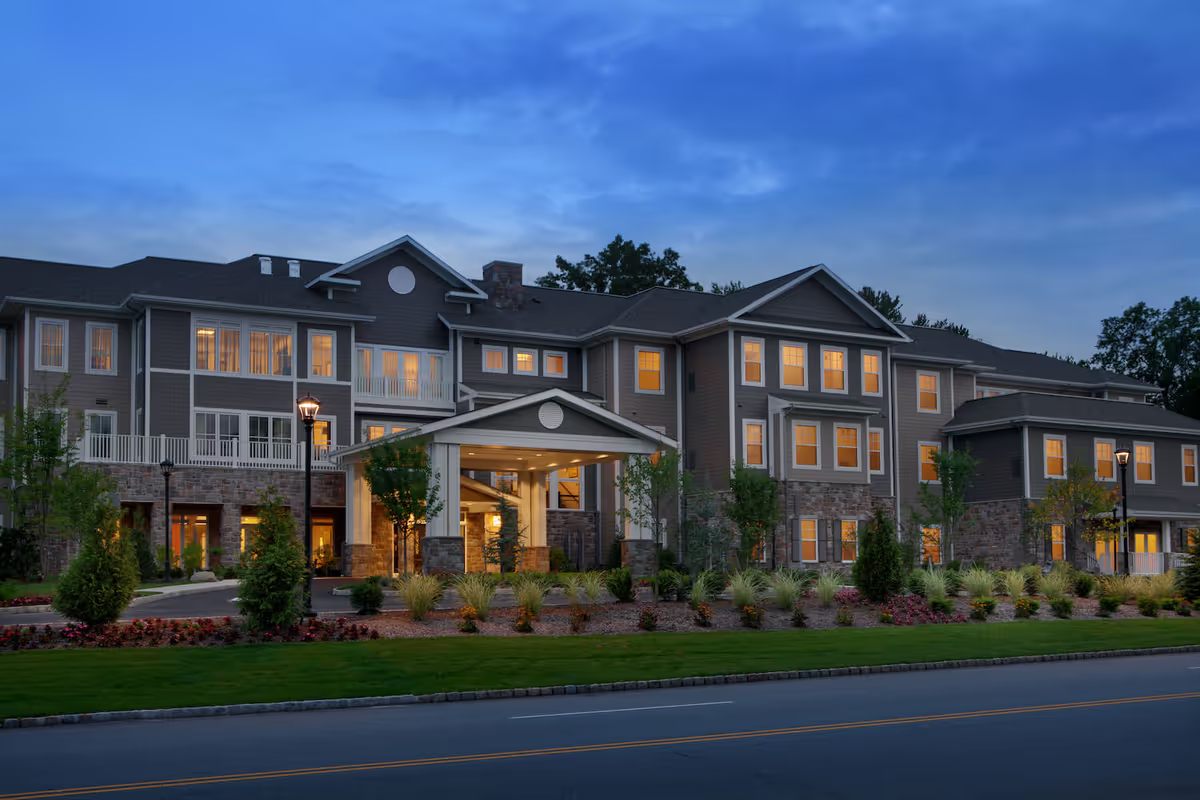
CareOne at Parsippany Assisted Living presents a mixed but mostly positive profile across many operational areas. Strengths commonly described include a caring, personable caregiving team and visible nursing leadership; the facility offers 24-hour nursing coverage and an adjacent or on-site rehabilitation program that several families credited with strong short-term recovery. The campus has been renovated in places and is frequently described as bright, modern, and well maintained, with amenities such as a restaurant-style dining room, on-site chef and servers, a movie theater, outdoor patios, and varied activity programming. Memory-care resources, regular family communications (photo newsletters and timely emails), and an accessible respite option were also highlighted as useful features for families testing the community or needing short-term support.
Care quality is described as high in many accounts: attentive aides, professional therapists, and positive rehabilitation outcomes recur throughout the feedback. At the same time, reviewers indicate variability in day-to-day direct care. Several notes point to inconsistent response times for assistance, uneven bathing or shower support, and variability in staff skill or attentiveness between shifts. Staffing instability and turnover are recurring operational themes; families often advise verifying current staffing levels and how the facility covers vacations, weekends, and peak demand times.
Dining and activities are polarizing. Many families praised the culinary team, restaurant-style meals, and the range of entertainment and outings. Others described menu options they found unappealing or institutional in character. Activity programming is generally robust and includes games, live entertainment, outings, and memory-focused engagement, but availability and encouragement to participate appear to be uneven at times. Prospective residents should sample meals and ask for recent activity calendars to assess fit.
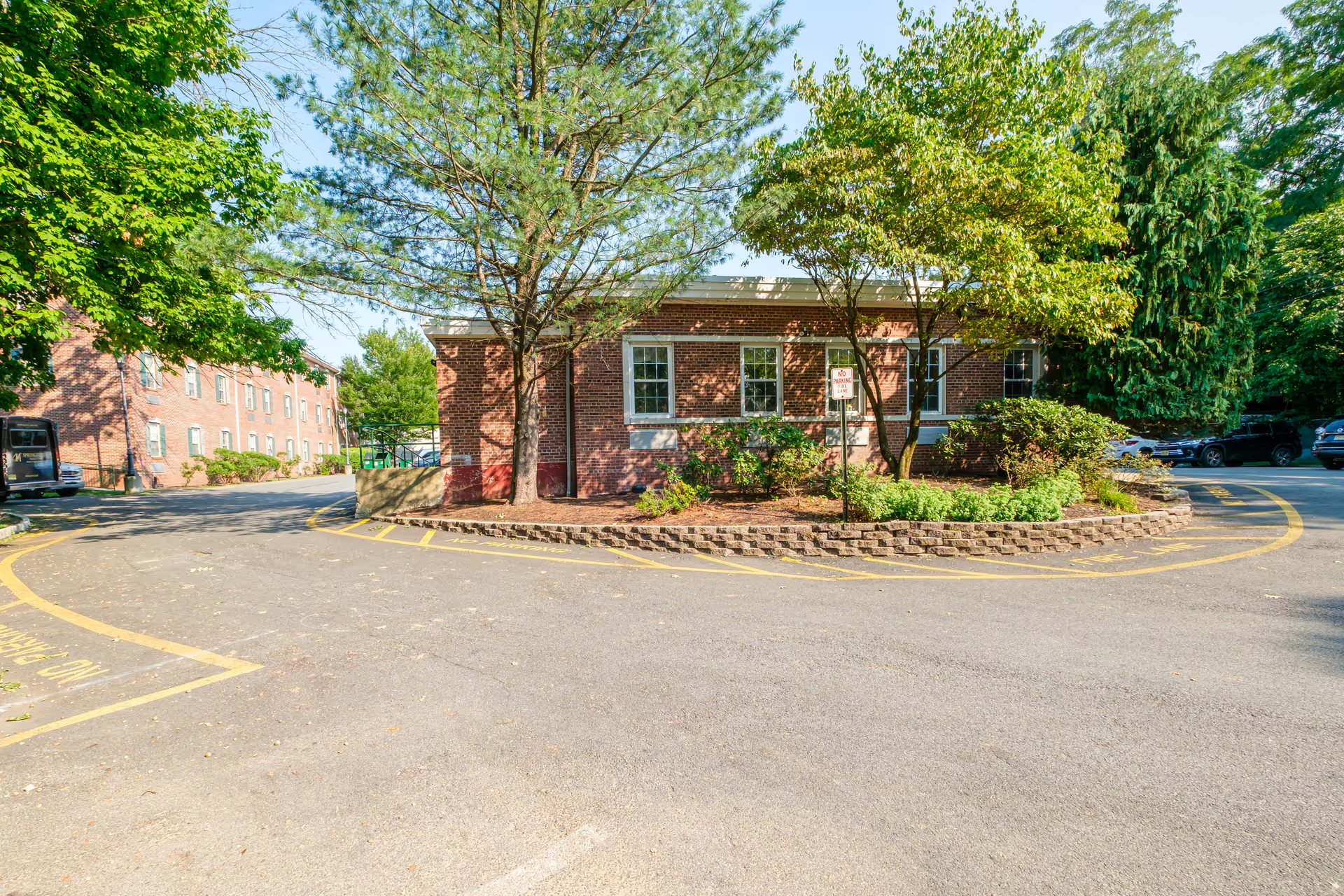
Facility upkeep and amenities are frequently praised: renovated rooms, well-kept grounds, reliable maintenance, and clean, well-decorated common areas are common positives. However, a subset of feedback raises sanitation and odor-control concerns in particular areas and reports inconsistent room housekeeping. These comments suggest variability in environmental maintenance on certain shifts or units rather than a uniform condition across the campus.
Operational and management issues are the clearest source of mixed sentiment. Several reviewers described helpful, accessible administrators and timely communications, but others experienced difficulty reaching management, perceived leadership turnover, or described gaps in how clinical incidents and transfers are communicated to families. There are also references to medication-tracking process weaknesses and weekend staffing constraints. A small number of serious incident-related complaints and regulatory items were mentioned; those are distinct from general service concerns and should prompt direct inquiry during a tour.
Cost and access are additional considerations: many families find value for services received and note insurance or Medicaid-waiver options can help, while others cite high pricing or unexpected fee increases. Location and transportation access were noted as a challenge for some families depending on their home base.
Bottom line: CareOne at Parsippany offers many hallmarks of a full-service assisted-living community—robust rehab, visible nursing coverage, renovated spaces, active programming, and staff who frequently go above and beyond. At the same time, operational variability—particularly around staffing consistency, day-to-day responsiveness, housekeeping consistency, meal preferences, and family communication—appears in enough accounts to merit focused questions from prospective residents and families. Recommended pre-admission steps include touring during different shifts and on a weekend, meeting current unit staff and nursing leadership, sampling meals, reviewing staffing ratios and turnover data, asking how medication documentation is handled, and requesting recent records of regulatory actions or incident-notification policies.