Overall impression: Reviews describe a facility with notable strengths in hands-on nursing and rehabilitation but substantial variability in operational consistency. Many families highlight empathetic caregivers and therapy teams that produced meaningful functional improvements. At the same time, a pattern of inconsistent practices across shifts and units creates an uneven experience: where care is strong, families express deep trust and gratitude; where weaknesses appear, they concern basic operations and oversight.
Care quality and staff: Clinical and rehabilitative care is frequently cited as a core strength. Physical and occupational therapy staff, as well as many nurses and CNAs, are described as skilled, patient-centered, and effective at restoring function. Several individual caregivers receive repeated praise for compassion and reliability, contributing to a family-like culture for some residents. Conversely, reviews indicate variability in staff responsiveness and conduct, especially on certain shifts; concerns include delays in assistance, lapses in hygiene support, and inconsistent tone or communication from specific caregivers. This variability suggests that the quality of a resident’s experience may depend heavily on staffing assignments and shift coverage.
Dining and activities: Commentary on dining is mixed. Some families report acceptable or improved meal experiences, while others note poor breakfast preparation and inconsistent food-handling practices. There are also isolated concerns about food sanitation and presentation. Activity programming receives limited mention overall; a few reviewers indicated a lack of entertainment or engagement options during stays, which may be relevant for residents seeking stronger social programming during rehabilitation or long-term placement.
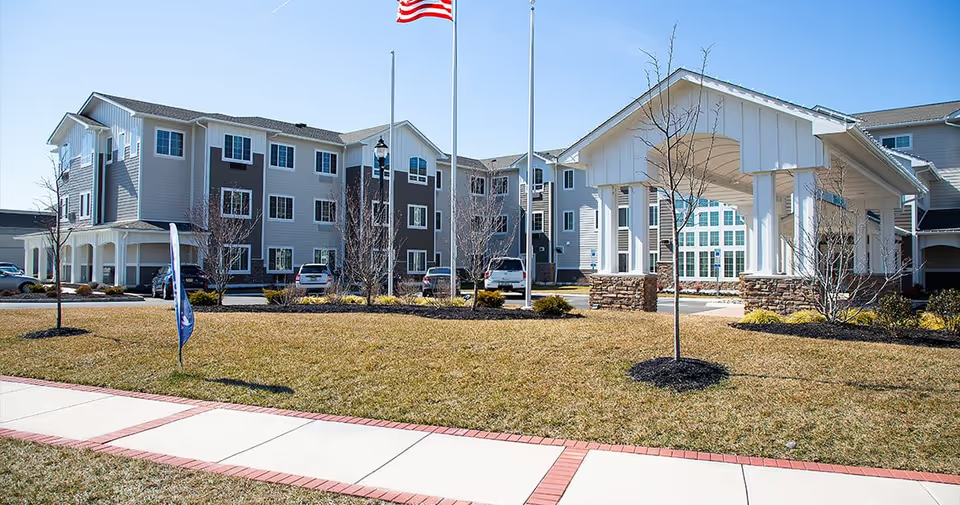
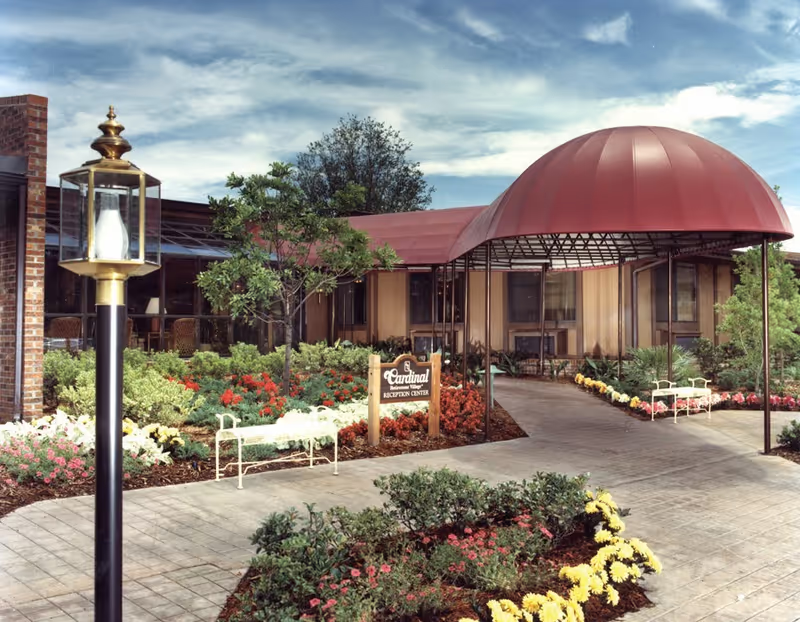
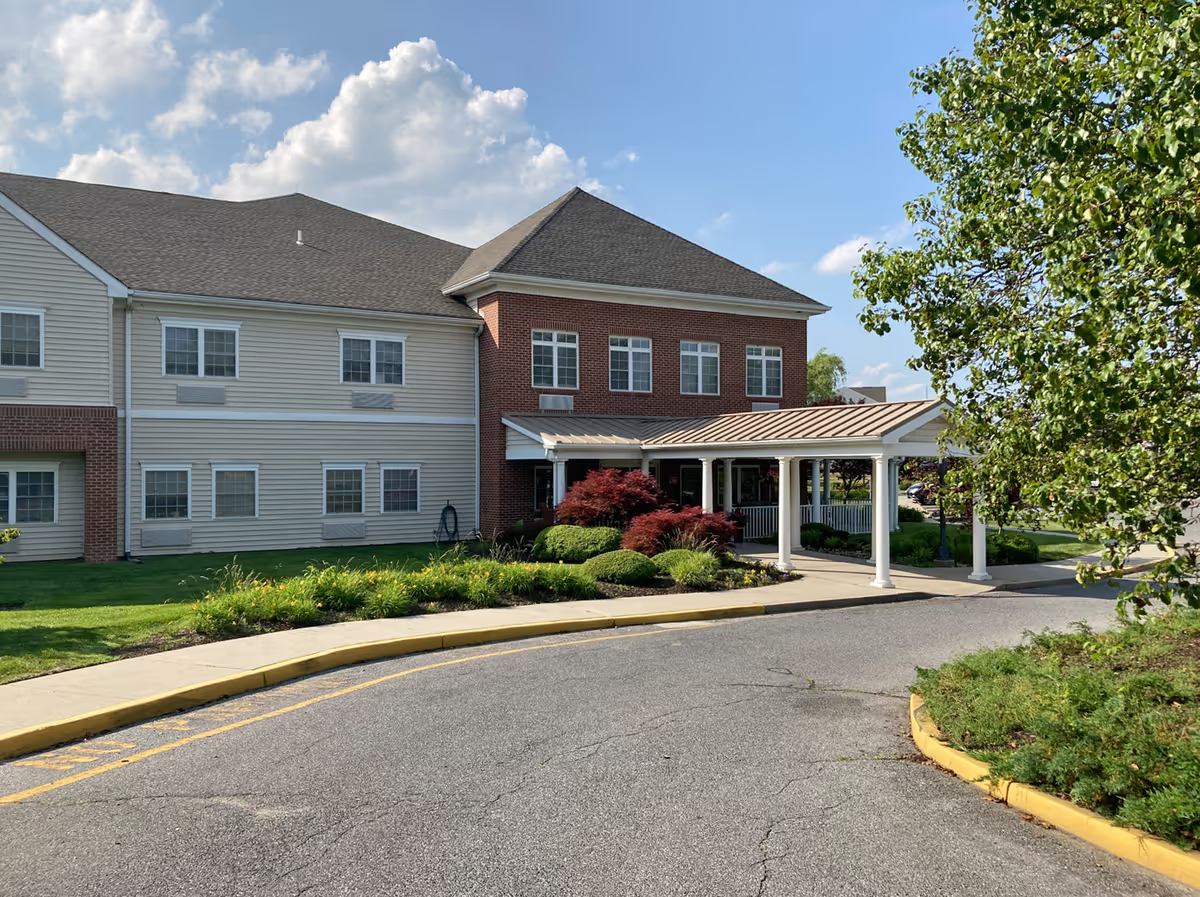
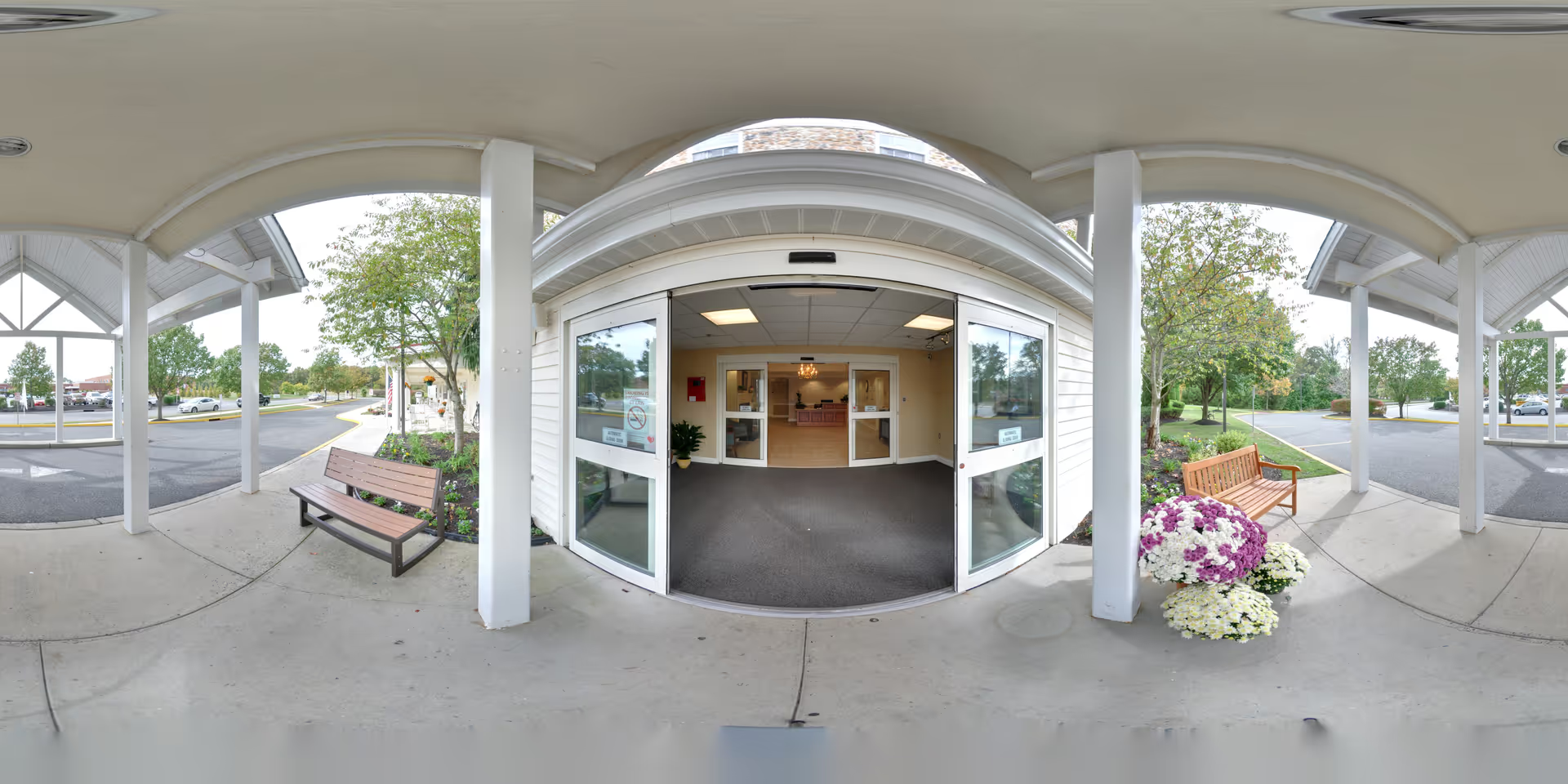
Facilities and safety: Facility conditions reported by families range from well-maintained and clean to problematic. Multiple reviews raise sanitation and pest-control concerns, along with specific observations about room cleanliness and linen management. Heating and environmental comfort issues were described in at least one recurring instance. Safety-related themes include inconsistent supervision on overnight shifts, property-security gaps (missing personal items), and concerns about wound care and pressure injury management. These items point to operational weaknesses in environmental services, infection prevention, and overnight staffing oversight.
Management and communication: Families describe a mix of accessible, engaged administrators and instances of difficult-to-reach or unresponsive management. Common operational complaints include appointment-based visitation policies that limit flexible family access, difficulty contacting leadership by phone, and perceived lack of follow-through on grievances. Together these indicate variability in administrative responsiveness and accountability.
Notable patterns and guidance for families: The strongest and most consistent praise centers on rehab outcomes and several dedicated caregivers who provide compassionate, individualized attention. The most significant concerns are operational: inconsistent staffing coverage (particularly nights), variable cleanliness and food-safety practices, gaps in incontinence and wound care, and limited family-access/communication processes. Prospective residents and families may want to prioritize an on-site visit that includes: a review of staffing ratios and night-shift coverage, inspection of room cleanliness and meal service, questions about wound-care protocols and medication administration checks, clarification of visitation policy and remote communication options, and documentation of pest-control measures. These targeted inquiries can help determine whether the facility’s current operational consistency matches the clinical and rehabilitative strengths that many families experienced.