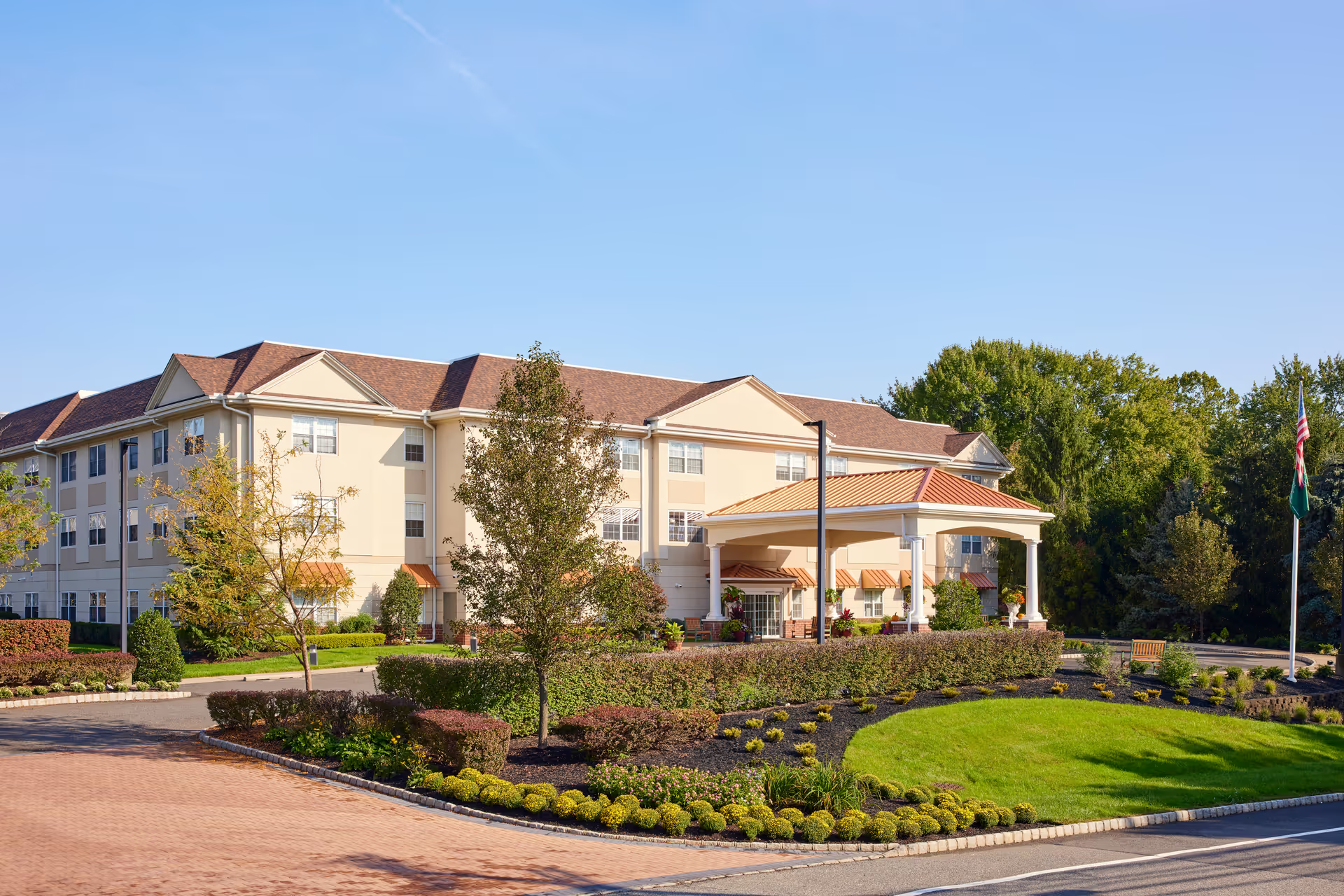
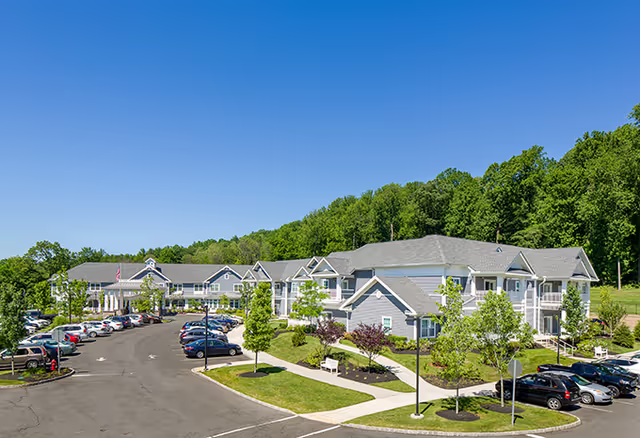
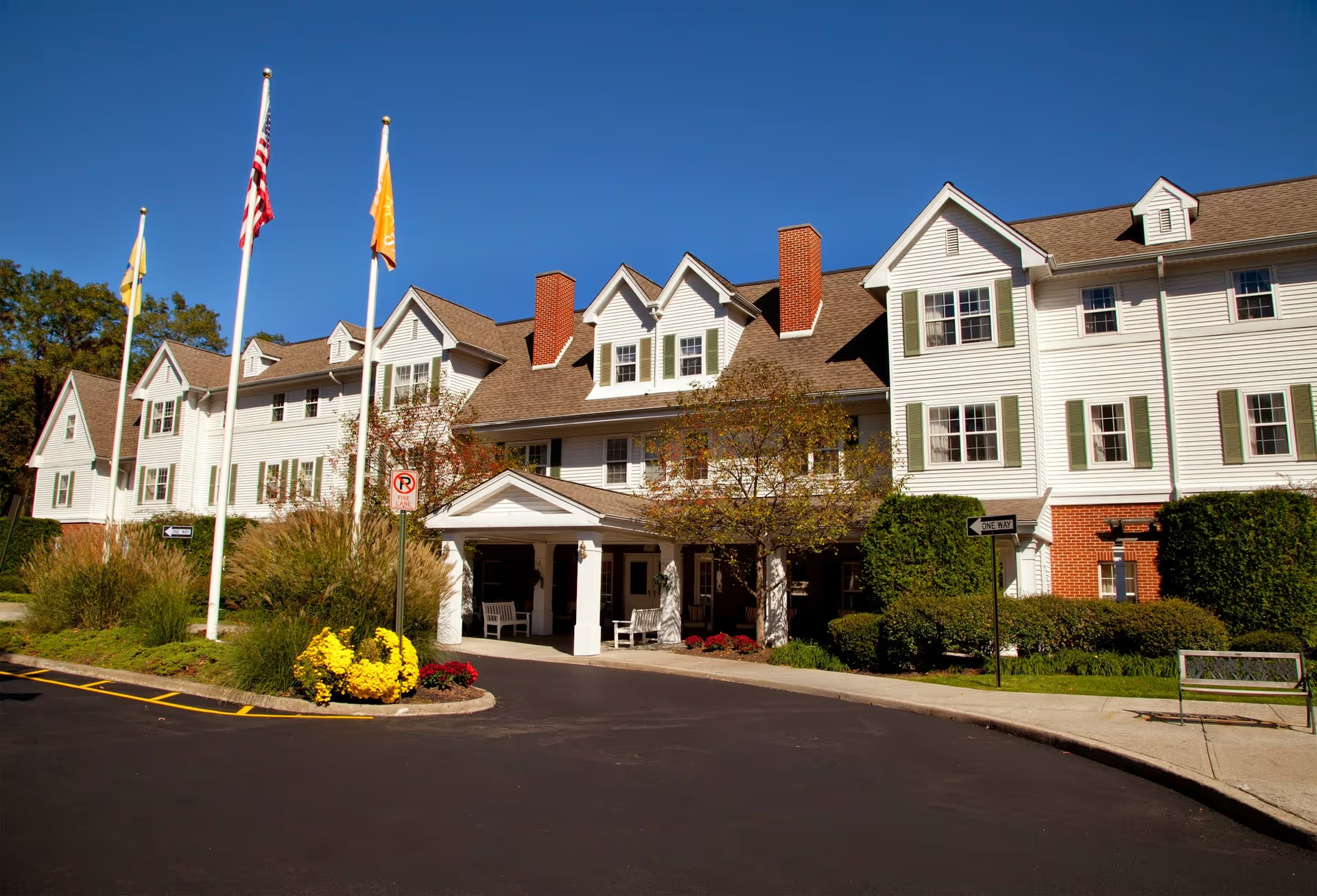
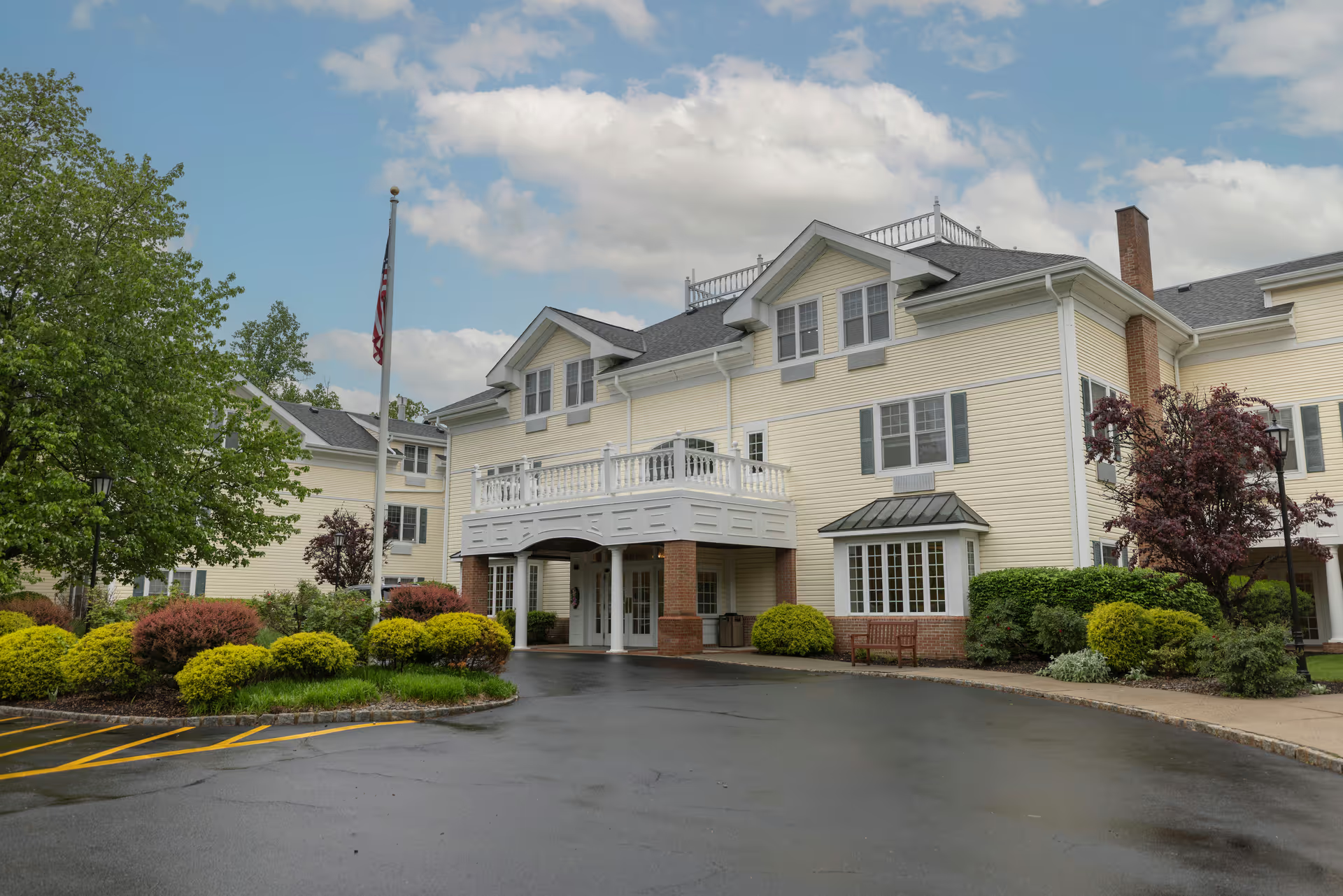
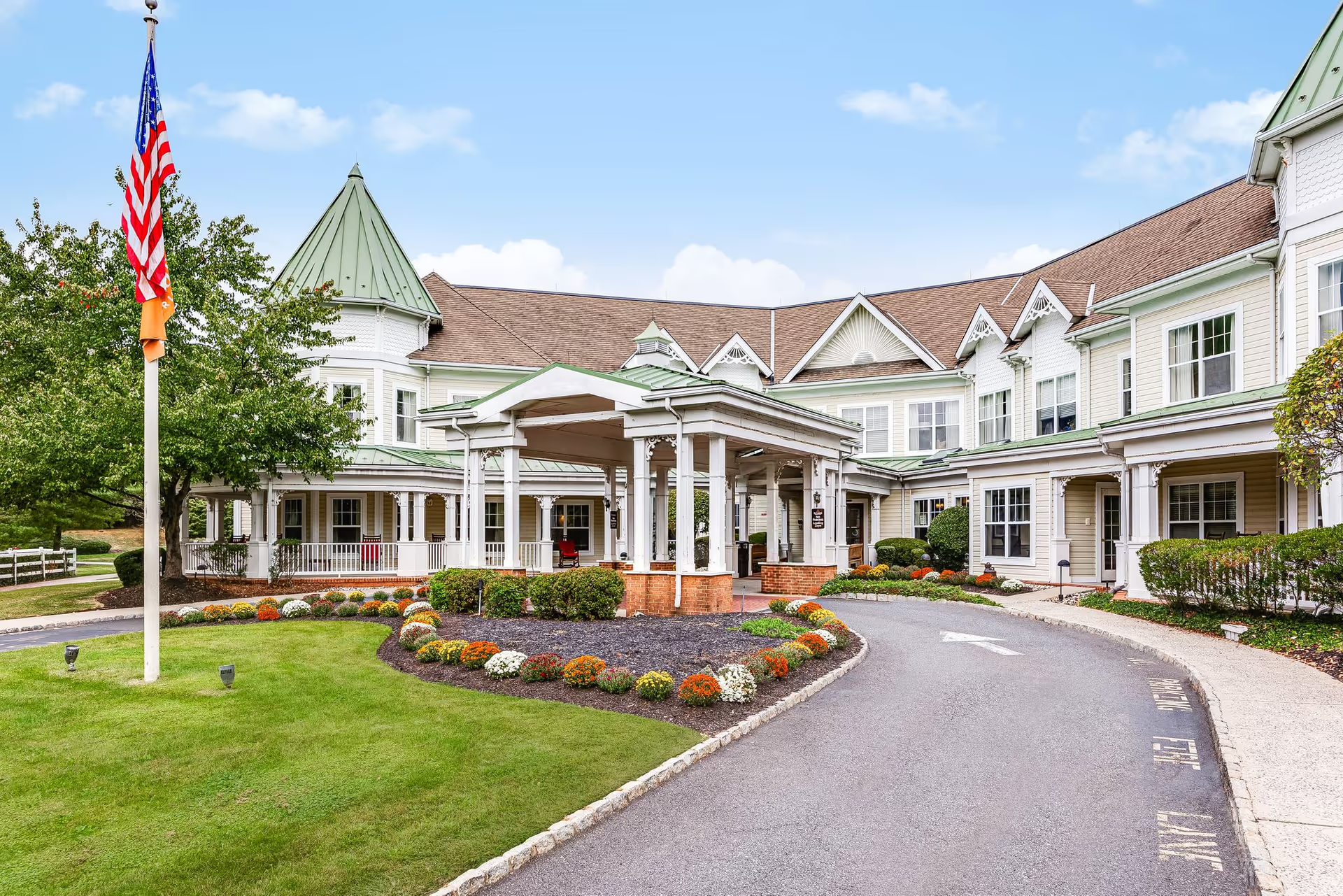
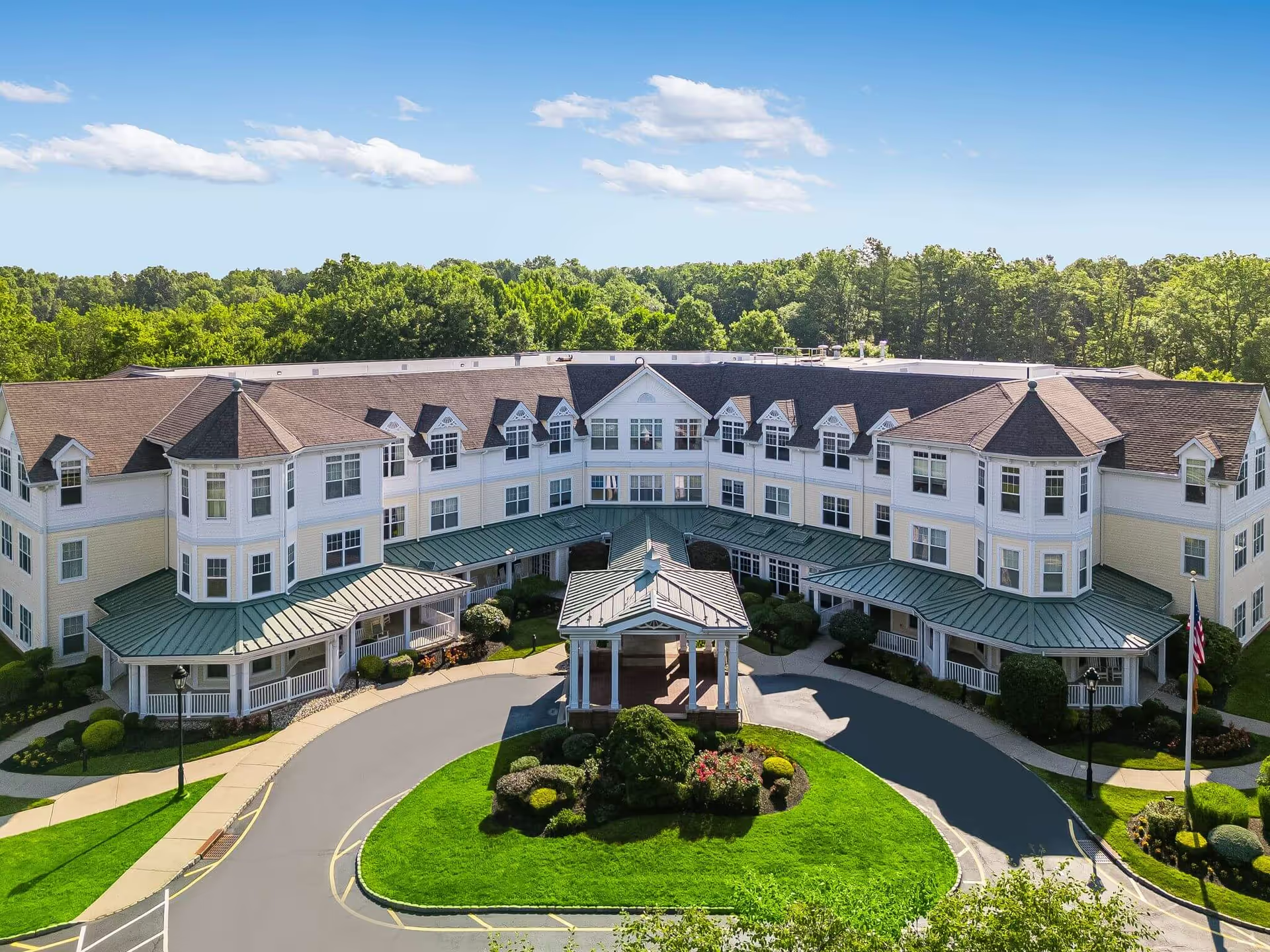
The reviews for AristaCare at Norwood Terrace present a mixed but thematically consistent picture: many families and patients describe strong rehabilitative outcomes, compassionate bedside care, and an active recreation program, while other accounts raise operational concerns that have real implications for safety and continuity of care.
Care quality and clinical services are a clear strength for many reviewers. The facility's rehabilitation teams, physical and occupational therapists, and some nurse-led clinical interventions receive frequent praise for restoring function after surgery and managing wound care. Several reviewers cited effective individualized care plans, helpful discharge guidance, and positive post-discharge outcomes. Conversely, other reviewers described lapses that raise clinical-safety questions: inconsistent medication administration (including delayed diabetes medication and incorrect dosages), delayed wound or dressing changes, documentation inconsistencies about refusals, and case escalations requiring hospital transfer. These contrasting accounts suggest strong clinical capability in parts of the organization paired with intermittent breakdowns in medication-safety and timely clinical response.
Staffing and workplace culture are recurrent themes. Many reviewers single out individual nurses, CNAs, therapists, and administrators by name for compassionate, attentive care and timely follow-up; leadership involvement and proactive social-work support are also noted positively. At the same time, there are repeated concerns about understaffing, long wait times for assistance, slow night-shift responsiveness, and staff morale issues. There are also serious allegations from some reviewers about supervisory conduct and threats toward staff; these are consequential claims that indicate potential workplace-culture problems and warrant investigation.
Dining, activities, and the physical environment show similar variability. The recreation and activities program is widely praised for inclusion, daily programming, and staff engagement; many families reported that activities helped psychosocial recovery and resident satisfaction. Dining opinions are mixed: several families appreciated meals and attentive dietary staff, while others reported cold or unappetizing food and occasions when menus were not followed. The facility is described by many as clean and well maintained, but intermittent sanitation concerns, episodic housekeeping lapses, and isolated maintenance issues (for example, equipment outages that lengthen waits) were also reported.
Management and communication emerge as a double-edged area. Numerous reviewers commend administrators and specific leaders for prompt outreach, one-on-one follow-up, and problem resolution. However, others describe inconsistent communication, limited accessibility of clinical leadership at certain times, front-desk coordination problems, and instances where families felt compelled to escalate concerns externally. Taken together, this points to variability in managerial follow-through and inconsistency in how concerns are triaged and resolved.
Overall, Norwood Terrace shows strengths in rehabilitative care, individualized therapy, and many examples of compassionate staff engagement. At the same time, reviewers identify operational weaknesses—particularly around medication administration controls, staffing consistency (especially at night), timely incident response, and variable housekeeping/dining performance. Prospective residents and families should weigh the facility's strong therapy and activity offerings against the documented variability in operational practices. Recommended due-diligence steps include asking about current staffing ratios and night coverage, reviewing medication-safety and incident-reporting protocols, inquiring about recent corrective actions for sanitation or safety issues, and meeting the therapy and social-work leads during a tour to assess consistency of care and communication processes.