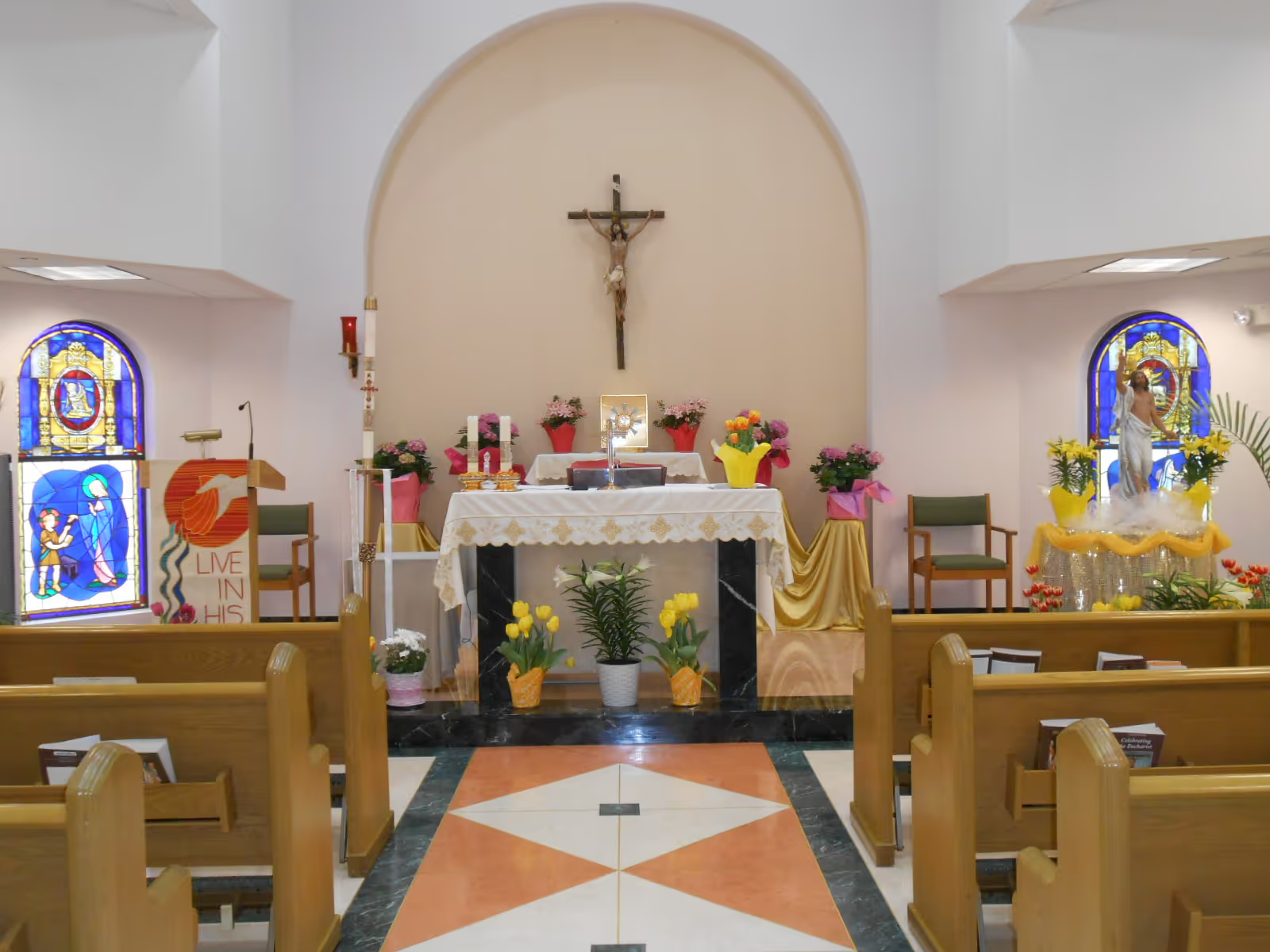
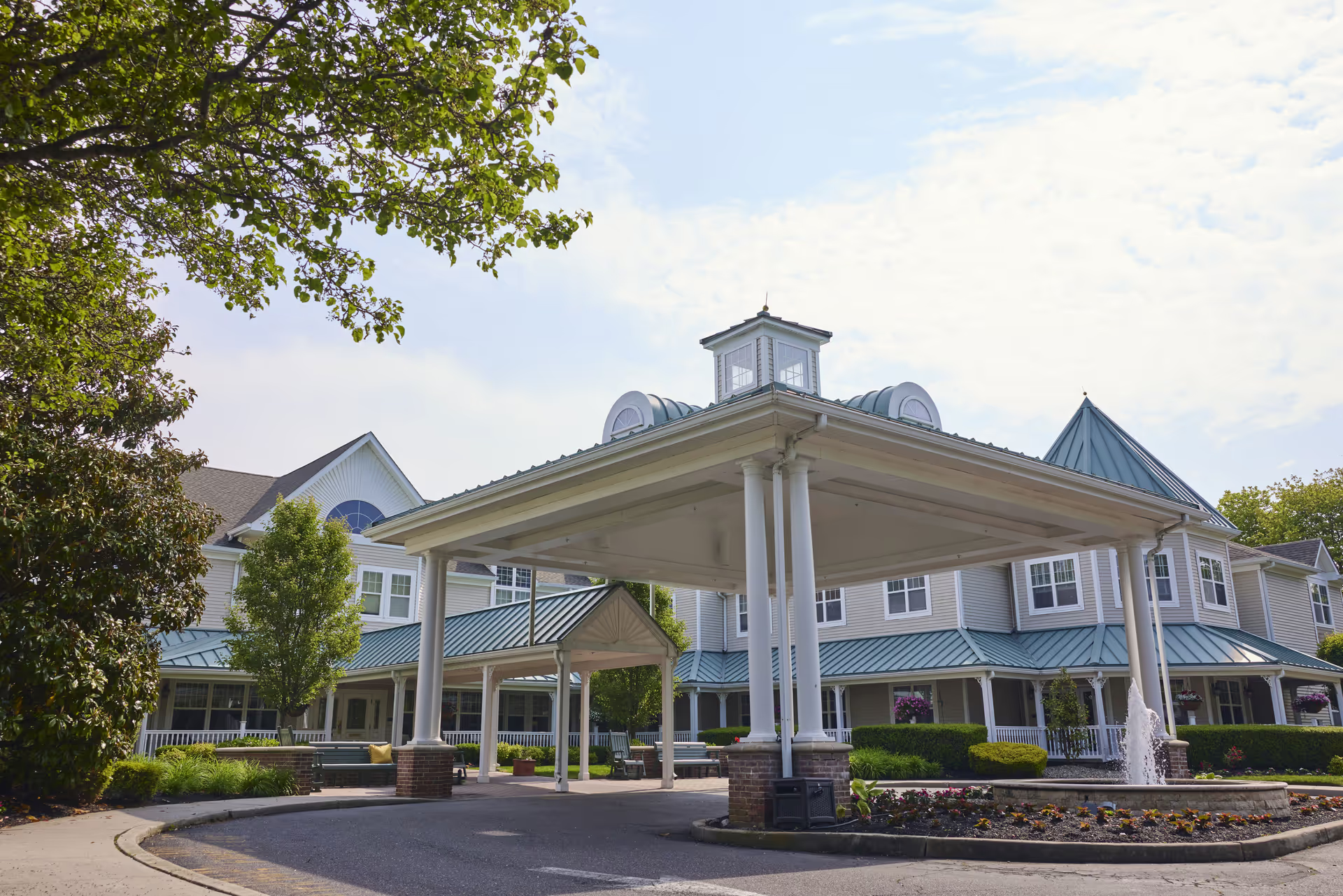
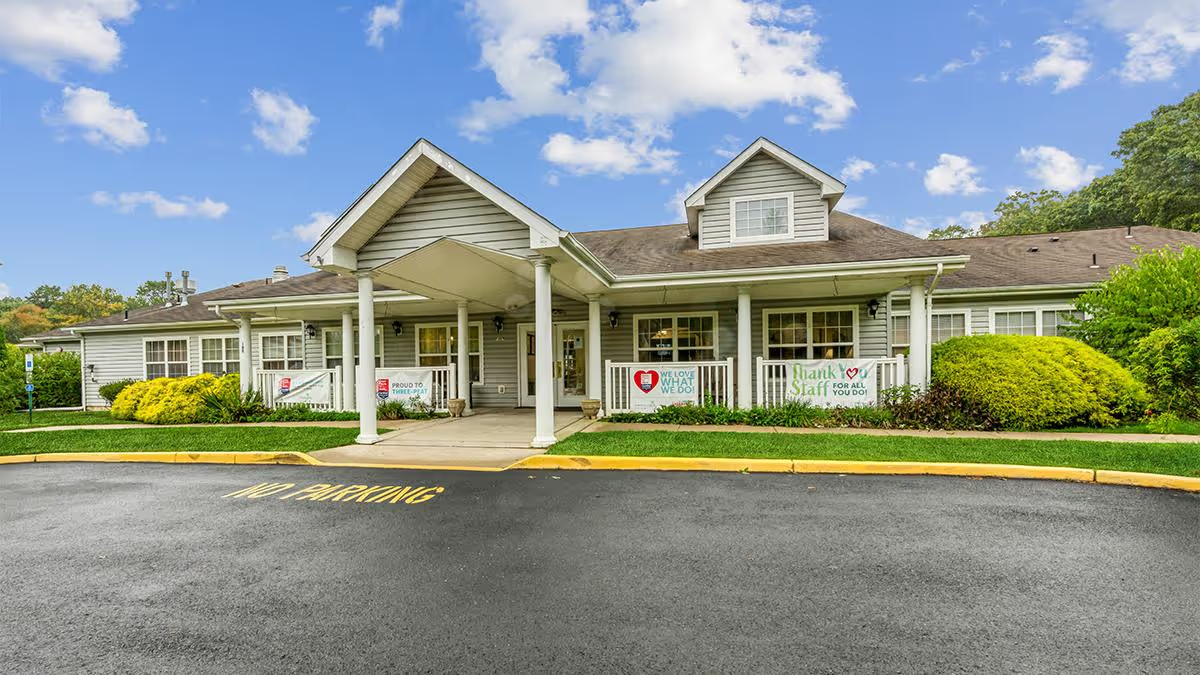
This body of reviews presents a mixed but consistent picture of clinical strengths paired with operational weaknesses. The facility receives strong, recurring praise for its rehabilitation services: physical, occupational and speech therapy teams are commonly described as skilled, communicative and effective in helping residents make measurable progress. Many families and residents also highlight compassionate, attentive aides and nurses, a clean and tastefully decorated environment, private-room availability, a welcoming admissions desk, and an on-site chapel that supports a faith-based atmosphere. Social work and case-management support, transportation assistance, and an engaging activities program are additional positive features cited by multiple respondents.
Despite these strengths, there are repeated operational concerns that prospective families should evaluate. The dominant pattern involves inconsistent responsiveness from nursing and clinical staff, often described as long response times to calls and delayed assistance with personal care. Reviewers link these responsiveness problems to understaffing and staff turnover. Related operational issues include lapses in medication administration and charting, uneven incontinence-care and bathing schedules, and gaps in transfer and fall-prevention processes. Several comments describe discharge-planning shortfalls that required family members to fill care gaps during transitions home.
Communication and administrative processes emerge as another clear area of variability. Families praised specific admissions and front-desk employees but also reported poor phone accessibility, slow application processing, and inconsistent communication of test results and medication guidance. A small but serious subset of reviews raises allegations of personal-property loss and withheld prescriptions; these items suggest the need to review the facility’s personal-property safeguards and pharmacy/medication controls and to check regulatory/inspection records.
Dining and housekeeping impressions are mixed. Many reviewers appreciated a clean facility, attractive common areas and some positive dining experiences, including good coffee and attentive food service staff. However, others raised concerns about inconsistent meal quality and temperature control, and some noted cleanliness or sanitation concerns in particular instances. Activity programming and therapy-driven social engagement are generally reported positively and contribute to a family-like culture in many units.
Management and staff culture appear heterogeneous: specific employees and teams are repeatedly named for exemplary service, while other accounts describe variability in staff conduct and requests for better training. A few reviewers reported aggressive customer-service interactions related to feedback or ratings, indicating that how the facility handles complaints and reviews may be an area for improvement.
For prospective residents and families: weigh the facility’s strong rehabilitation capabilities, supportive social-work services, and many reports of compassionate direct-care staff against the documented operational risks. Recommended due diligence includes an on-site visit; asking about current staffing ratios and turnover; inquiring about medication-administration and charting protocols; reviewing property-safeguarding policies; clarifying infection-control and visitation procedures; and checking recent inspection or complaint histories. These steps can help determine whether the facility’s therapy and pastoral strengths align with a prospective resident’s clinical and safety needs.