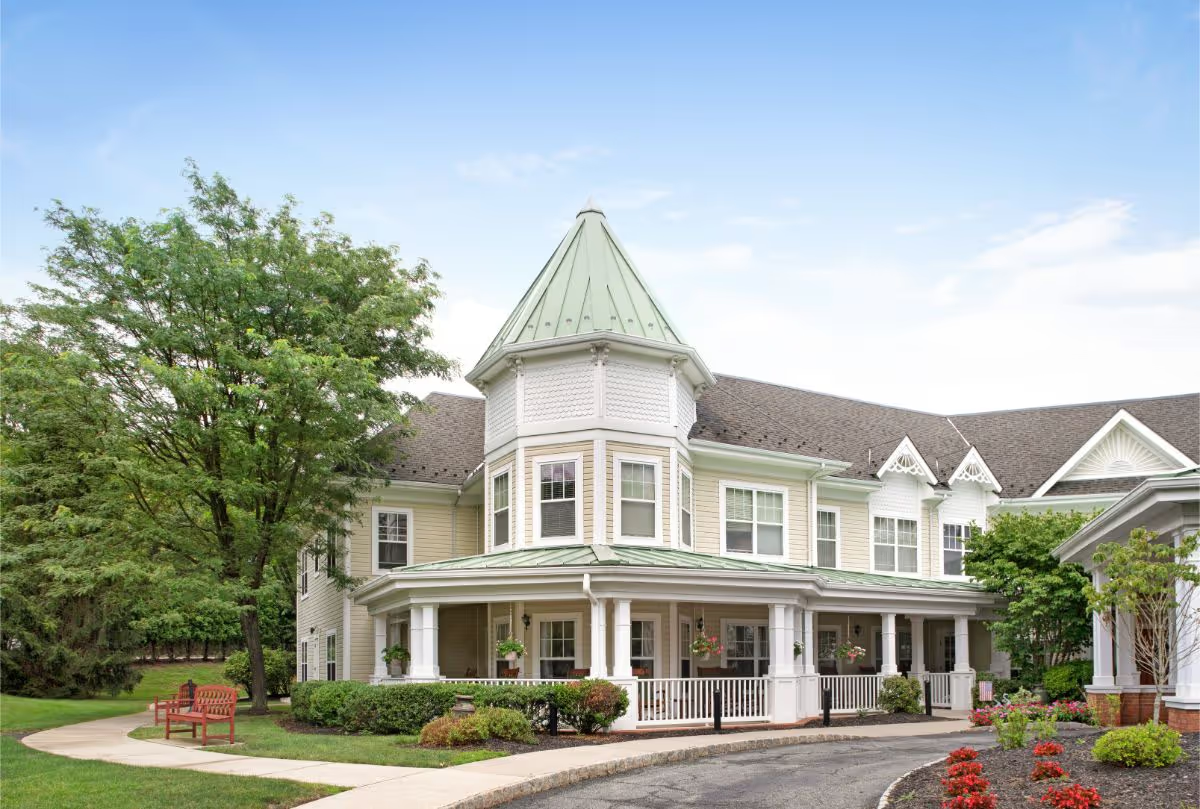
Cedar Crest presents as a large, well-appointed senior living campus with a resort-like appearance and extensive resident amenities. Strengths repeatedly cited include spacious, recently renovated apartments with private kitchens, meticulously maintained grounds, and a broad suite of on-site features — indoor pools, multiple gyms, a theater, salons, chapel, library, and dedicated recreational spaces. The campus model supports multiple levels of care (independent living through hospice) and includes on-site medical resources and transportation services, which many families find convenient. The community atmosphere and active social calendar — classes, clubs, outings, and various exercise options — are viewed positively by residents who seek an engaged lifestyle.
Feedback on staff and direct care is mixed. Numerous accounts describe helpful, courteous, and compassionate staff members and meaningful moments of family support during end-of-life care. At the same time, there are recurring concerns about insufficient direct-care staffing during certain shifts and delays in attending to care needs. Communication pathways between families and clinical or administrative teams appear inconsistent; several notes point to a lack of a single, reliable family contact and occasional unclear follow-through. These operational gaps can affect perceptions of care continuity, particularly for residents who require more hands-on assistance.
Dining is a prominent feature of the campus — multiple dining venues, varied menus, and formal meal programs are available. Many residents praise the food and dining atmosphere; however, reviewers also describe inconsistent meal temperatures and occasional failures to adhere to specific dietary instructions. Activity programming is broad and well-resourced, with many exercise, arts, and social opportunities. That said, some families describe activity offerings as surface-level or limited in terms of deeper social engagement, and there are occasional instances of class cancellations or misrepresented programming.
Management and financial practices are a notable area of concern. Several comments highlight high entrance fees, substantial monthly costs, and refund processes tied to occupancy waitlists that can result in long processing times. Sales and fundraising approaches are described by some as opaque or aggressive, and a few accounts reflect dissatisfaction with how financial matters are explained. Navigation and personalization issues related to the facility’s large campus are also mentioned: the scale supports many services but can feel impersonal and difficult to traverse for some residents.
In summary, Cedar Crest is well suited to older adults seeking an activity-rich, amenity-heavy independent living experience with the option to transition within a single campus. Prospective residents and families should weigh the facility’s strong physical environment, programming, and on-site services against operational considerations: confirm staffing patterns and response expectations for higher-acuity care, clarify billing, entrance-fee and refund mechanics in writing, and request a clear point of contact for ongoing communication. A careful visit, direct questions about care staffing ratios, and reviewing contract and refund terms will help determine whether Cedar Crest aligns with an individual’s clinical and financial needs.