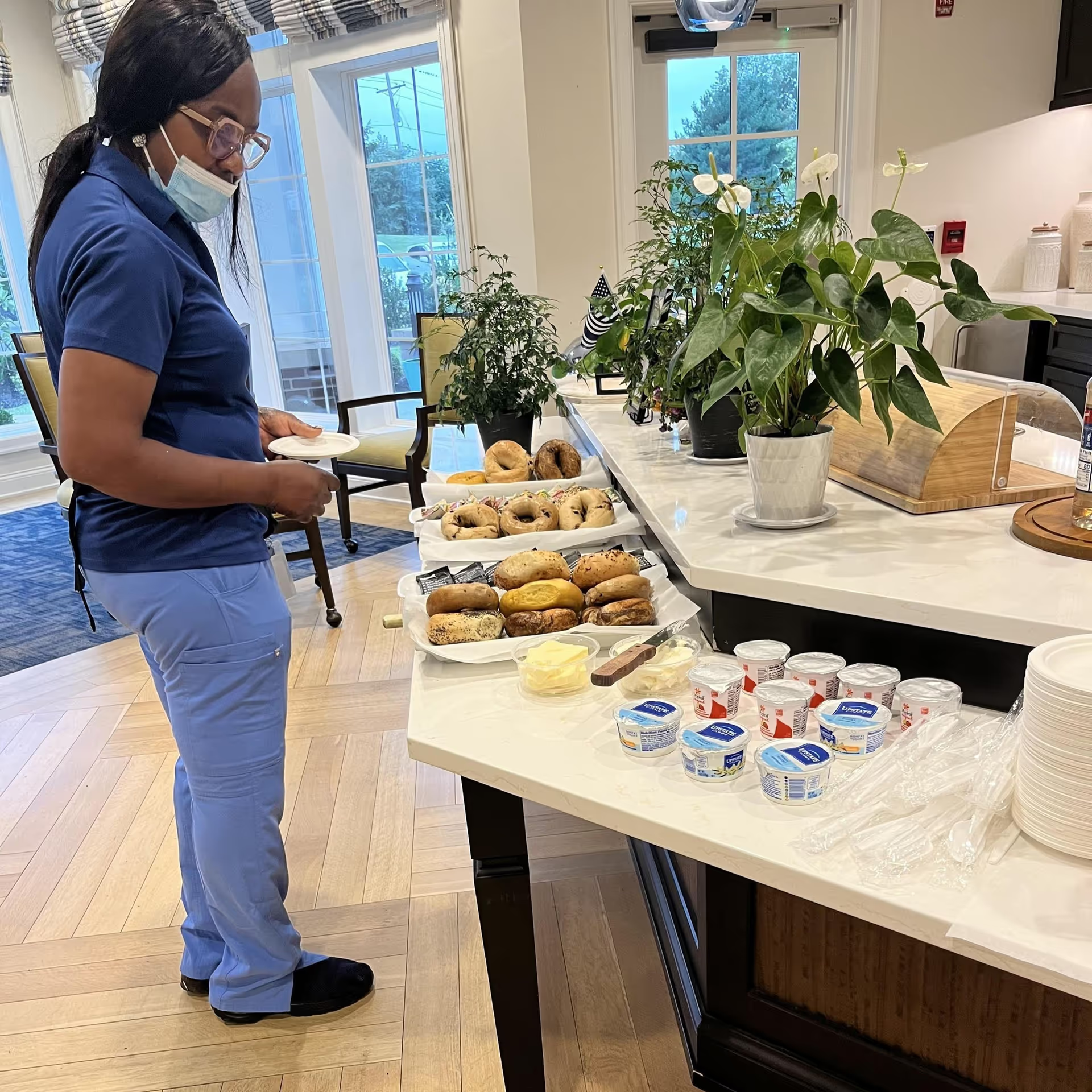
Riverview Estates presents a mixed but distinct profile: many families and residents praise the facility for its compassionate staff, strong rehabilitation services, and active social programming, while others describe operational weaknesses that merit close scrutiny during a tour. The campus’s historic, riverfront setting — including porch, atrium, and waterfront views — and recent renovations contribute to a pleasant physical environment. Reviewers commonly highlight a warm, family-like atmosphere, frequent musical and social events, faith-based programming, and restaurant-style meals that support social dining and engagement.
Care quality and staffing show a bifurcated pattern. Assisted-living and short-stay/rehab areas receive consistent positive feedback for attentive aides, strong PT/OT teams, and good post-surgical outcomes. Several accounts cite rapid therapy progress, courteous nursing support, and effective emergency communication. Conversely, reviews indicate that care in the nursing or long-term skilled units can be less reliable; this includes concerns about timeliness of assistance, evening and weekend coverage, and uneven performance between shifts. Families should ask about unit-specific staffing ratios, supervision, and turnover when evaluating placement.
Operationally, recurring themes include variability in staff responsiveness and communication tone, occasional medication-administration delays, and problems with systems that affect daily living: resident-call reliability, laundry and linen management, and controls around personal possessions. Sanitation and pest-control concerns were raised for particular areas rather than described as facility-wide, and food quality was praised frequently but also described as inconsistent in variety or seasoning by some. These are system-level issues that can materially affect resident comfort and should be clarified with administration (including policies for infection control, laundry turnaround, and meal planning).
Management and administrative stability appear mixed. Some reviewers commend strong leadership, helpful admissions liaisons, and prompt billing/administrative support; others point to periods of managerial turnover, human-resources problems, and uneven responsiveness to family complaints. A few serious individual allegations — including missing personal items and concerns following a resident’s death — suggest the need for prospective families to inquire directly about security, inventory practices, incident reporting, and grievance resolution processes.
In summary, Riverview Estates may be a very good fit for prospective residents who prioritize rehabilitation services, active programming, a faith-based community, and a scenic campus. At the same time, families should conduct unit-specific assessments: tour the nursing unit if that level of care is needed, request staffing and medication-administration protocols, review laundry and belongings policies, and confirm evening/weekend coverage and the functionality of call systems. Those steps will help identify whether the facility’s strengths align with a particular resident’s clinical and personal needs.