Overall impression: Reviewers portray Artis Senior Living of Huntingdon Valley as a facility with strong person-centered strengths alongside some operational inconsistencies. Positive accounts consistently highlight compassionate, individualized caregiving, a family-like culture, visible clinical staffing, and a robust activity program. Several families praised the memory-care expertise, 24/7 nursing presence, and staff members who learn residents’ names and preferences.
Care quality and clinical operations: Many accounts describe attentive nursing and caregiving, proactive one-on-one support, and staff who go beyond task-based care to provide emotional support to residents and families. At the same time, there are recurring operational concerns: inconsistent responsiveness to non-urgent requests, variable weekend coverage, and instances where transfer or clinical-incident decisions were perceived as slow or unclear. These patterns suggest strengths in daily caregiving but opportunities to standardize incident-response protocols and family communication around clinical events.
Staff and management: The facility is frequently praised for warm, engaged staff and visible leadership involvement, including active life-enrichment direction. Staff across departments—nursing, culinary, front desk, and maintenance—are repeatedly singled out by name for positive contributions. Counterbalancing those endorsements are observations of uneven staff attentiveness (including mobile-device distraction at times), occasional rude interactions, and comments that sales/tour presentations can differ from the day-to-day experience. These points indicate generally strong culture and training, with occasional lapses in frontline conduct and alignment between marketing and lived experience.
Dining and activities: Dining receives largely favorable comments for appealing, restaurant-style meals and attentive culinary staff; several residents and families described meals as enjoyable and social. However, reviewers also noted occasional food-temperature issues and a few calls for menu upgrades. The activity program is a clear strength—diverse, frequent, and tailored to memory-care needs—with examples such as music hours, cooking classes, arts and crafts, and structured social opportunities. Some limitations were noted around activity restrictions and limited off-site outings, which may reflect policy, cohorting, or regulatory constraints.
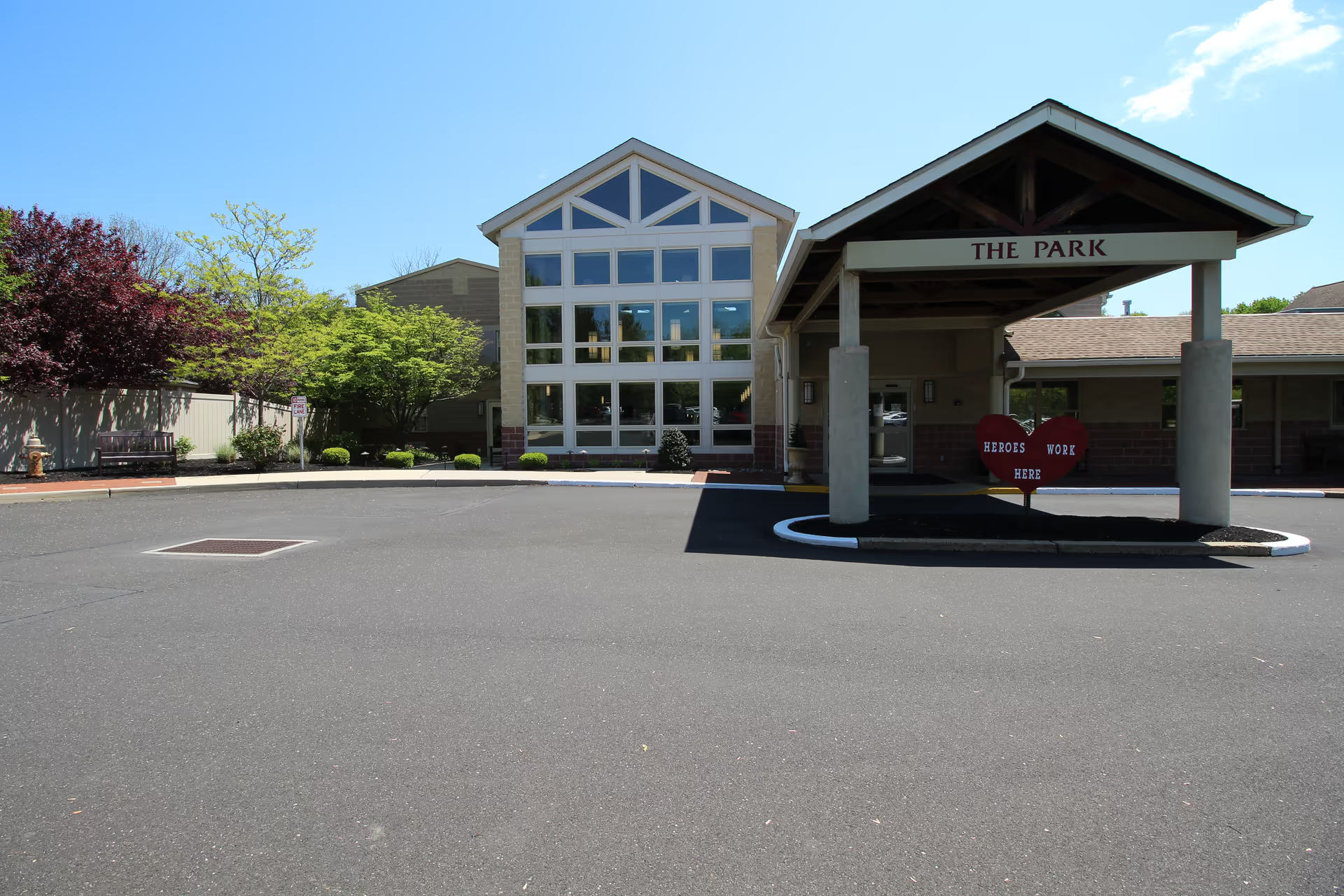
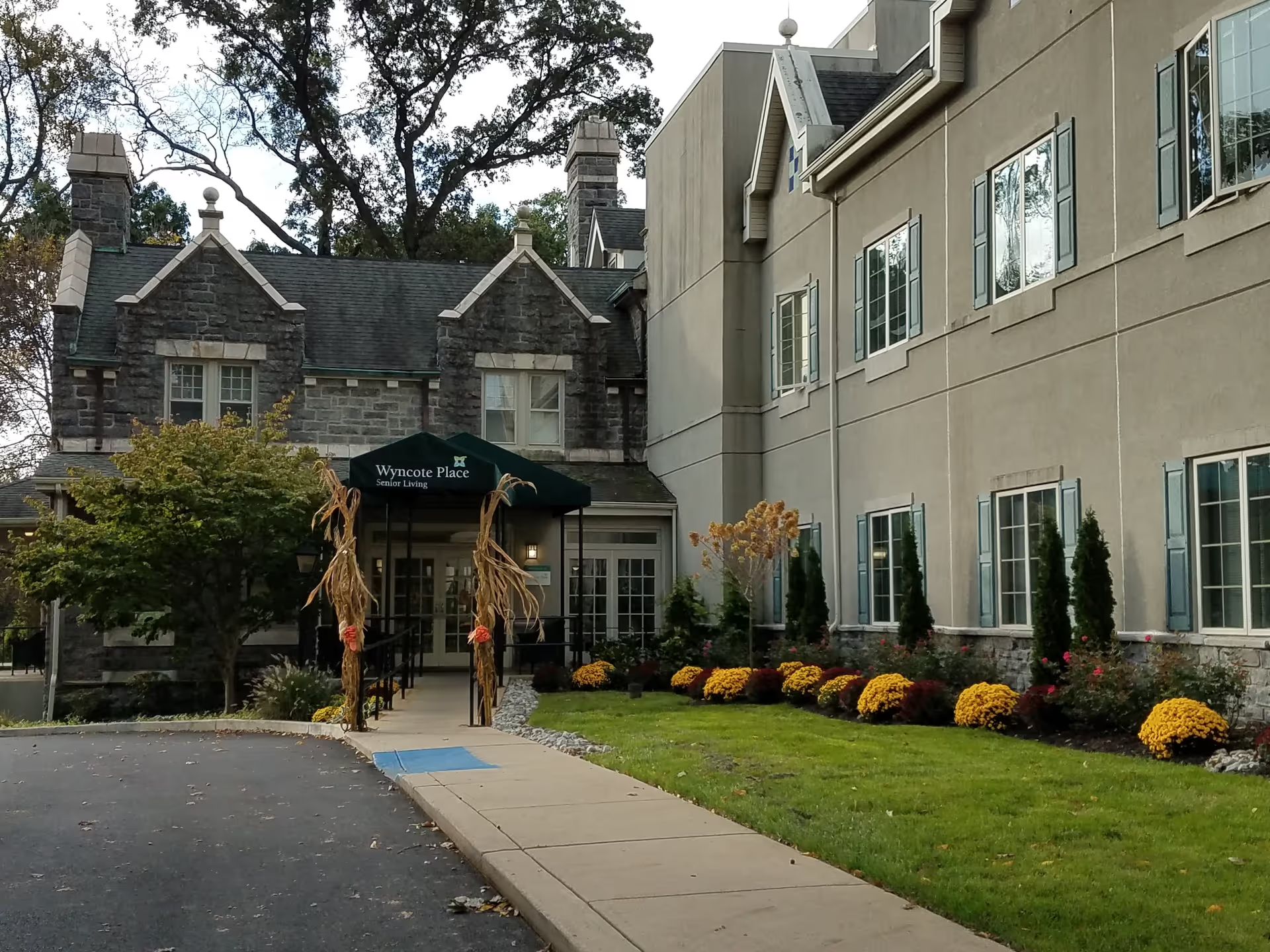
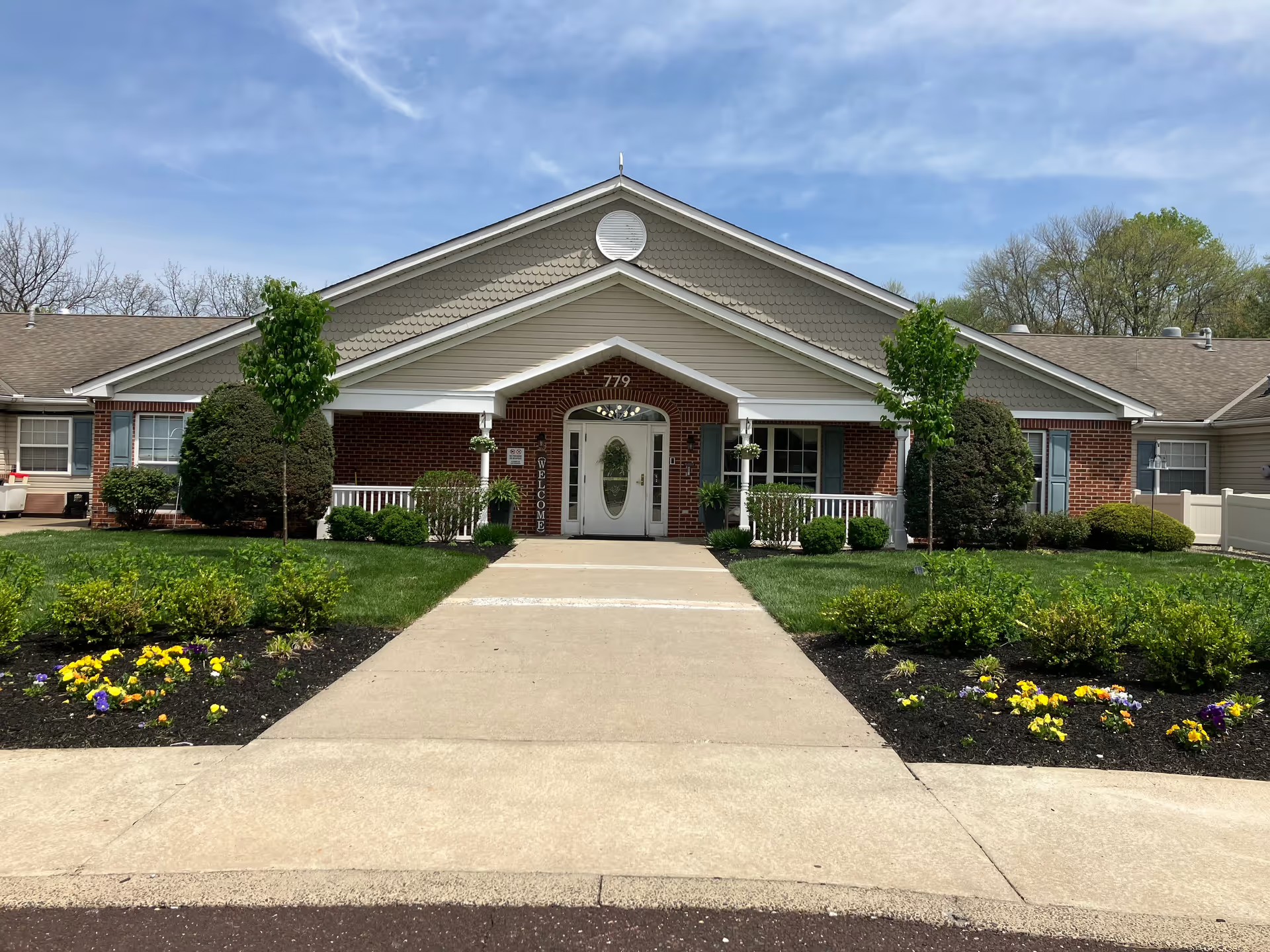
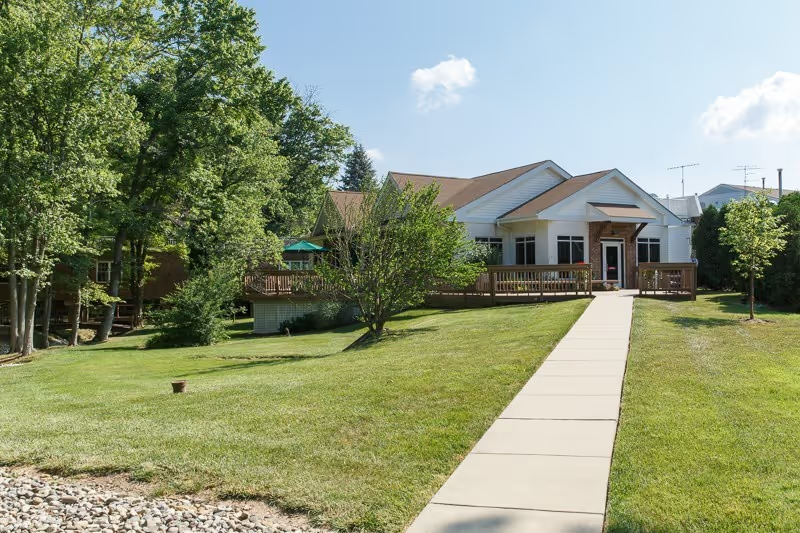
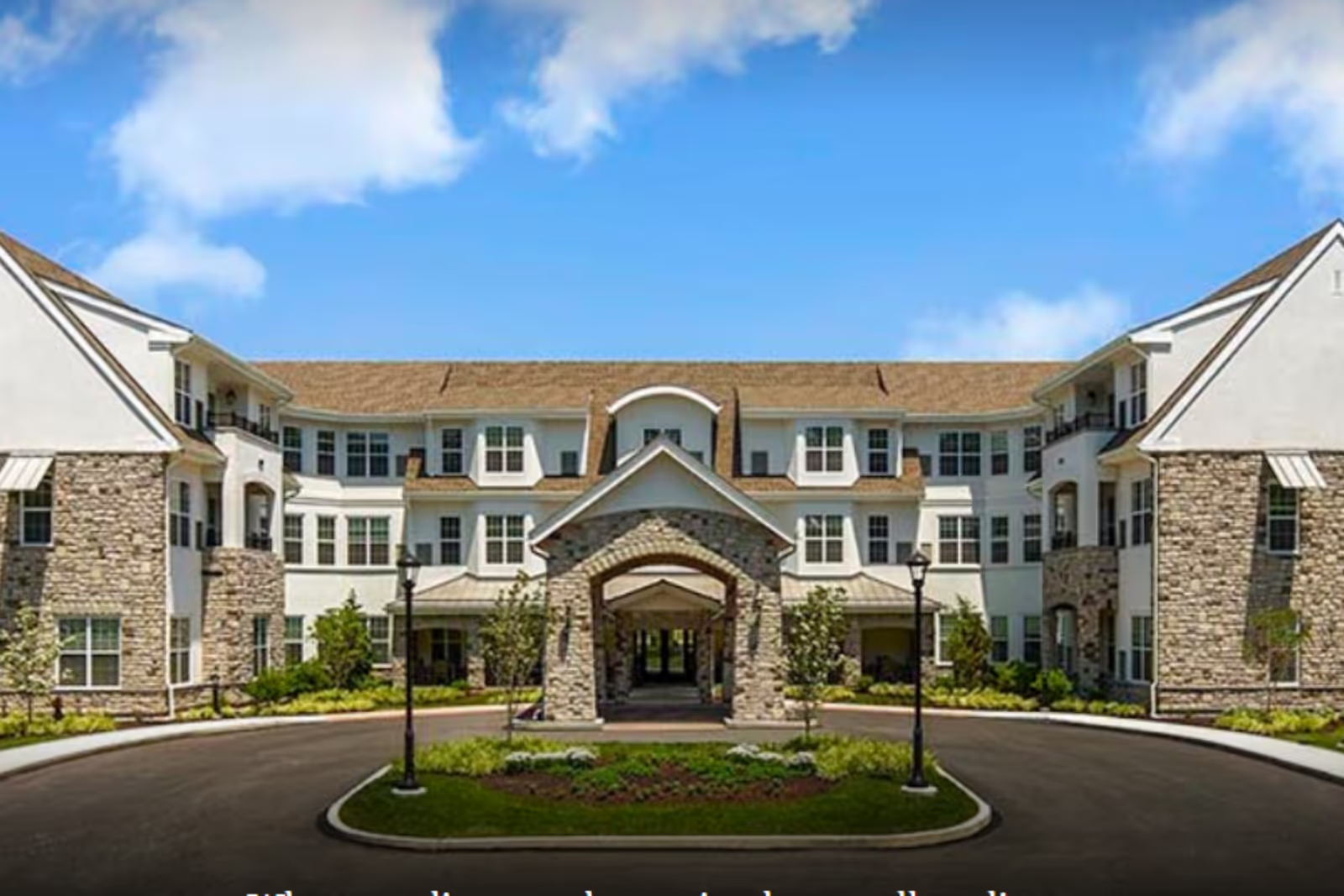
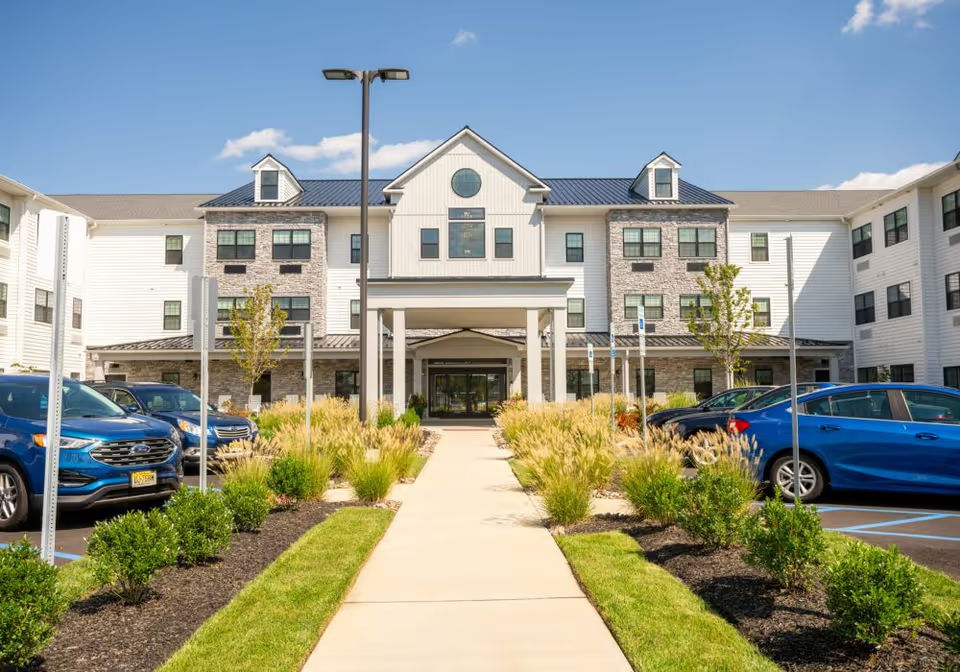
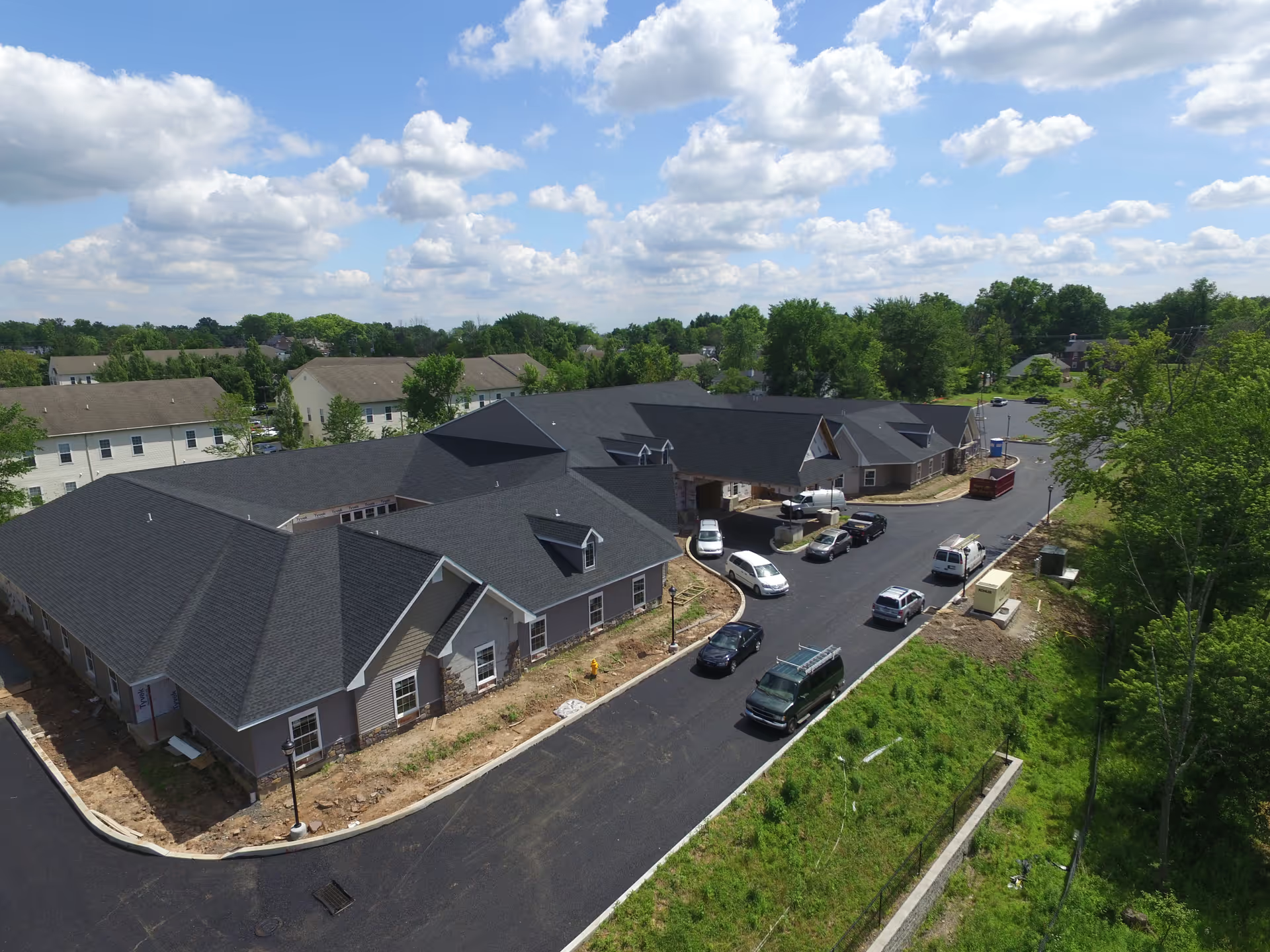
Facilities and logistics: The physical environment is described as clean, home-like, and well-maintained with comfortable common spaces, pod kitchens, and gathering rooms. Contrasting views include intermittent cleanliness or odor concerns in some areas, average private-room sizes, and occasional crowding in certain parts of the community. Operational issues such as laundry label wash-off and clothing mixups were mentioned, indicating room for improvement in personal-item tracking and laundry processes.
Costs, admissions, and notable patterns: Cost perceptions vary—several families find the community offers fair value for the level of care, while others cite affordability concerns. Admissions and move-in assistance are generally viewed as helpful and supportive. Notable recurring themes are very high marks for individualized attention and life-enrichment leadership, paired with facility-level operational weaknesses around consistency: responsiveness to non-urgent needs, weekend staffing variability, laundry controls, food-temperature consistency, and clarity in clinical-incident communication. Prospective families should weigh the facility’s strong caregiving culture and memory-care specialization against these operational trade-offs and seek specific information about staffing patterns, incident-response protocols, and personal-item procedures during a tour.