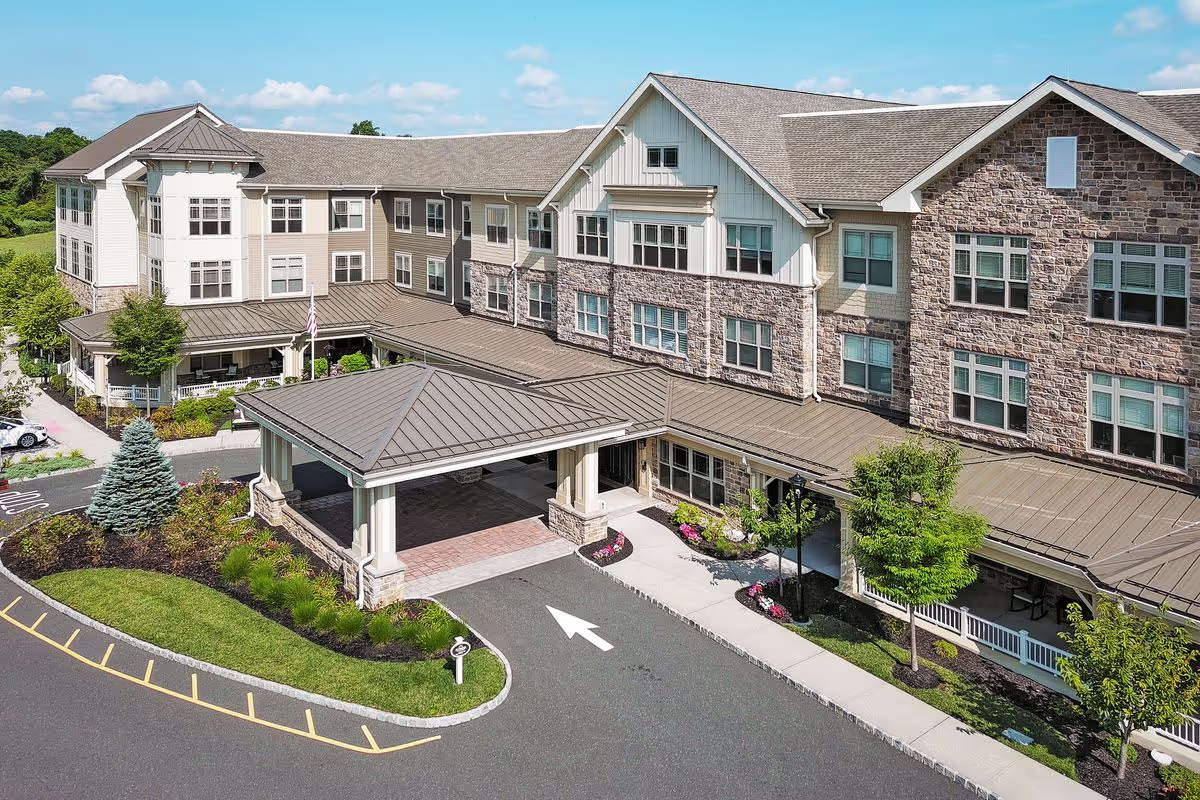
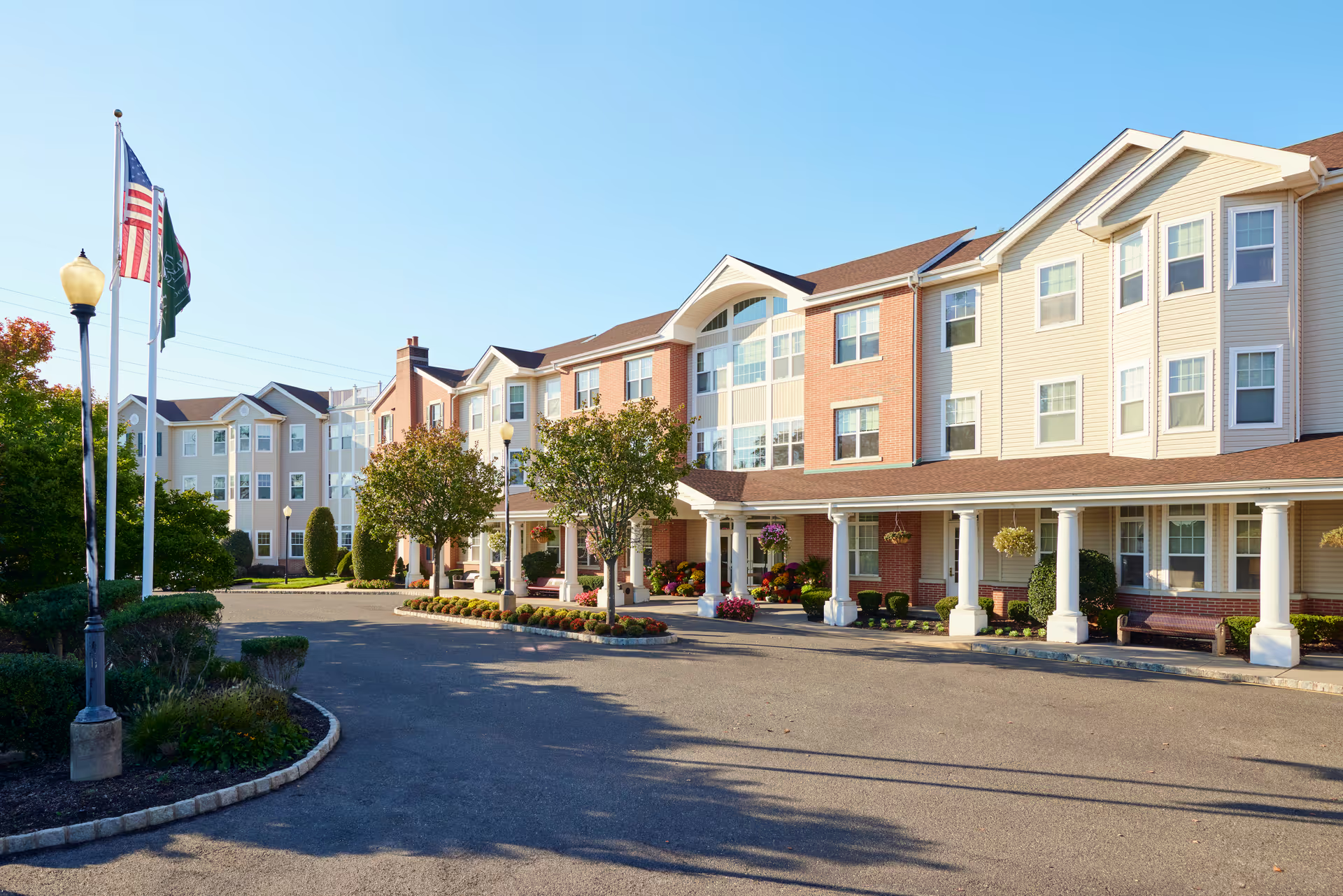
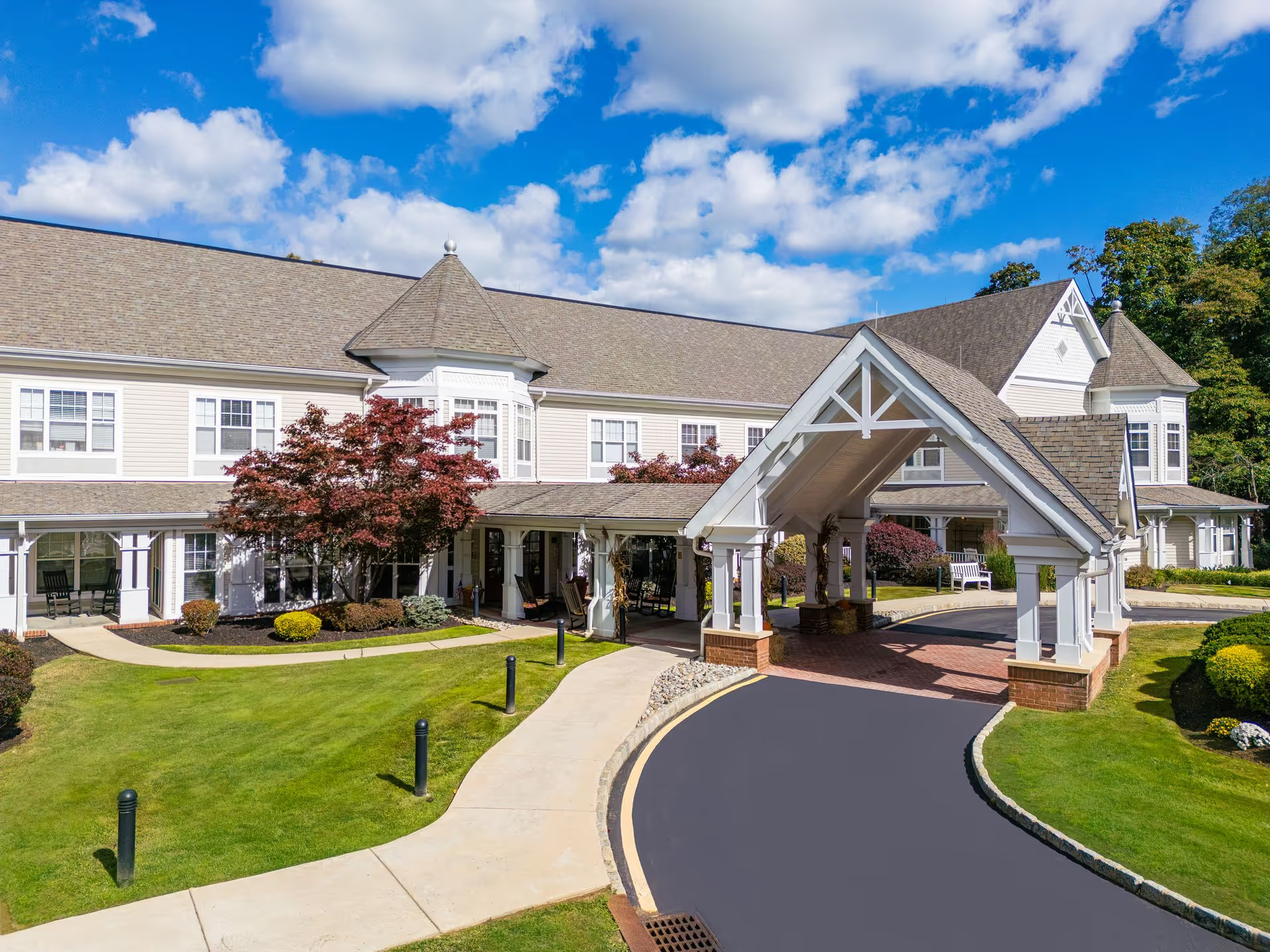
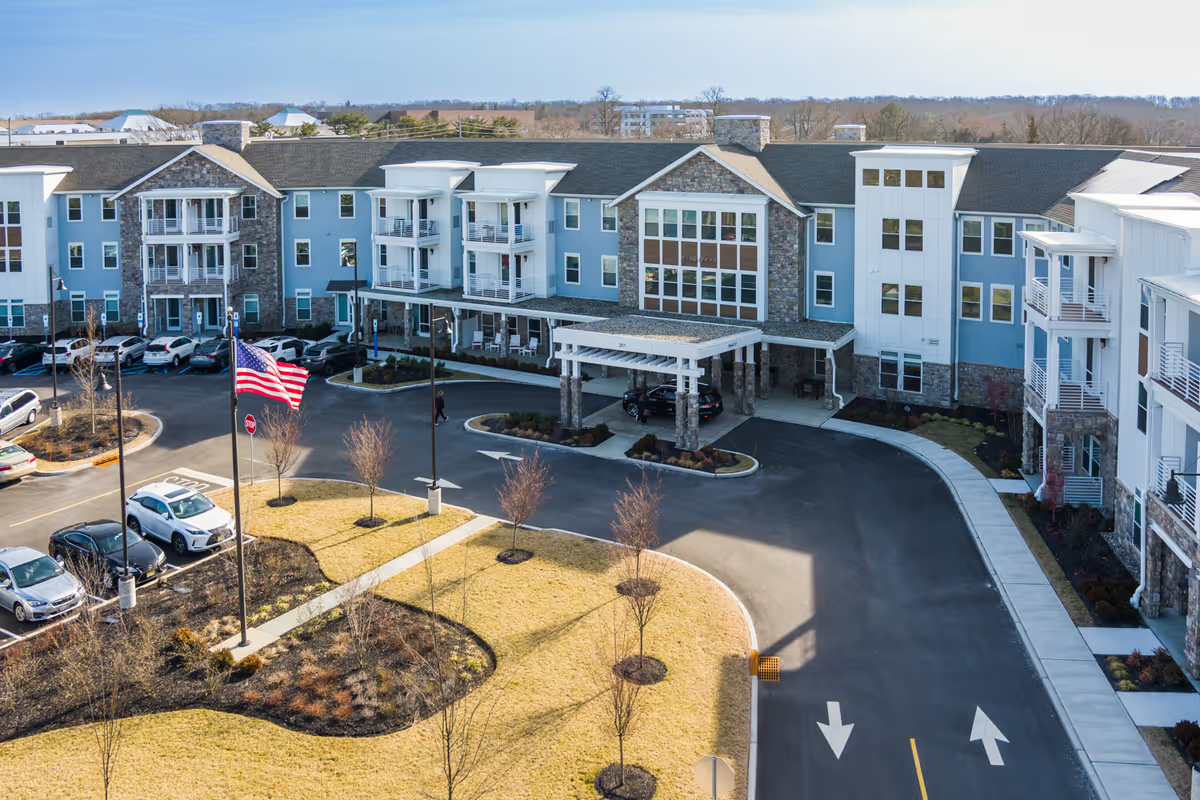
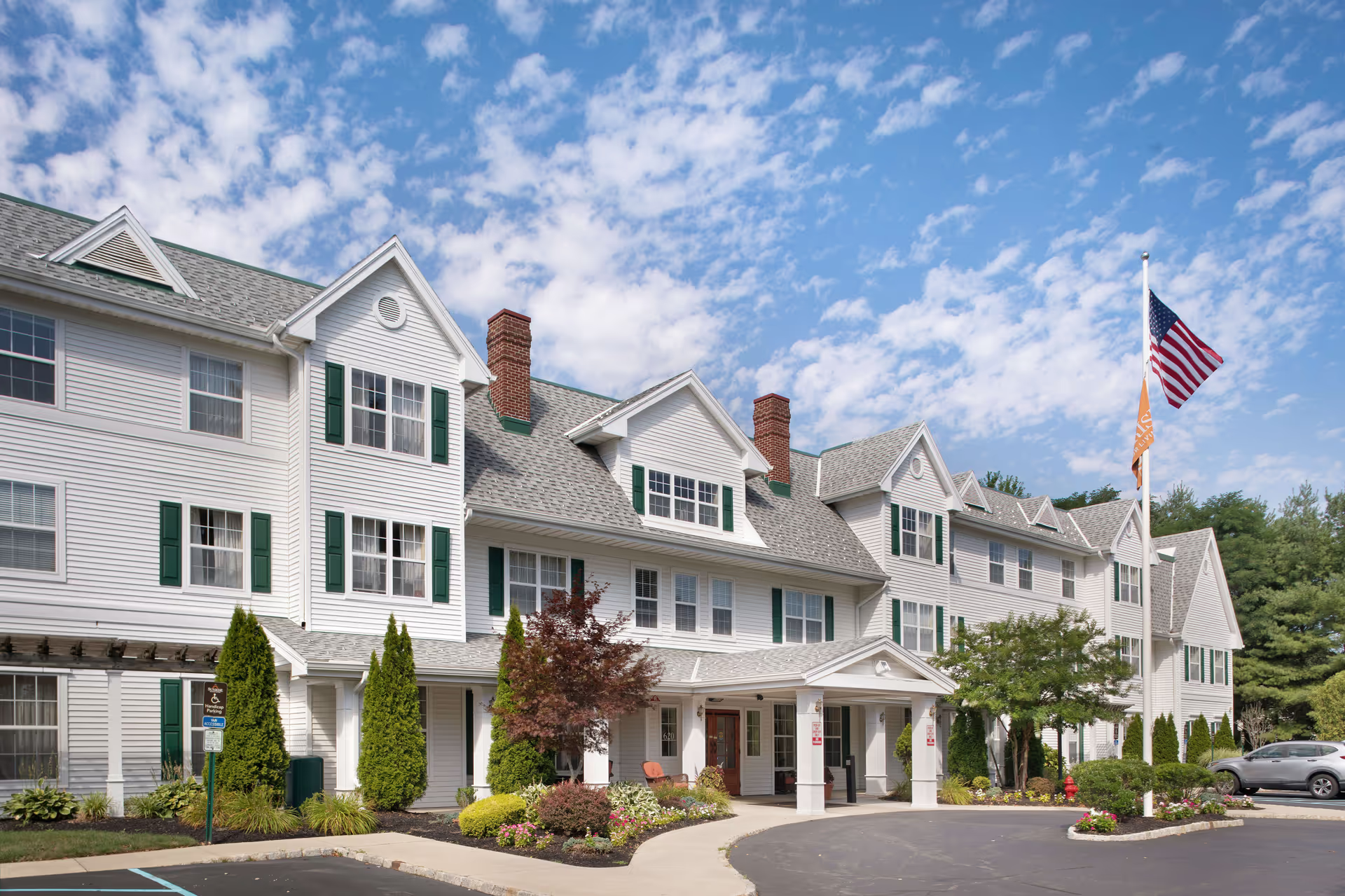
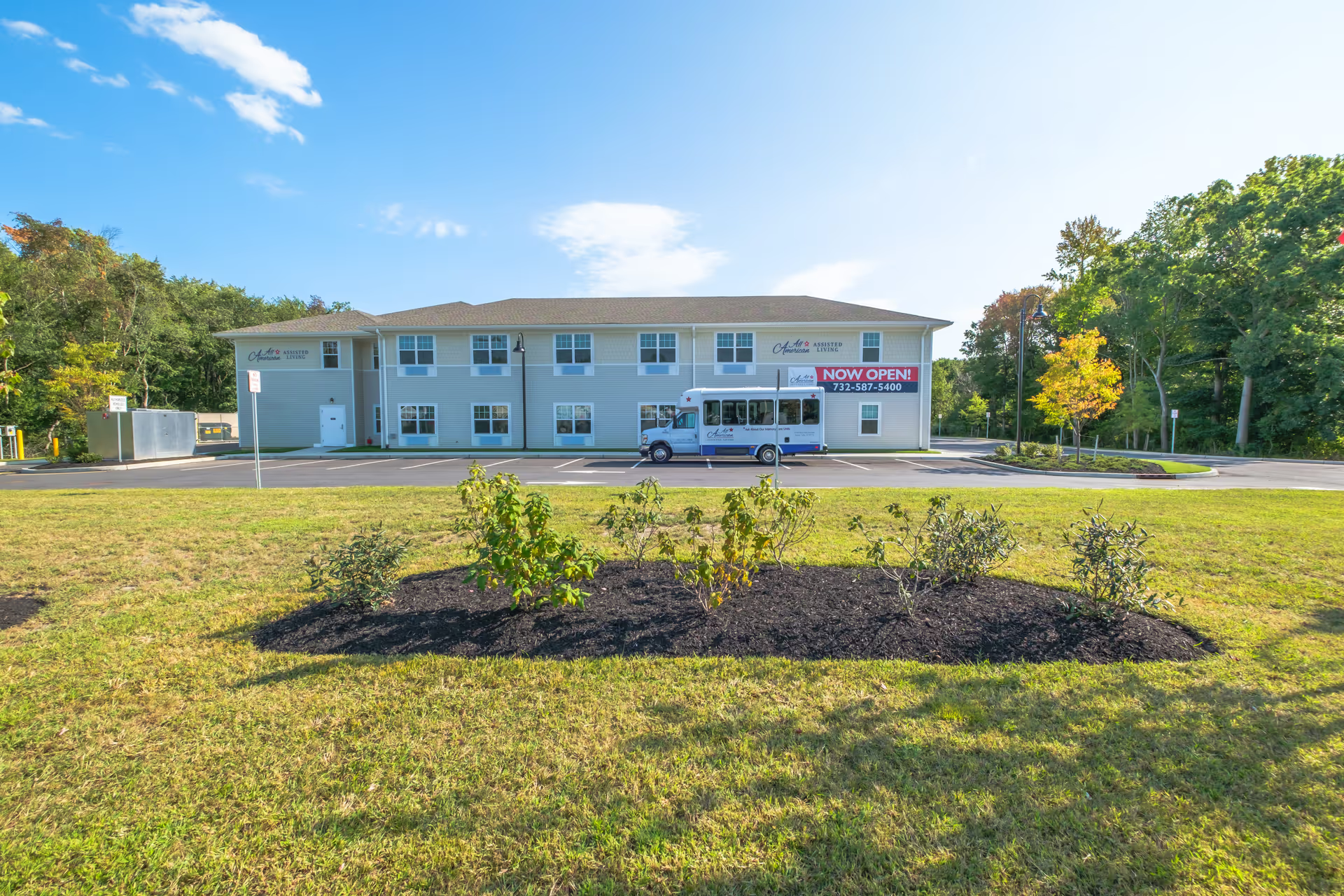
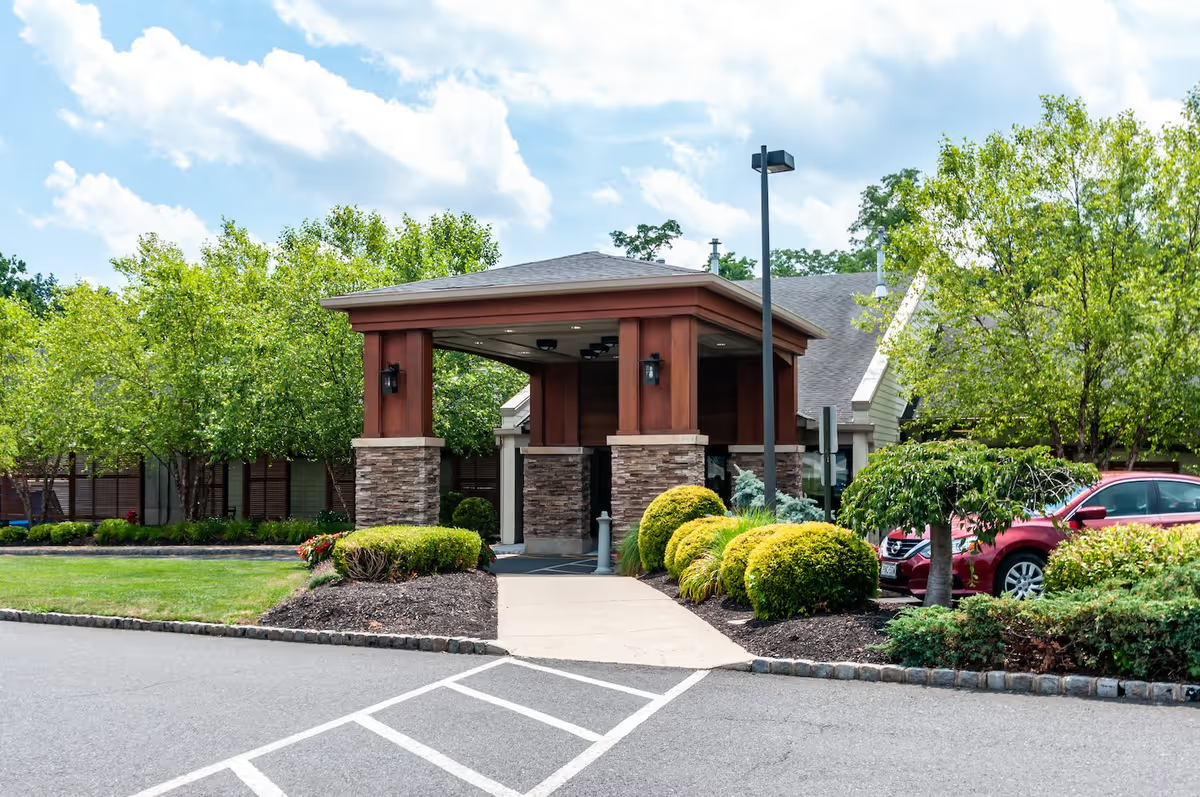
The collected summaries portray a facility with clear strengths in appearance, programming, and individualized staff-resident relationships, alongside recurring operational weaknesses that can materially affect resident experience. Many families praise the building’s design and décor, describing bright, well‑maintained common areas and a hotel-like ambiance. Activity programming, fitness classes, live entertainment, and specialty memory-care offerings are frequently cited as contributors to resident engagement and quality of life. Numerous reviewers highlight caring, professional nurses and caregivers who create a compassionate daily environment for many residents.
At the same time, a substantial cluster of concerns centers on reliability and consistency of care. Review narratives indicate variable staffing levels and notable turnover, which correspond with described gaps in routine care delivery such as inconsistent bathing schedules, missed medications or meals, and delays responding to calls for assistance. There are also reports that suggest shortcomings in fall-prevention and transfer-safety practices. These operational weaknesses have led some families to involve hospice or seek external oversight for end-of-life situations. Infection-control experiences are mixed: some reviewers describe clear communication and attentive protocols during pandemic-related events, while others recount outbreaks and quarantine handling that left families dissatisfied.
Facility features create both positives and negatives. The interior environment and amenities are frequently commended—clean, bright, and tastefully appointed spaces—yet the outdoor amenities attract criticism. Outdoor seating areas are described as small or enclosed, with high fencing and sun-exposure or highway noise that reduce usability and comfort. Additional practical issues include intermittent room-amenity maintenance gaps (phone and TV hookups) and front-desk or telephone communication failures that have impeded family contact at times.
Dining and management are areas of notable variability. Several reviewers praise the overall operations and leadership for responsiveness and compassionate management; others describe rude or unresponsive front-desk interactions and unstable leadership that coincide with quality lapses. Food quality comments are mixed, with some families satisfied and others dissatisfied. Memory-care impressions are also inconsistent: a dedicated Memory Care Unit and some specialized programming receive praise, while other accounts describe subpar experiences in that area.
Taken together, the pattern is one of polarization: many families report strong, attentive caregivers and an attractive, activity-rich environment that improves quality of life, while others report serious service reliability and communication problems that significantly affect resident care. Prospective residents and families should weigh the facility’s evident strengths in atmosphere and programming against the documented operational risks—particularly staffing consistency, response times, fall-prevention practices, outdoor amenity limitations, and recent infection-control outcomes—when making a placement decision. It may be helpful to ask about current staffing ratios, recent incident and inspection records, outdoor access, fall-prevention protocols, maintenance turnaround for room amenities, and examples of family communication practices during a tour.