Overall impression: Reviews describe a facility with clear strengths in staff dedication, resident continuity, and a community-oriented atmosphere. Many accounts emphasize committed caregiving teams working behind the scenes, positive clinical outcomes, and a small-town, home-like social environment where long-term residents know one another and provide mutual support. Management is frequently characterized as fiscally responsible and professionally collaborative, which contributes to operational stability and high satisfaction for many families.
Care quality and staff: Praise centers on staff dedication, compassion, and professional interactions that produce favorable clinical results and continuity of care. At the same time, reviewers raise concerns about staffing sufficiency; staffing shortages appear to be a recurring operational issue that can affect timeliness and consistency of care. There are also reports indicating variability in nursing practices and responsiveness, suggesting unevenness in clinical delivery rather than a universal pattern of poor care.
Dining and housekeeping: The dining program elicits mixed feedback. While some find the food acceptable, others characterize meal quality as inconsistent and note dissatisfaction with menu execution. Housekeeping and sanitation also show variability: several comments reference cleanliness and maintenance issues in specific areas, indicating inconsistent implementation of cleaning protocols rather than a uniform facility-wide standard.
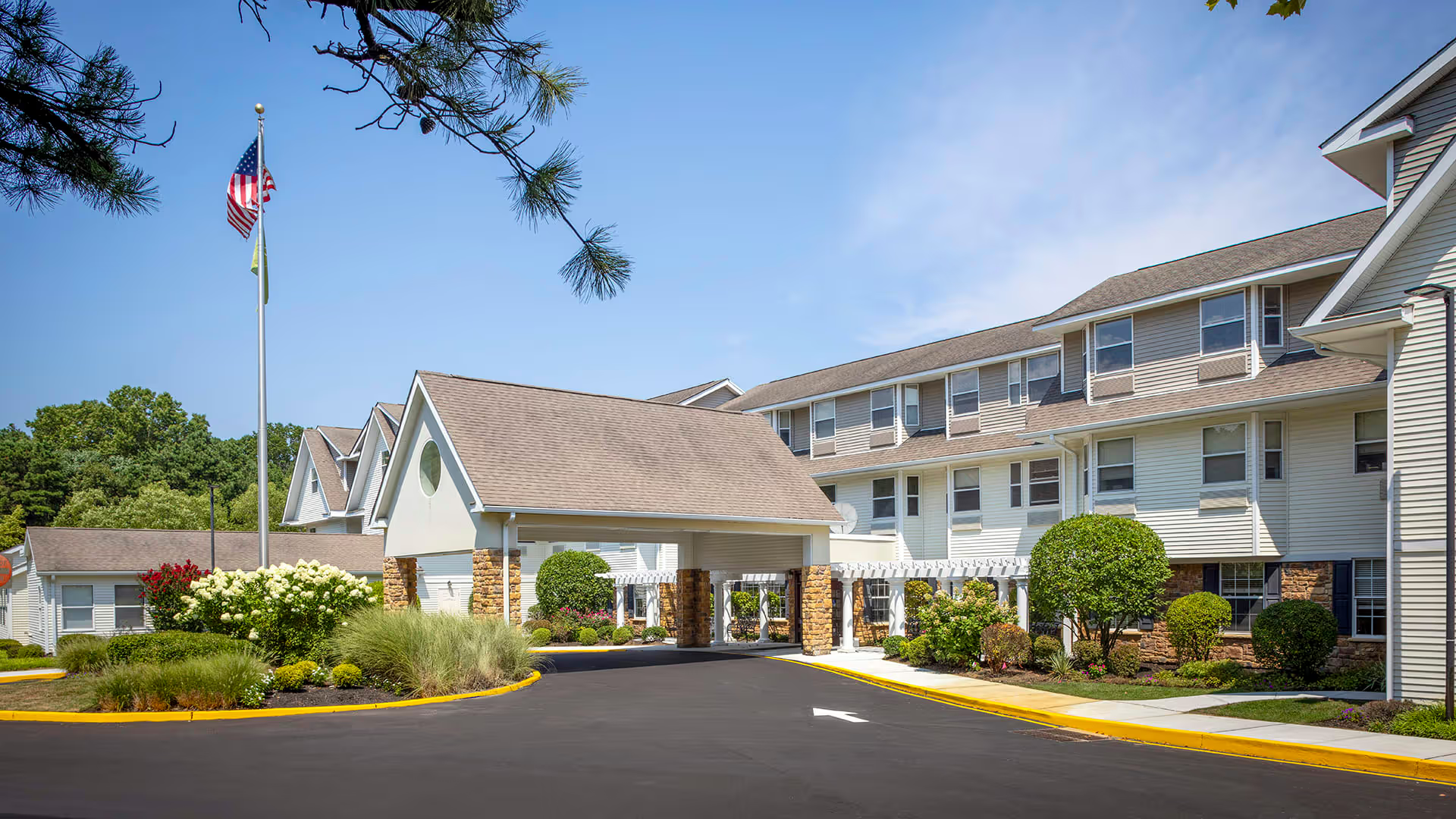
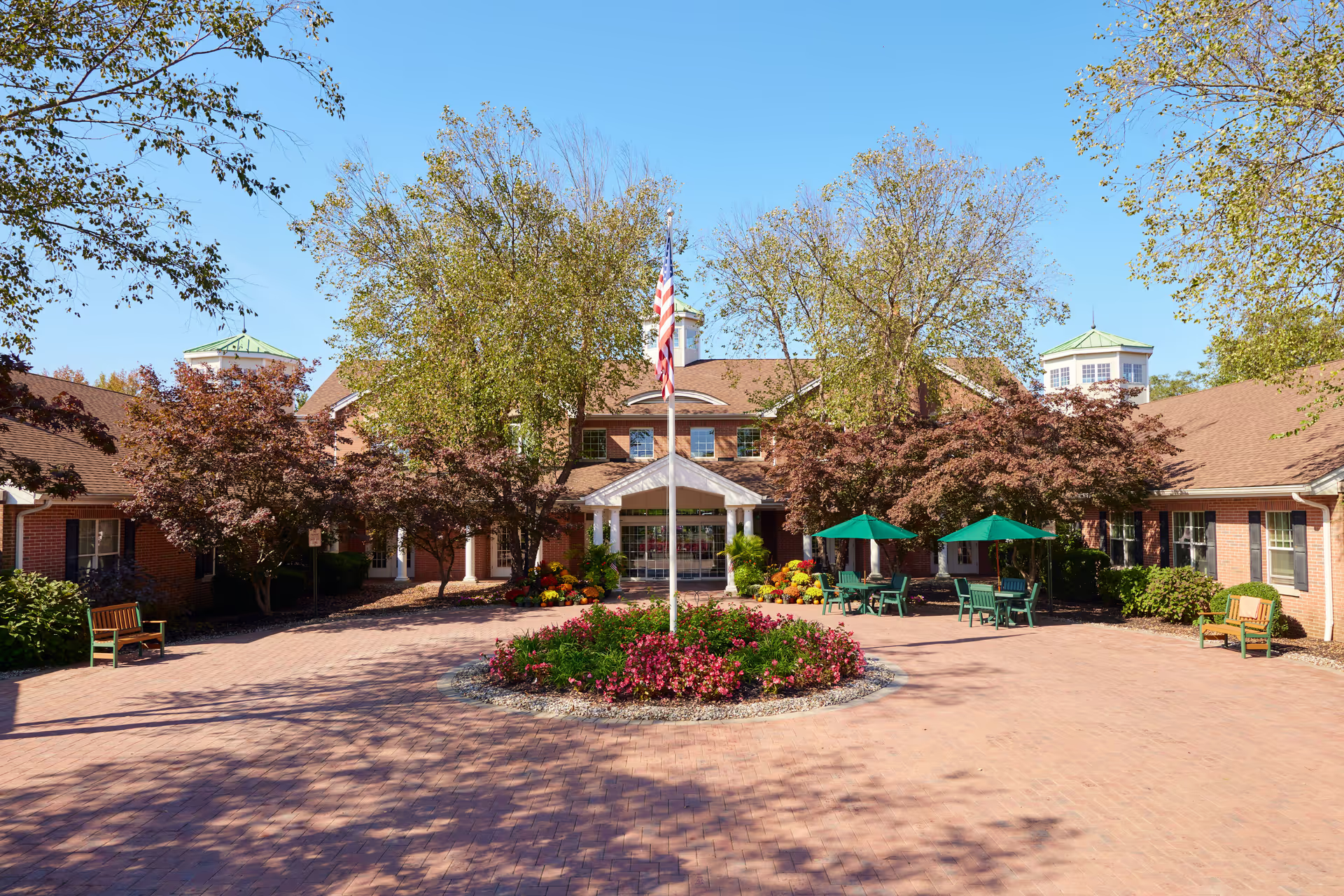
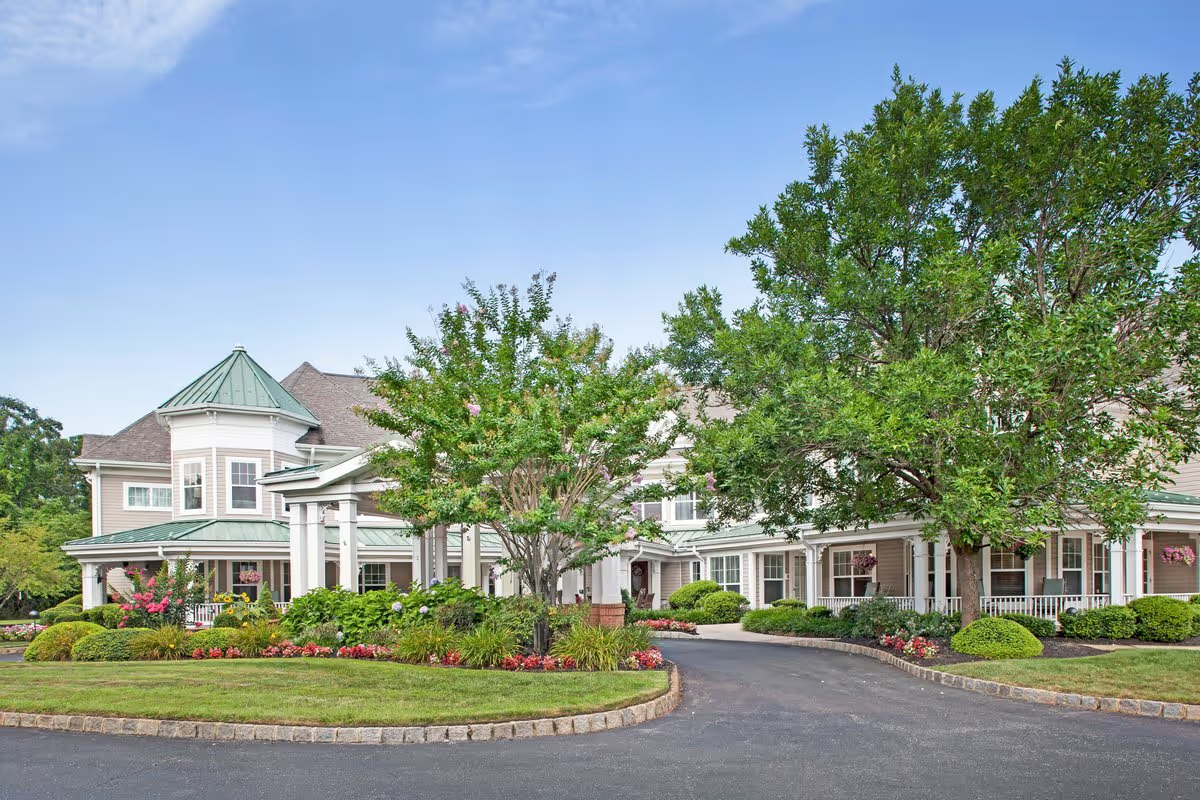
Activities, facilities, and visitor experience: The facility is credited with comprehensive on-site amenities and an environment that supports social connection and a calm resident experience. That said, practical visitor accommodations are limited in places (for example, seating availability), which can affect family visits. The overall atmosphere is viewed positively when the resident community is active and familiar; where operational gaps exist, they can undermine the day-to-day experience.
Safety and policy enforcement: Reviewers express safety-related concerns tied to environmental controls and policy enforcement. Examples referenced behaviors such as disabling alarms and in-room smoking; these point to gaps in smoke-control enforcement and in fire-safety monitoring that warrant attention. Such issues are operational in nature—relating to enforcement, monitoring, and resident supervision—rather than isolated personality conflicts.
Management and culture: Management receives credit for fiscal oversight and for being pleasant to work with, but there are indications of organizational politicization that can influence decision-making and staff morale. That dynamic may exacerbate operational inconsistencies in staffing, clinical practice, and policy enforcement.
Notable patterns and guidance: The most consistent themes are strong staff dedication and a valued community environment alongside operational weaknesses in staffing levels, consistency of nursing care, dining quality, cleaning, and enforcement of safety policies. Prospective residents and families should ask about current staffing ratios, clinical oversight protocols, housekeeping schedules, smoking and fire-safety enforcement measures, dining menus and feedback processes, and how management addresses organizational culture concerns. These targeted questions can help clarify whether the facility’s strengths are consistently realized and whether known operational gaps have been corrected or mitigated.