Complete Care at Milford Manor elicits a wide range of family experiences. A recurring strength is the direct-care workforce: many reviewers describe nurses and aides as compassionate, personable, and attentive. Rehabilitation services (occupational and physical therapy) are frequently cited as effective, and several families reported measurable mobility gains. The facility also offers a robust activity program — live entertainment, bingo, pet and music therapy, and social programming — and provides practical transition support such as Medicaid guidance and discharge planning.
Staffing and clinical care present a mixed picture. While numerous comments praise individual caregivers, therapists, and certain supervisors for professionalism and follow-through, other accounts indicate inconsistent responsiveness to call lights, delays in assistance, and concerns about medication administration and clinical coordination. A set of reviews describe care failures severe enough to require hospital transfer; these contrast with reports of consistently good clinical outcomes for other residents. Families considering this facility should ask specifically about staffing ratios, after-hours nursing coverage, medication reconciliation procedures, and protocols for escalation of clinical change.
Dining and activities are similarly variable. Several reviewers applaud generous portion sizes and accommodating food service, while others describe disappointing meal quality, mismatches between posted menus and actual meals, and limited therapeutic-diet execution (for example, diabetic menu needs). Activity offerings and communal spaces receive positive mentions for contributing to resident engagement and social connection.
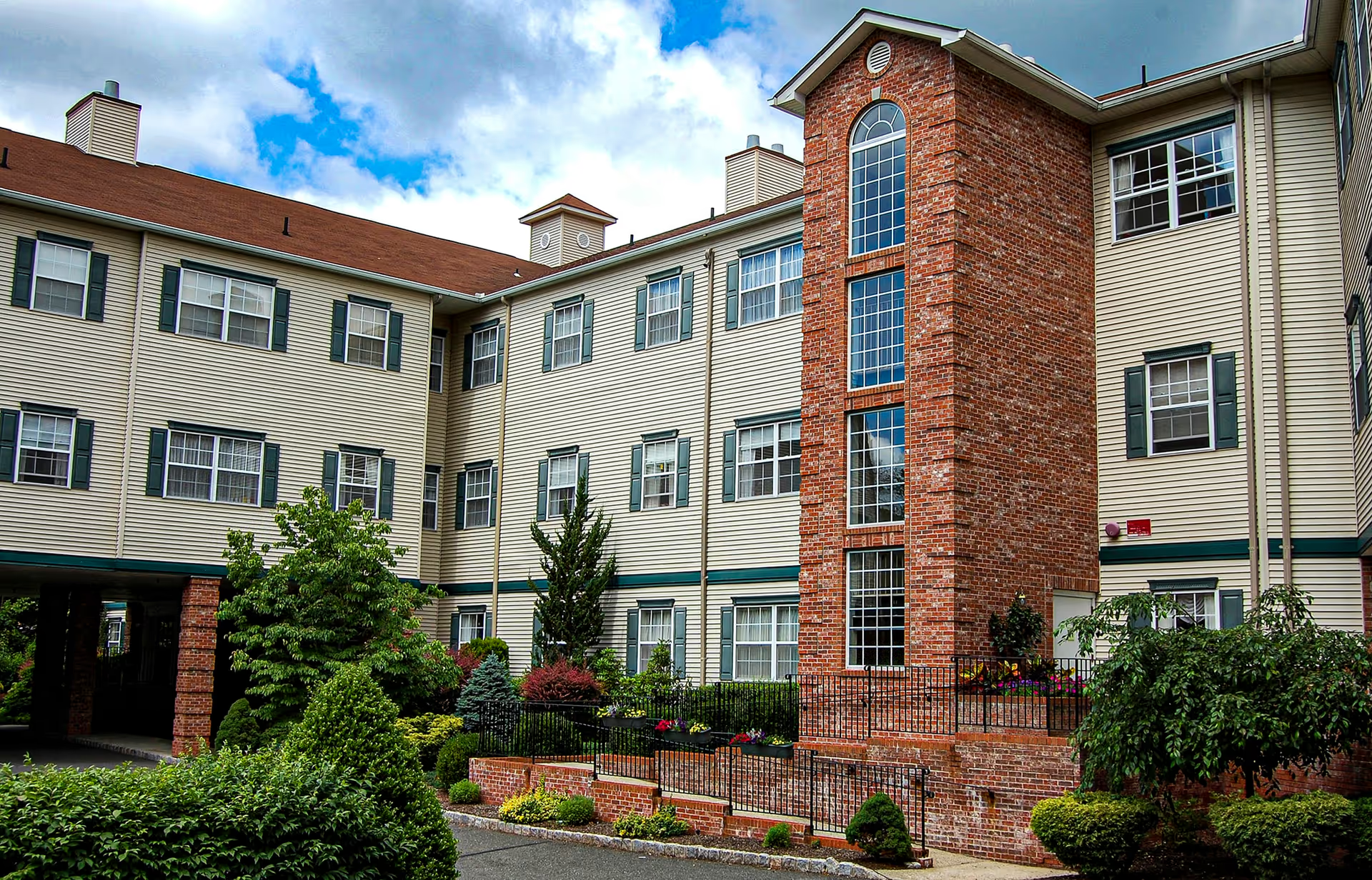
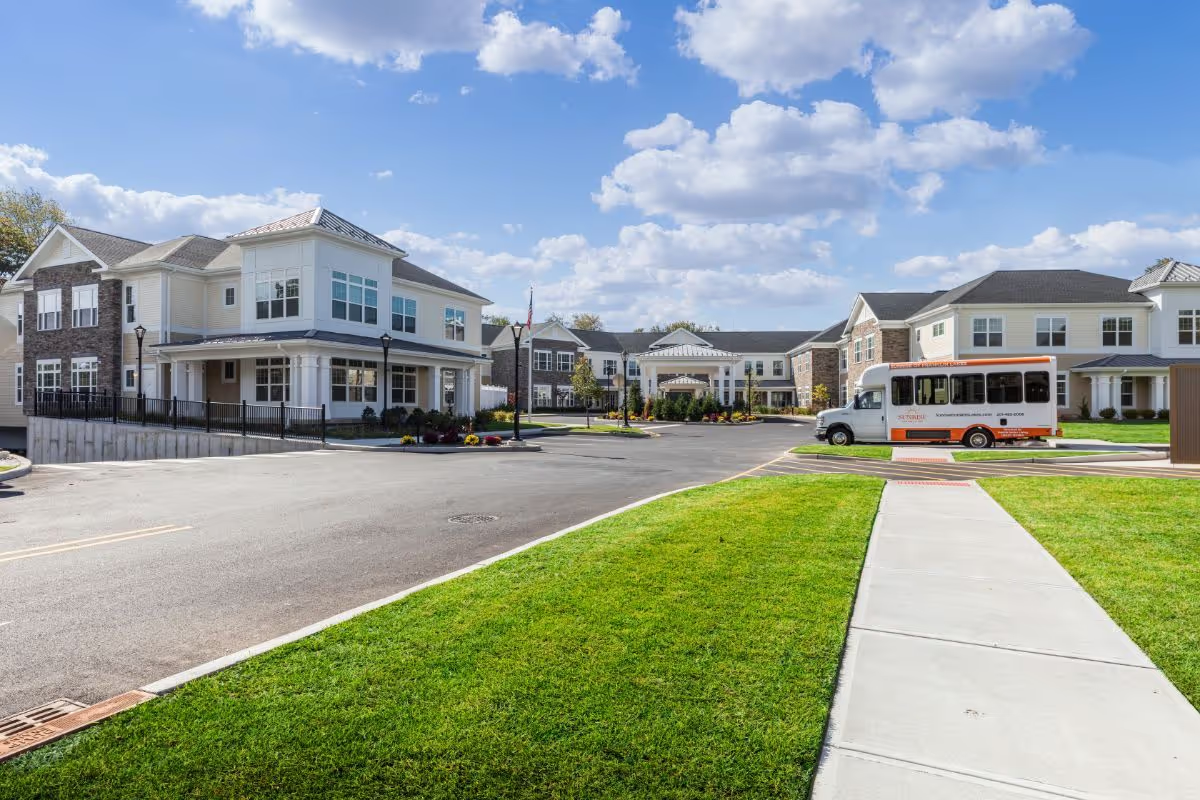
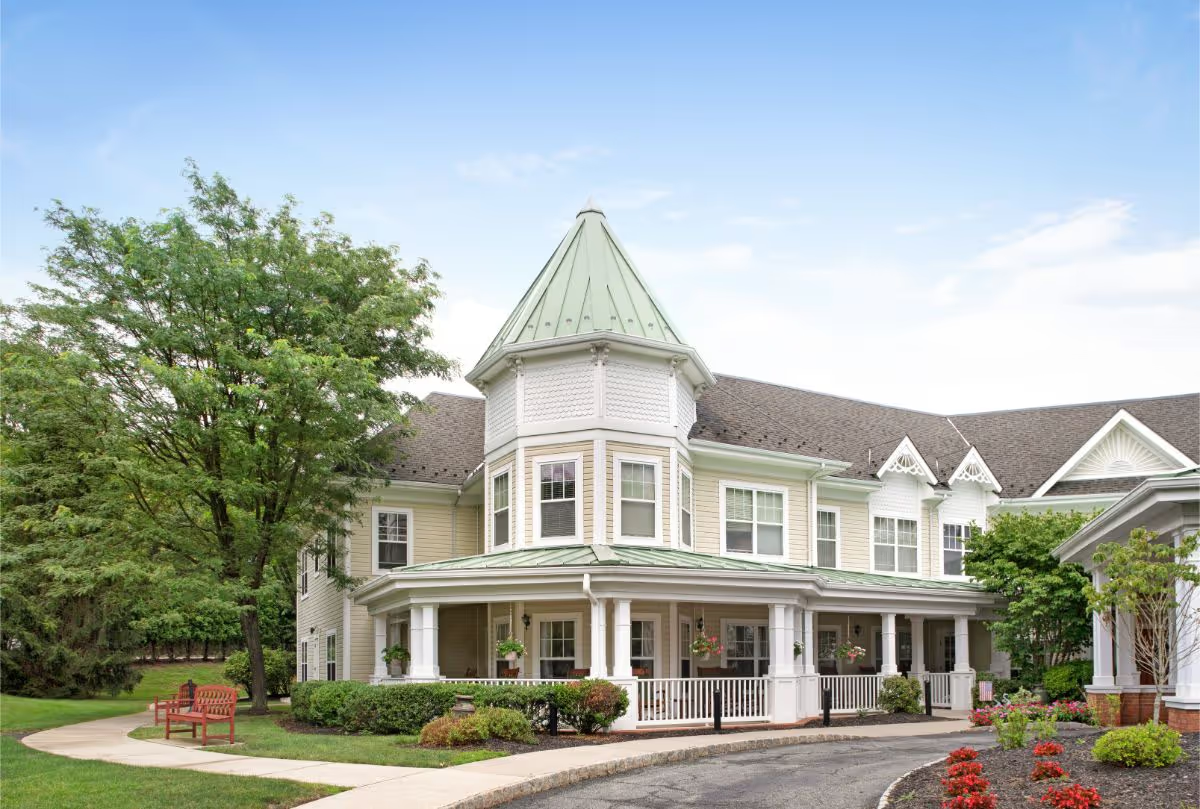
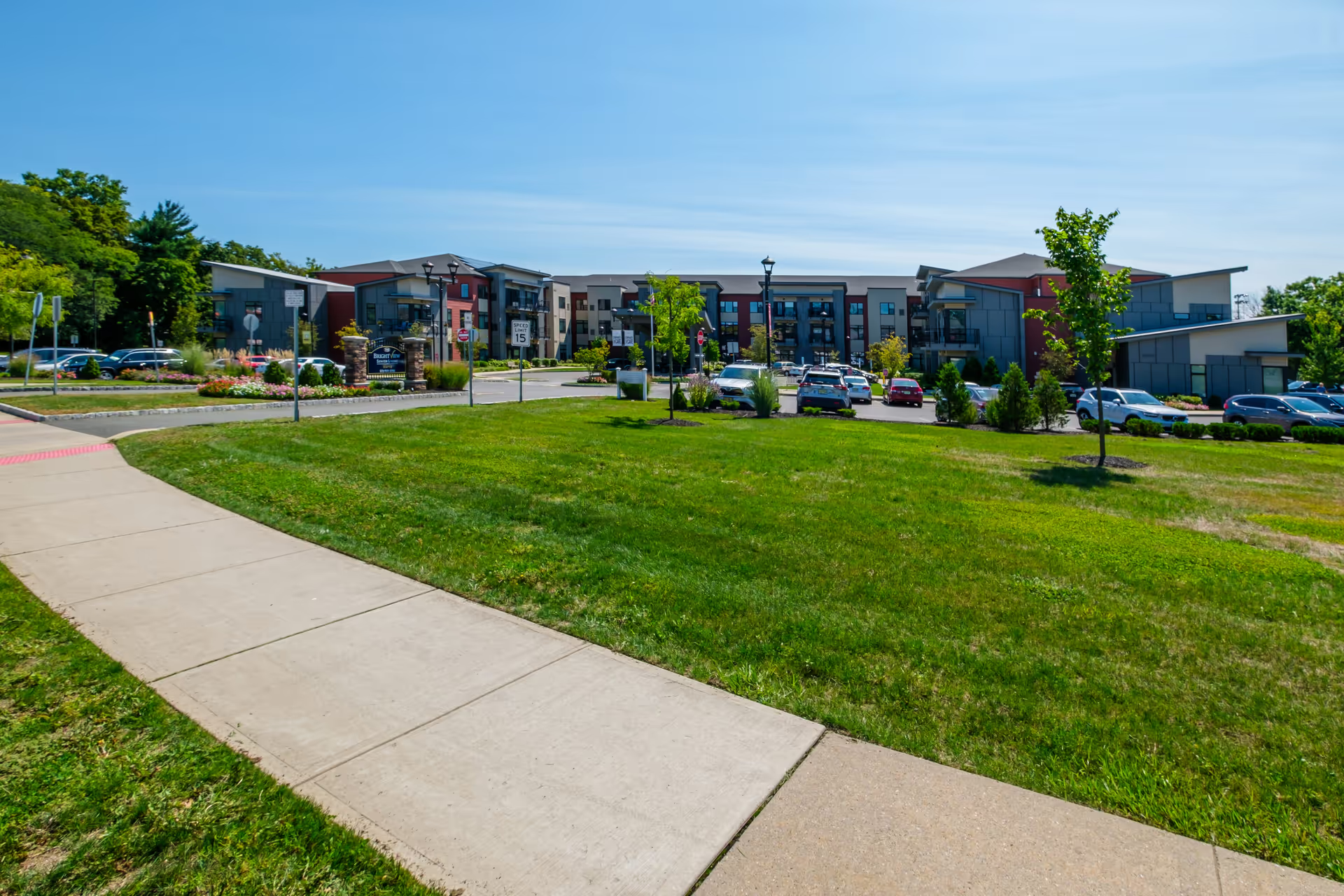
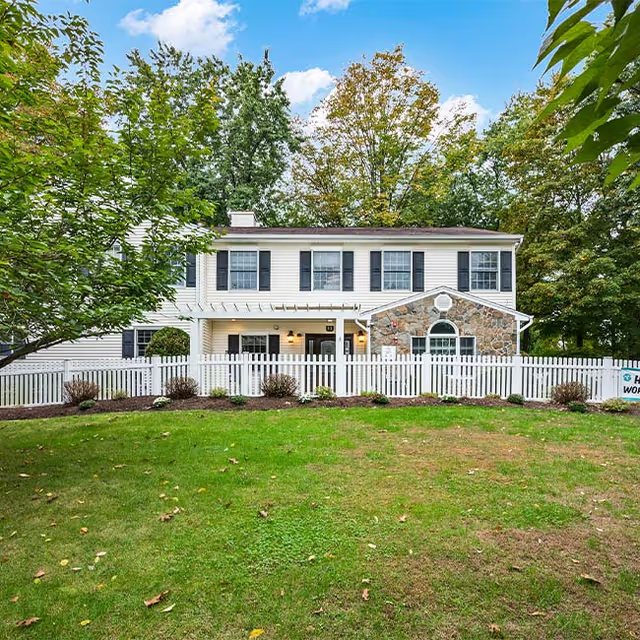
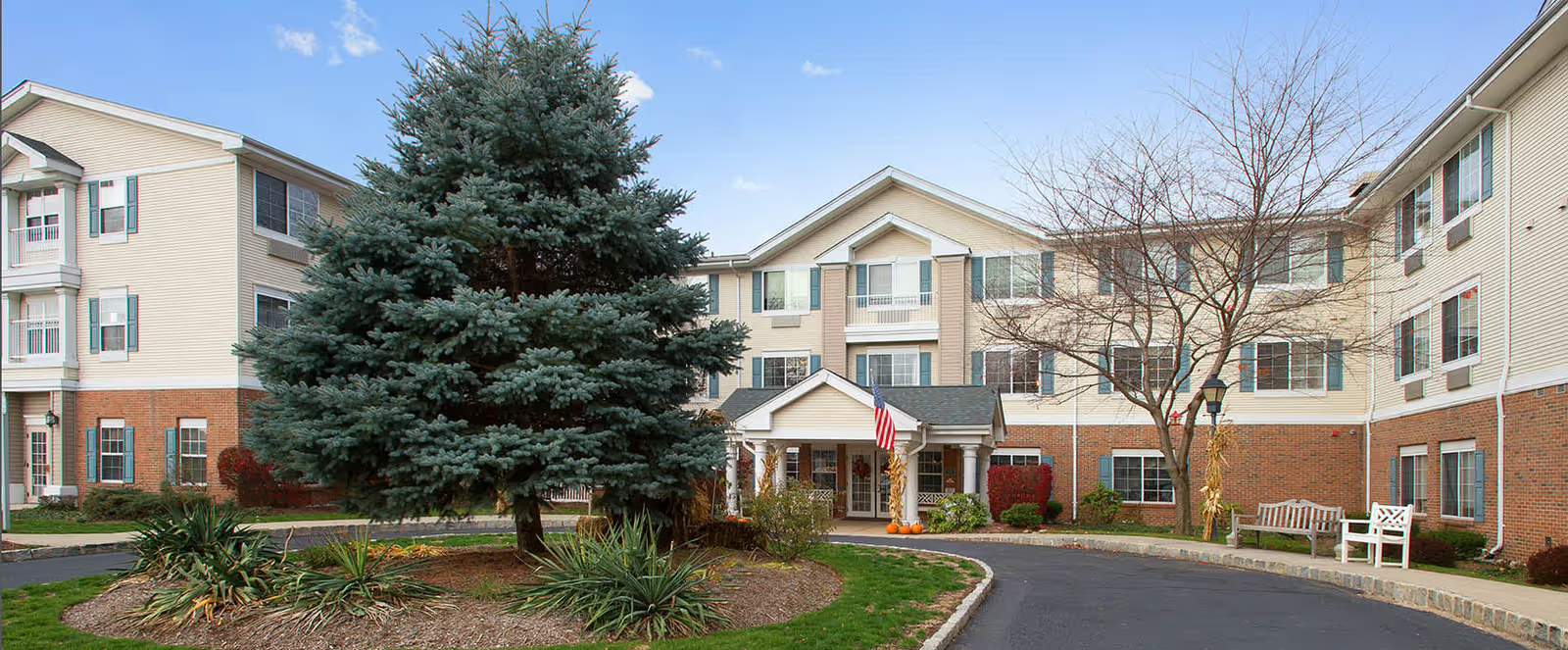
Facility condition and operations show both positives and negatives. Many visitors describe clean, well-kept rooms, dining areas, and common spaces alongside accessible outdoor areas and ongoing interior/exterior renovations. Conversely, there are repeated comments about sanitation concerns and odor issues in some parts of the building and inconsistent housekeeping in others. Admissions and management interactions are a further area of divergence: some families report helpful, informative tours and administrators who resolve issues promptly, while others describe brusque communications, unmet promises around single rooms, and pressure around financial/marketing matters.
Notable patterns for prospective residents and families: the facility can deliver strong hands-on caregiving and effective rehabilitation for many residents, but experiences are uneven and appear sensitive to staffing levels and shift coverage. Before placement, prospective families should tour during different times of day, ask for recent staffing metrics, review clinical escalation and medication-safety protocols, confirm room-assignment guarantees in writing, inquire about after-hours nursing coverage and call-response expectations, and discuss therapeutic-diet capabilities. These steps can help align expectations with the facility’s strengths and identify any operational gaps that are most important to a particular resident’s care plan.