Harmony Village at Hanover Township presents as a dementia-focused, recently refreshed community with a number of operational strengths and some recurring operational weaknesses. Many families described strong dementia expertise on site, including staff trained in the Teepa Snow approach, a dedicated dementia specialist, neighborhood-style uniting by cognitive level, and structured safety features intended to reduce wandering risk. Reviewers frequently noted compassionate, experienced caregivers and an engaged therapy team (including pet therapy and on-site rehab) that contribute to residents’ social and functional well-being.
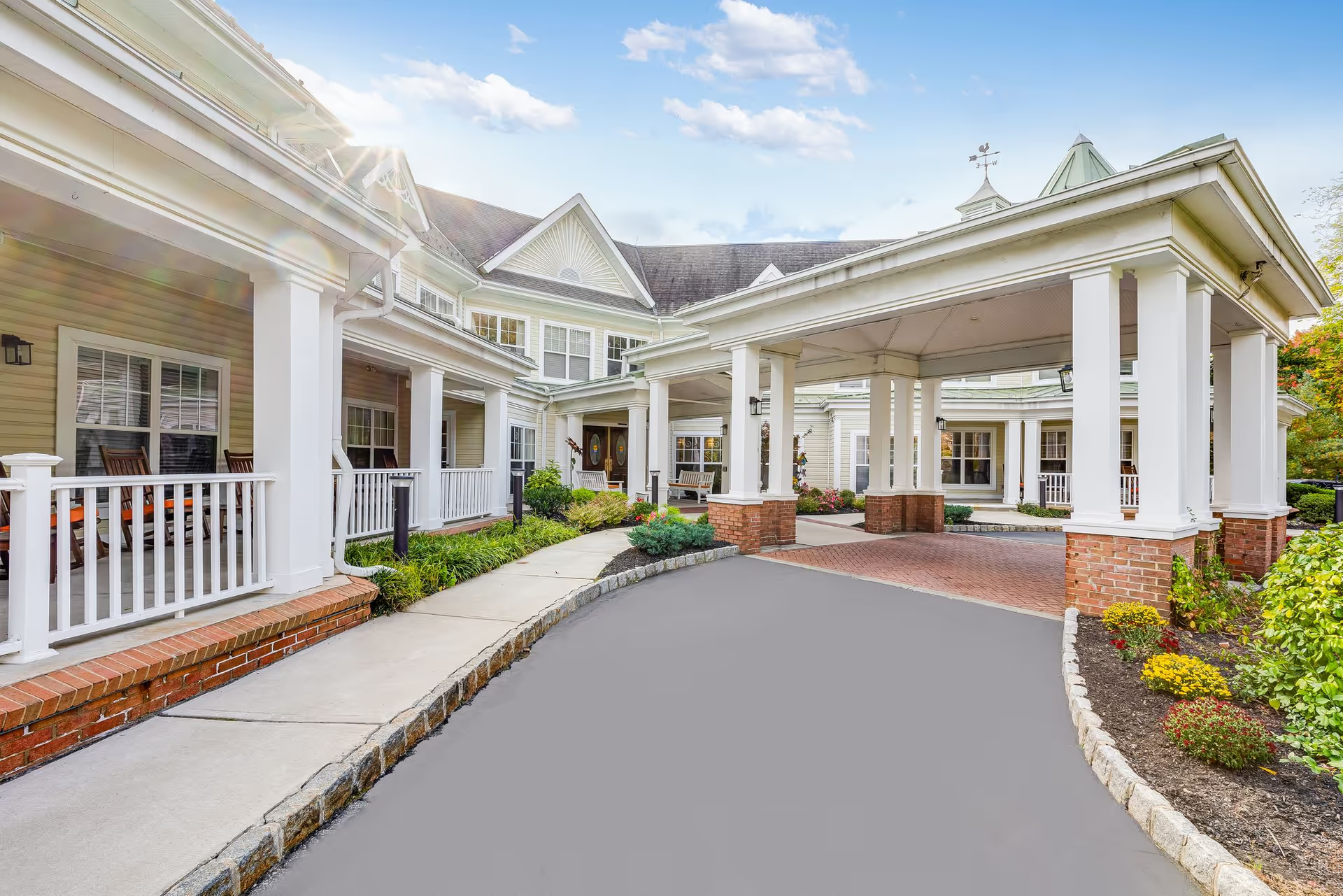
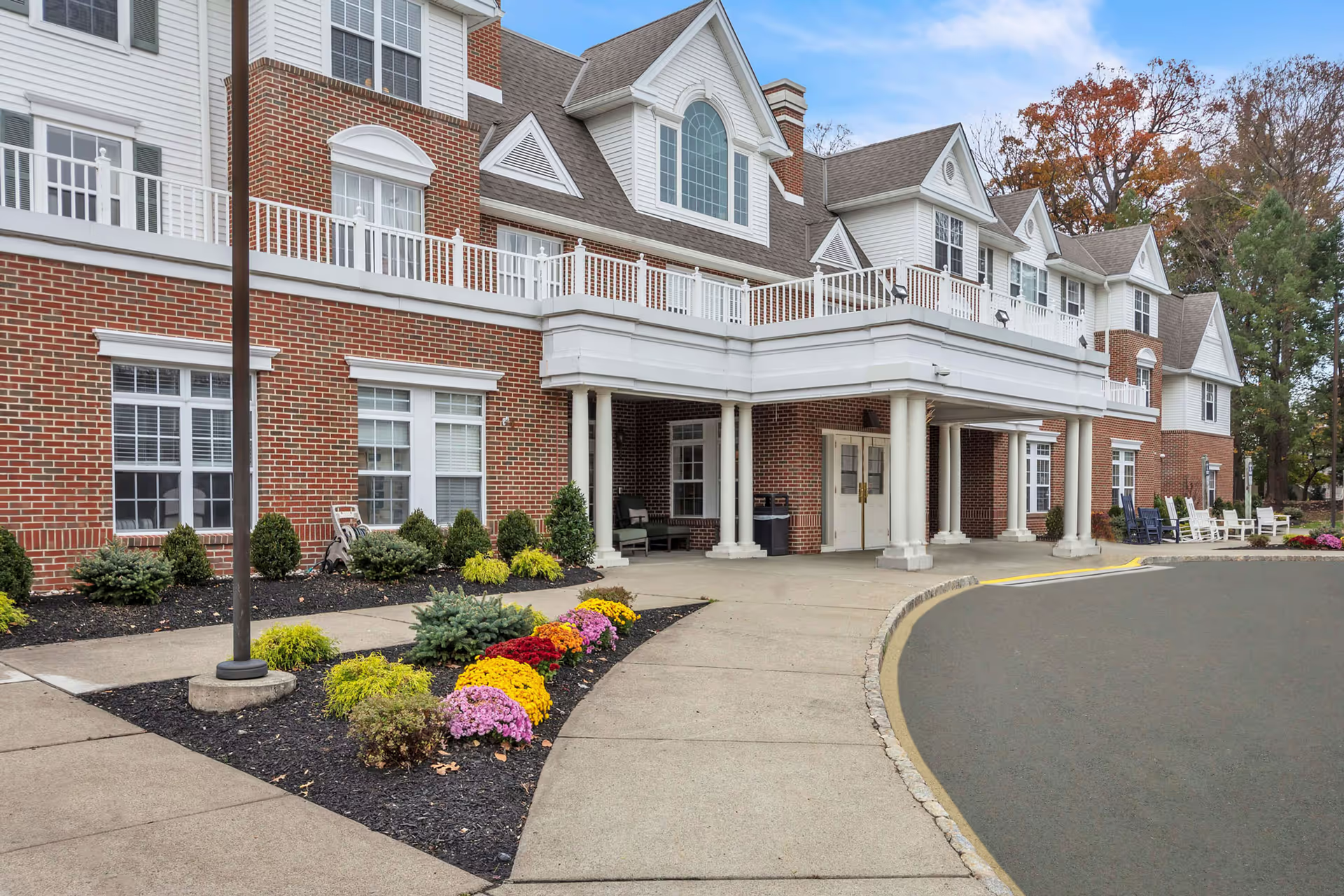
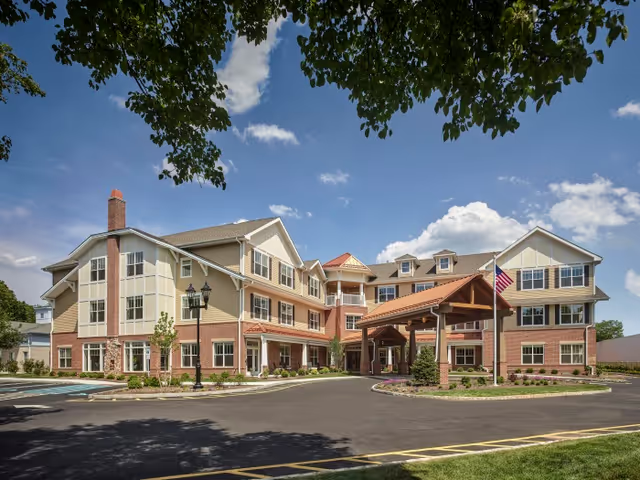
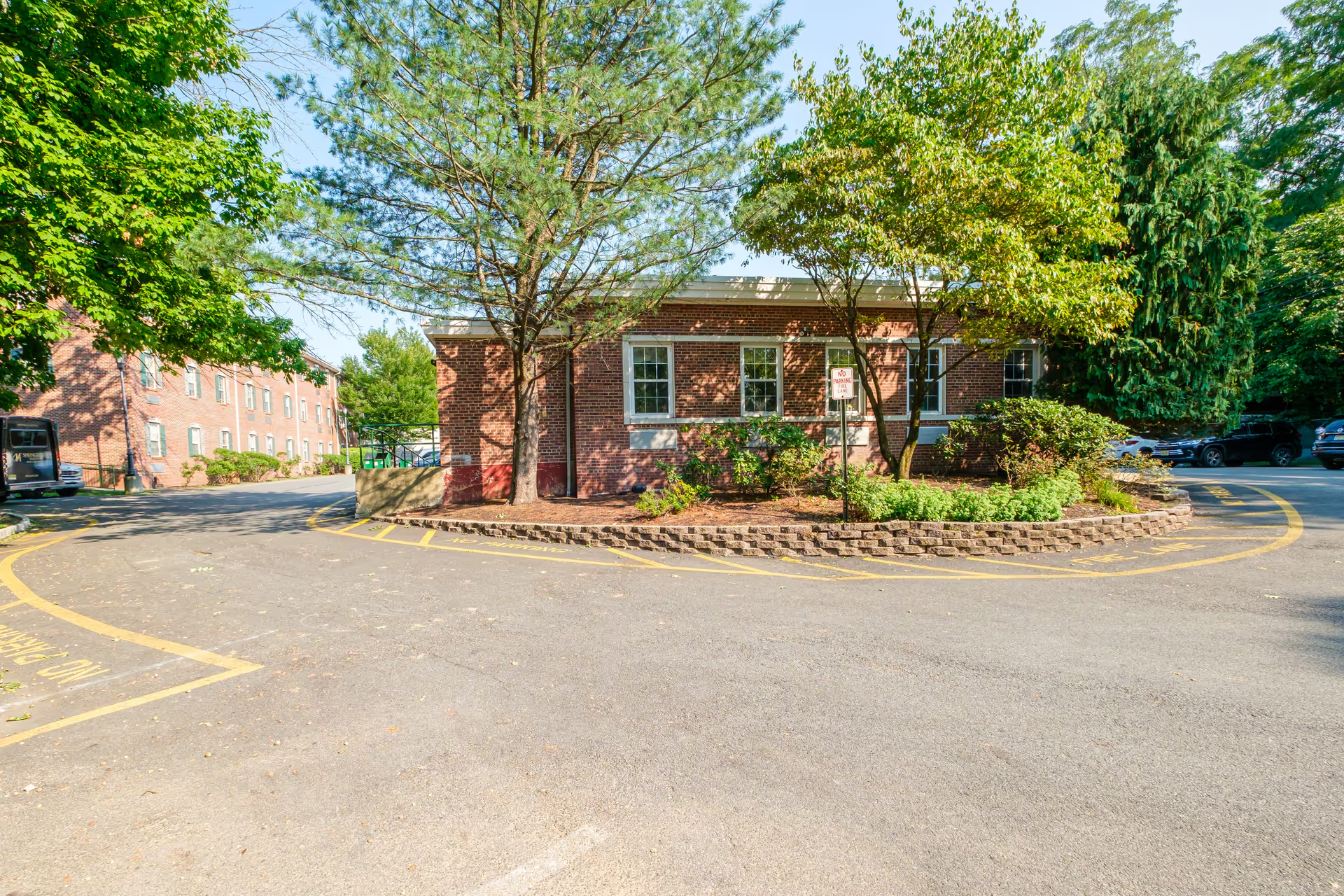
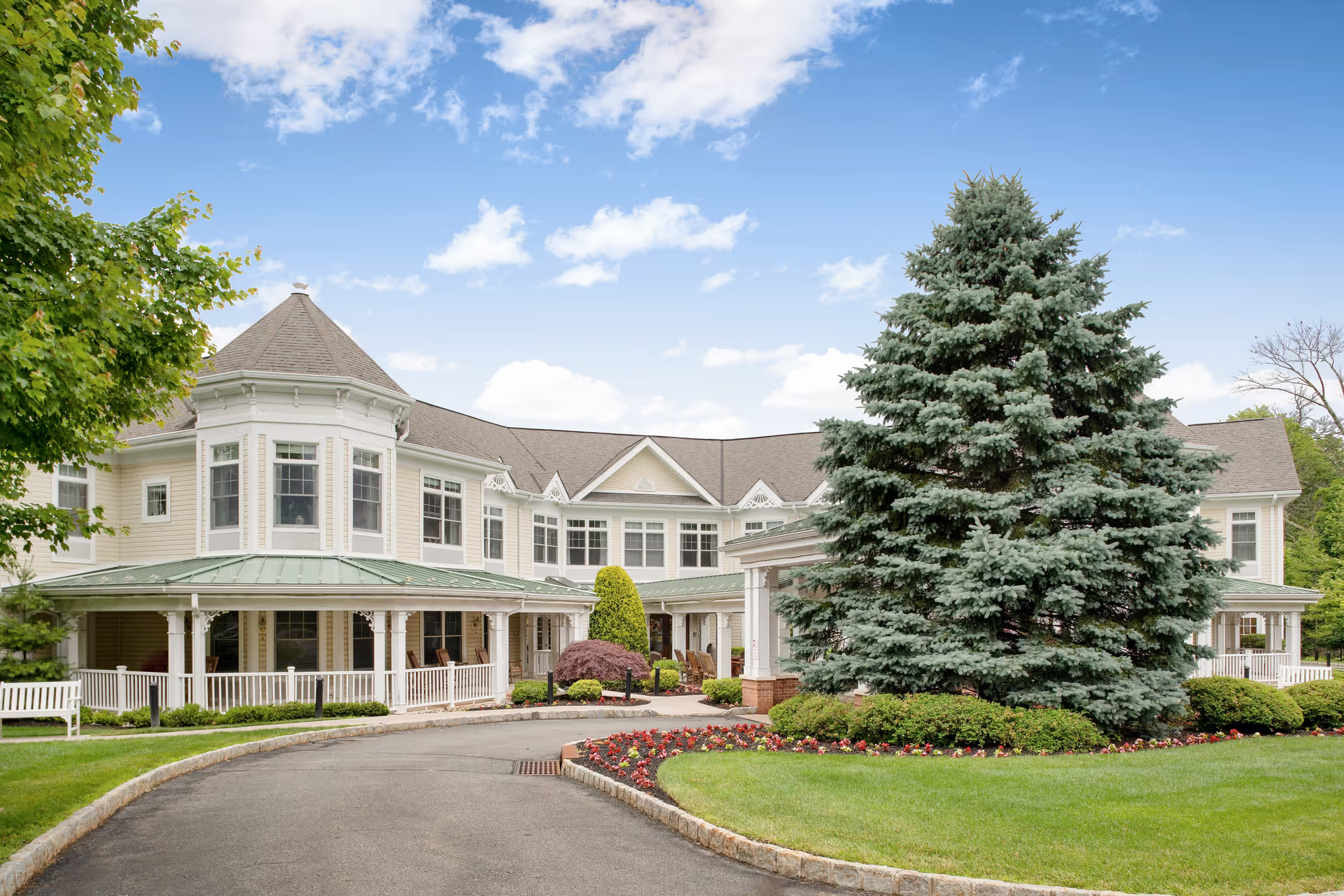
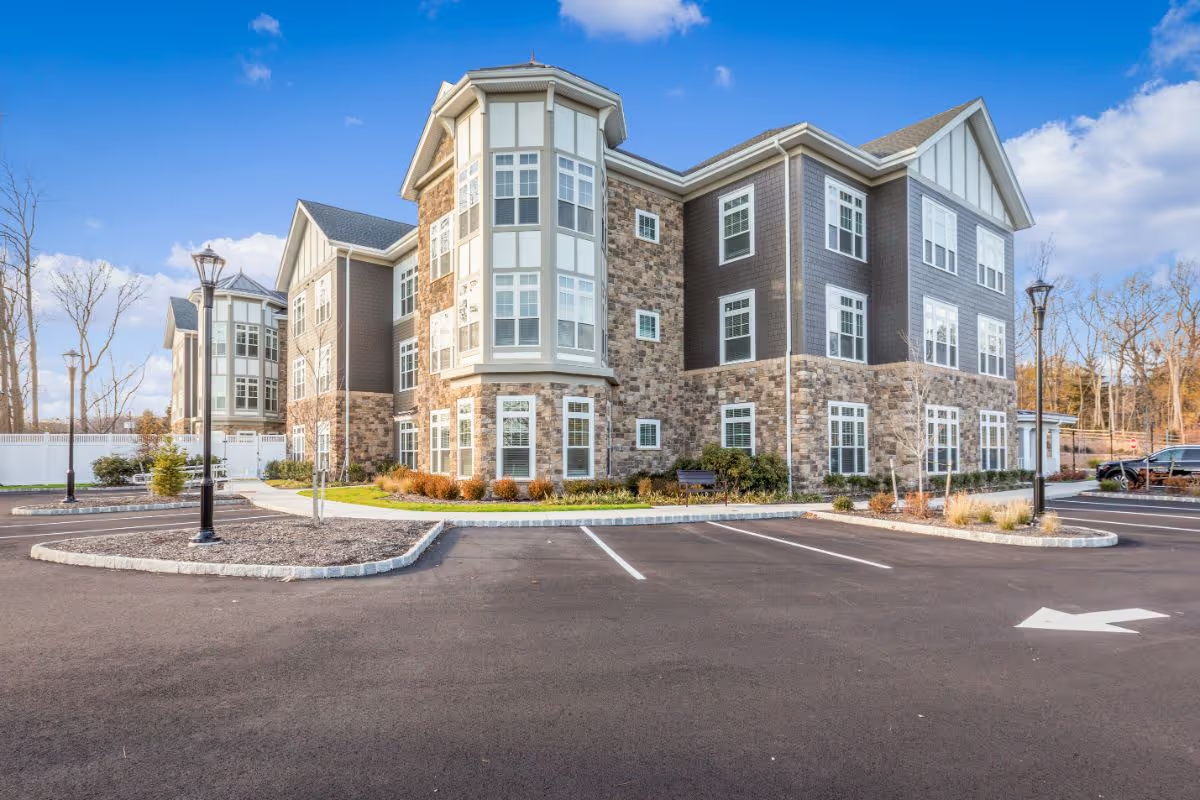
The facility’s physical environment is a consistent positive: a bright, clean, brand-new building with pleasant common areas, multiple dining settings, outdoor courtyards, and a circular layout that reviewers linked to easier wayfinding for residents with cognitive impairment. Housekeeping, laundry, and scheduled cleaning services were commonly described as available, and many families commented positively about the welcoming atmosphere and immediate impressions during tours and admissions support.
Dining and activities present a mixed picture. Strengths include varied programming (music, movie nights, outings, high-school or volunteer performances suggested), a full-time activities director, and special offerings such as therapy-animal visits. Several reviewers highlighted meaningful daytime engagement and family-oriented events. Areas for improvement include limited meal variety at times, occasional late or missing food items (including desserts), and capacity constraints in popular activity spaces (notably a crowded TV room). Activity engagement also appears to vary by resident preference and mobility, with some residents less inclined to participate.
Clinical care and staffing show both solid elements and operational gaps. Positive accounts describe attentive nursing communication with families, effective onboarding, and staff who know residents’ preferences and medical needs. However, a persistent theme is inconsistent staffing levels and turnover that can affect continuity of care. Several families reported gaps in clinical coverage evenings and weekends and perceived differences between staffing models presented during sales and the facility’s operating patterns. Linked concerns include variable staff quality, uneven housekeeping follow-through, and instances where families felt managerial follow-up was insufficient.
Management and business practices elicited polarized responses. Many reviewers praised responsive leadership, an engaged director of nursing, and clear family communication during routine updates. Conversely, others described issues with management responsiveness, concerns about communication tone, and dissatisfaction with unexpected significant rate increases. Some families characterized admissions expectations as sales-driven, citing mismatch between promised services and day-to-day reality. These patterns suggest the community has strong clinical and programmatic assets but would benefit from greater consistency in staffing, clearer communication about staffing models and fees, and attention to meal-service reliability and activity capacity.
Overall, Harmony Village is generally well-suited for families prioritizing dementia-focused programming, a secure built environment, and engaged therapeutic offerings. Prospective residents and families should verify current staffing and clinical-coverage schedules (especially evenings/weekends), clarify financial terms and potential fee changes, and observe activity space capacity and meal-service patterns during a visit to ensure alignment with their expectations.