Reviewers paint a mixed but detailed picture of Lester Senior Living. The facility receives frequent praise for its caregiving staff: many families describe aides and nursing personnel as compassionate, attentive, and personable, with several accounts of staff going beyond routine duties to support residents. The atmosphere is often characterized as welcoming and family-like; move-ins are frequently described as smooth, and respite/short-stay options are available for temporary needs.
Programming and social life are among the facility's clearer strengths. The activity schedule is robust, with guest speakers, cultural events, arts-and-crafts studios, gardening, choir performances and regular outings (including trips tied to the local JCC). Transportation for shopping and medical appointments is regularly available. Reviewers also note a lively resident community and amenities offsite — access to a nearby gym with a heated pool and trainers is commonly mentioned.
Dining and apartments show mixed signals. Positive comments include kosher-friendly options, pleasant meals for some residents, and several spacious, furnished two-bedroom apartments with in-unit laundry in certain units. However, operational limits on meal service are persistent: the kitchen commonly provides two meals per weekday with no weekend dinner service, and dinner hours are early in the evening. Food quality is described inconsistently across accounts, and some residents find one‑bedroom units cramped.
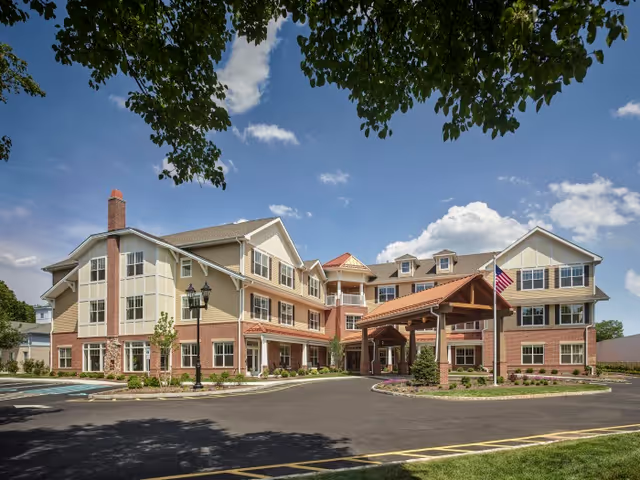
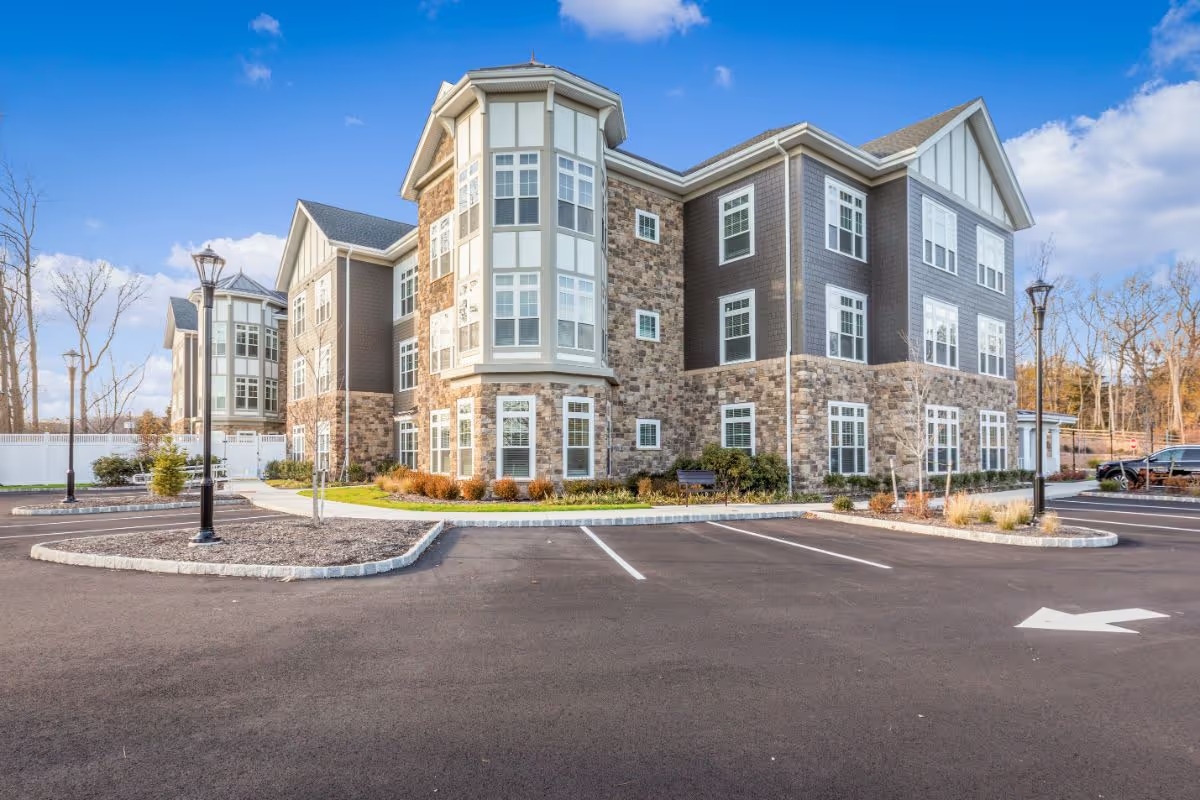
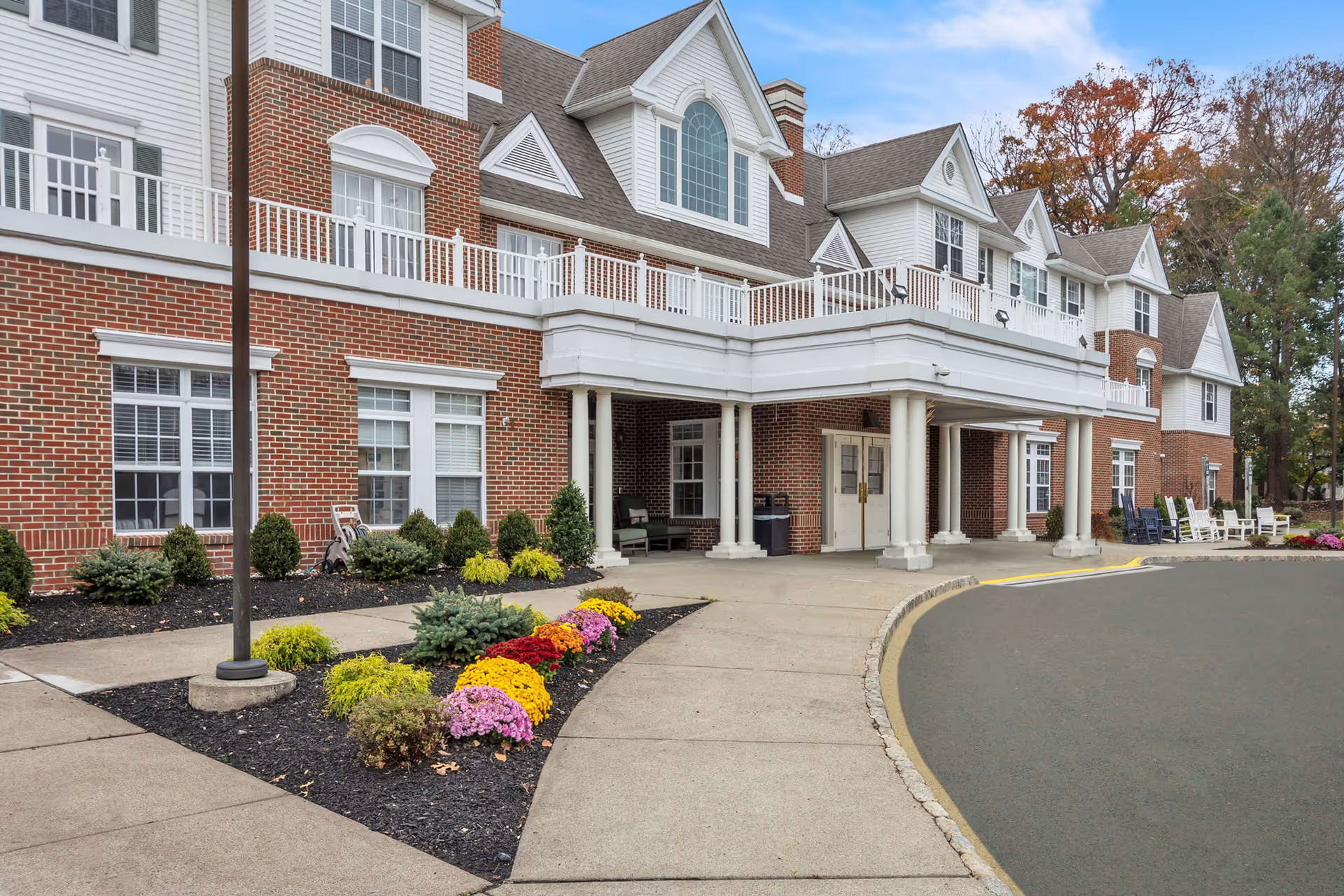
Facility condition and safety comments are variable. Updated public spaces, a renovated lobby, and pleasant grounds are highlighted, but other accounts point to maintenance variability and cleanliness issues in particular halls or units. Security concerns such as past burglaries and limited guest parking have been raised; prospective residents should confirm current security and parking arrangements.
Administration and operational management emerge as the area with the most divergence. Several reviews describe helpful, informative staff and smooth administrative interactions, while others report slow or nonresponsive communication, billing opacity (lack of itemized statements), and a perceived emphasis on occupancy. High staff turnover and leadership changes are referenced and correlate with reports of reduced program consistency in some periods. There is also an implied risk to residents who rely on Medicaid: the facility accepts little or no Medicaid and has limited Medicaid beds, raising the possibility of relocation if private funds are exhausted.
There is at least one serious clinical concern described in the reviews; while details vary, it underscores the importance of asking specific questions about medication administration protocols, clinical incident response, and family notification practices. Prospective residents and their families should verify current policies on Medicaid acceptance, meal schedules, staffing ratios and turnover, billing practices (including itemized statements), security measures, and recent maintenance or renovation work during an in-person tour. Touring at different times of day (meal service, activities) and speaking directly with current residents and families will help clarify whether the facility’s strengths align with the prospective resident’s priorities.