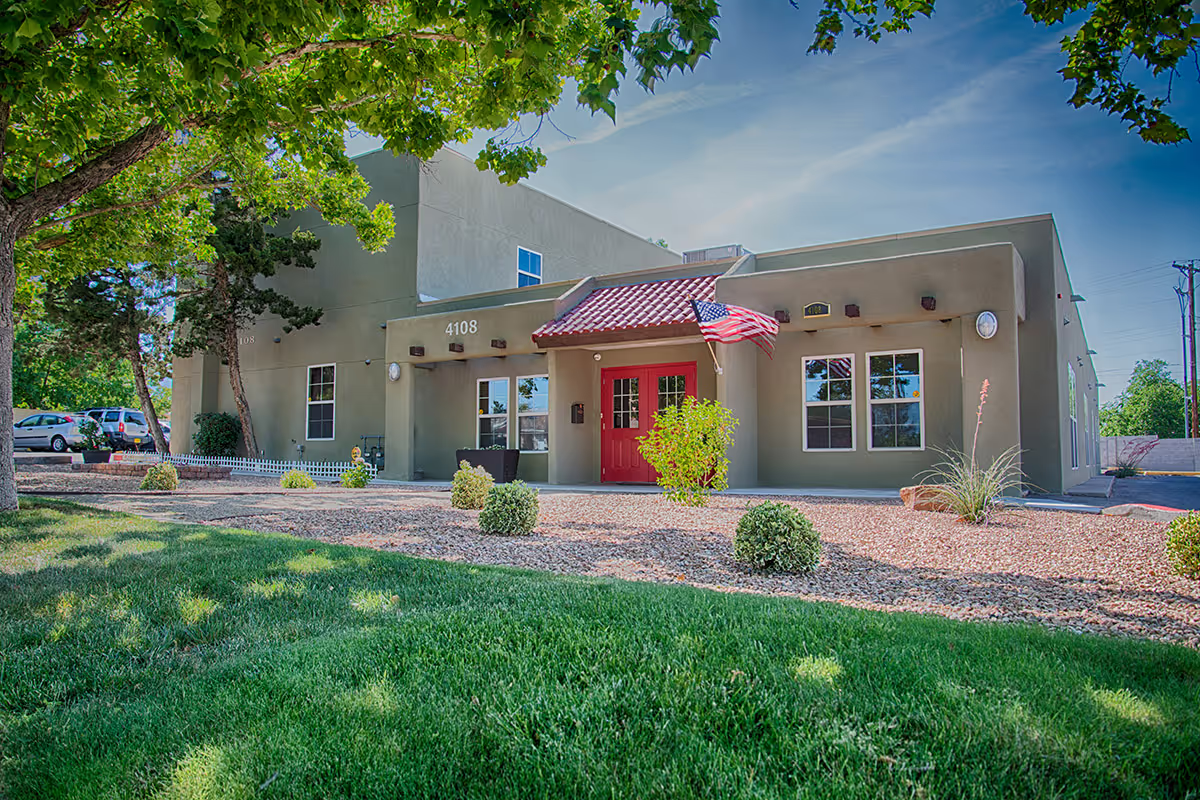
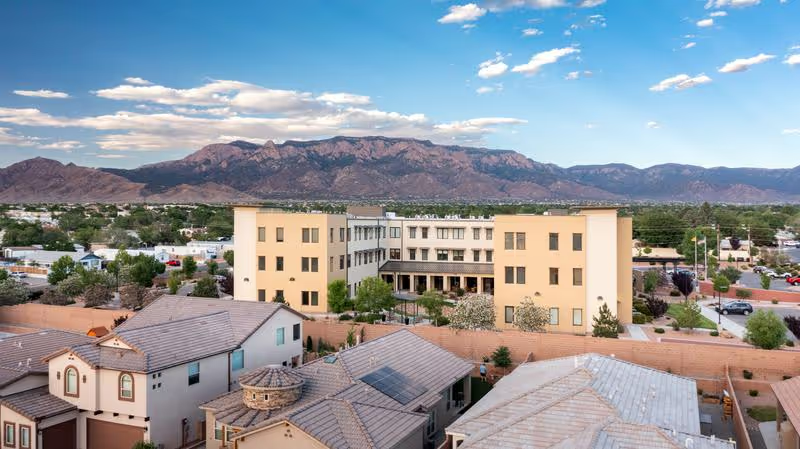
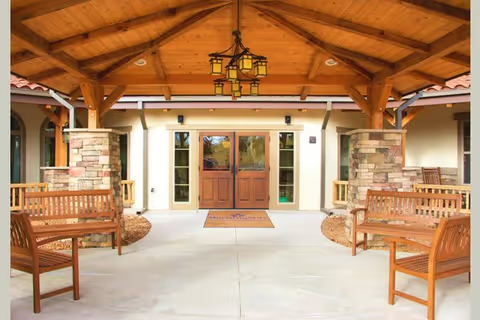
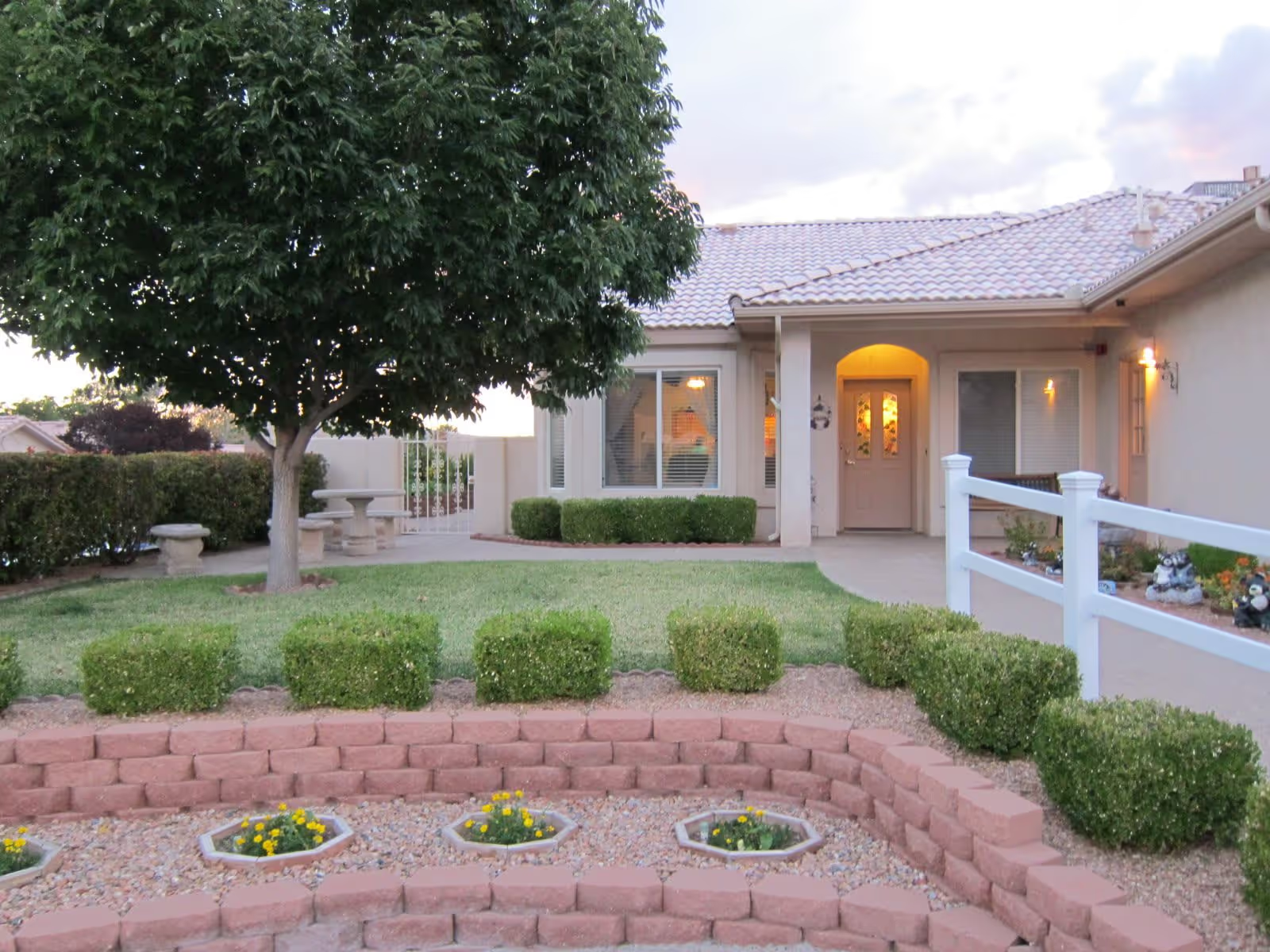
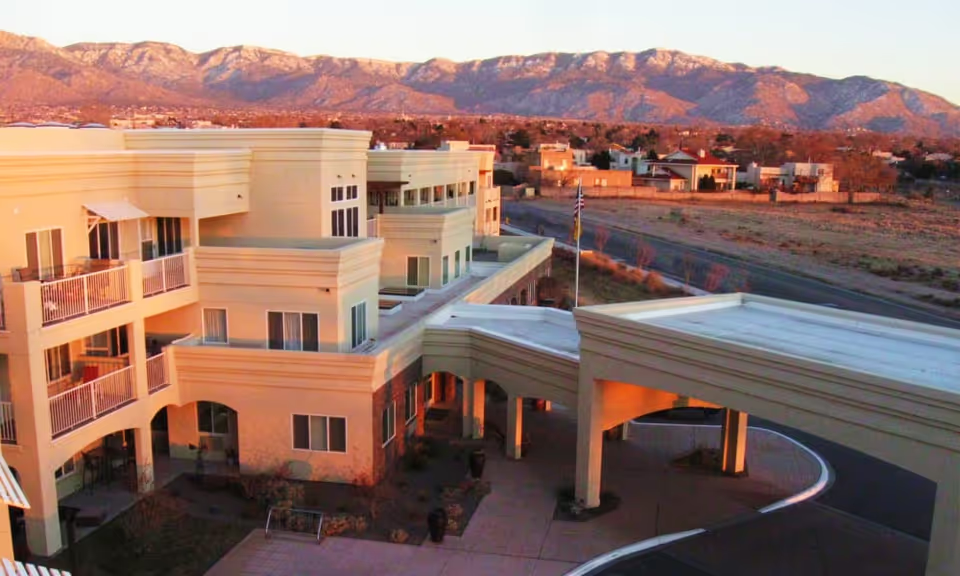
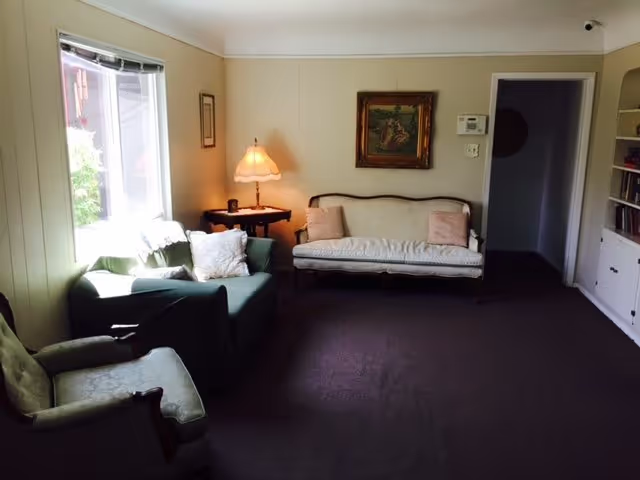
The reviews of Albuquerque Heights Healthcare and Rehabilitation Center present a strongly mixed picture. One clear and consistent strength is the rehabilitative program: physical, occupational and speech therapy receive frequent praise for individualized plans, skilled therapists, and measurable progress toward home discharge. Many families and residents praised particular staff — nurses, CNAs, medication technicians and therapy teams — for compassion, bedside manner and hands-on attention. Admissions and some front-desk staff are described as helpful and organized, and several reviewers noted clean, bright common areas and well-kept rooms in portions of the building.
At the same time, recurring operational weaknesses appear across reviews. Understaffing and variable staffing levels are commonly cited and are linked to long waits for assistance, delayed medication or pain relief, inconsistent bathing schedules, and difficulty answering phone calls. Several reviews describe medication-administration lapses and delays that point to inconsistent medication-safety practices. Communication between the facility and families is another frequent concern: voicemail systems and phone responsiveness are described as unreliable, and families report difficulty obtaining timely updates or reaching administrators.
Dining and daily living services show substantial variability. Some reviewers commend organized meal service, substitutions and accommodating dietitians; others describe frequent cold or poorly prepared meals and limited menu appeal. Activities programming is praised in some units (bingo, yoga, pet visits and therapeutic groups) but other families report limited or unengaging activity offerings. Housekeeping and sanitation are similarly inconsistent — parts of the facility are maintained well while other areas raise sanitation concerns and odor issues in specific units.
Facility maintenance and safety also display contrasts. Several reviews highlight helpful maintenance staff and timely repairs in some rooms, but there are repeated comments about aging infrastructure, broken equipment, thermostat and hot-water problems, and visible maintenance defects. Safety-related themes include concerns about fall-prevention practices, transfer procedures, lack of bed alarms or pads in certain cases, and inconsistent use of assistive devices. There are also mentions of security and access control lapses and occasional billing or Medicare-related disputes and regulatory citations.
Management and organizational issues are a recurrent theme. While some reviewers praise individual leaders and note strong, compassionate culture in certain units, others describe inattentive or unresponsive administration, slow paperwork processing (including discharge and home health orders), and low staff morale. A small number of reviews reference serious adverse clinical outcomes, hospital readmissions, and interactions with regulatory bodies or the Ombudsman; these items suggest the importance of checking recent compliance history and incident follow-up during any evaluation.
Overall, Albuquerque Heights shows clear strengths in rehabilitation services and in many individual caregiving staff, which can produce good recovery outcomes. However, prospective residents and families should balance those positives against repeated reports of inconsistent staffing, communication breakdowns, variable dining and housekeeping quality, and episodic maintenance or safety gaps. Recommended questions for a tour or pre-admission conversation include current staffing ratios on the unit, medication-safety protocols and recent medication-audit results, the facility’s process for discharge coordination with home health, examples of recent corrective actions after inspections, and how the facility addresses phone/communication reliability. A focused visit to meet the therapy team and nursing leadership and a tour of the specific unit where a resident would live will help clarify whether the strengths described align with the particular placement.