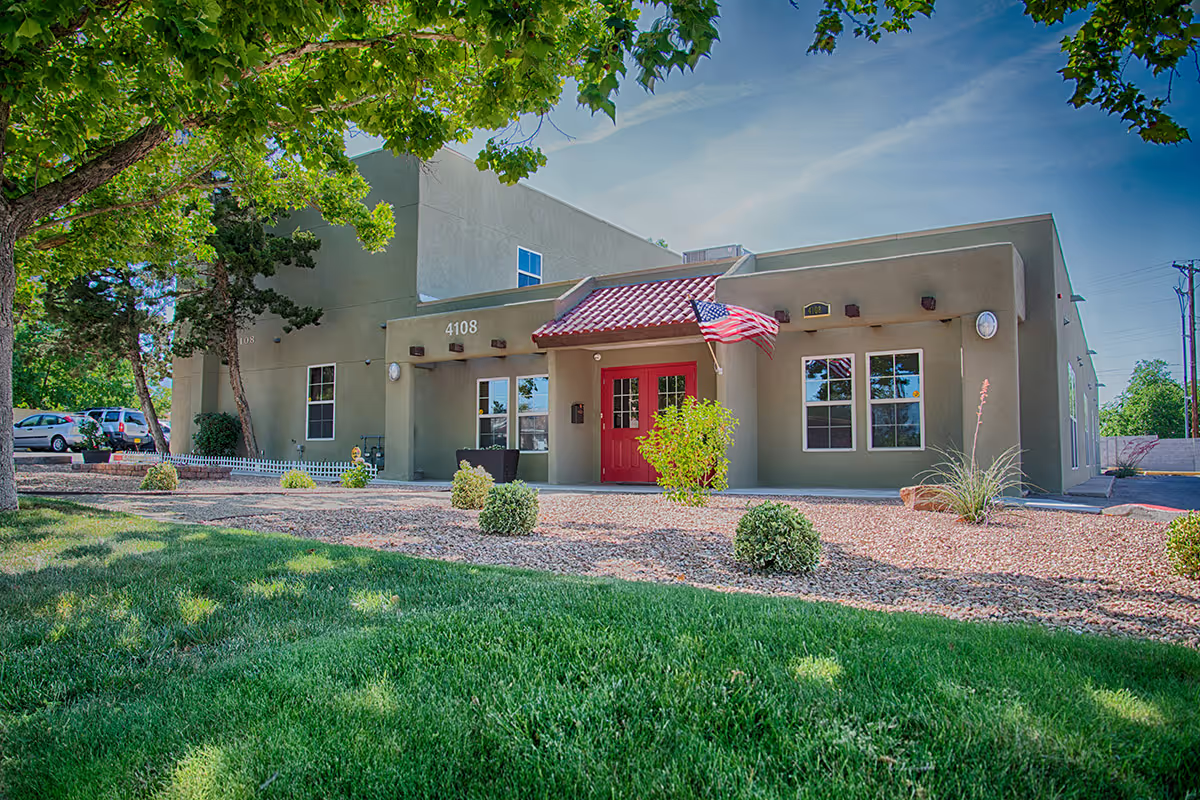
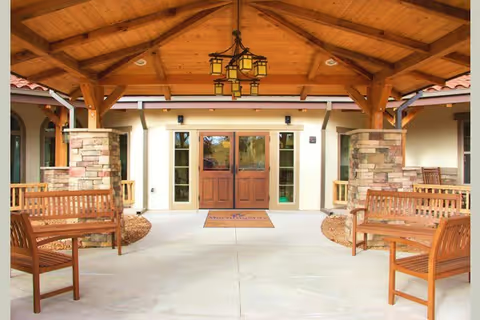
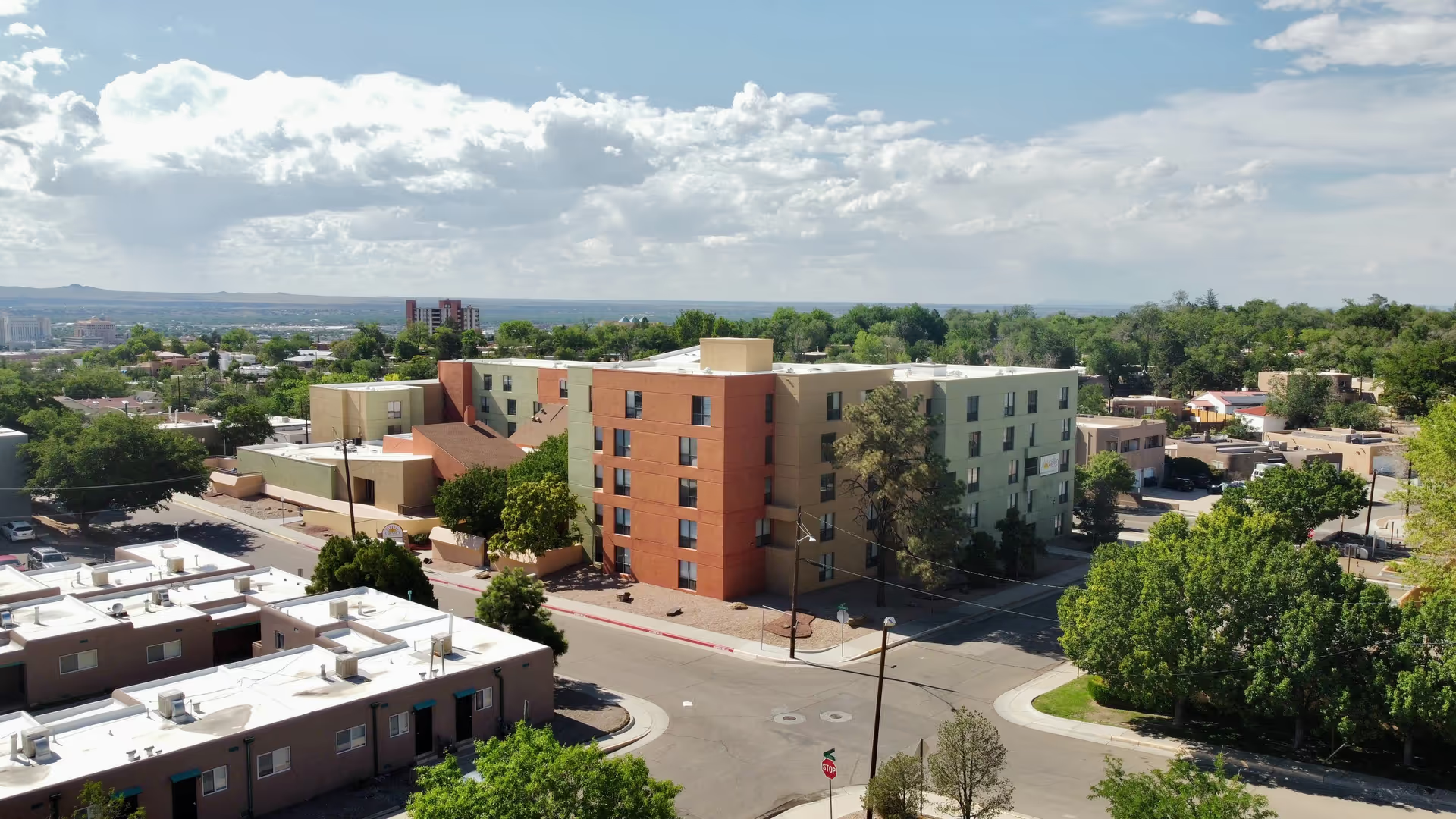
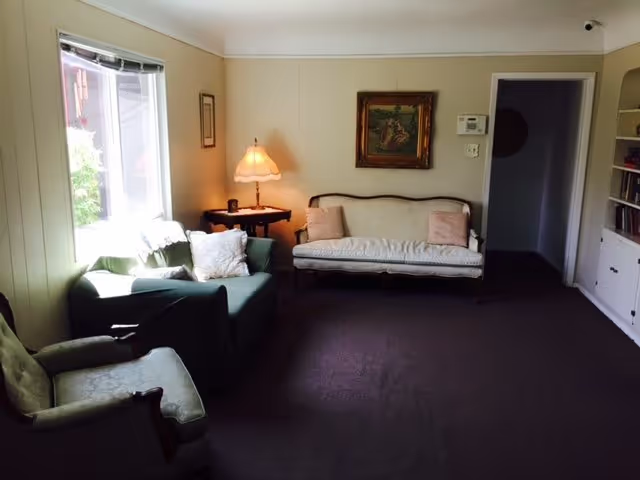
Spanish Trails Rehabilitation Suites presents a mixed profile. The facility's physical environment is frequently described as new, clean, and resort‑like, with comfortable private rooms, an on‑site therapy gym and outdoor patio, and an appealing ambiance for short‑term rehabilitation. The rehabilitation program — physical, occupational, and speech therapy — receives consistent praise for effectiveness, hands‑on staff, and measurable patient progress. Many families also note strong social-work and case‑management support, useful coordination for discharge planning, and instances of helpful administrative assistance during insurance transitions.
At the level of direct care, reviewers describe a broad spectrum of experiences. Numerous accounts commend CNAs, therapists, and several nursing staff as compassionate, attentive, and professional; these staff members are credited with meaningful recovery work and positive resident engagement. However, there is a recurring pattern of operational issues that affect care consistency: chronic understaffing (especially nights and weekends), slow call‑light response times, and delays in medication administration. These staffing pressures are linked to missed or late medications, inconsistent toileting and hygiene checks, and longer waits for assistance with activities of daily living. Several reviewers pointed to limited on‑site physician coverage and inconsistent communication from medical providers, which families felt complicated timely medical decision‑making.
Dining and nutrition are another area of mixed feedback. The facility’s culinary staff and some meals receive favorable comments — including praise for nutritious options and standout holiday meals — but recurring concerns include food arriving at suboptimal temperature, menu items not matching the plate served, missing condiments, and variable meal quality between shifts. For residents who require feeding assistance, families sometimes reported inadequate support at meal times, which compounds concerns about nutritional intake when staffing is low.
Safety, sanitation, and operations show pattern-level concerns in several domains. Reviewers raised issues about incontinence‑care delays, odor concerns in certain common areas, and gaps in safety equipment (absence of bed rails or specialty mattresses when clinically indicated, and slippery shower aids). There are frequent notes about inconsistent maintenance responses, problems with personal‑belongings management, and access/phone responsiveness problems (locked doors, unanswered phones), all of which affect family confidence in daily operations. Some reviews include serious claims — including medication errors and missing items — and there are isolated reports describing infection‑control events and restrictive visitation periods; families are therefore advised to review incident history and regulatory reports as part of due diligence.
Management and communication emerge as pivotal factors that explain much of the variability in experience. Positive accounts attribute good outcomes to proactive administration, clear communication, and strong teamwork; negative accounts point to unresponsive leadership, slow grievance follow‑up, frequent staff turnover, and reliance on agency nurses as contributors to inconsistent care. Notably, therapy and activity programming are often described as reliably strong even by families who had other concerns; this suggests operational strengths concentrated in rehabilitation and engagement services while nursing-housekeeping and ancillary services show more variability.
Recommendations for prospective residents and families: verify current staffing levels and physician coverage for the unit of interest, ask about fall‑prevention and mattress/bed‑rail policies, clarify medication‑administration and escalation protocols, review recent state inspection and complaint records, and speak directly with the therapy team about expected treatment frequency and scheduling. If care continuity for feeding, hygiene, or complex medical needs is critical, consider arranging an in‑person visit during different shifts (day, evening, weekend) and confirm how the facility manages agency staff and handoffs. Overall, Spanish Trails offers strong rehabilitative resources and a pleasant environment, but operational and staffing inconsistencies have produced enough variability in resident experiences that careful, personalized assessment is advised prior to placement.