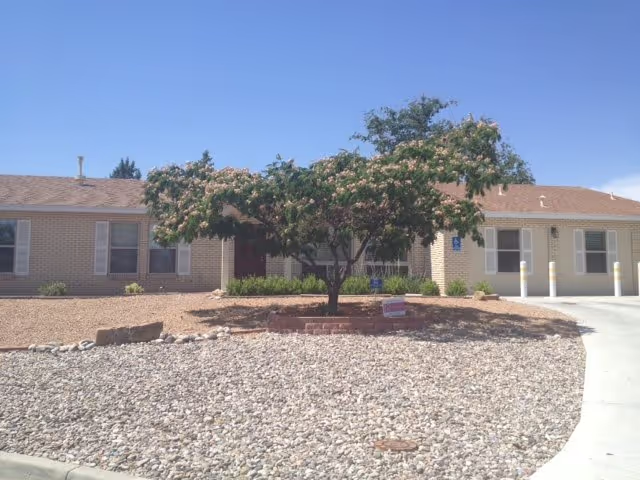
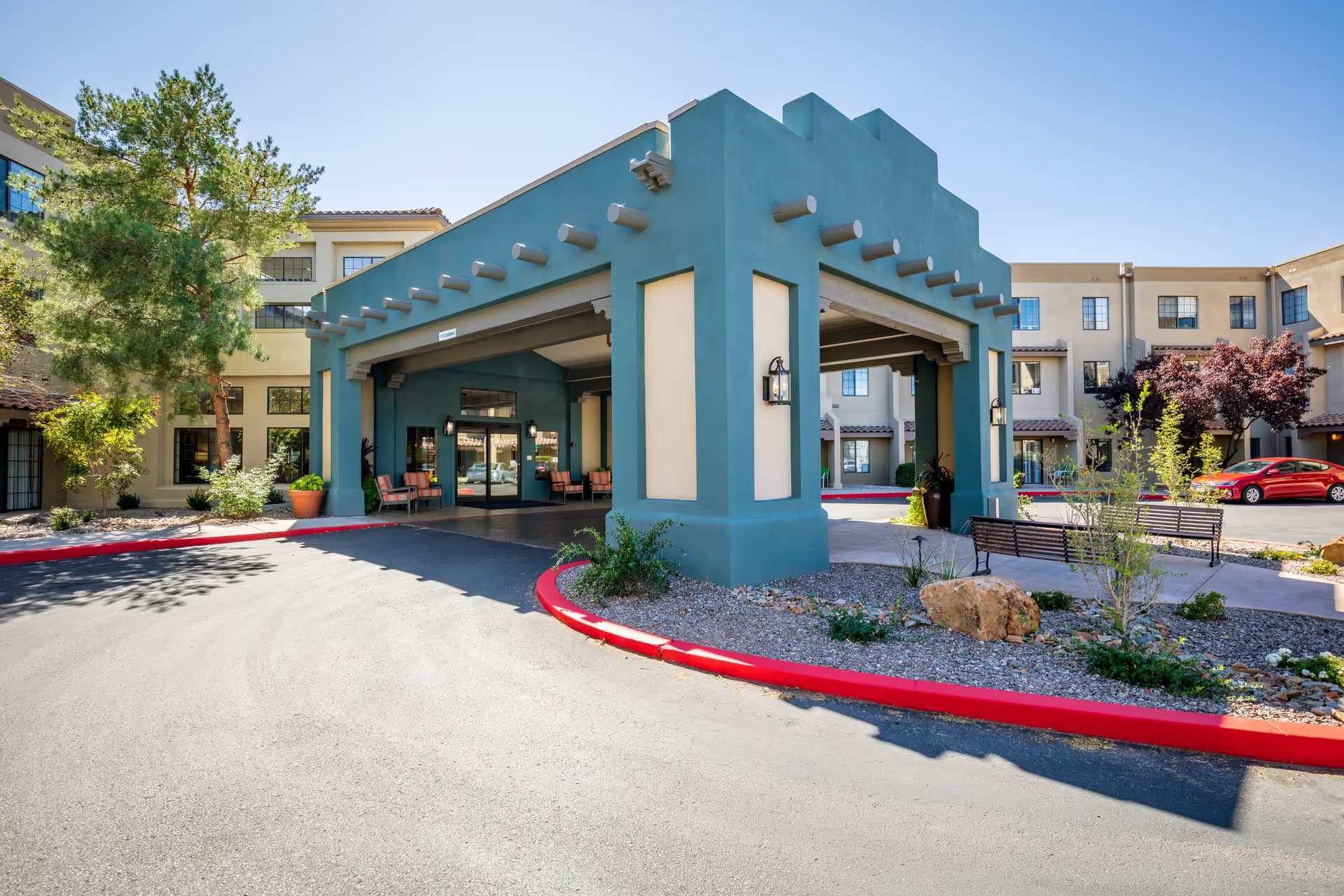
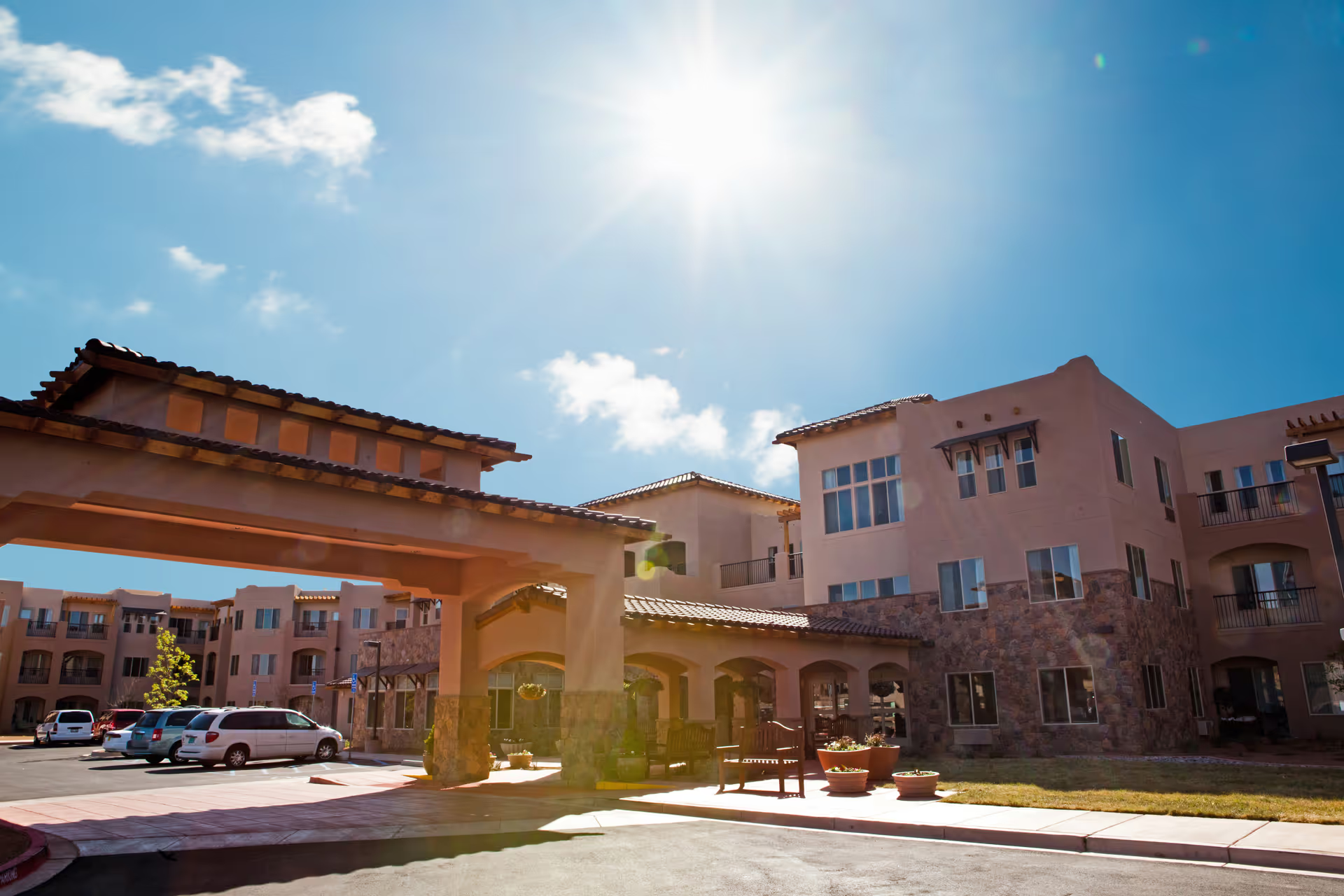
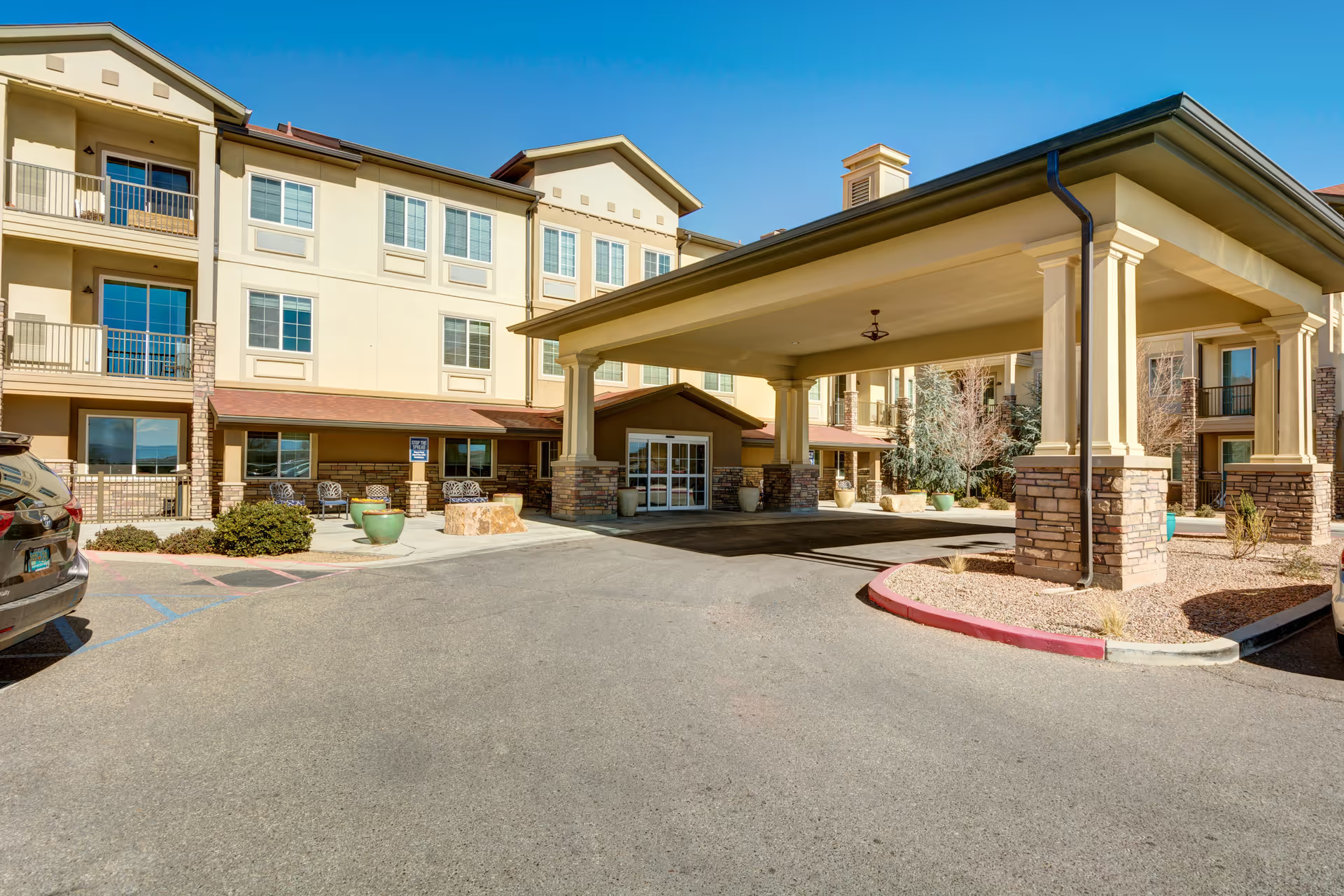
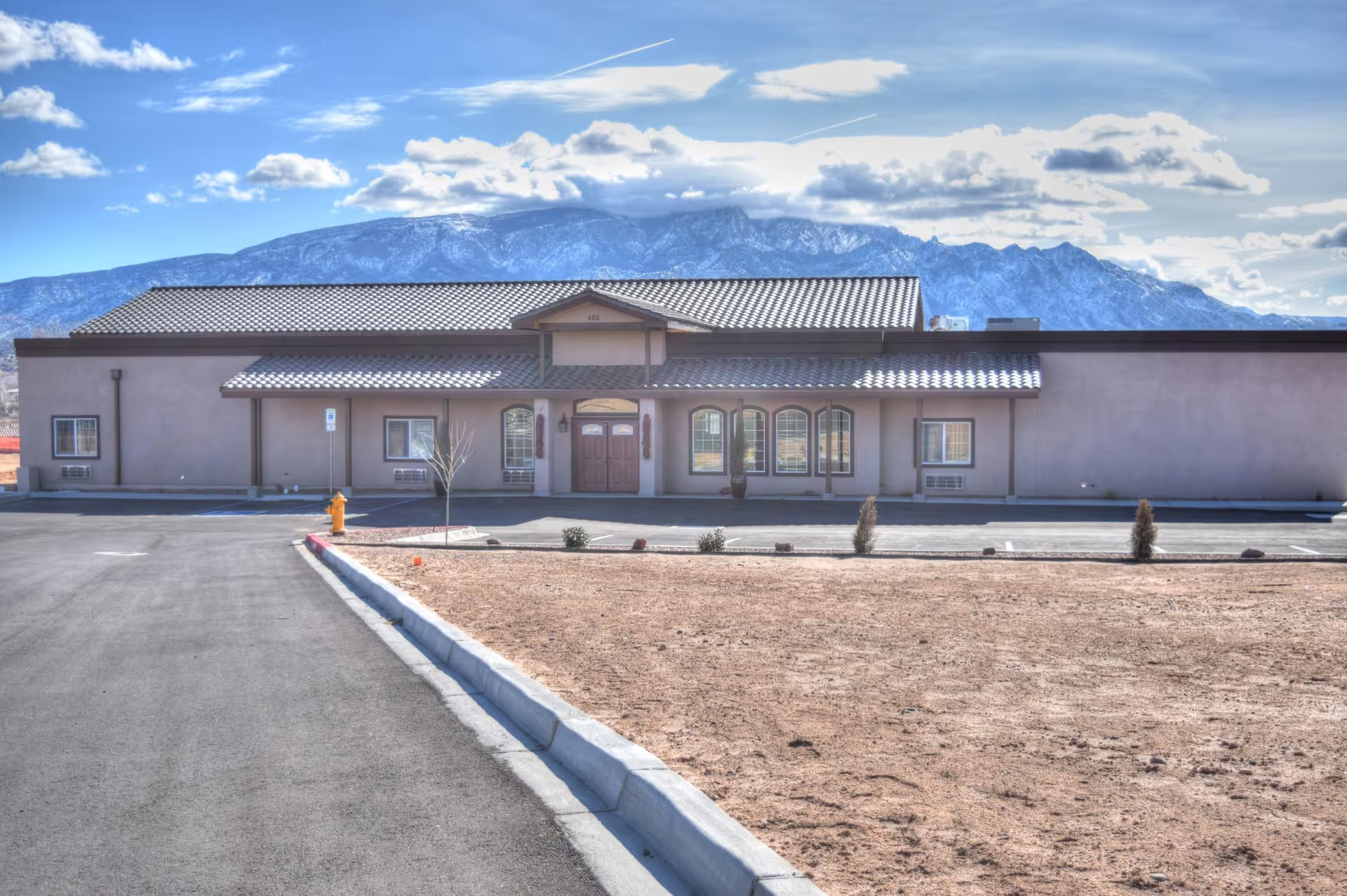
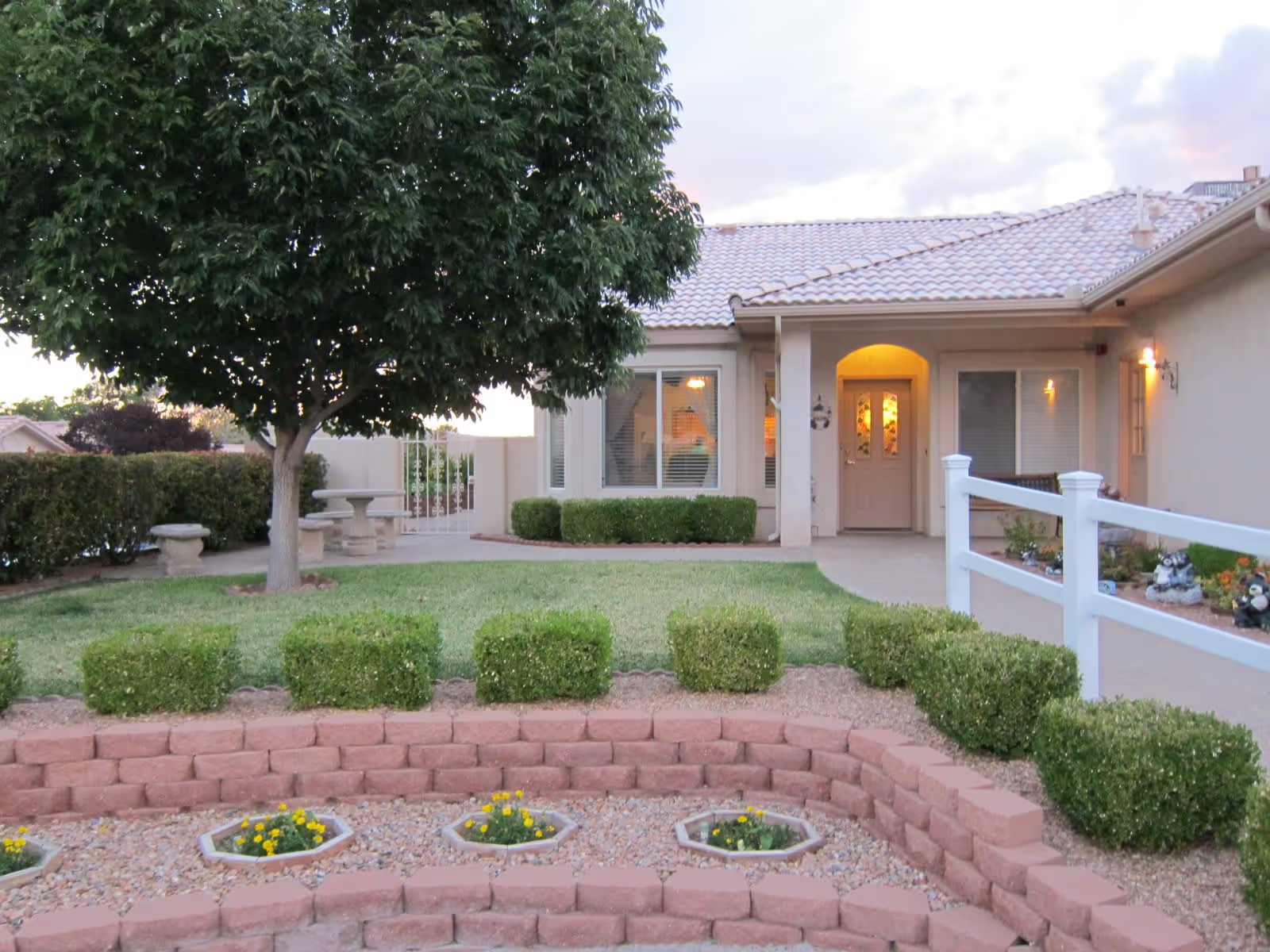
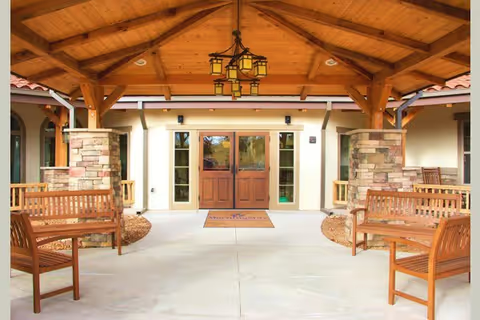
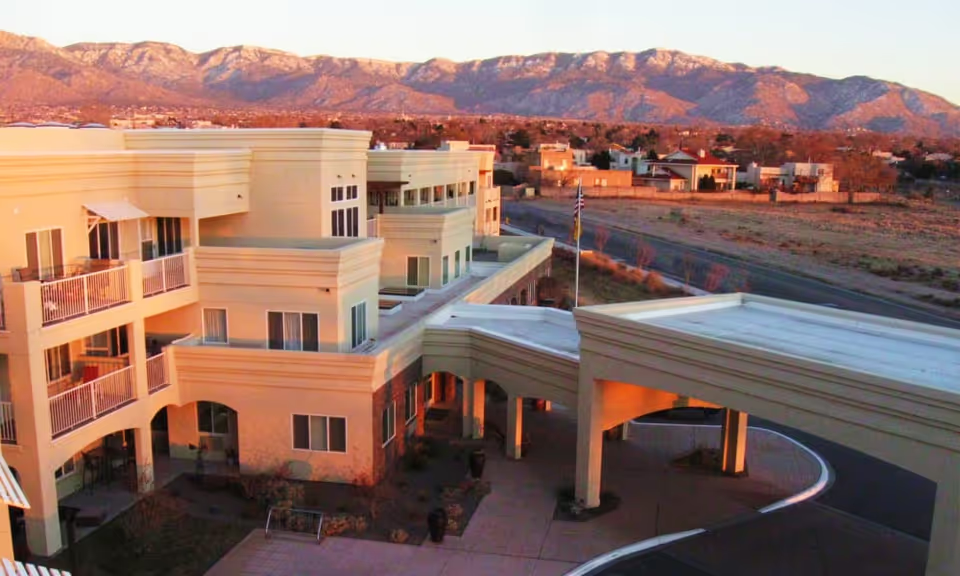
The Neighborhood at Rio Rancho Life Plan Community presents as a modern, amenity-rich senior campus with many features that attract families and residents. The physical environment is consistently described as clean, new, and well-designed, with private rooms, en-suite bathrooms, spacious studios, generous natural light, and multiple communal spaces (chapel, patios with views, movie room, libraries, pool). Housekeeping and maintenance are frequently praised for responsiveness and thoroughness. The community offers multiple dining venues, varied menus, and a Bistro, and many reviewers highlighted positive dining experiences, table service, and dietary staff who know residents’ preferences.
Clinical and caregiving quality shows a mixed pattern. A substantial number of reviews praise the therapy department (PT/OT/ST), and many families describe compassionate, attentive nursing assistants and nurses who provide strong hands-on care and rehabilitation that facilitated timely discharges. Memory-care programming and social engagement are also cited as strengths for residents with cognitive needs. At the same time, a contrasting set of reviews describes inconsistent clinical care across shifts — including medication-administration errors, gaps in follow-up after clinical events, delays in attending to basic care needs, and concerns about supervision that contributed to preventable incidents. Several reviewers raised serious allegations and regulatory concerns that prompted reports to oversight agencies and litigation; these items indicate the presence of isolated but potentially severe failures in clinical oversight.
Staffing, management, and communication emerge as recurring themes. Positive accounts describe caring staff, low turnover on some teams, and smooth admissions experiences; negative accounts emphasize short-staffing, frequent use of agency/temporary staff (particularly on weekends), long call-response times (30+ minutes in some reports), and variability in the professionalism and responsiveness of administrative leadership. Several families described frustrating communication gaps with admissions or administrative staff and inconsistent follow-up on billing, payee/NIR setup, and care coordination. These operational weaknesses appear to underpin many of the care and experience inconsistencies described.
Dining and activities are generally seen as strong points but with variability. Many residents and families enjoy the dining options, fresh meals, and social dining environment; other reports cite bland or pre-packaged meals, small portions, and cold food at times. The activities calendar and organized outings receive frequent praise for keeping residents engaged, although some families noted that individual residents did not always participate or that programming did not meet every preference.
Overall, the facility offers a high-quality physical environment, robust therapy services, and many examples of compassionate, competent staff. However, persistent operational issues — specifically staffing instability, reliance on temporary staff, communication and administrative gaps, inconsistencies in clinical care and medication management, and supply/pest-control concerns — have been raised often enough to merit careful inquiry. Prospective residents and families should balance the facility’s strong amenities and therapy capabilities against these operational patterns, and during tours and meetings ask specific questions about staffing ratios (including weekend coverage), agency-staff use, incident reporting and follow-up, medication-safety protocols, linen/supply management, pest-control measures, and recent management turnover and corrective actions.