Review content presents a mixed but clarifying picture: Socorro Wellness & Rehabilitation is frequently praised for its post-acute rehabilitation services, compassionate frontline caregivers, and around-the-clock nursing presence, while recurring operational concerns appear around medication management, communication, and facility upkeep.
Care and clinical outcomes: Many accounts highlight an effective rehab team and physical-therapy program that has helped residents regain function and return home. The facility's 24-hour nursing coverage and attentive direct-care staff are also cited as strengths. At the same time, reviewers raised medication-management issues and delays in clinical access; these suggest opportunities to strengthen clinical handoffs, physician availability, and medication-administration controls to ensure consistent clinical reliability.
Staffing and conduct: Staff are often described as caring, efficient, and advocacy-oriented, which supports resident dignity and individualized attention. However, there are also references to inconsistent staffing levels and concerns about responsiveness and conduct in certain situations. These patterns indicate variability in day-to-day staffing consistency and in how family requests or concerns are handled.
Communication, family engagement, and administration: Several accounts describe poor communication with families, blocked contact in specific instances, and tight privacy or visitation handling that felt restrictive to relatives. There is a perception among some families that administrative decisions prioritize institutional policy or financial considerations ahead of family preferences; this contributes to tension between families and leadership even where direct care is rated positively.
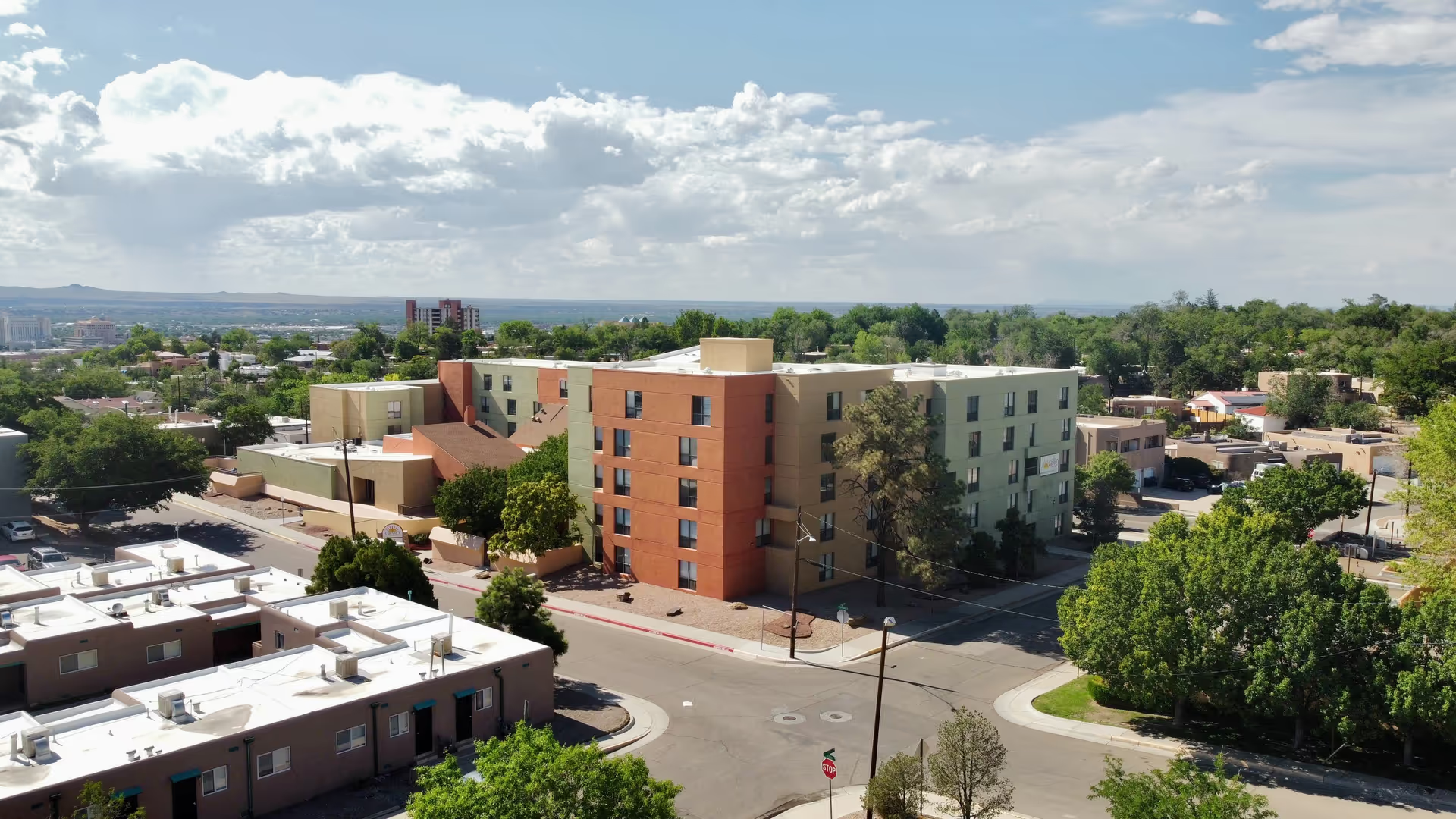
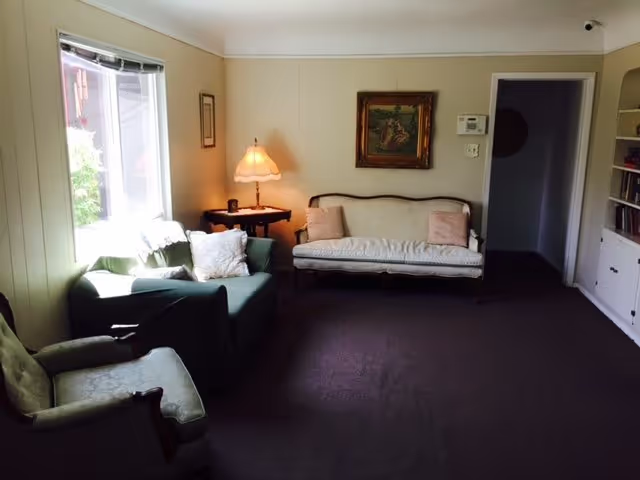
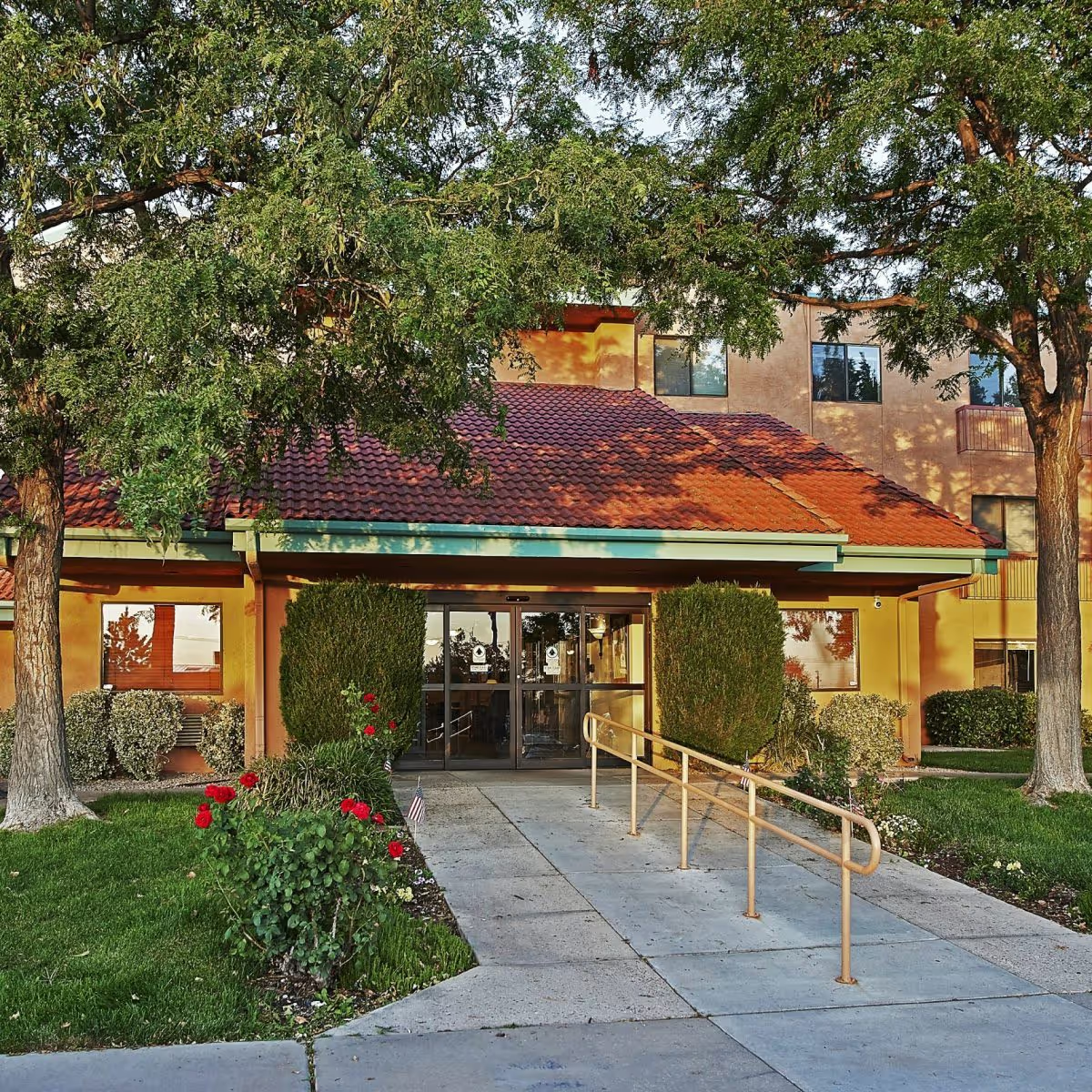
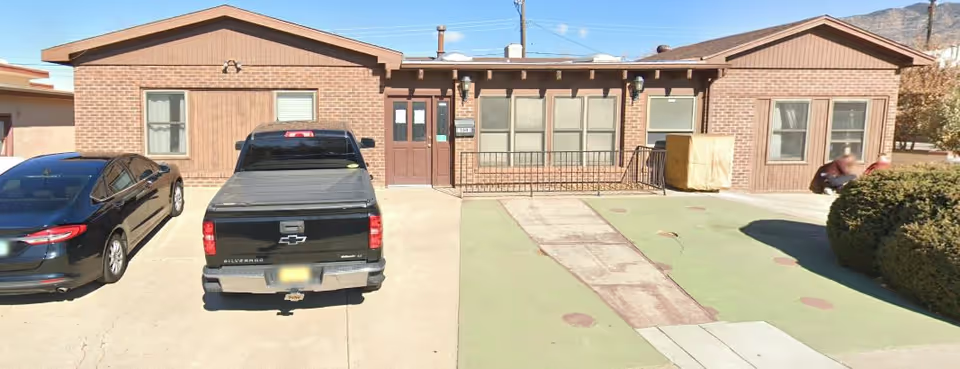
Facilities, maintenance, dining, and activities: Reviewers cited maintenance and air-quality issues and described some rooms as cramped, which may affect resident comfort and privacy. There is limited specific feedback about dining quality or structured social programming in the available content; the dominant activity-related feedback centers on rehabilitation therapy rather than broader activity programming. Prospective families should visit in person to assess room size, odors/air quality, and communal spaces.
Patterns and practical guidance: The dominant pattern is one of strong rehabilitation capability and several compassionate staff members paired with operational weaknesses that can affect family confidence: medication controls, physician access, staffing consistency, communication, and facility maintenance. For families considering this facility, recommended next steps include: observing therapy sessions and staffing levels at different times of day, reviewing medication-management and physician-coverage protocols, asking for examples of family-communication policies, and inspecting room size and common-area conditions. These checks will help verify whether the facility's rehabilitation strengths align with an individual resident's broader needs and expectations.